Best Battery Power Pack for 2026: Buying Guide and Types
Disclosure: We may earn a commission when you buy through links on this page, at no extra cost to you. As an Amazon Associate I earn from qualifying purchases. Learn more
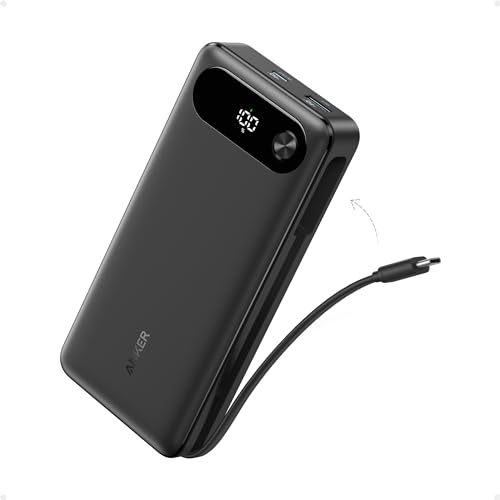
Best battery power pack guide: compare capacity, ports, size, and safety for phones, laptops, and travel.
A best battery power pack keeps your devices running when no outlet is nearby, whether you are traveling, working outside, or facing a power outage. The challenge is that capacity numbers alone do not tell you how many charges you will really get, or which ports your devices need. Use the product table to compare capacity, output, and size before you settle on a pack.
The right pack depends on what you charge and how often you charge it. A small pack suits a phone for a day out, while a larger pack suits a laptop, a tablet, and a phone together. This guide explains capacity, ports, charging speed, and safety in plain terms so you can choose a pack that fits your bag, your devices, and your budget.

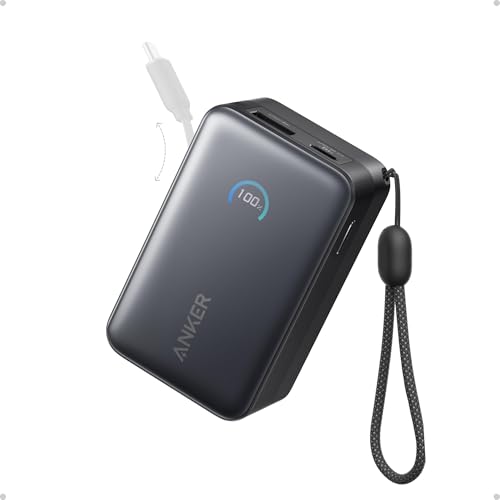
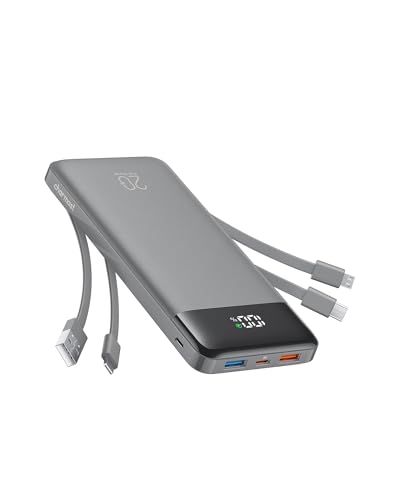
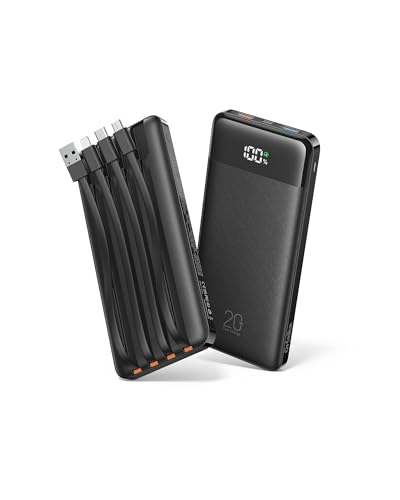
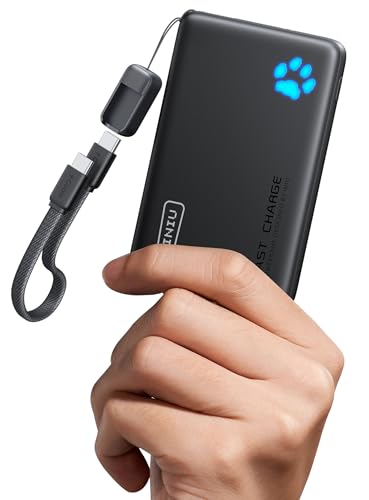
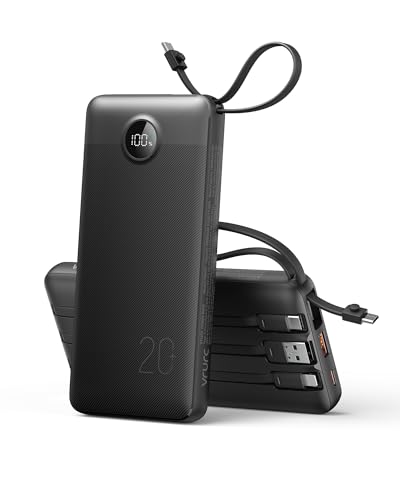
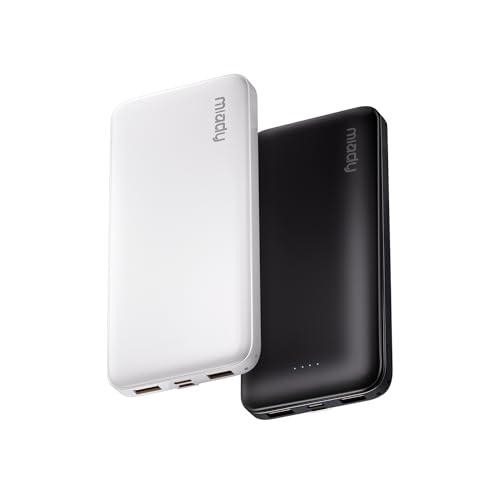
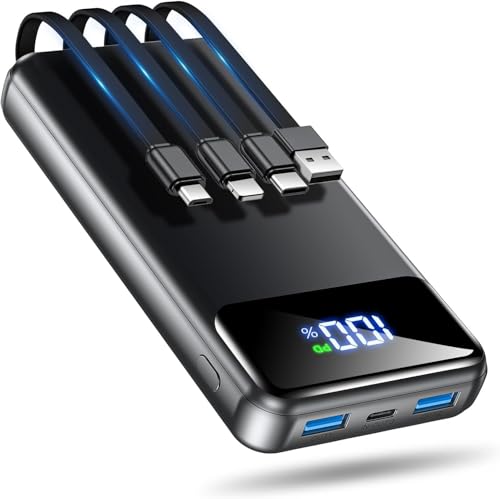
Spending Levels at a Glance
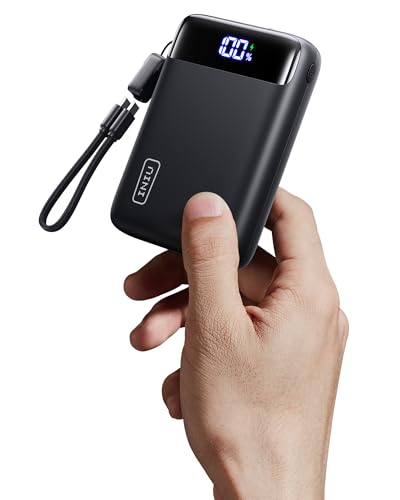
Budget packs, at about $20 to $40, usually hold enough charge for one or two phone charges and offer one or two basic ports. They are light and easy to carry, which makes them a good choice for a pocket, a small bag, or a backup that you rarely need. Their limits show up with larger devices, since they may charge slowly or run out before a tablet is full.
Mid range packs, at about $40 to $80, add higher capacity, faster output, and a wider mix of ports. This level suits most travelers who charge a phone and a tablet, or a phone several times over a weekend. Premium packs, at about $80 to $150, offer laptop level output, larger capacity, and stronger build quality for frequent travel or work use. Choose the level that matches your heaviest day, not your lightest one.
How to Choose the Best Battery Power Pack: Buying Guide
Intended Use and Who It Is For
Start by listing the devices you will charge and how many charges each one needs between outlets. A commuter who tops up a phone once a day needs far less capacity than a camper who charges a phone, a headlamp, and a camera over a weekend. If you travel for work, consider whether you need to charge a laptop, since that single need changes the capacity and output you should look for.
For help with vehicle related power, see our guide to best battery jump pack when your need is starting a car rather than charging devices. A jump pack and a device pack serve different jobs, even though both store power in a portable case.
Price Compared With Value
Price should follow capacity and output, not the other way around. A cheap pack that cannot finish a charge is poor value, while a large pack that you never use is extra weight in your bag. Compare the cost per charge for your main device, and check whether the pack includes the cables you need.
Safety and Certifications
Look for a pack with protection against overcharge, short circuits, and overheating, and follow the maker guidance on charging and storage. Keep the pack away from children, and never leave a charging pack unattended for long periods. If a pack swells, smells odd, or gets very hot, stop using it and follow the maker guidance for safe disposal. A recognized safety certification adds confidence, but it does not replace careful use.
Maintenance and Long Term Costs
Long term costs are low for most packs, but capacity fades with age and heavy use. Storing a pack at a moderate charge in a cool, dry place helps slow that fade. Avoid leaving a pack fully drained for months, since a deeply drained pack may be hard to revive. When capacity drops to the point that it no longer meets your needs, replacing the pack is usually simpler than trying to repair it.
Build Quality and Materials
Build quality shows up in the case, the ports, and the buttons. A sturdy case resists drops and daily bag wear, while firm ports hold cables without wobbling. Check that the power button is easy to find by touch but hard to press by accident in a bag. A pack that turns on in a pocket can drain itself before you need it, so a simple lock or recessed button is a useful detail.
Ease of Use and Setup
A good pack needs no setup beyond a first full charge. Clear indicators for remaining charge help you plan, especially on a trip where outlets are scarce. Look for a display or a set of lights that is easy to read in daylight, and a cable layout that does not block neighboring ports.
For a pack made mainly for phones, see our guide to best battery pack for smartphones to compare pocket friendly sizes and outputs. That guide helps when a phone is your only device and a large laptop pack would be needless bulk.
Size, Weight, and Fit for Your Space
Capacity and weight rise together, so a larger pack is not always better. A pocket pack should be light enough to carry without notice, while a bag pack can be heavier if it replaces several smaller packs. Measure your bag pocket before buying, and consider the shape as well as the weight.
Types of Battery Power Packs
Types differ mainly in capacity, output, and port mix. Pocket packs suit phones and small devices, while mid size packs suit phones and tablets together. High output packs suit laptops and other devices that need more power, and rugged packs add tougher cases for outdoor use. Each type trades weight and price against the number of charges it can deliver.
Budget Options
Budget packs are small, light, and simple, with enough capacity for a phone or two. They suit a backup in a jacket pocket or a small bag, and they are easy to replace if lost. Their limits are slower charging and fewer ports, so they are a poor fit for a laptop or a full family of devices.
Mid Range Options
Mid range packs balance capacity, speed, and size for most travelers. They can charge a phone several times or a phone and a tablet once, and they usually offer a mix of USB A and USB C ports. This level suits weekend trips, daily commutes, and anyone who wants one pack for several devices.
Premium Options
Premium packs offer high capacity and high output for laptops, tablets, and phones together. They cost more and weigh more, but they replace the need to carry several smaller packs. This level suits frequent travelers, remote workers, and anyone who needs reliable power for a full workday away from an outlet.
Compact Options
Compact packs focus on size above all else, with a slim shape that fits a pocket or a small purse. They usually hold less capacity than a mid range pack, so they suit a single phone top up rather than a full day of charging. If you value a light load over extra charges, a compact pack is the right trade.
For a pack that can also help with a vehicle, see our guide to best battery booster pack when you need a jump start function as well as device charging. That type is built for a different job, so check its weight and size before choosing it for everyday carry.
Picking the Right Battery Power Packs for Different Uses
Battery Power Packs for Laptops
Laptop charging needs higher output and higher capacity than phone charging, so look for a pack that lists laptop level output and a capacity that covers at least one full laptop charge. Check that the pack offers the right port and cable for your laptop, since a pack with the wrong port cannot deliver its full power. A larger, heavier pack is normal here, and it is worth the weight if it keeps you working through a flight or a long day without an outlet.
How to Make Your Battery Power Pack Last Longer
Read the manual before first use, and give the pack a full first charge as the maker directs. Clean and inspect the pack regularly, and check cables and ports for wear. Store the pack in a dry place at a moderate charge, and register the product for warranty if that option is offered.
Avoid heat, such as a hot car in summer, since heat speeds capacity loss. Use the maker cable or a cable of the same rating, and replace a frayed cable before it damages a port.
Frequently Asked Questions
How much should I spend on a battery power pack?
Most buyers spend about $40 to $80 for a pack that charges a phone several times or a phone and a tablet once. Budget packs at about $20 to $40 suit a single phone backup, while premium packs at about $80 to $150 suit laptops and frequent travel. Add the cost of any cables you still need, since a pack without the right cable is not ready to use. Choose the level that covers your heaviest day, not just an average day.
How long does a battery power pack last?
A pack can last about 2 to 4 years of regular use before capacity drops noticeably. Heat, deep drains, and constant fast charging can shorten that life, while moderate storage and gentle use can extend it. A pack that still charges but holds far less than when new is telling you it is near the end of its useful life.
What features matter most when buying battery power packs?
Capacity, output, port mix, and size matter most, in that order for most buyers. Capacity decides how many charges you get, output decides how fast those charges happen, and ports decide which devices you can charge at once. Size decides whether you will actually carry the pack, which matters more than it sounds. Safety protection and clear charge indicators round out the list and help you use the pack with confidence.
Are expensive battery power packs worth it?
Expensive packs are worth it when you need laptop output, high capacity, or a pack that will be used almost daily. The extra cost buys faster charging, more charges per trip, and often a sturdier case. They are less important for a phone backup that you use a few times a year, where a budget pack can serve well. Match the price to how often and how hard you will use the pack.
How do I maintain a battery power pack?
Store the pack at a moderate charge in a cool, dry place, and avoid leaving it fully drained for long periods. Wipe the case and ports gently, and inspect cables for fraying or bent connectors. Recharge the pack every few months if it sits unused, so it stays ready for a trip. If the pack swells or overheats, stop using it and follow the maker guidance for safe handling and disposal.
Final Thoughts
Choose capacity for your heaviest day, output for your largest device, and size for the bag you actually carry. A mid range pack suits most people, while a premium pack suits laptop users and frequent travelers. Review the picks in the table, and let fit, ports, and safety guide your choice rather than the biggest number on the box. With the right balance, best battery power pack choices become simple: a pack you carry, trust, and use without thinking about it.