Best Battery Pack for Smartphones 2026: Capacity, Speed and Size
Disclosure: We may earn a commission when you buy through links on this page, at no extra cost to you. As an Amazon Associate I earn from qualifying purchases. Learn more

The right power bank balances capacity, charging speed and size. Learn how to pick the best battery pack for smartphones for your day.
A phone battery that fades by mid afternoon is the reason most people buy a power bank. The best battery pack for smartphones is the one that charges your specific phone quickly, fits your pocket or bag, and holds enough energy for your longest normal day. Capacity numbers alone do not tell you that, so this guide explains the specs in plain terms.
The product table above lists compact packs, magnetic wireless packs and larger capacity models. Read on to match capacity, output and size to the way you use your phone. Use these checks whenever you compare the best battery pack for smartphones options in the table.



How Much Capacity Do You Need?
Capacity is measured in milliamp hours (mAh). A typical modern phone battery holds between 4,000 and 5,000 mAh, but a pack never delivers its full rated capacity, because some energy is lost as heat during conversion. Plan on getting roughly 60 to 70 percent of the printed figure.
- 5,000 mAh: about one partial charge. Fine as an emergency backup that fits a small pocket.
- 10,000 mAh: one to two full charges. The best all round size for daily carry.
- 20,000 mAh: three or more charges, or one phone plus a tablet. Better for travel, camping and long shifts.
Bigger packs weigh more. A 20,000 mAh pack often weighs close to a pound, so ask whether you will carry it every day or only on trips.
Charging Speed and Ports
Output decides how fast the pack refills your phone. Look for USB C Power Delivery (PD) if you have a recent iPhone or Android phone, since it supports fast charging at 18 to 30 watts. Older phones may rely on other fast charge standards, so check your phone manual. A pack with two or more ports lets you charge a phone and earbuds together.
Output is shared across ports, so a pack that lists 45 watts may drop to 15 watts per port when two devices are plugged in. If you often charge more than one thing, look for a pack whose multi port output is clearly listed.
Types of Battery Packs for Smartphones
Slim pocket packs
Packs around 5,000 to 10,000 mAh are thin enough for a pocket. They cost the least and fit everyday carry well. They are the right choice if you mostly need one top up before the evening.
Magnetic wireless packs
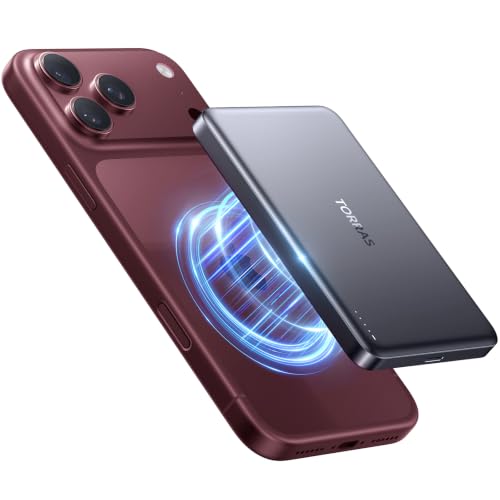
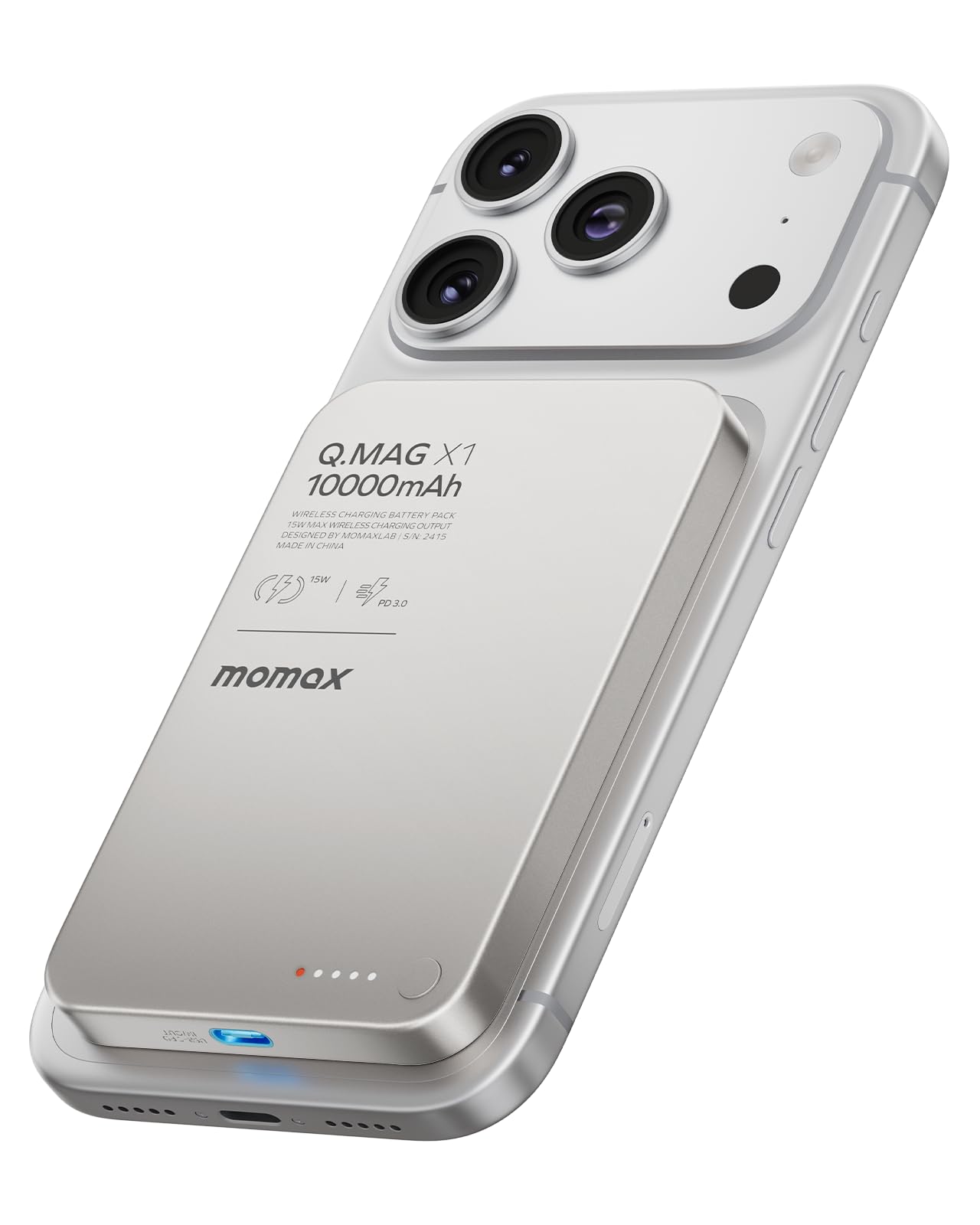
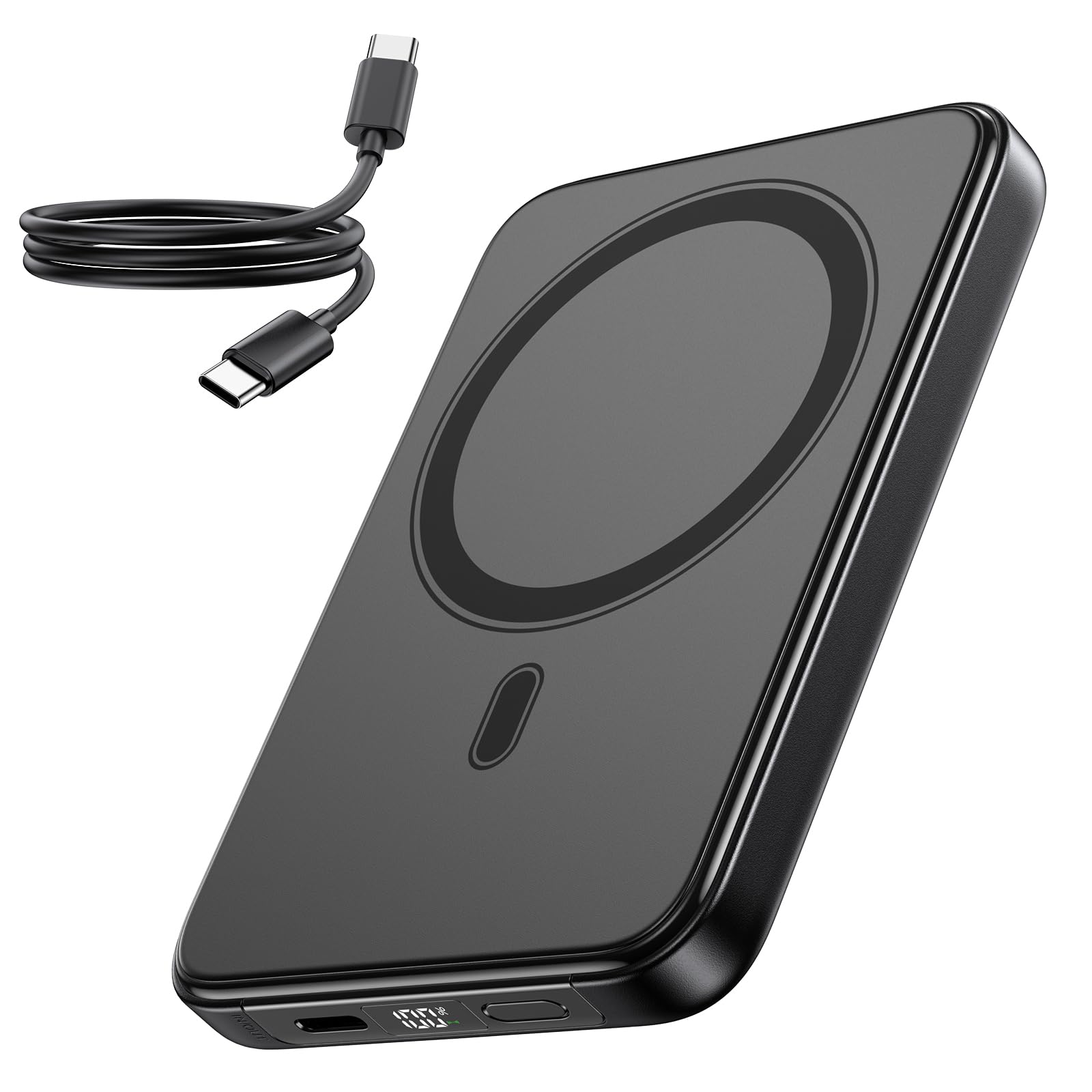
These snap onto the back of compatible iPhones and many Android phones with magnetic rings. They charge without a cable, which is convenient on a train or at a desk. Wireless charging is slower and produces more heat than a cable, so use a cable when you are in a hurry.
High capacity packs
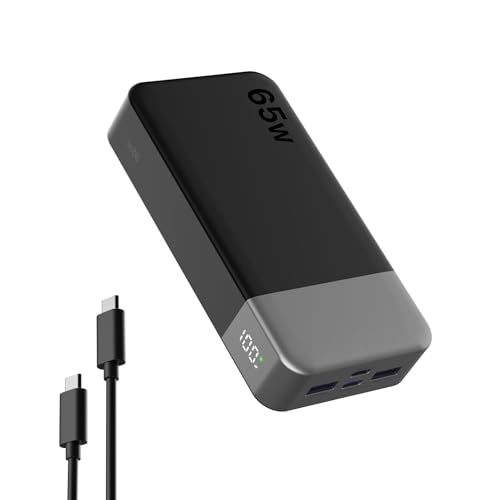
Packs near 20,000 mAh can also charge tablets and some small laptops through USB C. They are heavier, but a single charge can cover a weekend away from outlets.
Solar and rugged packs
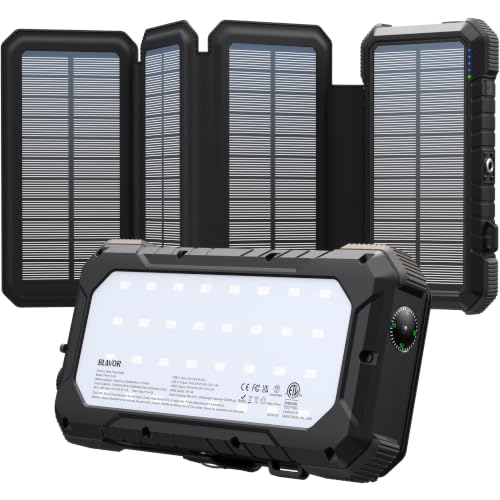
Solar panels on a pack charge very slowly, usually a few percent per hour in full sun. Treat solar as a bonus for emergencies and charge the pack from a wall outlet as the main method. Rugged shells and water resistance suit hiking and beach days.
Features Worth Paying For
- Pass through charging: lets you charge the pack and the phone at once from the same wall adapter.
- Built in cables: handy for travel, though fixed cables can break. A spare USB C port is a safer design.
- Clear charge indicator: a percentage display is more informative than four small lights.
- Safety protection: overcharge, short circuit and temperature protection. Look for recognized safety certification marks on the listing.
- Low current mode: useful for earbuds and small accessories that some packs turn off too soon.
Airline and Travel Rules
Lithium packs must go in carry on bags, not checked luggage. Airlines usually limit packs to about 100 watt hours, which equals roughly 27,000 mAh at the standard 3.7 volt rating. Check your airline rules before packing a larger model. Keep the pack in a small pouch so the terminals cannot touch metal objects.
Care and Safety
Do not leave a pack in a hot car or in direct sun, since heat damages cells and reduces life. Stop using a pack that swells, smells odd or gets very hot while charging. Recharge it every couple of months if it sits unused, and keep it off soft surfaces like pillows when it is charging. Use the cable that came with the pack or a good quality replacement.
Common Mistakes to Avoid
- Buying only by the biggest mAh number and then leaving the heavy pack at home.
- Pairing a fast pack with a thin, slow cable.
- Choosing a magnetic pack without checking that your phone case is compatible.
- Picking an unknown brand with vague safety information.
- Forgetting to charge the pack itself before a trip.
Frequently Asked Questions
How many times can a 10,000 mAh pack charge my phone?
Usually about one and a half to two times, depending on the phone battery size and charging losses.
Is wireless charging worth it?
It is convenient and keeps cables out of the way, but it is slower and warmer than wired charging. Many people use both: wireless for desk top ups and a cable for fast refills.
Can I use a power bank while charging my phone?
Yes, if the pack supports pass through charging. Otherwise, charge the pack first and the phone second.
How long does a power bank last?
Most packs handle several hundred charge cycles before their capacity noticeably drops. Careful use and moderate temperatures extend that life.
Can a power bank charge a tablet or laptop?
A larger pack with USB C Power Delivery can charge a tablet and some small laptops, though it will drain faster than it would a phone.
Matching a Pack to Your Day
Think about when your phone usually runs out. A commuter who needs a boost on the train home can carry a slim 5,000 mAh pack and never notice the weight. A field worker, a student on a long campus day or a traveler using maps and photos all day will be happier with 10,000 mAh. If you also charge earbuds, a watch or a tablet, step up to 20,000 mAh and a pack with several ports.
Finally, remember the cable. A short, sturdy USB C cable stays tangle free and charges faster than a long, thin one. Keep it with the pack so you never find yourself with power and nothing to plug in.
Final Thoughts
Pick a capacity that covers your longest normal day, confirm that the output matches your phone, and choose a size you will really carry. The best battery pack for smartphones is a pack that quietly solves a problem without adding weight or hassle. Compare the choices in the product table, and for a related look see the guide to the best portable battery pack for smartphones.