
Best Backup Sump Pumps 2026: A Complete Buying Guide
Disclosure: We may earn a commission when you buy through links on this page, at no extra cost to you. As an Amazon Associate I earn from qualifying purchases. Learn more

Learn how backup sump pumps protect basements during outages, from battery and water powered types to alarms, capacity, testing, and maintenance.
The best backup sump pumps protect your basement when the main pump fails or the power goes out. Storms often bring heavy rain and outages together, so a backup system is not a luxury for flood prone homes, but a practical layer of protection.
The table of picks below brings the main options together, so you can compare power types, capacity, and alarm features at a glance. This guide explains how backup systems work, how to size them, and how to keep them ready.


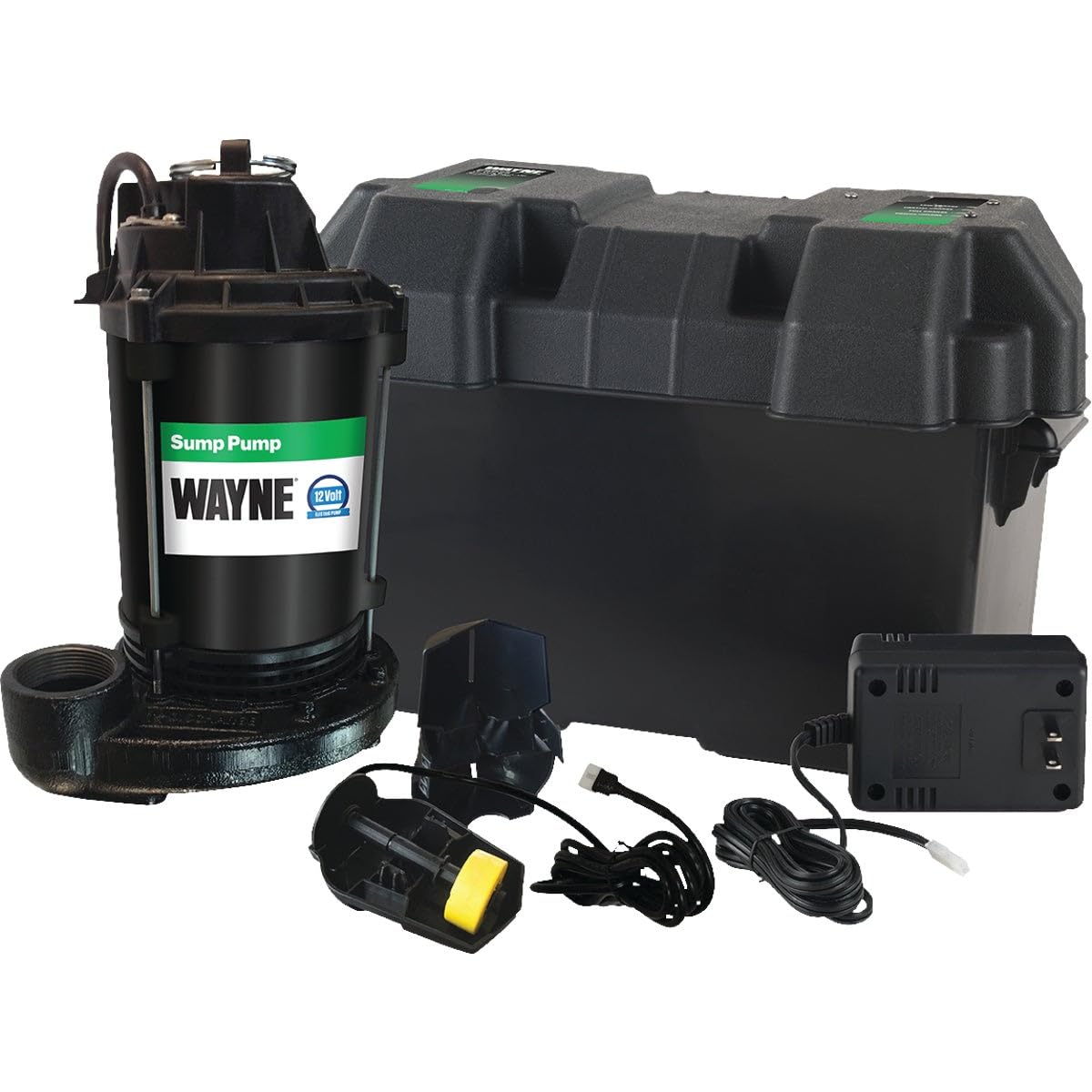
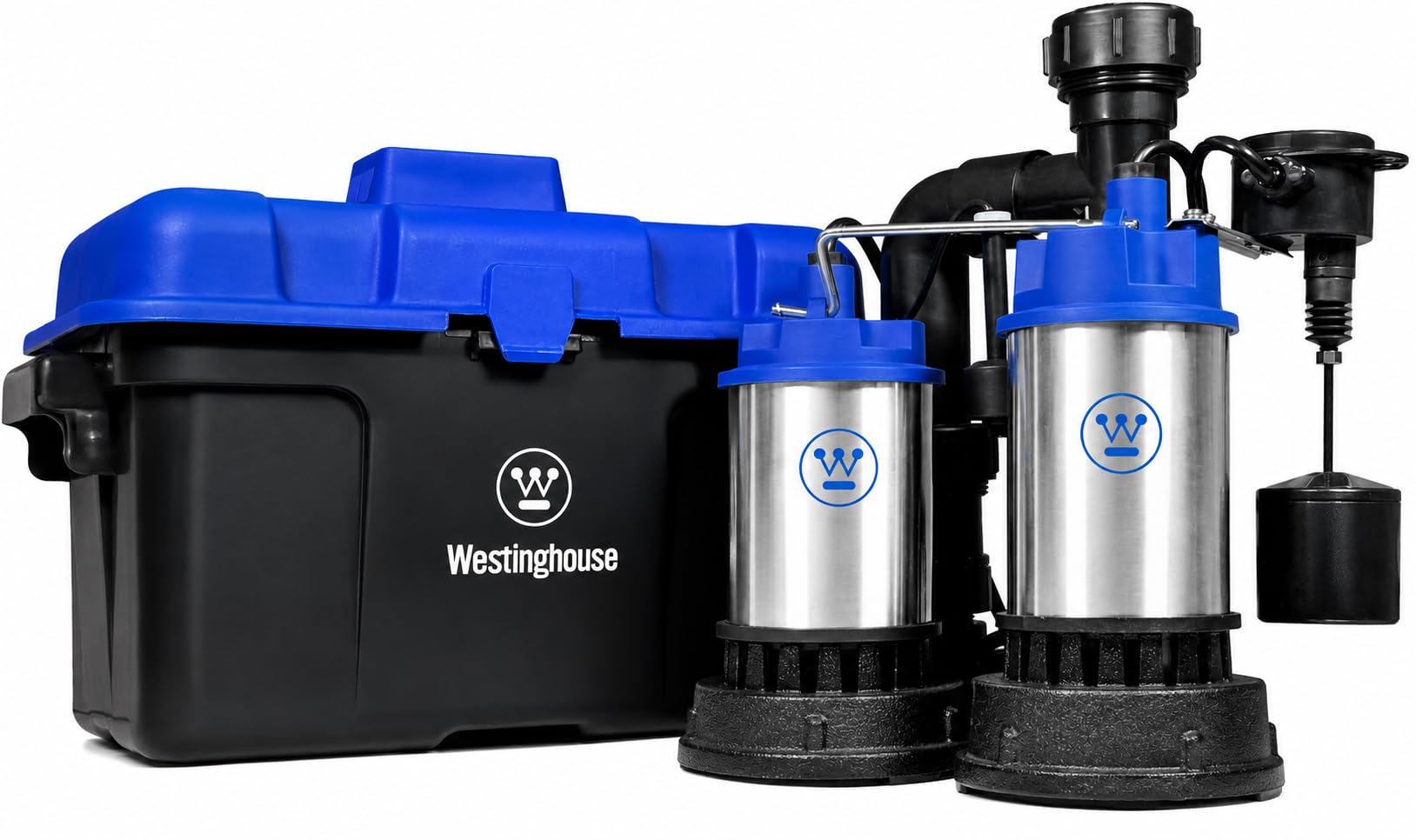


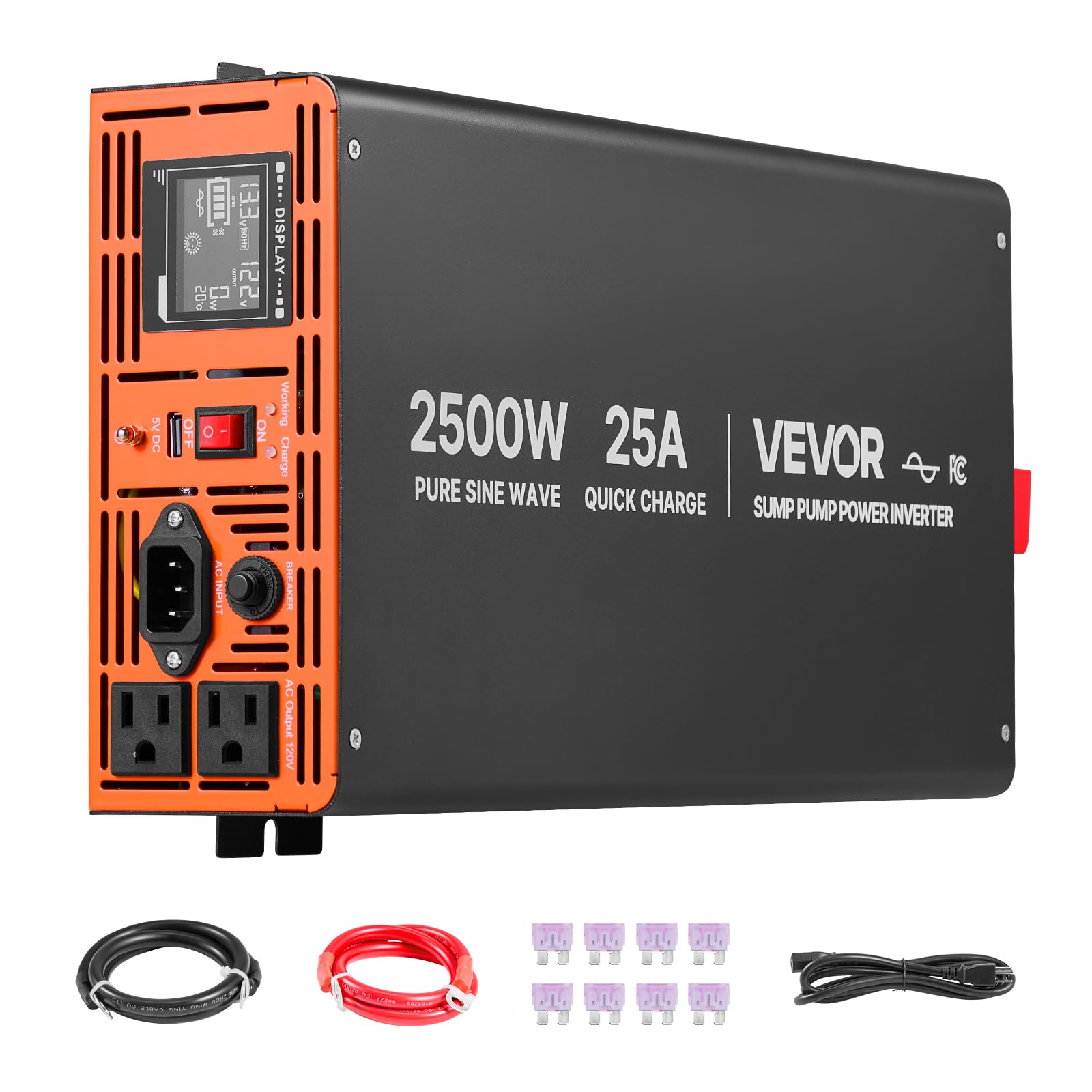
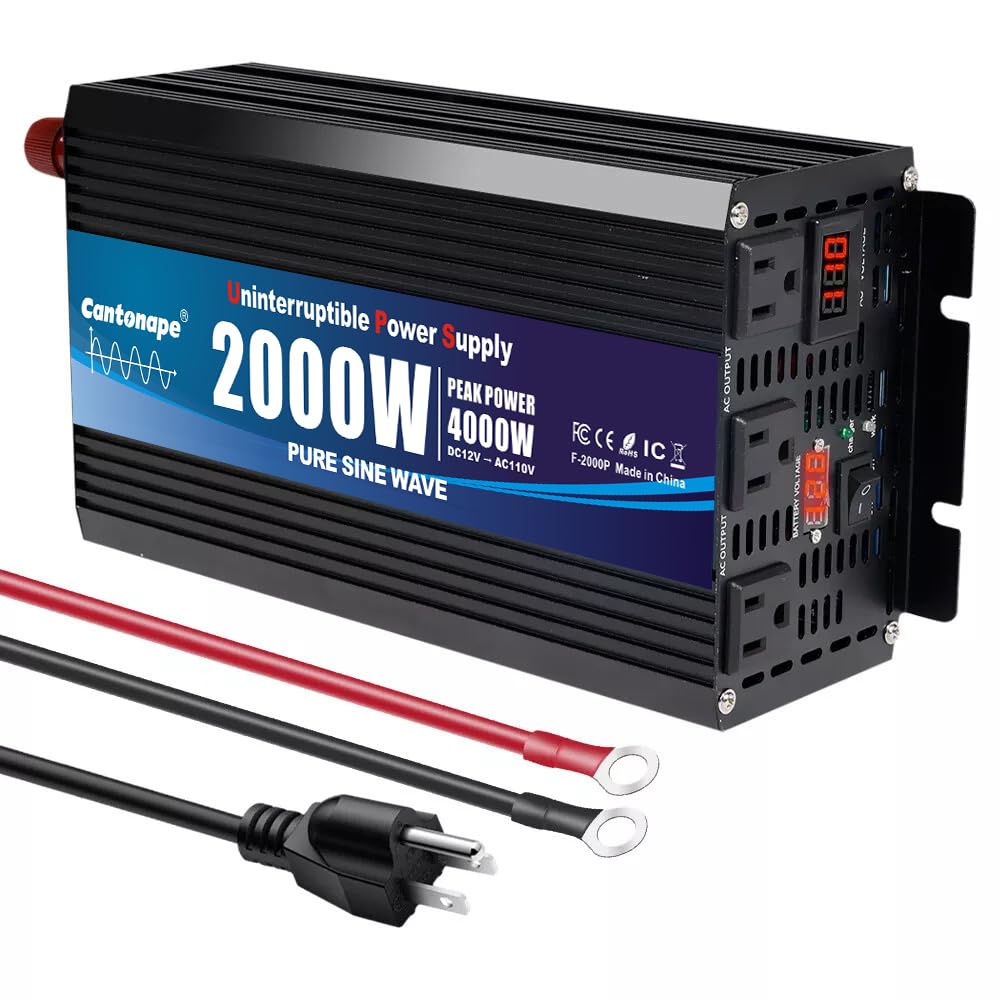

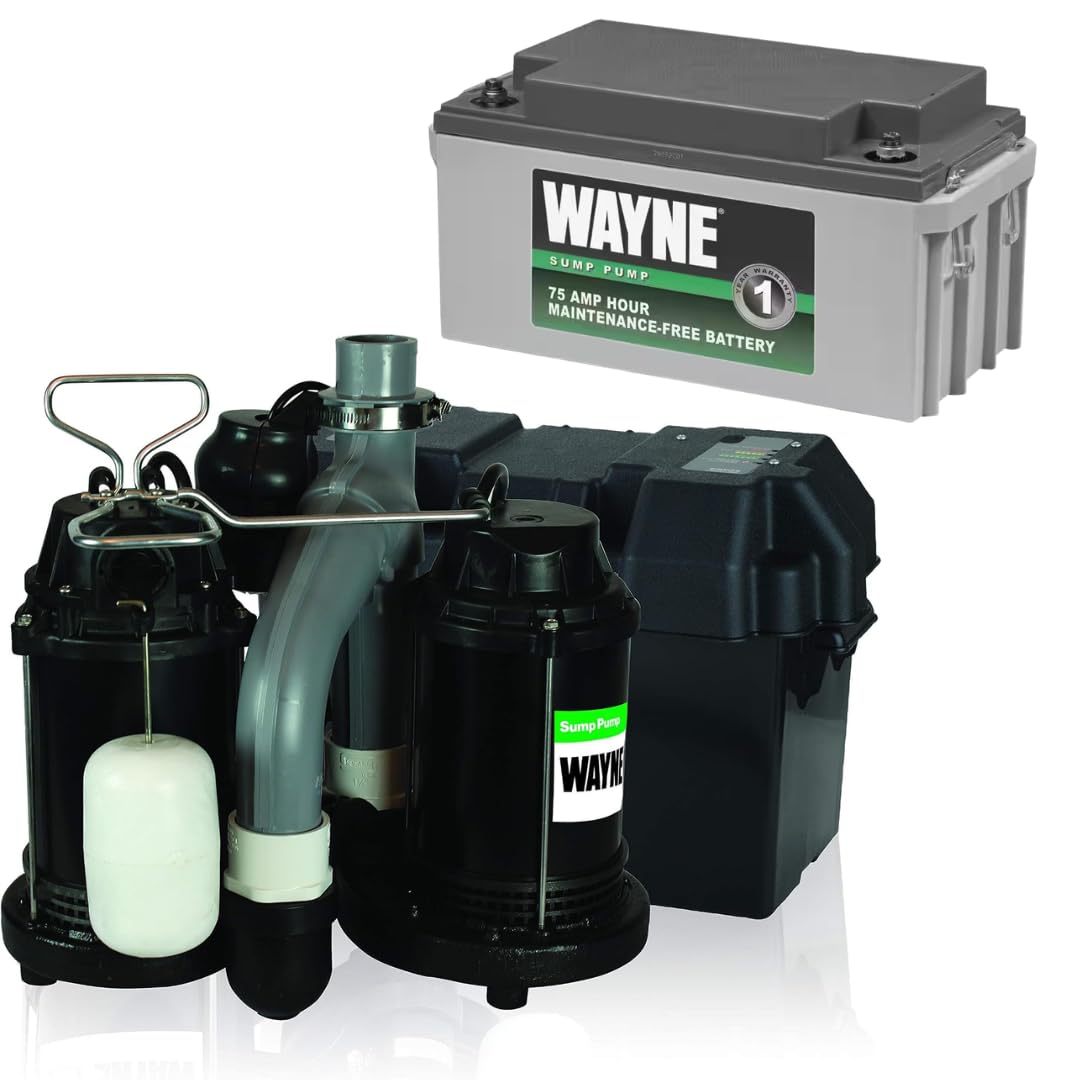
A backup pump does not replace a sound primary pump, good drainage, and a working discharge line. It adds resilience when the primary system cannot cope, and it buys time during emergencies.
Walk your basement and yard before you shop. Note where water enters, how the discharge line runs, and where power and alarms sit, since that layout shapes backup type and installation needs.
Battery and Water Powered Backup Types
Battery backup systems use a deep cycle battery and an inverter or DC pump to run when mains power fails. They suit most homes, install alongside the primary pump, and run for hours depending on battery size and pumping load. Battery health decides real runtime, so test and replace batteries on schedule.
Water powered backup systems use municipal water pressure to drive a pump, with no battery to maintain. They suit homes with reliable city water pressure, but they use water during operation and may not suit homes on wells or with low pressure. Check local codes before choosing this type.
Combination systems pair a primary pump with a backup pump in the same pit, often with a shared alarm and controller. That setup simplifies monitoring, but it still needs space in the pit and a clear discharge path for both pumps.
Sizing, Alarms, and Installation
Sizing starts with your primary pump capacity and your flood history. A backup pump should handle typical inflow during a storm, not only a trickle. If your primary pump runs often during rain, choose a backup with similar capacity rather than a token model.
Alarms matter as much as pumps. Audible alarms, WiFi alerts, and high water sensors warn you when the backup activates or when water rises unexpectedly. Test alarms monthly, and make sure alerts reach you when you travel.
Installation quality decides reliability. Keep discharge lines clear, frost protected, and directed away from foundations. A backup pump with a blocked or frozen discharge line cannot protect your basement, no matter how powerful it is.
A guide to best battery backup sump pumps focuses on battery systems, while best quality sump pumps covers primary pump quality. For pump types, best submersible sump pumps explains submersible designs, and best residential sump pumps covers home sizing. For pool drainage, best pool sump pumps covers a different use case.
Safety and Professional Help
Electrical safety is critical around sump pits. Use ground fault protection, keep connections dry and elevated, and never work in a flooded pit with live electrics. If water reaches outlets or panels, call a professional and your utility before entering the area.
Hire a licensed plumber or electrician for complex installs, battery bank wiring, or discharge rerouting. Poor wiring and plumbing can fail exactly when a storm arrives, and professional fitting often costs less than flood damage.
Keep a basic flood kit ready, including a flashlight, a spare battery check routine, and contact numbers for your plumber and insurer. Preparation turns a pump failure from a crisis into a manageable repair.
Maintenance, Value, and Mistakes to Avoid
Test the backup system every few months by lifting the float or using the test control, and check battery voltage and terminals. Replace batteries before they age out, not after a failure during a storm. Log test dates so nothing slips.
Prices for backup systems commonly range from about $150 to $500, plus installation and battery replacement costs. A midrange system with a clear alarm and a healthy battery often protects better than a premium pump with a neglected battery.
A common mistake is installing a backup pump and never testing it. Another is sizing for average rain while ignoring the heaviest storms your area sees. Test regularly, size for bad storms, and keep discharge lines clear.
A Final Check Before You Order
Measure your sump pit before ordering a combination system. Two pumps, floats, and alarms need space to operate without tangling, and a cramped pit causes false triggers and missed activations.
Check discharge routing for freeze risk, slope, and distance from the foundation. A backup pump that discharges too close to the house recycles water back into the pit, defeating its purpose during storms.
Test alarms with household members, so everyone recognizes the sound and knows what to do. An alarm nobody understands helps little during a night storm or while you travel.
Keep a written maintenance log near the pit, including battery dates, test results, and plumber contacts. A visible log prevents neglected batteries and forgotten tests, which cause most backup failures.
Review insurance coverage for basement flooding and sump failure, since policies vary widely. A backup pump reduces risk, but understanding coverage helps you plan for worst cases honestly.
If your home floods repeatedly despite pumps, seek professional drainage assessment. Grading, gutters, and exterior drainage often matter more than pump power, and fixing sources beats adding pumps alone.
Frequently Asked Questions
How long does a battery backup sump pump run?
Runtime depends on battery size, pump load, and how often water enters the pit. Light inflow may allow many hours of intermittent running, while heavy inflow drains a battery faster. Test under realistic conditions and keep a spare battery plan for long outages.
Do I need a backup pump if I rarely flood?
A backup pump still makes sense if your basement holds valuables, finished rooms, or critical systems, and if outages coincide with rain in your area. Risk depends on drainage, water table, and storm history, so weigh the cost against potential damage.
Can a backup pump replace my primary pump?
No, a backup pump is designed for emergencies and outages, not for continuous primary duty. Primary pumps handle normal inflow more efficiently and durably. Use the backup as a second layer, and repair or replace a failing primary pump promptly.
How often should I test a backup sump pump?
Test every two to three months and before storm seasons, checking pump activation, alarms, battery health, and discharge flow. Monthly checks suit flood prone homes. Log results so you spot declining battery performance early.
What maintenance does a battery need?
Check terminals for corrosion, keep the battery charged, and replace it on the maker schedule, often every three to five years. Store batteries in a dry, ventilated area and follow maker guidance on charging. A neglected battery is the most common backup failure.
Can I install a backup sump pump myself?
Simple battery systems suit confident DIY installers with plumbing and electrical experience, but complex wiring, discharge rerouting, and water powered systems often deserve professional fitting. Poor installation fails during storms, so hire help when any step feels uncertain.
How do I know if my backup pump actually works?
Test it by simulating an outage or lifting the float according to maker instructions, then watch for pumping, alarms, and discharge flow. Log each test with date and result, so declining performance shows up early. A pump that has never been tested is only a hope, not a protection system.
Final Thoughts
The best backup sump pumps give your basement a second chance during outages and primary pump failures. Choose a type that suits your water supply, size it for heavy storms, and add clear alarms.
Use the table above to compare power types and capacity, then test the system regularly. A maintained backup pump turns storm anxiety into quiet confidence.


