
Best battery backup sump pumps in 2026: A Buying Guide
Disclosure: We may earn a commission when you buy through links on this page, at no extra cost to you. As an Amazon Associate I earn from qualifying purchases. Learn more

The best battery backup sump pumps keep a basement dry during outages. Compare pump types, battery capacity, alarms and installation tips.
A battery backup sump pump keeps your basement dry when the main pump fails or a storm knocks out the power, which is exactly when water arrives fastest. The best battery backup sump pumps match your pit size, lift height and local outage length, and they warn you before the battery runs flat.
The product table compares current systems, including combo kits with a primary and backup pump and inverter-style units that run your existing pump. This guide explains the types, the specs that matter and how to keep the system ready.

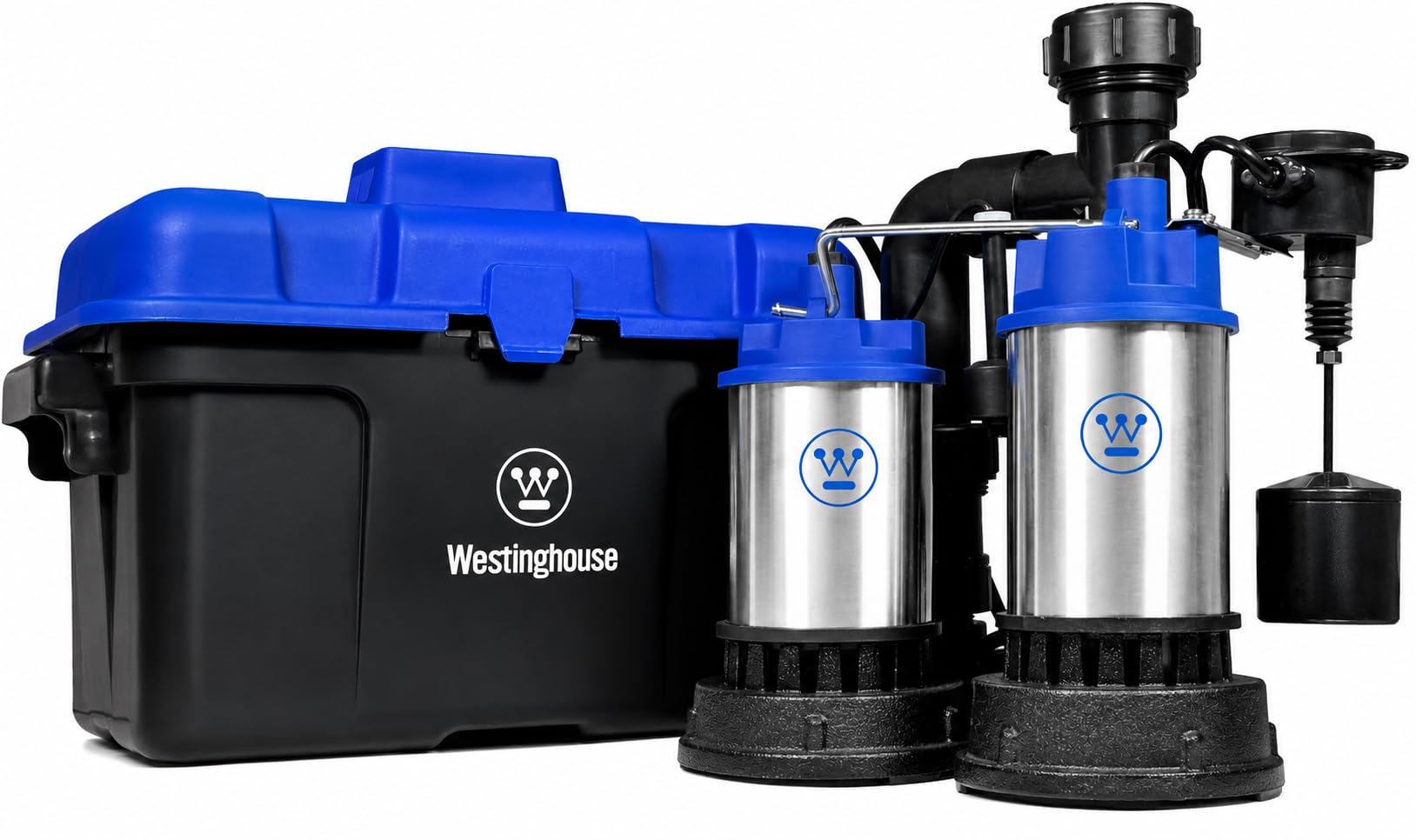

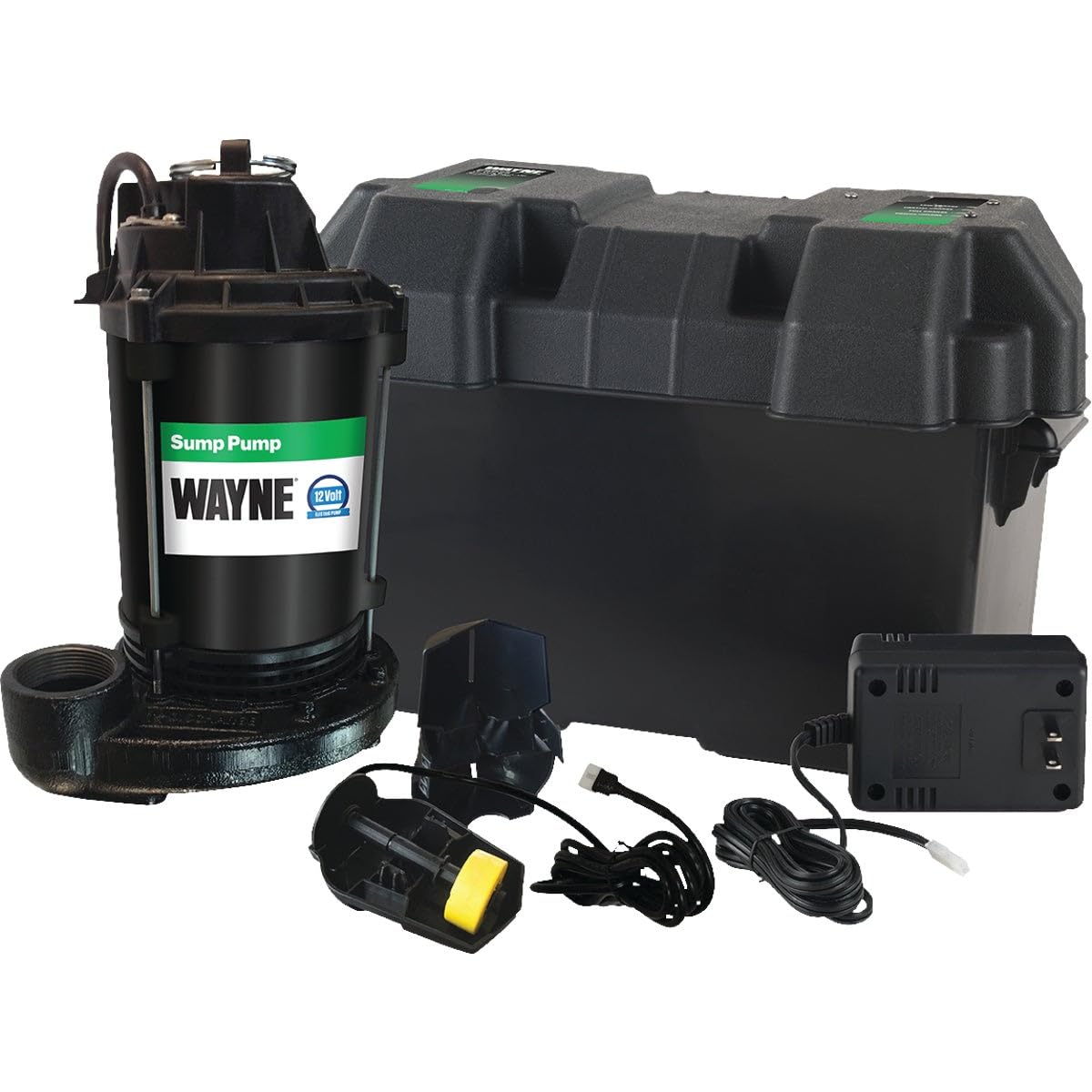
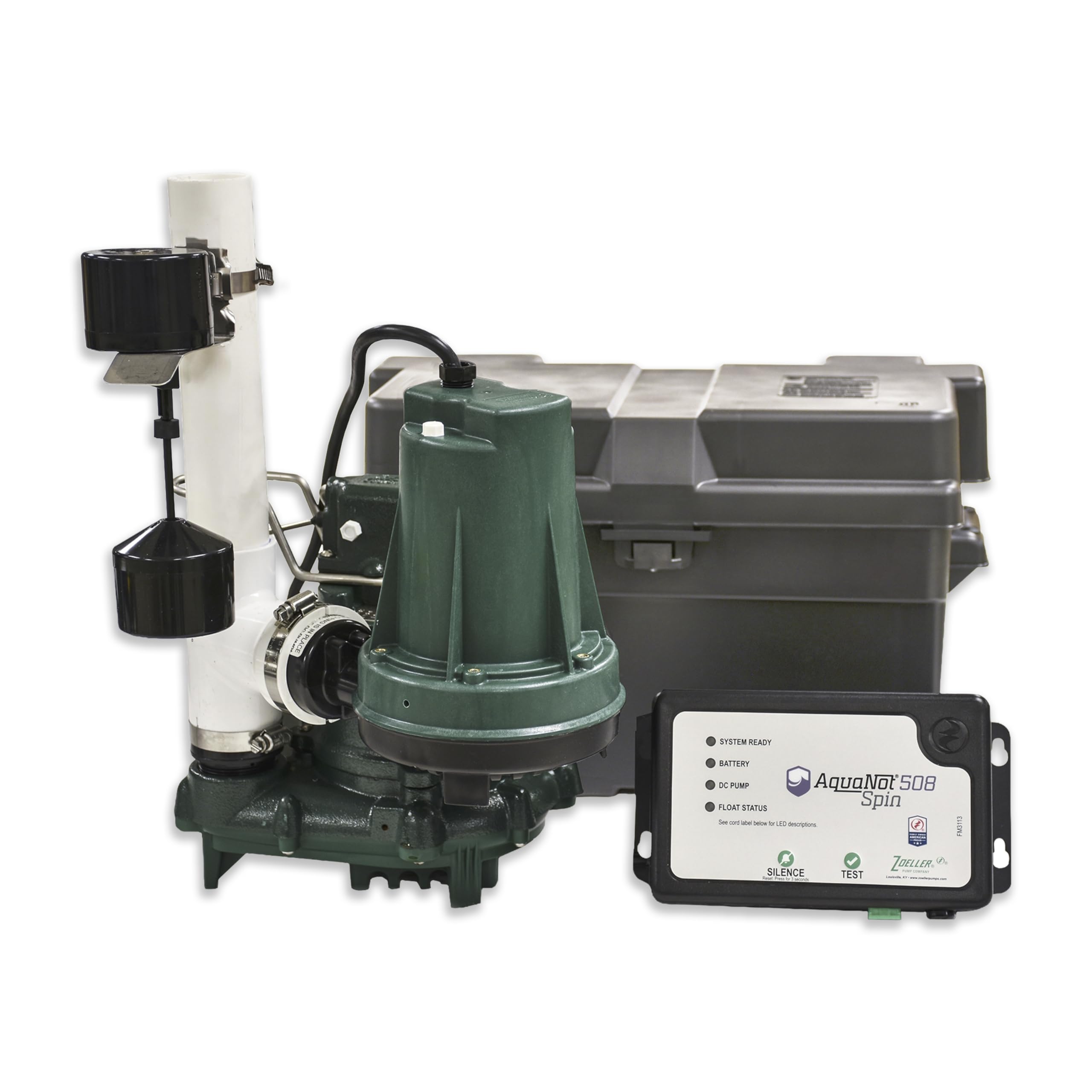


Types of Battery Backup Sump Pump Systems
Three setups cover most homes. Each solves the same problem in a different way.
Standalone 12-Volt Backup Pumps
A second, smaller pump sits in the same pit beside the main pump and runs on a deep-cycle battery. It starts only when the water rises above the main pump's switch. This is the most common retrofit and costs less than a full replacement, but the backup pump moves less water than the primary.
Combo Systems With a Primary and a Backup Pump
A combo kit ships a preassembled primary pump and a battery-ready backup pump with a controller. It suits new installs or homes replacing an aging pump. You get matched parts, a single alarm and simpler wiring.
Inverter Battery Backup Systems
These units hold a battery and an inverter that powers your existing AC sump pump when mains power drops. They keep the full pumping capacity of your main pump and are popular with homeowners who like their current pump. Check that the inverter output suits your pump's startup load.
Water-Powered Backups
A water-powered pump needs no battery or electricity, but it needs municipal water pressure and uses a lot of water. It is a niche option, so most buyers choose a battery type instead.
Key Features to Compare
- Flow at your lift height: gallons per hour should be judged at the vertical height water must travel, not at zero lift.
- Battery capacity and runtime: more amp-hours mean longer pumping, and a deep-cycle or sealed AGM battery suits long standby.
- Smart charger: a maintaining charger keeps the battery full without overcharging it.
- Alarms and monitoring: a loud alarm for high water, low battery and pump failure is essential; app alerts help when you travel.
- Float switch design: a protected or vertical float is less likely to jam in a narrow pit.
- Included battery: many systems sell the battery separately, which changes the real price.
How to Choose a Battery Backup Sump Pump
Start by measuring the pit width and depth, then note how high the discharge pipe sits above the pump. These two numbers narrow the choice faster than any brand name. If your main pump runs every few minutes in spring, pick a backup with strong flow and a large battery. If water is rare, a smaller standalone unit is often enough.
Plan the total price. Systems often cost about $200 to $550, and a battery may add $100 to $250. Ask whether replacement floats, chargers and batteries are easy to buy. A longer warranty matters for a device that sits idle until an emergency. For background on pump quality, see our guide to the best quality sump pumps, and for a related type, the best submersible sump pumps.
Installation and Safety Notes
Plug the system into a grounded outlet protected as local code requires, and keep the charger and battery above any possible water level. Vent the battery as the maker directs and secure the cables so they cannot short. If you are unsure about wiring or drainage, hire a licensed electrician or plumber. A backup pump does not protect against sewage backup, so ask a plumber about backwater valves where that is a risk.
Route the discharge pipe away from the foundation and fit a check valve so pumped water cannot flow back into the pit. Test the float and the alarm before the wet season starts.
Maintenance Tips
- Test the backup monthly by lifting the float or adding water to the pit until the pump runs and shuts off.
- Keep the pit free of gravel and debris that can jam the float.
- Inspect the battery terminals each season and clean any corrosion.
- Note the battery install date and replace it on the maker's schedule, usually every three to five years.
- After a long outage, confirm the charger has fully restored the battery before the next storm.
Common Mistakes to Avoid
- Choosing by the maximum flow figure instead of flow at your lift height.
- Forgetting that the battery is sold separately and not budgeting for it.
- Letting an old battery sit past its service life.
- Skipping monthly tests, so a stuck float is discovered during a storm.
- Discharging water where it can run straight back toward the house.
Battery Backup Sump Pumps: Questions Answered
How long will a backup sump pump run on one battery?
It depends on battery size and how often the pump cycles. A large deep-cycle battery can run for many hours of intermittent pumping, but in a fast-filling pit it may last only a few hours. Treat any runtime figure as a range, not a promise.
Do I need a backup if I already have a good main pump?
Yes, in flood-prone homes. A strong main pump still stops during a power cut or a mechanical failure, and storms often cause both heavy inflow and outages at the same time.
How do I size a backup pump?
Size it from your pit's inflow and the vertical lift to the discharge point. A pump that is too small will run nonstop during heavy rain, so size for your worst storm, not an average day.
Can I install a backup system myself?
Many homeowners can fit a simple 12-volt system, but electrical work, discharge routing and pit sizing benefit from professional advice. If you are unsure, hire a qualified installer.
What is the difference between a backup and a battery operated pump?
A backup works alongside your main pump and takes over when it cannot run. A pump that runs only on battery is a different setup; our guide to the best battery operated sump pumps covers that choice.
Final Thoughts
Match flow at your lift height to your real inflow, fund a big enough battery with a maintaining charger, and insist on clear alarms. Then test the system monthly so it works on the worst night. Compare the product table against those points, and the best battery backup sump pumps for your home will be the ones that keep running quietly while the storm passes. For other backup options, see the best backup sump pumps.


