Best Battery Operated LED Strip Lights (2026): Types, Length and Runtime
Disclosure: We may earn a commission when you buy through links on this page, at no extra cost to you. As an Amazon Associate I earn from qualifying purchases. Learn more
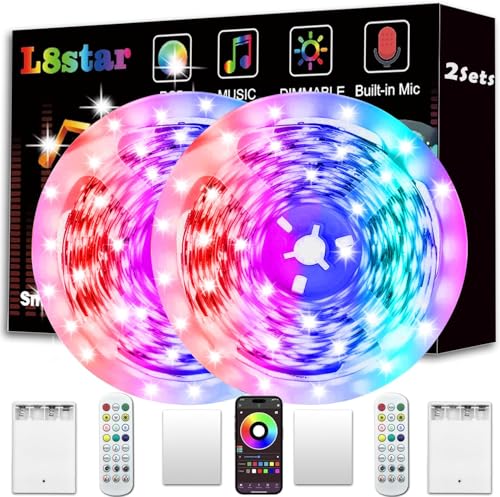
Light a closet, shelf or cabinet with no outlet: compare the best battery operated led strip lights by battery type, length and brightness.
Battery operated strip lights solve a familiar problem. You want light under a cabinet, inside a closet, or along a shelf, but the nearest outlet sits across the room and a cord would cross a walkway. The best battery operated led strip lights give you that light with no wiring and no drilling, as long as you match the battery type, length, and brightness to the job. The product table below sums up the main types, and this guide explains how to choose among them.
If your space does have a handy outlet, our guide to the best led strip lights covers the wider plug in range. This article stays focused on strips that run on batteries alone.


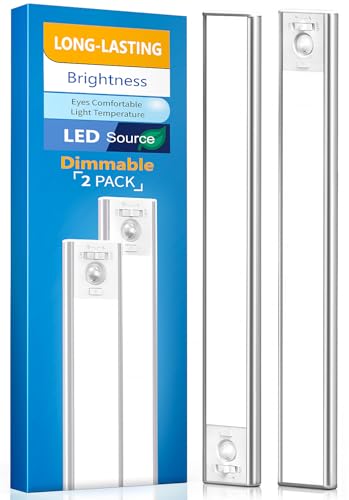


Types of Battery Operated Strip Lights at a Glance
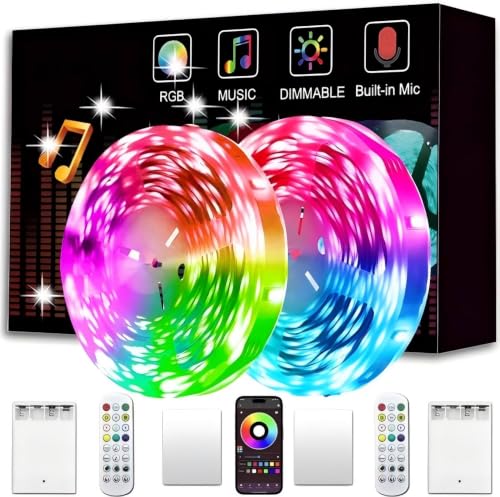
Battery operated strips fall into three broad types, and the type matters more than any single spec. The first type uses a small pack that holds replaceable cells, usually AA or AAA. These strips suit short runs in closets, drawers, and display cases, where you can reach the pack easily and swap cells in seconds. Running costs add up over time, but the starting price stays low and you never wait for a charge.
The second type uses a rechargeable pack that refills through a USB cable. These strips work well for shelves, desks, and kitchen cabinets that you light every day, since one charge can cover many evenings of short use. The third type draws power from a USB power bank you already own. It suits longer runs and temporary setups at events or in rented rooms, where the bank can hide behind furniture and come out again when you move.
How to Evaluate Battery Operated Strip Lights
Start with the job the light must do, then check brightness, color temperature, battery format, strip length, and controls in that order. Maker spec sheets list output and cell size, and buyer reviews reveal how long a charge lasts in real rooms. Our broader checklist in what to look for when buying led strip lights covers the shared ground, while the sections below focus on what changes when no outlet is involved. Treat runtime claims with care, since makers often test at the dimmest setting.
How to Choose the Right LED Strip Lights
Size and Form Factor
Measure the full run before you shop, including corners, and add a little spare for routing around brackets or shelf lips. Short strips of about 3 to 6 feet cover a single cabinet, drawer bank, or picture ledge. Runs of about 10 to 16 feet handle a full counter, a headboard, or a long hallway shelf. Longer strips draw more power, so a big run paired with a tiny battery pack means dim output or short runtime. Match the pack size to the length, not just the price.
Type
Single color white strips serve task and accent jobs where steady light matters most. Color changing strips add mood lighting for media rooms and parties, and they usually include a remote for quick changes. If you want each section of a strip to show a different color at once, read our explainer on rgb vs rgbic before you buy, since plain RGB strips show one color along the whole run. Water resistant strips suit kitchens and covered porches, while plain indoor strips belong in dry rooms only.
Features Worth Paying For
A motion sensor earns its cost in closets, hallways, and stair areas, where the light should come on as you arrive and switch off after you leave. A timer helps in kids rooms and display cases, shutting the strip down instead of draining the pack all night. A remote matters when the battery pack sits out of easy reach, such as above tall cabinets. Skip paying extra for music sync modes or elaborate scene effects unless you plan to use the strip mainly for parties and gaming setups.
Lumens and Color Temperature
Brightness is listed in lumens, and for battery strips the useful question is how much light you get per charge. Accent lighting along a shelf or behind a screen needs only modest output, while light for reading labels, cooking prep, or applying makeup needs noticeably more. Warm white, around 2700 to 3000 kelvin, feels calm and suits living areas. Neutral white near 4000 kelvin suits kitchens and workspaces, and cooler white near 5000 kelvin reads crisp but can feel harsh in a bedroom at night.
Fixture Size and Placement
The strip itself is thin, but the battery pack needs a home, so plan a flat spot where the pack can stick or rest within reach for charging or cell changes. Keep the pack out of direct sight lines for a cleaner look, yet close enough that you will actually maintain it. Readers planning a full room layout can see our ideas for the best led strip lights for bedroom, where low warm output along a headboard or under the bed frame works better than bright strips at eye level.
Dimmable and Smart Options
Dimming is more than a comfort feature on a battery strip. Lower brightness stretches runtime a great deal, so a strip run at half output can last several times longer than the same strip at full power. Look for several brightness steps rather than just on and off. App control and voice control appear on some rechargeable models, but they add standby drain, since the strip stays alert for commands. For a closet or cabinet, a simple remote or a sensor switch is often the smarter and thriftier choice.
Installation Without Wiring
Most battery strips mount with adhesive backing, so clean the surface with a damp cloth, let it dry fully, and press the strip down slowly along its full length. Adhesive grips poorly on dusty paint, rough wood, and silicone coated surfaces, and it can pull paint when removed, so renters may prefer removable mounting clips. Corners need gentle loops rather than sharp folds, which can damage the circuits inside the strip. Test the full run lit before final mounting, since a dead section is far easier to fix on the table.
How Much Should You Spend?
Basic short strips with replaceable cells often cost under $20, and they make sense for closets and drawers you open a few times a day. Rechargeable strips with sensors and remotes tend to fall at about $20 to $50, which suits daily use in kitchens and bedrooms. Longer runs, stronger output, and water resistance push prices toward about $50 to $100. Spend first on battery format and brightness that fit your routine, because a cheap strip you must recharge every other day soon stops feeling like a bargain.
Battery Operated vs Other LED Strip Lights: Pros and Cons
The clear gain is freedom of placement. A battery strip can light a pantry, a bookcase, a stair tread, or a rented room with no outlet nearby and no cord to hide. Installation takes minutes, and you can move the strip when you rearrange the room. For patios and covered outdoor spots with no socket, our guide to the best outdoor led strip lights covers models built for weather exposure.
The trade offs are runtime and output. Plug in strips run as long as you like at full brightness, while battery strips dim as the charge fades and need regular attention. Battery models also tend to offer shorter maximum lengths, since each added foot drains the pack faster. For a television backlight you use all evening or a long ceiling run, mains power usually wins. For short bursts of light in enclosed or awkward spaces, batteries are the practical answer.
Common Mistakes to Avoid
- Buying by length alone, then finding the small battery pack cannot drive the full strip at useful brightness.
- Mounting the battery pack out of reach, which turns every recharge or cell change into a chore you postpone.
- Sticking adhesive backing to dusty or damp surfaces, so the strip sags or falls within days.
- Choosing cool bright white for a bedroom wind down area, where the light feels stark instead of restful.
- Folding the strip sharply at corners, which can break internal circuits and kill a section of lights.
- Leaving a strip on full brightness overnight, which drains the pack and shortens cell life for no benefit.
FAQ
Are battery operated LED strip lights worth it?
Yes, when the space has no outlet nearby or when drilling and wiring are not allowed, such as in dorm rooms, rentals, and display cabinets at markets or shows. They also work as emergency lighting during a power cut, since they run on their own supply. They are less worth it for a long run you keep lit for hours daily, where a plug in strip removes the charging routine entirely and gives steadier output.
How long do battery operated LED strip lights run on one charge or set of cells?
Runtime depends on strip length, brightness, and pack size, so quoted figures vary widely. Short strips at moderate brightness can run for many evenings of brief use, while long strips at full power may need fresh cells or a recharge after only several hours. Using a timer and the motion sensor mode cuts waste during hours when nobody is near the light, and keeping a spare set of cells or a charged spare pack removes the gap when the strip fades mid task.
Can battery operated LED strip lights be cut to fit a shelf or cabinet?
Many strips can be trimmed at marked cut points, usually shown by a small scissors icon and copper pads. Cut only on those marks, and remember that the trimmed off piece will not light unless it has its own connector and power source, which most basic kits do not include. Measure twice before cutting, and check whether the remaining strip still reaches the battery pack position you planned, since moving the pack after mounting can loosen the adhesive.
Are expensive battery operated LED strip lights worth the extra cost?
Paying more usually buys a larger rechargeable pack, more accurate color, and better controls rather than more raw light. Color accuracy matters if the strip lights artwork, a makeup mirror, or products you photograph, where cheap strips can tint whites toward green or pink. If the strip only lights the inside of a pantry, those gains matter little. Spend extra when runtime and color quality affect the task, and save when the light is brief and purely practical.
How do you clean LED strip lights?
Switch the strip off and let it cool, then wipe it gently with a dry or slightly damp soft cloth to lift dust that dulls the output. Avoid soaking the strip or spraying cleaner directly on it, since moisture can reach the battery contacts and cause corrosion. Our step by step guide on how to clean led strip lights covers stubborn grime and sticky residue. While you clean, check that the battery contacts look bright and dry, and replace any cell that shows leakage right away.
Do battery operated LED strip lights work in cold garages and sheds?
They work, but cold reduces battery output, so runtime drops and the light may look dimmer on winter mornings. Rechargeable lithium packs lose less capacity in the cold than alkaline cells, yet both recover once warmed. If the space stays below freezing for long stretches, bring the pack indoors between uses or choose a strip whose pack detaches easily. Keep spare cells at room temperature rather than in the cold space, so a swap restores full brightness.
Final Thoughts
Choose the battery format first, then length, brightness, and controls that fit how often the light will run. A sensor strip in a closet, a rechargeable strip under kitchen cabinets, and a power bank setup for a long shelf each solve a different problem well. Compare the types in the product table above, and you will land on the best battery operated led strip lights for your space without paying for features you will never use.