Best Battery Operated Alarm Clocks 2026 Buying Guide
Disclosure: We may earn a commission when you buy through links on this page, at no extra cost to you. As an Amazon Associate I earn from qualifying purchases. Learn more

How to choose best battery operated alarm clocks for a bedside table. Compare types, features, prices, and care tips in this clear guide for confident buying.
A clock that runs on batteries keeps waking you through a power cut, sits anywhere without a cord, and keeps a glowing phone screen out of the bedroom. The best battery operated alarm clocks pair a loud, clear alarm with a display you can read half asleep and a battery that lasts for months.
The product table lists current options in each style. This guide explains how analog, digital, travel and gentle-wake models differ, which features matter at 6 a.m., and how to avoid the common mistakes.





Types of Battery Operated Alarm Clocks
Four styles cover almost every buyer. Pick the style first, then compare features inside it.
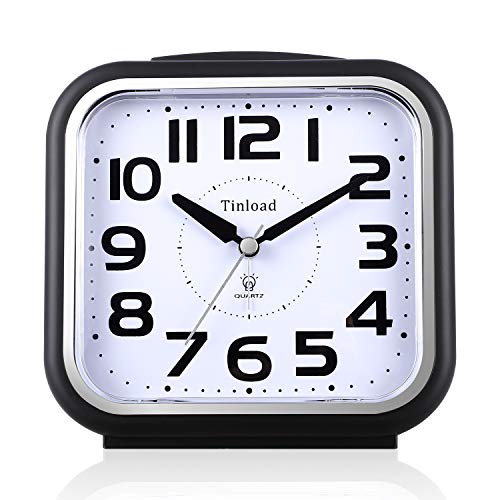
Analog Alarm Clocks
A dial with hands and a bell or beep is the simplest design. Many modern analog models use a silent sweep movement, so there is no ticking at night, and a backlight or glow-in-the-dark dial helps in a dark room. They suit people who like a traditional face and want few settings. The main limit is that setting the alarm hand takes a moment of attention.
Digital Alarm Clocks
A digital display shows the time in large numbers, which makes them popular with seniors and anyone who reads the time without glasses at night. Most have snooze, a dimmer or a short backlight, and several tones. Choose one with a low-battery warning so the alarm never fails overnight.
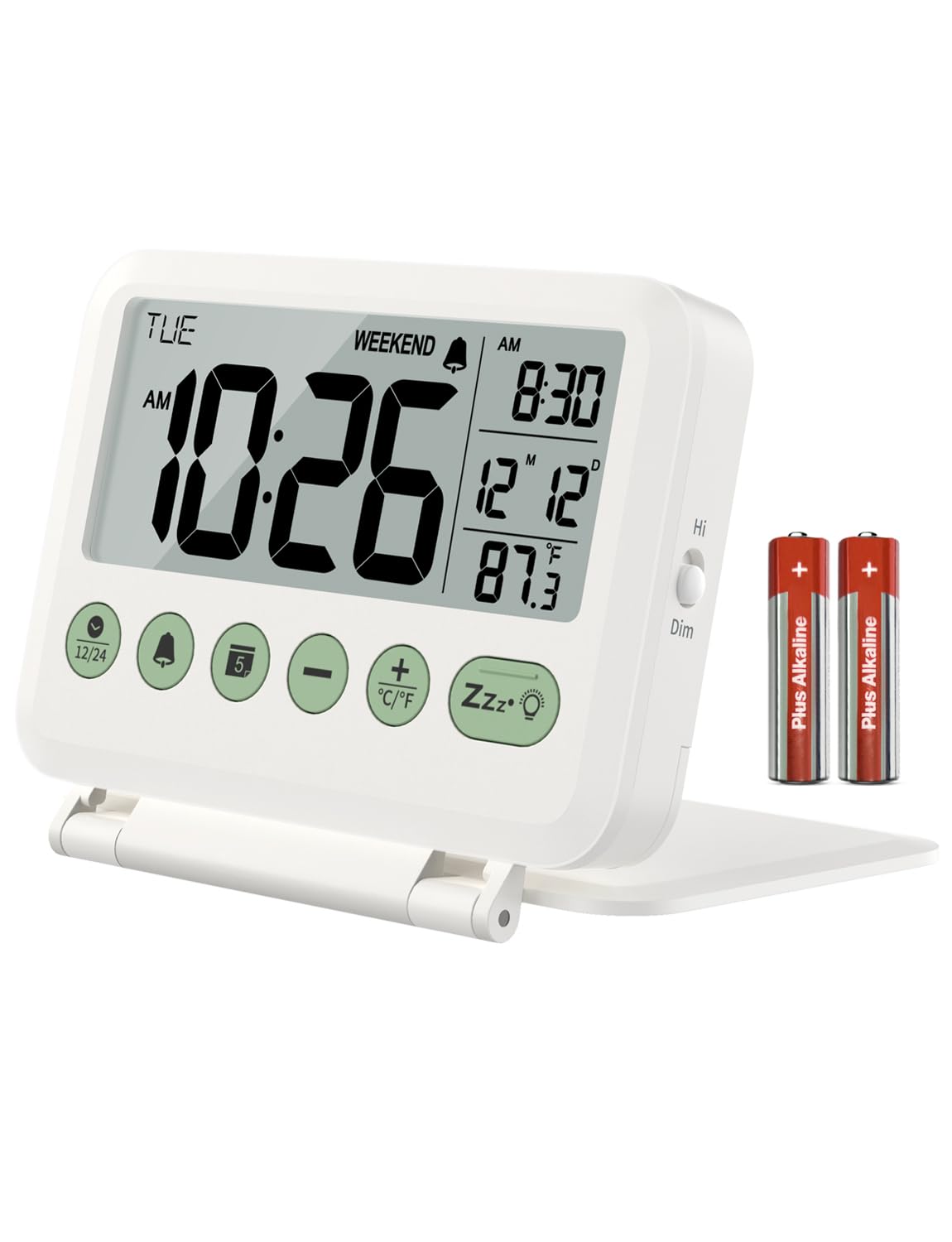
Travel Alarm Clocks
Travel models are small, light and often fold flat or close like a clamshell. They fit a carry-on, use a single AA or AAA cell, and cost little. They are also a handy second alarm for guest rooms and dorm desks. Compact speakers are quieter, so check the volume if you sleep deeply.
Vibrating and Gentle-Wake Models
Some clocks add a vibrating pad that slips under the pillow, or a rising-volume alarm that starts softly. These help heavy sleepers, people with hearing loss and couples who wake at different times. For a light-based wake-up, see our guide to the best sunrise alarm clock.
Key Features to Compare
- Alarm volume: a loud, adjustable alarm matters most for deep sleepers. A rising tone wakes light sleepers more gently.
- Display and light: large digits or a clear dial, plus a dimmer or a button-activated backlight so the room stays dark.
- Snooze and controls: big, separate buttons for snooze, alarm set and time set are far easier at dawn than tiny ones.
- Battery life: most clocks run for several months on one AA or AAA cell. A low-battery indicator avoids surprises.
- Silent movement: look for "non-ticking" or "silent sweep" on analog models if you hear a tick at night.
- Size and stand: make sure it fits the bedside table and sits stable on its feet or fold-out stand.
How to Choose the Right Clock for You
Start with who will use it. Children and older adults usually do best with very large buttons, a big display and an uncomplicated alarm. Heavy sleepers should prioritize volume or a vibrating pad. Light sleepers want a silent movement and a soft rising tone.
Next, think about where it will live. A bedside clock can be larger and bold, while a travel clock should be small, rugged and easy to pack. A wall or shelf spot calls for a clear face from across the room.
Most good models cost about $12 to $35. Pay more only for something you will use daily, such as a vibrating pad, a wood case or a bigger display. Check that the clock takes common batteries and that the battery door is easy to open. You can compare similar styles in our guide to the best alarm clock, or see a model made for younger users in the best children's alarm clocks.
Care and Battery Tips
- Fit a fresh alkaline cell and write the date on the back of the clock. Replace it every six months or at the first dim display.
- Remove the battery if you will store the clock for a long period, since old cells can leak.
- Keep spare batteries in a drawer near the bed, not in a hot place.
- Wipe the case and display with a dry or slightly damp cloth. Avoid spray cleaners near buttons.
- After a battery change, check the time and the alarm setting, and make sure the alarm switch is on.
Common Mistakes to Avoid
- Buying a quiet travel clock for a deep sleeper, then missing the alarm.
- Choosing a bright display that lights up the bedroom all night.
- Forgetting to switch the alarm on after setting the time.
- Ignoring a faint display or slow second hand, which signals a weak battery.
- Picking tiny buttons that are hard to use in the dark.
Battery Operated Alarm Clocks: Questions Answered
How long do batteries last in an alarm clock?
Most analog and basic digital clocks run for six months to a year on a single AA or AAA battery. Models with a backlight, radio or projection feature use more power and may need a new battery sooner.
Are battery operated alarm clocks loud enough for heavy sleepers?
Many are, especially bell-style analog models and digital clocks with a loud setting. If you sleep very deeply, look for adjustable volume, a rising alarm or a vibrating pad, and place the clock across the room so you must get up to switch it off.
Which is better, analog or digital?
It depends on how you read the time. Analog suits a classic look and a silent sweep movement, while digital gives large numbers that are easier to read without glasses. Both can have a backlight and snooze.
Can a battery clock keep time during a power cut?
Yes. A battery clock is not tied to the mains, so the time and alarm continue during an outage. Plug-in clocks with a battery backup also keep the alarm, but the display may turn off to save power.
Do I need a special battery?
No. Almost all use a standard AA, AAA or sometimes C cell. The battery type is printed on the back of the clock or in the listing, so check it before you buy spares.
Final Thoughts
Match the style to your sleep and your room: analog for a quiet classic look, digital for easy reading, travel for trips, and a vibrating or rising alarm for heavy sleepers. With a fresh battery and the alarm switch on, the best battery operated alarm clocks are the ones you can hear and read at dawn. Use the product table to compare current options by style and price.