
Best Area Rugs for Office: Everything to Know Before Your First Purchase for 2026
Disclosure: We may earn a commission when you buy through links on this page, at no extra cost to you. As an Amazon Associate I earn from qualifying purchases. Learn more

Shopping for the best area rugs for office for the first time? Learn the terms, compare options, and avoid rookie mistakes with this easy guide.
Buying your first office rug is simpler than the listings make it look. You need a flat, tough surface that lets your chair roll, quiets the room, and survives daily traffic without curling at the edges.
This guide explains the best area rugs for office basics in plain English, one term at a time, then shows you which specs to choose and which beginner mistakes to skip. When you want to compare sizes and constructions side by side, start with the comparison table below, and keep this page open while you shop.
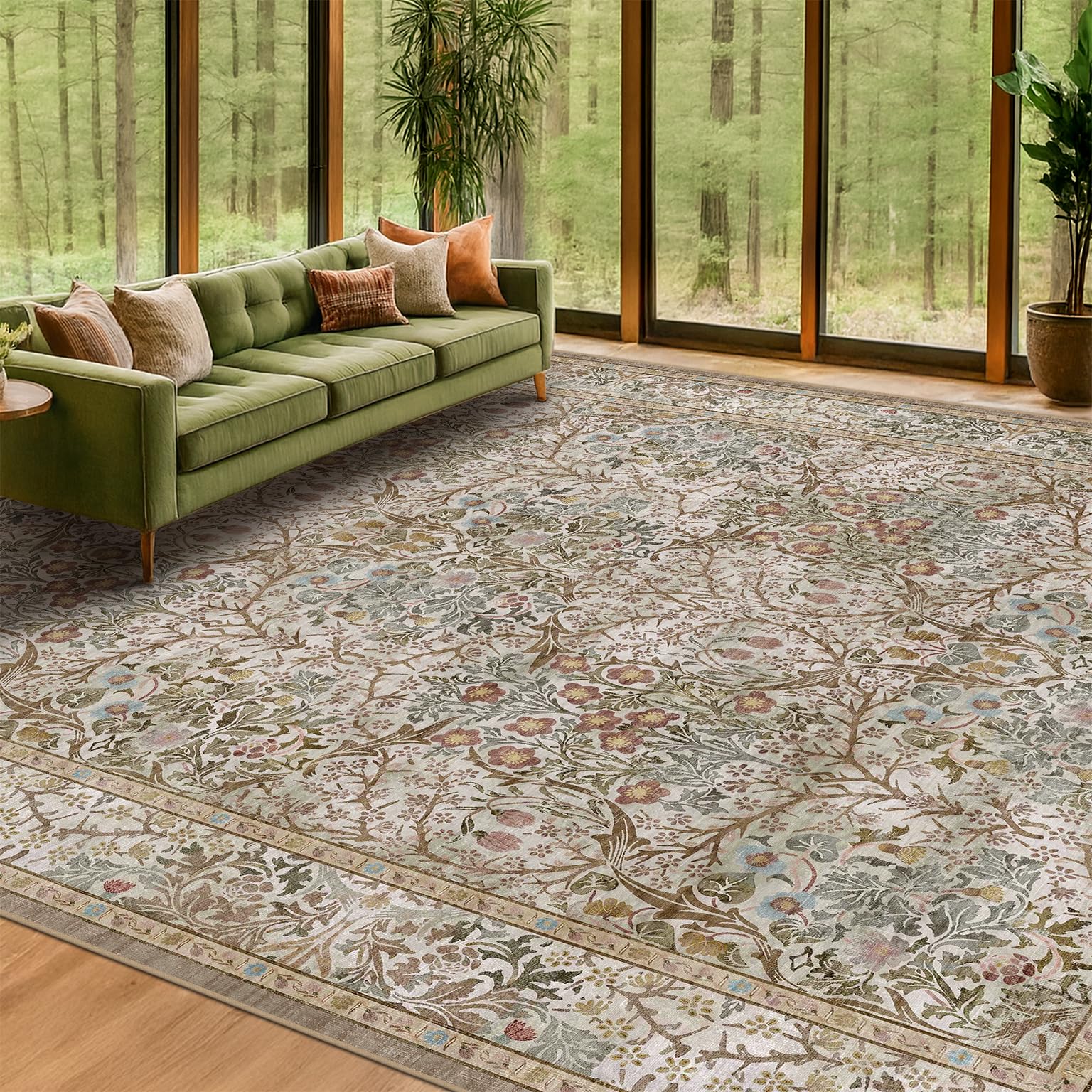

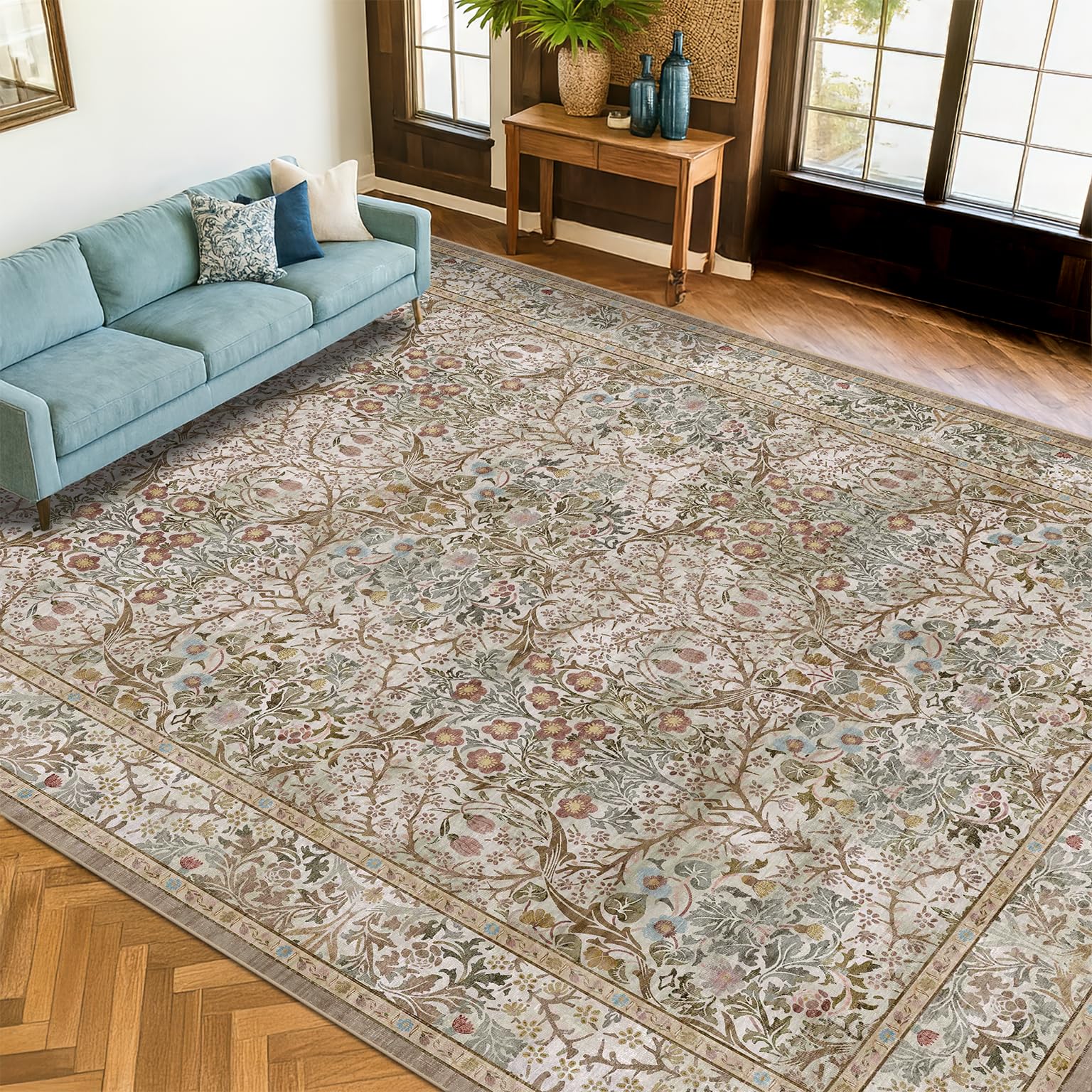


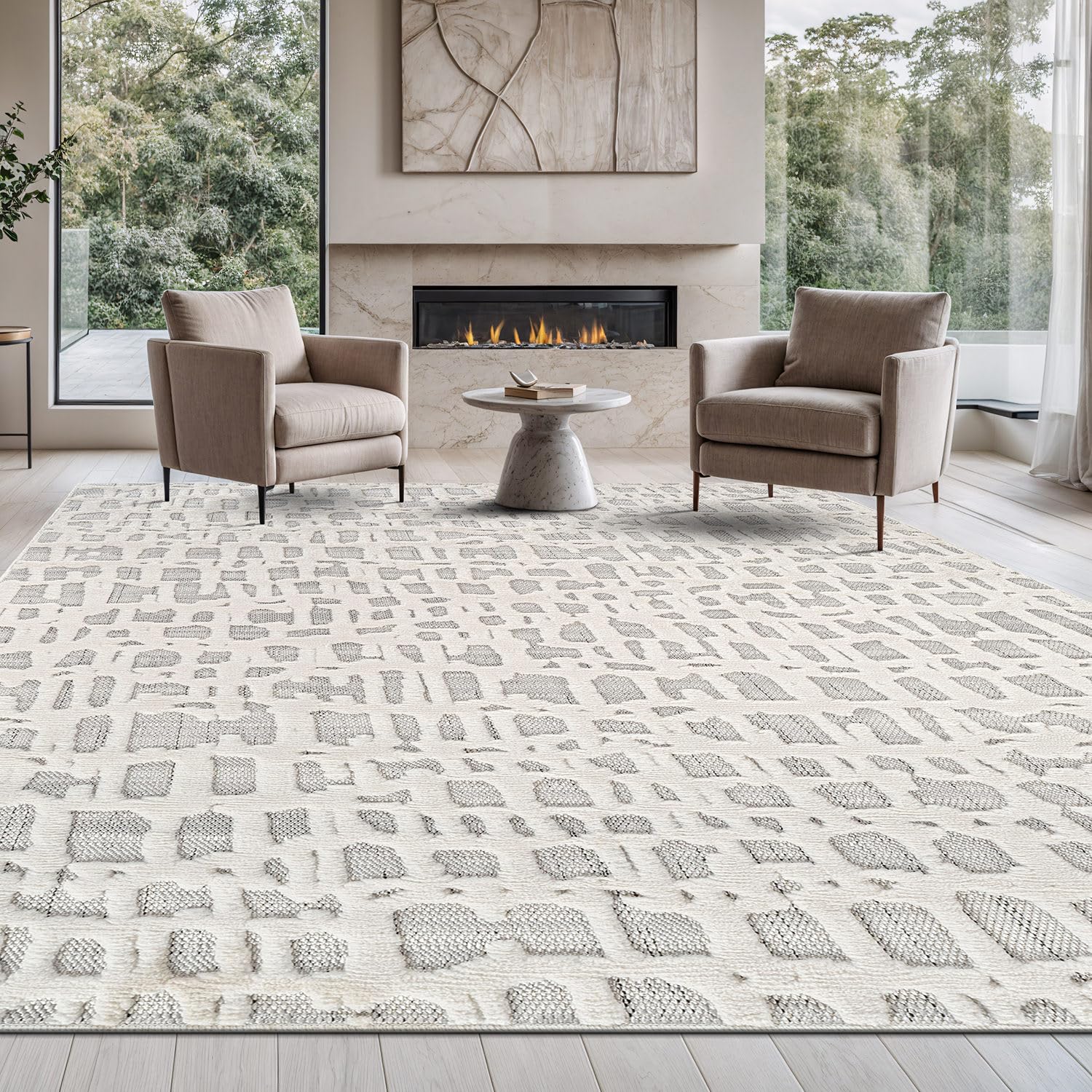




Area Rugs 101: The Basics
An area rug is a finished floor covering that sits on top of your existing floor rather than being installed wall to wall. In an office it does four jobs: it protects the floor from chair wheels, absorbs echo on calls, defines the work zone, and adds comfort underfoot. Rugs are described by size in feet, by pile height (how tall the fibers stand), by material, and by construction, such as woven, tufted, or printed flatweave. Learn those four terms and you can read almost any listing with confidence.
Two more terms will save you confusion. The backing is the underside layer that holds the rug together, and a good one feels firm and even, not crumbly. The pad is a separate layer sold apart from the rug that sits between rug and floor, adding grip, a little cushion, and floor protection. Listings sometimes bundle a thin pad, but most offices do better with a sturdier pad bought to size. Finally, note the difference between a rug and a chair mat: a mat is a hard clear sheet for wheels alone, while a rug covers a wider zone and improves sound and looks at the same time.
Key Specs of the Best Area Rugs for Office Use
Features That Matter for Office
Offices punish rugs in specific ways: rolling chairs grind the same patch all day, heels and hard soles add abrasion, and spilled coffee is a matter of time. That is why office rugs need low, dense pile and strong edges more than softness. A rug that is too thick will fight your chair wheels and make you feel like you are rolling uphill. Also think about sound: a rug plus pad noticeably softens echo on video calls, which is a real quality upgrade for a home office.
Material
Start with synthetic fibers such as polypropylene or nylon if this is your first rug: they resist stains, tolerate chair casters, and cost less while you learn your preferences. Wool is the premium step up, with natural resilience that springs back after wheels pass, though it sheds early and costs more. Cotton flatweaves look relaxed but wrinkle and shift under chairs. Skip jute and sisal at a desk, because their rough loops catch casters and cannot be deep cleaned after a coffee spill.
Durability and Care
Durability in an office rug comes from density and fiber, not thickness. A short, tightly packed pile survives casters far better than a tall, loose one. Check the care label before buying: vacuum friendly and spot cleanable suits most offices, while fully washable rugs suit small spaces where you can lift the rug easily. Rotate the rug every few months so the chair zone wear spreads out. A return window of at least 30 days helps, because you only learn how a rug handles your chair after a real work week.
Chair Rolling and Noise
In an office, wheel roll and noise matter most. Your chair should glide with a gentle push, not sink or snag. Low pile woven rugs and firm pads give the smoothest roll, while thick foam pads and shag pile resist every movement and strain the chair base. For noise, any rug beats bare hardwood: it softens wheel rumble, foot taps, and the echo that makes calls sound hollow. If your office sits above another room, the pad does most of the sound work.
Size and Fit
Measure the desk zone, not just the room. Your rug should extend at least 24 inches behind your desk so the chair stays on the rug through its full roll back, and wide enough that the chair never drops off a side edge mid task. A 5 by 8 foot rug suits a single desk against a wall, while an 8 by 10 foot rug fits a desk with a guest chair or a shared office. Leave a border of visible floor around the rug so the room looks planned rather than carpeted by accident. If you also need a rug for a separate meeting space, our guide to the best office rugs covers larger layouts.
Rookie Mistakes to Avoid
Most first time rug regrets come from the same short list of avoidable errors. Read them before you order, because returning a large rug is a hassle you only want to do once.
- Buying a plush or shag rug for under the desk, then fighting the chair wheels every day.
- Guessing the size and ending up with a rug the chair rolls off at the back.
- Forgetting the pad, so the rug creeps, bunches, and becomes a trip hazard.
- Choosing pale colors for a coffee heavy workspace with no cleaning plan.
- Skipping the return policy check, even though rug color looks different under office lighting.
Getting Started: Setup and First Use
Your first steps are easy. Clear the floor, lay the pad where the desk zone will sit, and trim it about an inch smaller than the rug on each side. Unroll the rug over the pad and let it relax overnight; books on the corners help stubborn edges lie flat. Roll your chair across it the next morning and adjust the position before you place heavy furniture. Vacuum once before the first workday to lift loose surface fibers. Expect a mild new rug smell for a day or two; open a window and it fades. For upkeep basics that apply across rooms, our overview of the best quality area rugs explains which constructions age best.
During the first week, check the rug edges each morning and nudge the rug back into line if the chair has pushed it. This small habit trains the rug to settle and shows you early whether your pad grips well enough. After the first month, a quick weekly vacuum and a prompt blot for any spill are all the routine a good office rug asks for.
Area Rugs: Your Questions Answered
What features matter most in area rugs for office?
Low dense pile, strong edges, and a size that contains your chair full roll matter most. Add a firm gripping pad and a fiber that tolerates spot cleaning, and you have a rug that works quietly for years. Beginners often overvalue softness, but at a desk, smooth rolling and flat lying edges are the features you will notice every single day.
Is a higher pile density always better?
For offices, density is genuinely helpful, because packed fibers resist the grinding of chair casters and keep the surface even. Still, density cannot rescue a weak fiber or a flimsy backing. Read density as one part of a package that includes material, construction, and edge finishing, and remember that a dense low pile rug is the office sweet spot, not a dense tall one.
What pile height is best if I sit and stand at my desk all day?
Choose low pile around a quarter inch over a firm pad. It rolls smoothly, keeps the chair stable when you stand, and still softens the floor for standing desk sessions. If standing aches persist, a separate anti fatigue mat at the standing spot works better than a plush rug, and ongoing pain deserves a conversation with a doctor or ergonomics professional.
Do office rugs really help with echo on calls?
Yes, noticeably. Hard floors bounce your voice around, and a rug with a pad absorbs a good share of that reflection, so you sound clearer and the room feels calmer. The effect grows when the rug covers the area between you and the nearest wall. It will not fix a bad microphone, but it removes the hollow, bathroom like quality many home offices have.
How often should I replace my area rug?
A hard working office rug typically lasts four to eight years. Replace it when the chair path stays visibly flattened after rotation and deep cleaning, when edges curl despite weights and tape, or when the backing cracks. If the rug still looks fine but the chair zone feels gritty, a professional clean may buy another year before you decide.
Our Verdict
For your first purchase, keep it simple: a low pile synthetic or wool rug, sized to contain your chair, over a firm pad. That combination handles wheels, spills, and echo without drama. Compare the best area rugs for office options in the product table above against these basics. If daily cleaning matters most, our guide to the best washable area rugs is worth a look, and for the machine side of upkeep, see our notes on the best vacuum for area rugs before you buy.


