Best Battery Generators For Home 2026: A Practical Buying Guide
Disclosure: We may earn a commission when you buy through links on this page, at no extra cost to you. As an Amazon Associate I earn from qualifying purchases. Learn more
The best battery generators for home run a fridge, lights and Wi-Fi quietly during outages. Learn how to size one and compare current options.
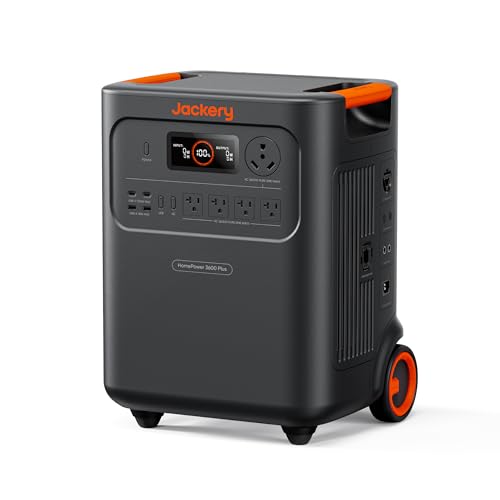
A battery generator for home, usually called a portable power station, stores electricity in a lithium battery and runs lights, a fridge, Wi-Fi and phones during an outage with no fuel, fumes or noise. The best battery generators for home have enough watt-hours to run your essentials for hours and enough output watts to start them.
The product table compares current power stations by capacity and output. This guide explains how to size one, what to look for and how to use it safely.
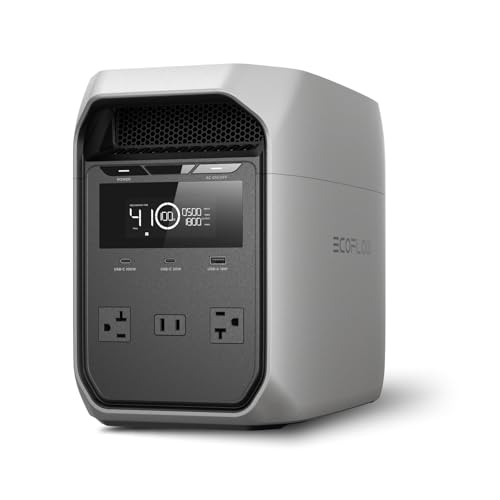
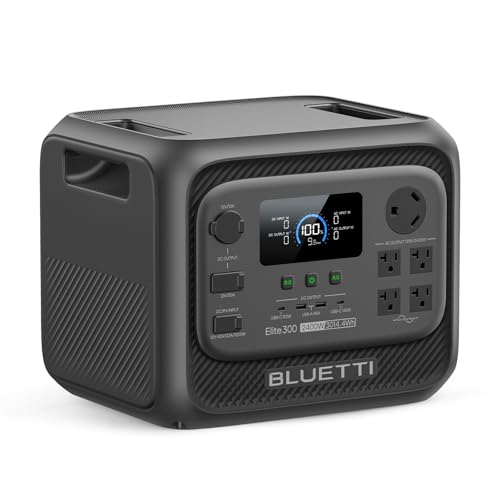
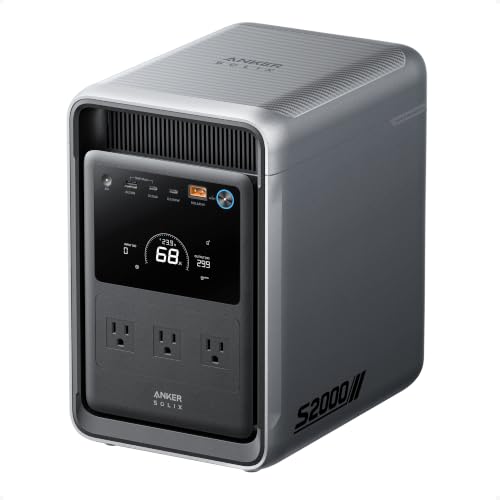

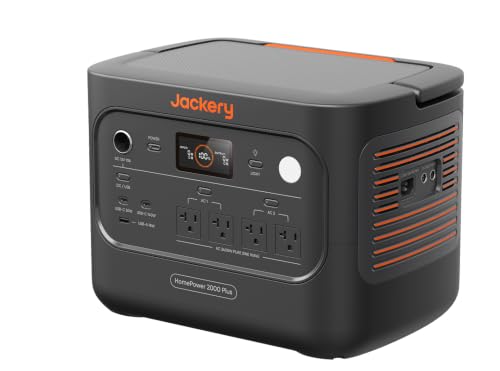
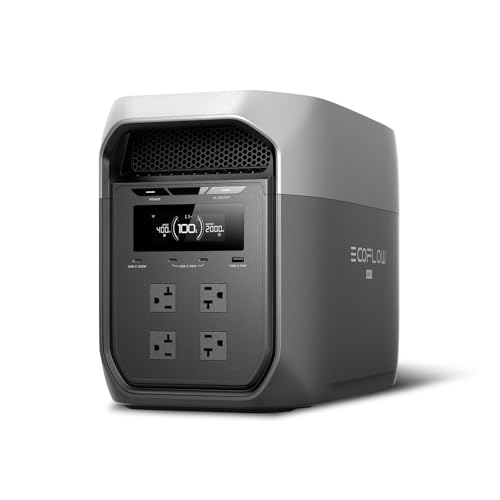
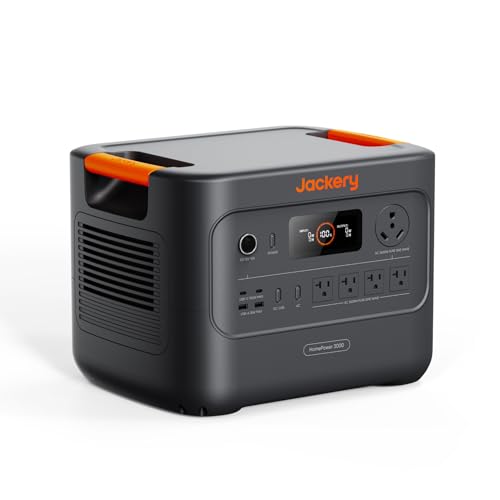
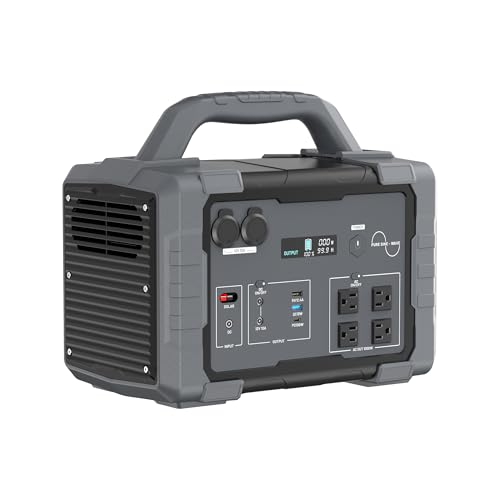
Types of Battery Generators for Home
Small Stations (200 to 600 Wh)
These charge phones and laptops, run LED lights and power a CPAP for a night or a router for hours. They are light enough to carry and cost the least. They cannot run a full-size fridge for long.
Mid-Size Stations (1,000 to 2,000 Wh)
This size runs a fridge, lights, a TV and chargers for several hours, and it handles a space heater only briefly. Many have 1,500 to 2,400 watts of AC output and fast wall charging.
Large Whole-Home Backup Stations (3,000 Wh and Up)
Large units support well pumps, a freezer, a furnace blower and more. They are heavy, often expandable with extra batteries and sometimes connect to the home panel through a transfer switch installed by an electrician. They cost the most.
Expandable and Solar-Ready Stations
Many mid and large models accept extra battery packs and solar panels, so you can extend runtime and recharge during a long outage. Check the maximum solar input and the connector type.
Key Features to Compare
- Capacity in watt-hours (Wh): this decides how long the station runs your devices.
- AC output watts: the unit must exceed the combined running watts of what you plug in. Check the surge rating for motors.
- Battery chemistry: LiFePO4 (LFP) batteries last for thousands of cycles and are safer under heat.
- Charging speed: fast wall charging and solar input matter in storms and long outages.
- Outlets and ports: look for enough AC outlets, USB-C power delivery and a 12-volt port.
- Expandability: extra batteries and panels extend runtime.
- Weight and wheels: a 60-pound unit needs a handle or wheels.
- App and display: a clear screen showing watts in and out helps manage loads.
How to Size a Battery Generator for Your Home
List what you want to run, note each device's watts and estimate hours of use. A fridge might average 100 to 200 watts over a day, a router 10 to 20 watts and LED lights 30 to 60 watts. Multiply watts by hours, add them up and add a 20 percent margin for conversion losses. That gives the watt-hours you need.
Then add up the highest watts that run at the same time, including startup surges from motors, and pick a unit whose output exceeds it. Many families choose a 1,000 to 2,000 Wh station for essentials, and a 3,000 Wh unit or larger for longer outages. Prices usually run about $300 to $2,000 and up.
Safety Notes for Home Backup Power
- Never plug a power station into a wall outlet to backfeed your home wiring. That can endanger utility workers. Use a proper transfer switch installed by a licensed electrician.
- Do not overload the unit. Stay below the rated watts.
- Keep it in a dry, ventilated place away from flammable materials, and do not cover vents.
- Stop using a unit that swells, smells strongly or feels very hot, and contact the maker.
- Follow the maker's instructions for medical devices. Do not rely on any battery as the only power for essential medical equipment, and ask your doctor about a backup plan.
Care and Storage
- Keep the unit charged to the level the maker recommends, and top it up every few months.
- Store it at room temperature, away from freezing cold and heat.
- Run a short test with real devices before storm season.
- Check cables, ports and vents for damage.
Common Mistakes to Avoid
- Choosing by watt-hours alone and ignoring the output watts of motor loads.
- Forgetting that a fridge compressor draws a surge when it starts.
- Expecting to run an electric furnace, dryer or air conditioner from a small station.
- Leaving the battery empty in storage, which shortens its life.
- Plugging into a house outlet instead of using a transfer switch.
Battery Generators for Home: Questions Answered
How long will a battery generator run my fridge?
A modern fridge averages about 100 to 200 watts, so a 1,000 Wh station can run one for roughly 5 to 8 hours, depending on efficiency. A larger battery or solar panels can extend that.
Is a battery generator better than a gas generator?
It is quieter, safe to use indoors and needs no fuel. A gas unit can run for days and handle heavy loads, but it must run outdoors and you need fuel. Many homes use a battery station for essentials.
Can I charge it with solar panels?
Yes. Most stations take a solar input, and panels recharge them during a long outage. Match the panel's voltage and connector to the station's limits.
What size do I need for a few essentials?
For lights, phones, Wi-Fi and a fridge, about 1,000 to 2,000 Wh with at least 1,500 watts of output is a common choice.
How long do these batteries last?
LiFePO4 stations are often rated for 3,000 or more full cycles, which is many years of regular use. Older lithium-ion types last fewer cycles.
Example Runtimes for Common Home Loads
To get a feel for sizing, here are typical figures. A modern refrigerator averages about 100 to 200 watts over a day, a Wi-Fi router and modem use about 20 watts, a laptop uses 30 to 60 watts, LED lamps use 5 to 10 watts each, and a television uses 50 to 150 watts. A 1,000 Wh station with 80 percent usable capacity could run a router, a laptop and several lights for around ten hours, or a fridge by itself for about five to six hours.
Heating and cooling loads are much larger. A space heater can draw 1,500 watts and drain a 1,000 Wh unit in under an hour, and a window air conditioner often needs 500 to 1,200 watts. Plan your essentials around low-wattage items, and treat large appliances as bonus loads for the biggest stations.
Charging Options During an Outage
Most stations can recharge from a wall outlet, a car's 12-volt socket and solar panels. Wall charging is fastest, often reaching 80 percent in one to two hours on larger models. Solar panels are slower but they work during long outages, and 200 to 400 watts of panels can add several hundred watt-hours on a sunny day. Keep the station fully charged before storm season and keep the panels and cables in one bag so they are ready.
Final Thoughts
Size the station by the devices you must keep running, check that the output covers motor startup, and prefer LiFePO4 chemistry and solar input for long outages. The best battery generators for home are the ones that match your essentials with a margin to spare. Use the product table to compare capacity, output and price. For gas-powered units, see our guide to the best home generators.