Best Battery Garden Sprayers 2026 For Everyday Use
Disclosure: We may earn a commission when you buy through links on this page, at no extra cost to you. As an Amazon Associate I earn from qualifying purchases. Learn more

The best battery garden sprayers deliver steady pressure with no hand pumping. Compare tank size, runtime, nozzles and care tips.
Choosing the best battery garden sprayers means trading hand pumping for steady, push button pressure across your whole garden. A good battery sprayer holds pressure evenly, covers plants without constant pumping, and runs long enough to finish the job on one charge. A poor one fades halfway through, leaks at the seals, or feels too heavy once the tank is full.
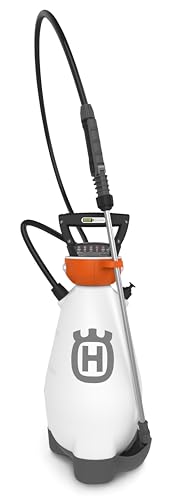
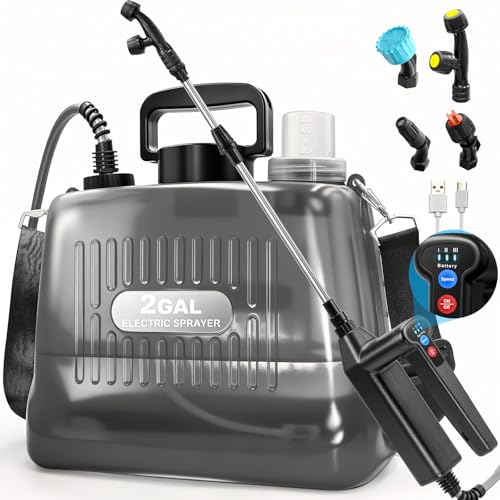
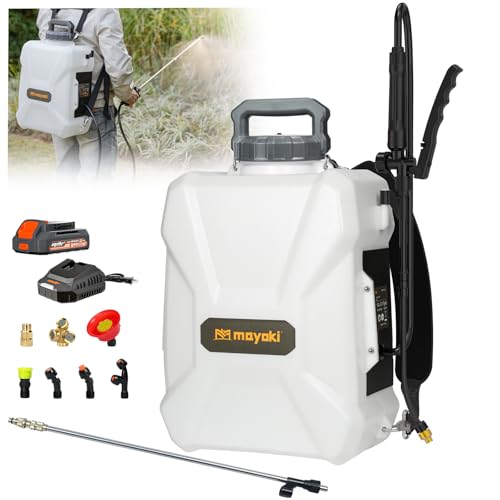
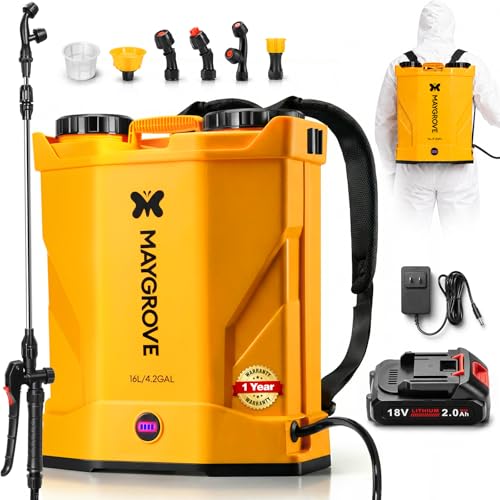
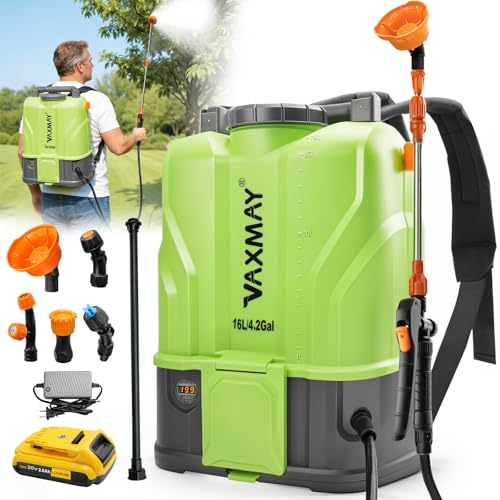
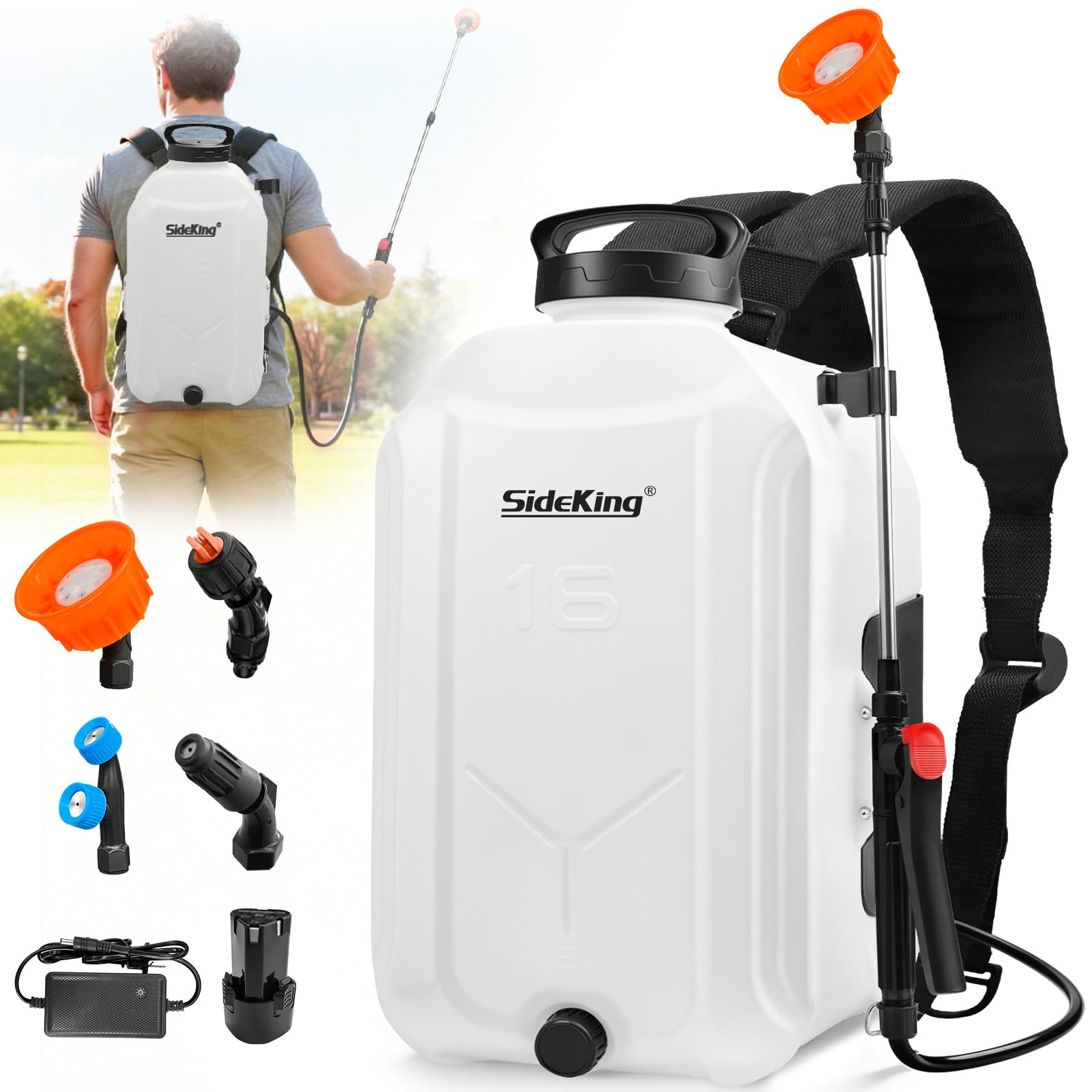
The product table shows the main battery sprayer styles side by side, so you can compare tank size, pressure, and battery runtime before you read the details. Use it to shortlist sprayers that match your garden size, then check the comfort and care factors in this guide.



Who Should Buy A Battery Garden Sprayer
Gardeners with large beds, orchards, or long hedges benefit most, because hand pumping over a big area is tiring and gives uneven coverage. People with wrist, shoulder, or back strain also benefit, since a battery pump removes the repetitive pumping motion entirely. Allotment holders and smallholders who spray regularly will notice the time saved on every single session.
Small balcony gardeners may not need a large battery sprayer, and a small handheld model may suit them better. If you spray only a few pots a week, a manual sprayer is cheaper and simpler. Match the tank and battery to the area you actually cover, not the biggest garden you might one day own.
Tank Size, Pressure, And Coverage
Tank size decides how often you stop to refill. Small tanks around one to two gallons suit patios and small beds, while larger tanks around four to five gallons suit big gardens and orchards. Remember that a full tank is heavy, so a larger tank only helps if you can carry or wheel it comfortably when full. Backpack designs spread weight better than handheld tanks for larger jobs.
Pressure controls droplet size and reach. Adjustable pressure lets you use a fine mist for delicate seedlings and a stronger stream for tall shrubs and trees. Steady battery pressure gives more even coverage than a hand pump, which fades between pumps. Check the nozzle set too, since different nozzles suit fan spraying, spot treatment, and long reach work.
Battery Runtime, Charging, And Power
Battery runtime is usually quoted in tanks per charge or minutes of spraying, and both figures depend on pressure setting. High pressure drains the battery faster, so a sprayer that lasts an hour on low pressure may last far less on high. If your garden needs a full tank at high pressure, look for a sprayer with a removable battery so you can swap in a spare.
Charging time matters when you spray often. A sprayer that charges in a couple of hours is ready for the next session the same day, while a slow charger may leave you waiting until tomorrow. Check whether the battery matches other garden tools you own, since a shared battery system can save money and reduce spare battery clutter.
Comfort, Weight, And Build Quality
Comfort decides whether you finish the job without strain. Padded shoulder straps, a waist belt, and a balanced tank shape all reduce fatigue on longer sessions. A lance that adjusts in length helps you reach tall plants without stretching, and a comfortable trigger grip matters when you spray for more than a few minutes at a time.
Build quality shows in the seals, hose, and pump. Thick hoses resist kinking, quality seals resist chemical wear, and a sturdy pump housing survives knocks in the shed. Check spare parts availability before you buy, since seals and nozzles wear out and a sprayer without spares becomes disposable far too soon.
Safe Use, Cleaning, And Storage
Safe use starts with reading the chemical label and wearing gloves, eye protection, and long sleeves when spraying anything beyond plain water. Never spray on windy days, since drift carries spray onto plants and people you did not intend to treat. Keep children and pets away until sprayed areas have dried fully, and follow the product label for reentry times.
Cleaning after each use protects both the sprayer and your plants. Rinse the tank, hose, and nozzle with clean water, and run clean water through the pump to clear residue. Store the sprayer empty, dry, and out of frost, since frozen water can crack tanks and seals. A few minutes of cleaning after each session prevents most clogs and leaks.
Living With A Battery Sprayer
A seasonal spraying schedule makes a battery sprayer far more useful. Plan treatments around plant growth stages, pest cycles, and weather forecasts, so each session covers the right plants at the right time. Keep a simple log of what you sprayed and when, since this prevents double treatment and helps you judge what worked over the season.
Routine checks between sessions keep the sprayer ready. Inspect the hose for kinks, check nozzle spray patterns on plain water, and confirm the battery holds charge before a big job. A five minute check before spraying day avoids the frustration of discovering a clogged nozzle or flat battery with a full tank waiting.
Sprayer Care Through The Seasons
Seasonal care extends sprayer life well beyond a single year. In spring, flush the system and check seals after winter storage, since seals can stiffen in cold. In summer, rinse after every use, since heat bakes chemical residue into nozzles faster. In autumn, run a final clean before storage, so residue does not harden over winter.
Spare parts deserve a small storage box of their own. Keep extra nozzles, seals, and filters together with the sprayer manual, so a worn part never delays a time sensitive treatment. Ordering spares before you need them is cheaper and calmer than rushing an order when plants need attention urgently.
Nozzle Choice And Spray Patterns
Nozzle choice changes results more than many gardeners expect. A fan nozzle covers broad beds evenly, a cone nozzle suits targeted treatment of individual plants, and an adjustable nozzle lets you switch patterns without changing parts. Keep at least two nozzle types with the sprayer, since different jobs suit different patterns and swapping nozzles takes seconds.
Spray pattern also affects chemical use and drift. A coarse pattern reduces drift on breezy days but covers less evenly, while a fine pattern covers leaves thoroughly but drifts more easily. Choose the coarsest pattern that still gives good coverage for the job, and spray in calm conditions whenever possible. Checking patterns on plain water first shows coverage clearly without wasting product.
Related Buying Guides
For a wider battery sprayer comparison, read our guide to best battery sprayers.
To compare battery powered models generally, see our guide to best battery powered sprayers.
For backpack styles that spread weight, read our guide to best battery backpack sprayers.
If a hose fed option suits your garden better, see our guide to best garden hose sprayers.
For small gardens and spot work, read our guide to best handheld garden sprayers.
Frequently Asked Questions
How long does a battery garden sprayer run on one charge?
Most battery sprayers run thirty minutes to two hours depending on pressure setting and tank size. Low pressure misting lasts longest, while high pressure spraying drains the battery fastest. A removable battery lets you swap in a spare and keep working without waiting for a recharge, though high pressure work shortens that time noticeably.
What tank size do I need for my garden?
Small patios and beds suit one to two gallon tanks, while large gardens and orchards need four to five gallons to avoid constant refills. Balance tank size against weight, since a full large tank is heavy to carry. Backpack designs help by spreading the weight across both shoulders, since a full tank is heavier than most people expect.
Can I use a battery sprayer for weed killer and fertilizer?
Yes, most battery sprayers handle water based weed killers, fertilizers, and pest treatments, but always check the manual for chemical compatibility. Rinse thoroughly between different products to avoid unwanted mixing. Never use the same sprayer for weed killer and delicate plants without a full clean first, and a thorough rinse between products prevents costly mistakes.
How do I stop a sprayer nozzle from clogging?
Use clean water, strain mixed solutions if needed, and rinse the nozzle and filter after every use. Most clogs come from dried residue left in the nozzle between sessions. A quick clean water flush through the whole system after spraying prevents the majority of blockages, since dried residue causes most blockages.
How should I store a battery sprayer over winter?
Empty the tank fully, rinse the system with clean water, and store it dry in a frost free place. Remove the battery and store it separately at moderate temperature, following the battery maker guidance. Frost can crack tanks and seals, so winter storage matters even if the sprayer looks sturdy, because frost damage is a common and avoidable winter problem.
Final Thoughts
The product table gives a quick comparison, but tank size, pressure control, and battery runtime should decide your choice. Pick a sprayer that covers your garden on one charge, feels comfortable when full, and offers the nozzles you actually need.
Clean it after every use and store it dry, and it will serve you for many seasons. Choosing the best battery garden sprayers is about steady pressure and less effort, so your garden gets even coverage without the pumping workout.