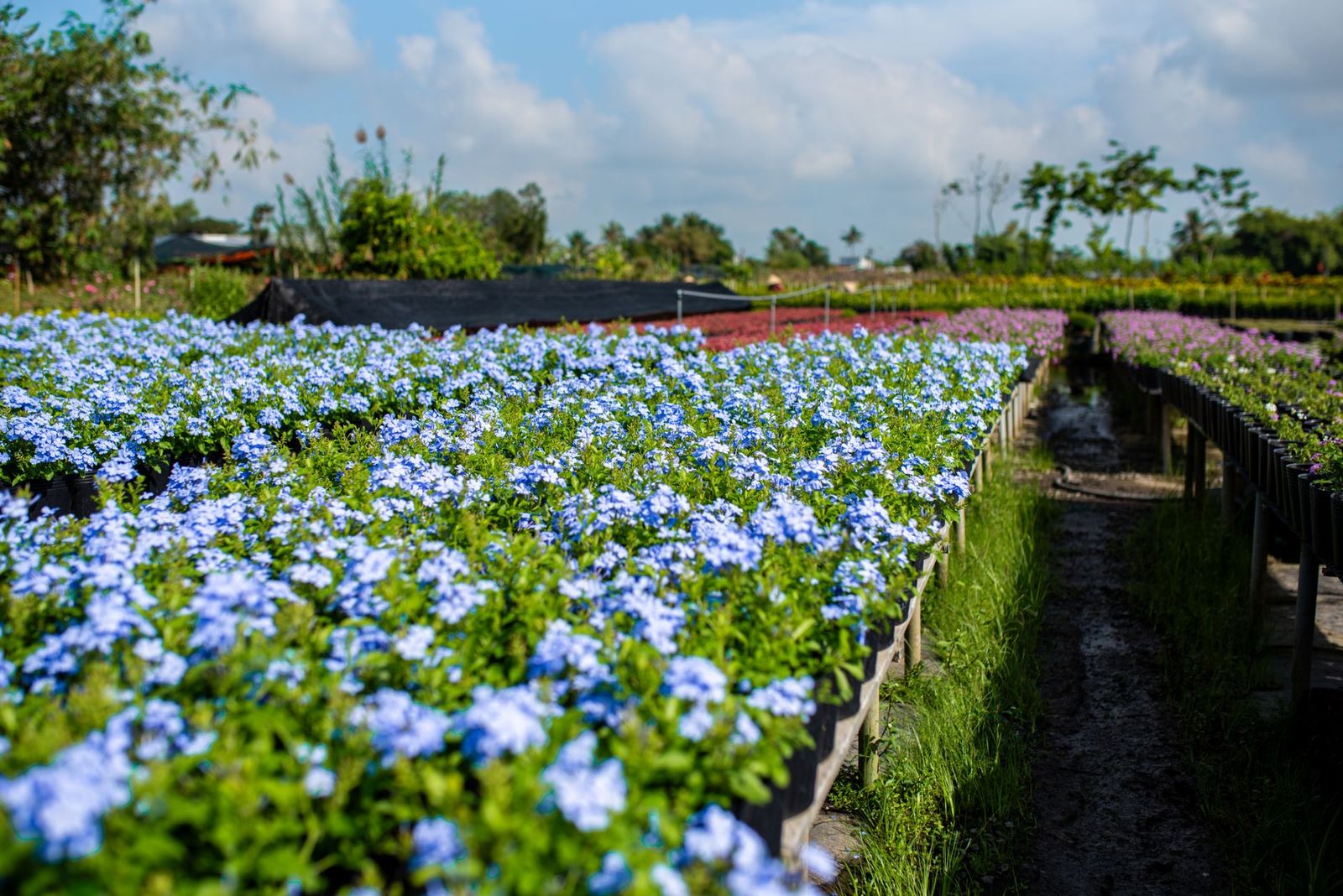
Best Battery Powered Sprayers 2026: Handheld and Garden Guide
Disclosure: We may earn a commission when you buy through links on this page, at no extra cost to you. As an Amazon Associate I earn from qualifying purchases. Learn more

Best battery powered sprayers: compare tank size, pressure and run time for your yard and your jobs.
A battery powered sprayer takes the pumping out of garden care. Instead of squeezing a handle hundreds of times, you press a trigger, and a small electric pump keeps the pressure steady. The best battery powered sprayers cover the jobs you actually do, whether that means misting seedlings, spraying weeds along a driveway or applying fertilizer across a lawn, without leaving you with sore hands.
The product table above lists handheld, shoulder strap and backpack style sprayers in different tank sizes. Use the sections below to choose a size, understand the specs and keep your sprayer working for years. Use these checks whenever you compare the best battery powered sprayers options in the table.


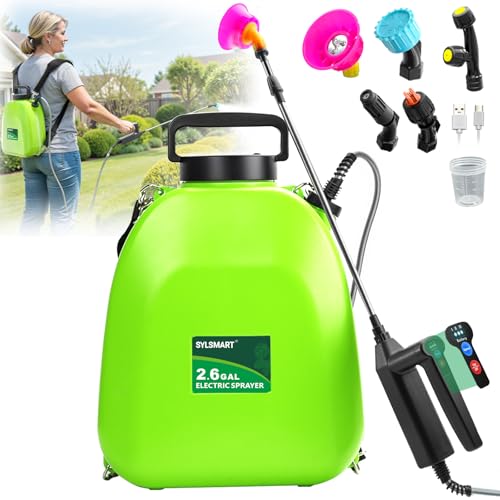

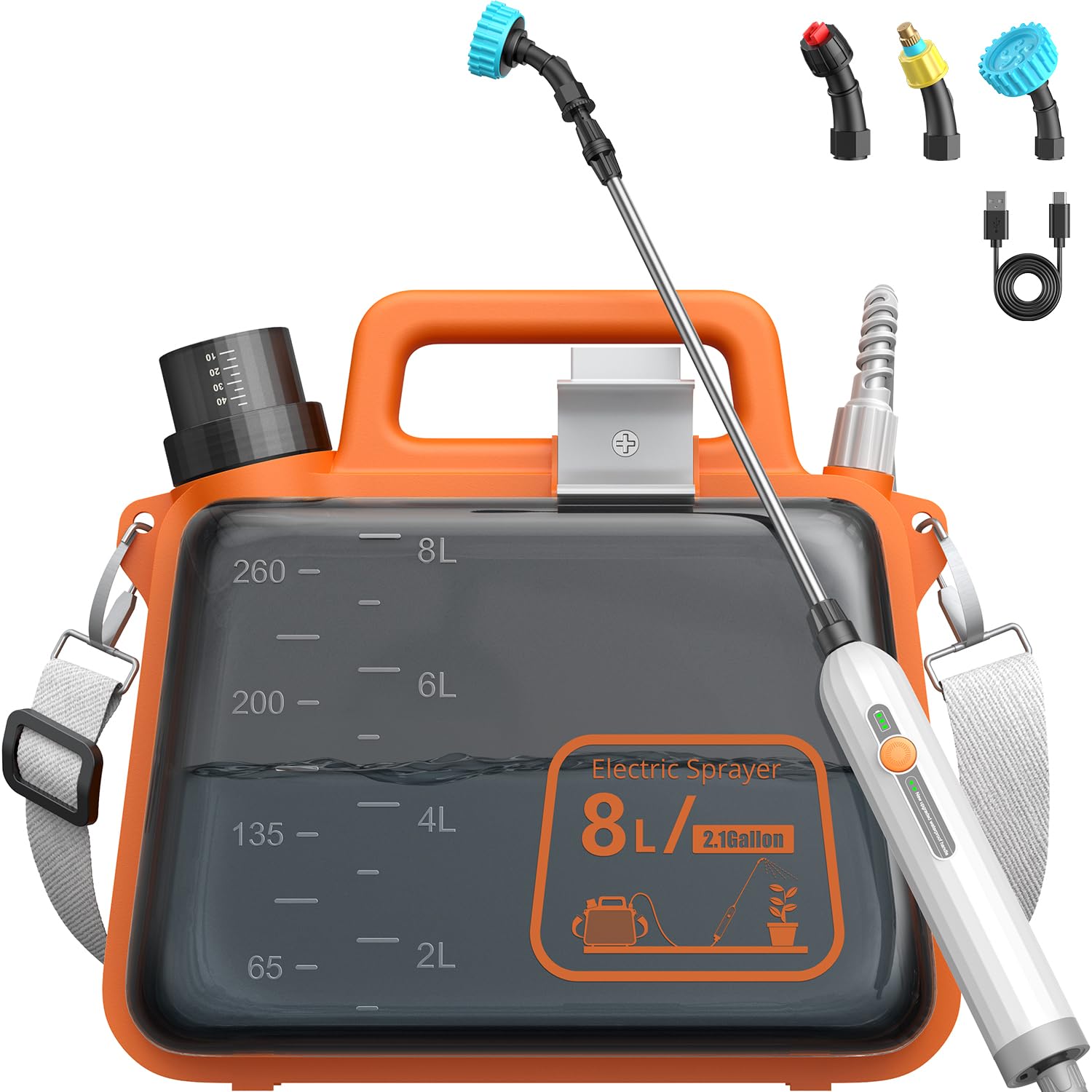

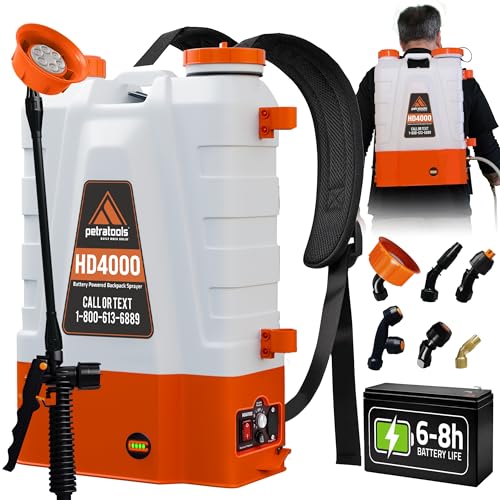
What You Can Use a Battery Sprayer For
- Applying herbicides, insecticides and fungicides as the label allows.
- Feeding plants with liquid fertilizer.
- Misting indoor plants, greenhouse seedlings and vegetable beds.
- Spraying cleaning solutions on decks, fences, patios and outdoor furniture.
- Applying wood stain, sealer or water repellent in thin coats.
Always read the product label, wear the protective clothing it requires and keep a separate sprayer for weed killer so residue never reaches plants you want to protect.
Types of Battery Powered Sprayers
Handheld sprayers (1 to 2 gallons)
A handheld unit with a built in battery and a shoulder strap is the right size for most small gardens, patios and indoor plants. It is light and easy to store.
Backpack sprayers (3 to 5 gallons)
Backpack styles carry the weight on your back and keep your hands free. They suit larger yards, orchards and long jobs. Read our guide to the best battery powered backpack sprayers for a closer look at this type.
Wheeled and cart sprayers
Larger tanks of five to ten gallons ride on wheels, which helps on flat ground and large lawns. They are bulky and less suited to tight garden beds.
Key Features to Compare
Tank size
Bigger tanks mean fewer refills, but a full tank is heavy. A gallon of liquid weighs more than eight pounds. Match the tank size to the area you spray and to what you can carry comfortably.
Pressure settings
Adjustable pressure lets you apply a fine mist to delicate plants and a stronger stream to reach tall shrubs. Look for a pressure control that is easy to turn while you spray.
Battery and run time
Built in lithium batteries usually last two to six hours per charge. A removable battery makes it easier to continue working with a spare. USB C charging is convenient.
Nozzles and wands
Multiple nozzles let you switch between mist, fan and stream patterns. A telescoping wand helps you reach into beds and tall trees without bending.
Filter and seals
A filter at the fill opening and the pump stops debris from clogging the nozzle. Quality seals prevent leaks, which are one of the most common complaints about lower cost sprayers.
Using Your Sprayer Safely and Effectively
Mix only what you need, because leftover chemical solutions are hard to store and dispose of. Follow label directions for dilution, protective equipment and re-entry times. Spray on a calm day to reduce drift, ideally in the early morning or evening when temperatures are mild. Keep the nozzle at the height the label recommends and overlap each pass slightly for even coverage. Keep pets and children away from treated areas until the label says it is safe.
Cleaning and Storage
Rinse the tank and pump with clean water after each use. Spray clean water through the hose and nozzle to flush out residue. Let the tank dry with the lid open. Remove and clean the nozzle filter whenever you notice a weak or uneven spray. Store the sprayer in a cool, dry spot away from direct sun and freezing temperatures. Recharge the battery every few months during the off season.
Budget and Value
Small handheld battery sprayers cost about $25 to $60. Mid range backpack models with a bigger battery and better pumps cost $100 to $250. Professional units cost more and are built for daily use. For the average home garden, a mid sized unit with a reliable pump gives the best value, while very cheap models can leak or lose pressure within a season.
Common Mistakes to Avoid
- Using a weed killer sprayer on edible plants without washing it thoroughly.
- Filling the tank too full, which makes it hard to carry and can cause leaks.
- Leaving chemicals in the tank between uses.
- Spraying in wind or in the heat of the day.
- Skipping the pressure adjustment and damaging tender leaves.
Frequently Asked Questions
How long does a charge last?
Typically two to six hours of spraying, depending on pressure and tank size.
Can I spray oils or thick liquids?
Thin solutions work best. Thick or oil based products may clog the nozzle. Check the manual.
How big a tank do I need?
One or two gallons for small gardens, three to five gallons for larger yards.
Are battery sprayers better than manual ones?
They are easier on your hands and give steadier pressure. Manual models are cheaper and simpler.
A Seasonal Spraying Calendar
In early spring, a light fertilizer spray gives lawns and beds a start, and a pre-emergent product helps control weeds before they sprout when the label allows it. Summer jobs include spot treating weeds, applying insect controls to vulnerable plants and misting heat stressed containers. In autumn, many gardeners apply a final feed to the lawn and treat perennial weeds that are storing energy for winter. In winter, a sprayer is useful for dormant oil on fruit trees where the label supports it and for cleaning outdoor furniture before storage.
Use a different clearly labeled sprayer for each product type if you can. Colored tape or a permanent marker on the tank prevents mix ups, and it avoids accidentally spraying a lawn with a herbicide residue.
Troubleshooting a Weak Spray
If the spray weakens, check the battery charge first. Next, look at the nozzle filter and the screen at the tank outlet, since debris is the most common cause. Make sure the lid vent is clear, and that the hose has no kinks. If the pump runs but no liquid flows, the pump may need priming: squeeze the trigger with the tank at least half full and let the pump draw liquid. If problems persist, check the warranty, because a good manufacturer replaces faulty pumps.
Final Thoughts
Pick a tank size that you can carry comfortably, check the pressure range and battery life, and commit to a simple cleaning routine. The best battery powered sprayers make garden care quicker and more consistent. Compare the options in the product table to find the one that fits your yard.