Best Battery Backpack Sprayers at Every Price: A Practical Buying Guide for 2026
Disclosure: We may earn a commission when you buy through links on this page, at no extra cost to you. As an Amazon Associate I earn from qualifying purchases. Learn more

The best battery backpack sprayers pair a comfortable harness with steady pressure. Compare tank size, runtime and nozzle sets before you buy.
A good set of best battery backpack sprayers can turn a long spraying job into steady, comfortable work, because you carry the tank on your back and control pressure with a wand instead of pumping by hand. The right sprayer depends on tank size, spray pressure, battery life, and how well the straps fit your body.
This guide explains those factors in plain language, so you can match a sprayer to garden beds, lawns, fences, or larger plots without paying for capacity you will never use. A sprayer that is too heavy or too weak will slow you down, while a balanced model with a good nozzle set will cover ground evenly.


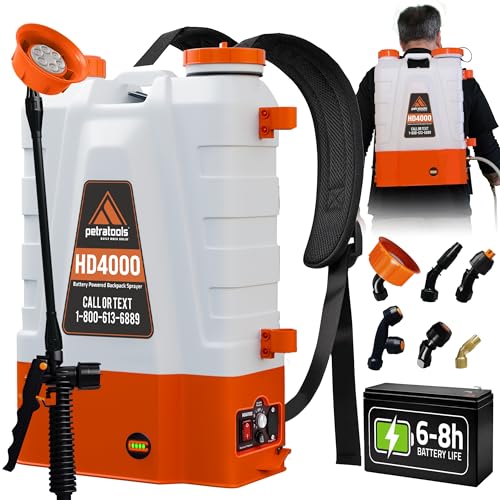

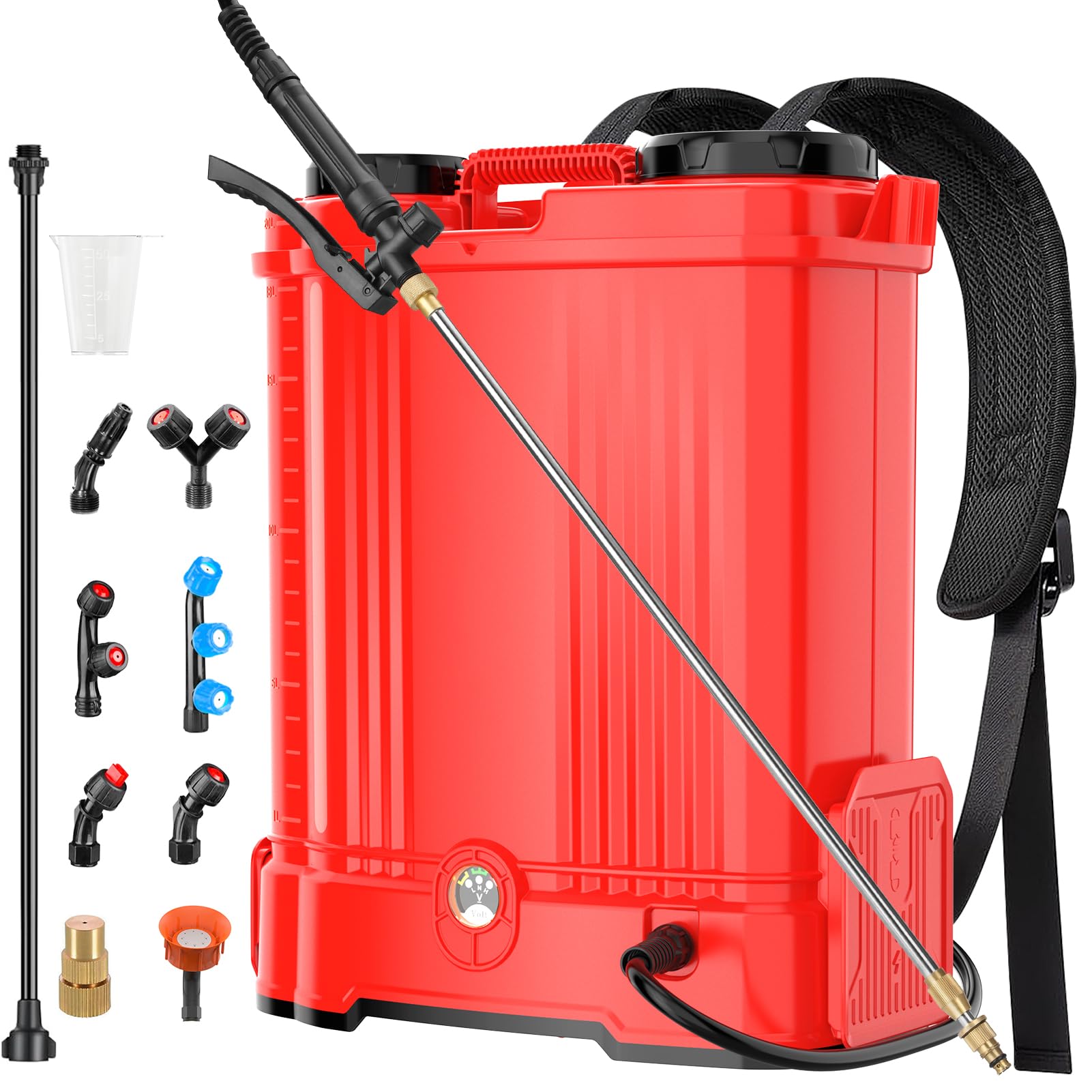


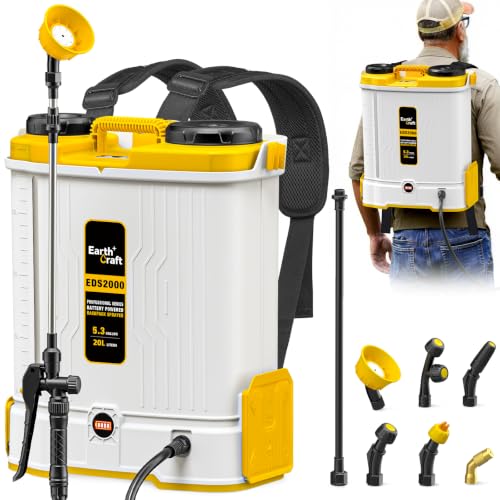
The product table gives a quick overview of the main choices.
Who Should Buy Battery Backpack Sprayers
Battery backpack sprayers suit gardeners and smallholders who spray regularly over a medium or large area, from weed control on paths to feeding and pest control on garden beds. They also suit people who want steady pressure without the stop start effort of a manual pump sprayer.
A backpack sprayer is a weaker fit for a tiny balcony garden or a single small bed, where a small hand sprayer is lighter and easier to store. It is also a poor fit if you cannot comfortably carry a full tank, so check filled weight against your own strength before you order.
Types Compared
Small tank sprayers
Small tank sprayers, around 10 to 12 litres, are lighter and easier to carry on slopes and in tight garden beds. They suit regular spraying on a home garden where refilling is easy and jobs are short.
A small tank means more refills on a large plot, which can break your rhythm. If you spray a large lawn or orchard in one session, a larger tank will save time even though it weighs more when full.
Large tank sprayers
Large tank sprayers, around 15 to 20 litres, cover more ground per fill and suit lawns, hedges, and small fields. They reduce refill stops and help you keep a steady pace across a wide area.
A full large tank is heavy, so padded straps, a waist belt, and a balanced tank shape matter more than extra features. Try the fit with weight in it if you can, and take breaks rather than pushing through shoulder strain.
Adjustable pressure sprayers
Adjustable pressure sprayers let you switch between a fine mist for delicate leaves and a stronger stream for paths and fences. This flexibility helps when one job mixes garden beds, lawn edges, and hard surfaces.
More settings also mean more parts to learn and maintain, so check that pressure controls are easy to reach while wearing the pack. A simple, clearly marked control beats a complex panel that you cannot adjust with gloves on.
Key Features to Check
Battery life and charging
Battery life should match your longest spraying session, not just an average job. Check run time at working pressure, because high pressure drains a battery faster than a gentle mist. A removable battery is useful, because a spare battery lets you keep working while the first one charges.
Nozzles and spray patterns
A useful nozzle set includes a fan nozzle for even coverage, a cone nozzle for targeted spraying, and an adjustable nozzle for switching between jobs. Brass nozzles tend to last longer than cheap plastic ones, and a filter in the tank helps stop blockages. Keep spare seals and nozzles for the season.
Comfort and fit
Padded shoulder straps, a waist belt, and a back panel that allows airflow make a full tank far more comfortable. The tank should sit high on your back rather than pulling down on your shoulders. Adjust straps before you fill the tank, and check that the wand length suits your height.
Tank material and cleaning
A thick, chemical resistant tank with a wide opening is easier to fill, mix, and rinse. A clear level strip or marked scale helps you mix accurately and avoid running dry mid job. Rinse the tank, hose, and nozzles after each use, especially after weed killer, to protect seals and prevent cross contamination.
Common Mistakes to Avoid
A common mistake is buying the largest tank available and then struggling with its weight on slopes. Another is ignoring battery run time at high pressure, which leads to a flat battery halfway through a job. Match tank size and battery to your real plot size, and always rinse the sprayer after use.
Budget and Long Term Value
Battery backpack sprayers range from about $80 for a basic model to about $300 for a larger model with a better battery and nozzle set. A mid priced model with a removable battery and padded straps often gives the best value for regular home garden use. Add spare nozzles, seals, and a second battery to your budget if you spray often.
Planning Before You Order
Measure your largest spraying area and note how far you walk from a water source, because that sets tank size and refill needs. Check the chemical labels you plan to use, since some products need specific nozzle types or rinse routines. Store the sprayer empty, clean, and out of frost, with the battery charged to the maker guidance.
Care and Upkeep
After each spraying day, rinse the tank with clean water, run clean water through the hose and nozzle, and wipe the straps and back panel dry. Check seals and filters for cracks or debris, because a small seal failure can leak product onto your back during the next job. Store the sprayer upright in a dry place, with the battery removed and charged to the maker guidance for storage.
A Final Check Before You Order
Before a big spraying session, test pressure and nozzle pattern on a small area with clean water, so you can adjust fan width and flow before using product. Confirm the battery is fully charged, the tank is clean from the previous product, and straps are adjusted for a full load. A ten minute test prevents wasted product and uneven coverage across a whole garden.
Related Guides to Explore
For more detail on powered backpack models and run time, see the guide to best battery powered backpack sprayers.
For smaller battery sprayers beyond backpack models, see the guide to best battery sprayers.
For a broader comparison of battery powered spraying options, see the guide to best battery powered sprayers.
For electric backpack models and their power options, see the guide to best electric backpack sprayers.
Frequently Asked Questions
How long should a battery last while spraying?
Run time varies with pressure and nozzle size, but a useful home garden sprayer should cover a typical session without a recharge. High pressure and wide fan nozzles drain a battery faster, so check run time at working pressure rather than at the lowest setting. A removable spare battery removes most run time worry.
What tank size do I need for a home garden?
A tank around 12 to 16 litres suits most home gardens, balancing coverage against carried weight. Small gardens may manage with a smaller tank, while large lawns and hedges benefit from a larger tank despite the extra weight. Consider refill distance, because easy refills make a smaller tank practical.
Can I use one sprayer for weed killer and plant feed?
You can, but you must rinse the tank, hose, and nozzles thoroughly between different products to avoid damaging plants. Many gardeners keep separate sprayers or clearly labelled tanks for weed killer to reduce cross contamination risk. When in doubt, rinse twice and run clean water through the nozzle.
What safety gear should I wear?
Wear gloves, eye protection, long sleeves, and closed shoes when spraying, and follow the product label for any extra protection. Avoid spraying in strong wind, because drift can carry spray onto plants and people you did not intend to treat. Wash hands and gear after the job and store chemicals out of reach of children.
How do I stop nozzles blocking?
Filter water and mixed product before filling, and rinse the sprayer after every use. A tank filter and a nozzle filter catch most debris, but dried product in a nozzle will still block flow. Keep a soft brush and spare seals handy, and never clear a blocked nozzle by blowing through it with your mouth.
How do I mix product accurately?
Always follow the product label for dilution and safety, and use a measuring jug rather than guessing amounts into the tank. Mix in the tank with clean water, stir or agitate gently, and check the level scale before you start. Accurate mixing protects plants, saves product, and gives more consistent results across the whole job.
Final Thoughts
Choosing best battery backpack sprayers is about matching tank size, battery life, and comfort to the ground you actually spray. A balanced pack with a good nozzle set and a removable battery will serve a regular gardener far better than the biggest tank on the shelf.
Label the tank clearly for the product it last held, so a later job never starts with a mistaken assumption about residue.
Use the product table to compare the main choices side by side before you order.