Best Battery Powered Backpack Sprayers 2026: Tank, Pressure and Run Time
Disclosure: We may earn a commission when you buy through links on this page, at no extra cost to you. As an Amazon Associate I earn from qualifying purchases. Learn more

Best battery powered backpack sprayers: compare tank size, pressure and run time for your yard.
A backpack sprayer carries the liquid on your back, which frees both hands and cuts the tiring pumping of a manual sprayer. A battery powered model drives a small electric pump instead, so the spray stays steady from the first row of plants to the last. The best battery powered backpack sprayers give you the right tank size, pressure and run time for your yard without the weight of a gas engine.
The product table above lists tool brand sprayers, kits with their own batteries and models that accept batteries you may already own. The sections below help you match capacity and pressure to the job. Use these checks whenever you compare the best battery powered backpack sprayers options in the table.


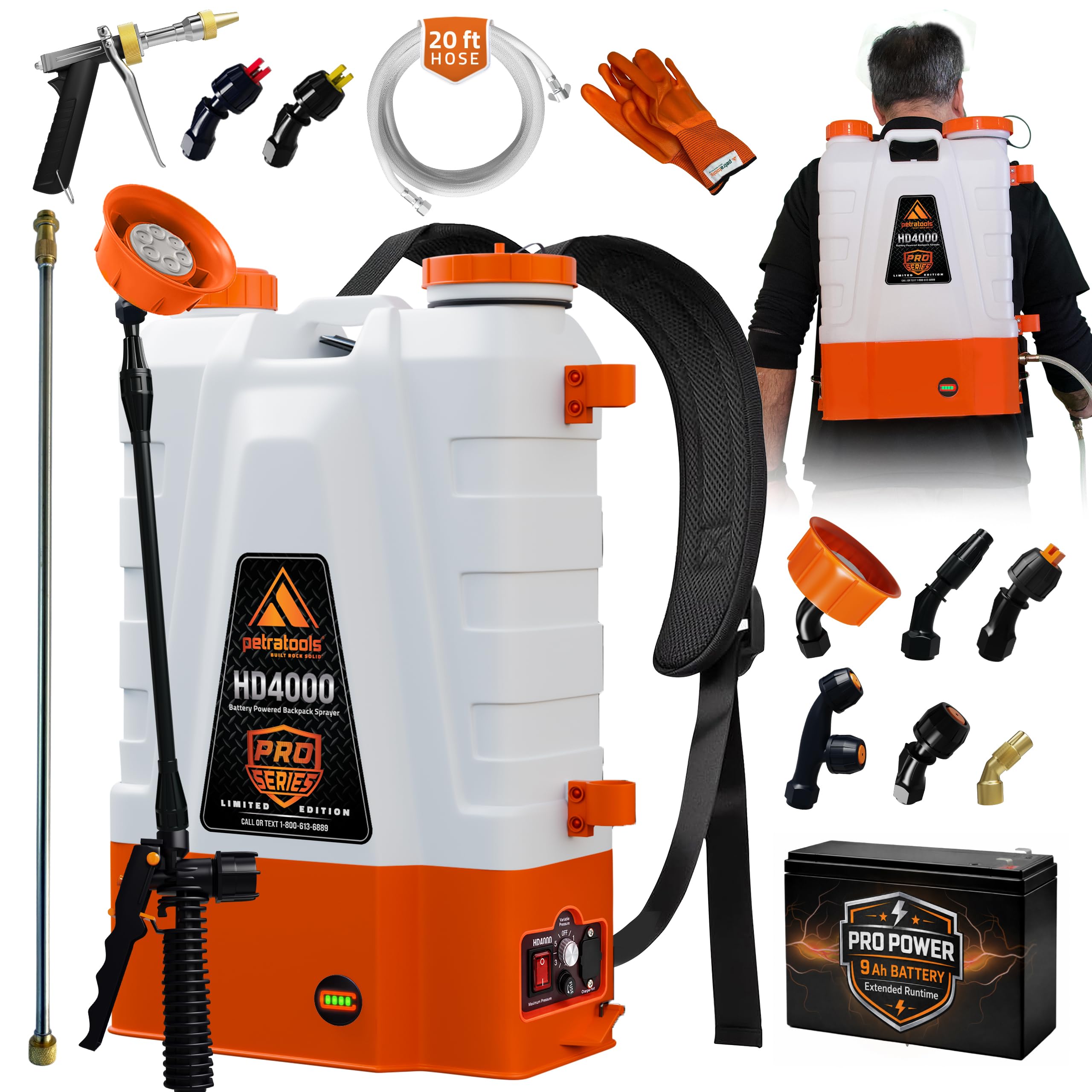


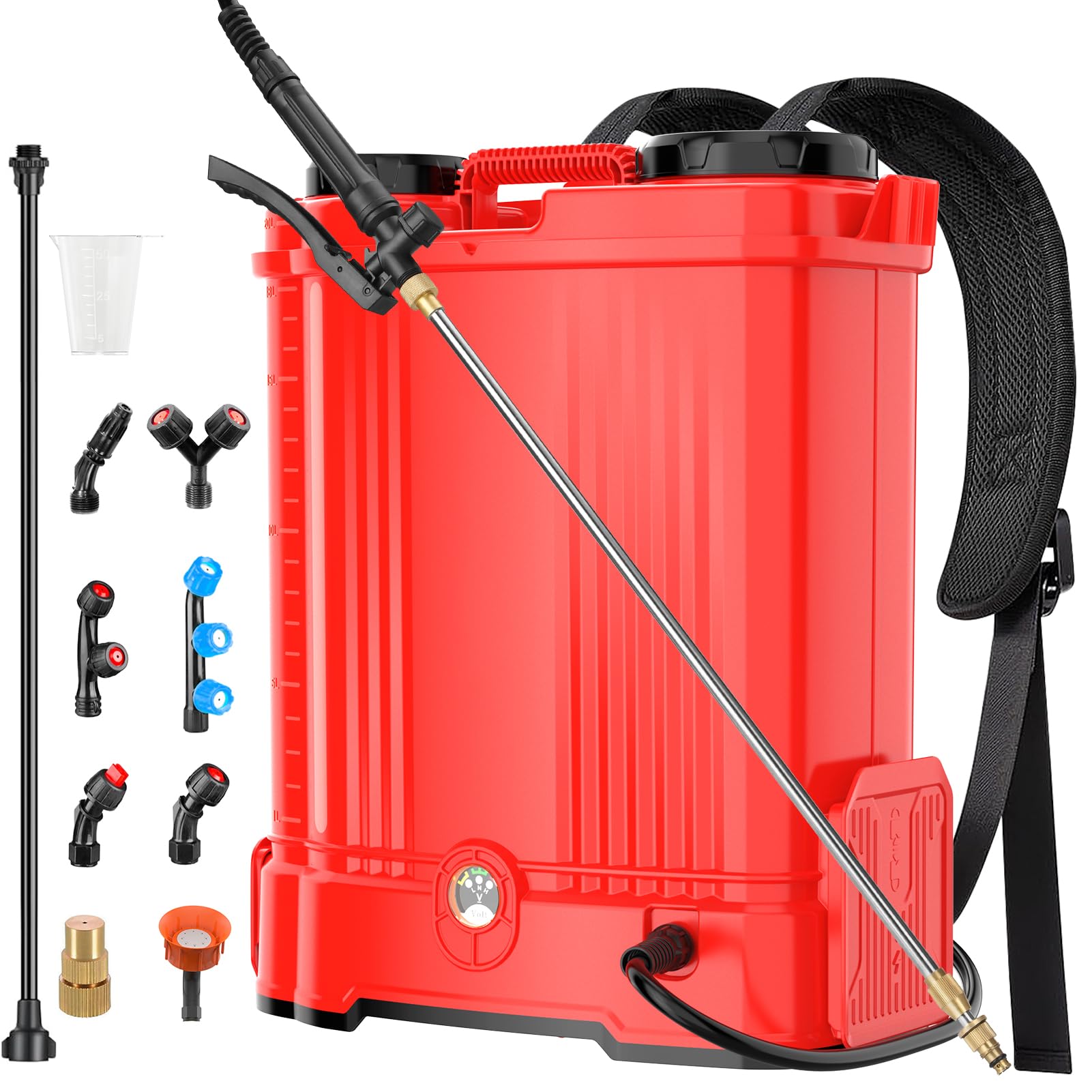


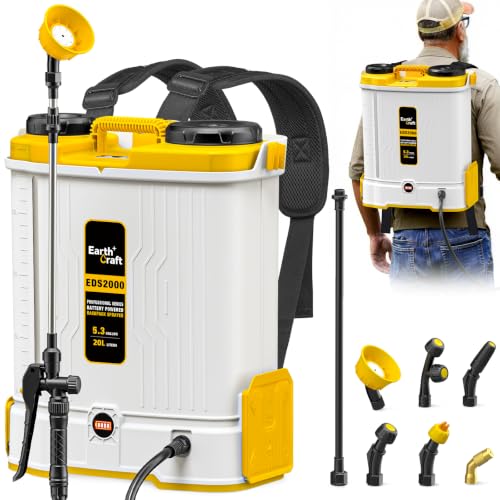
What Battery Backpack Sprayers Are Used For
Homeowners use them for lawn weed control, garden pest sprays, fertilizer, deck and fence stains, and cleaning solutions. Landscapers and farmers use larger tanks for acres of coverage. The common thread is that the pump maintains a steady pressure, so the spray pattern and application rate stay consistent.
Always follow the label of any chemical you spray, wear the protective gear it requires and use a sprayer reserved for that product class. Do not use the same sprayer for herbicides and for products that touch edible plants.
Key Features to Compare
Tank size
Three to four gallons suits most yards, while five gallons or more suits large lots and farms. A full gallon of water weighs over eight pounds, so a four gallon tank adds about thirty five pounds to your back. Check that the straps are padded and adjustable.
Pressure and flow
Pressure is measured in PSI. Many battery sprayers offer a range of roughly 20 to 100 PSI or more. Lower pressure suits fertilizer and herbicides, where drift matters. Higher pressure helps with stains and long reaches. Variable pressure gives more control.
Battery and run time
Some sprayers include a built in lithium pack, while others accept batteries from major tool systems. Run time can range from two to eight hours per charge, depending on pressure and nozzle. If you spray for long sessions, check the charge time, and consider a spare battery.
Nozzles and wand
Look for several nozzles: a fan nozzle for broadcast spraying, a cone nozzle for foliage and a adjustable nozzle for general use. A telescoping wand helps with tall shrubs and trees.
Build quality
Check for a wide fill opening, a strainer to stop debris from clogging the nozzle, a hose that does not kink and a pressure gauge or indicator. Leaks at the pump are a common complaint, so look for buyer comments on the seals.
Types of Battery Backpack Sprayers
All in one kits
These come with a sprayer, battery and charger. They are the easiest way to get started and suit anyone who does not own a cordless tool battery.
Tool battery sprayers
Models that accept batteries from 18 volt or 20 volt platforms are often sold without a battery. They cost less and take advantage of the power packs you already own. Confirm the platform before you order.
Heavy duty sprayers
Larger tanks and higher pressure models are built for frequent use. They cost more, but they suit contractors and large properties.
Using and Cleaning Your Sprayer
Mix chemicals in a separate container in the amount you need, then pour them into the tank through the strainer. Wear gloves, eye protection and long sleeves. After each use, empty any remaining solution as the label directs, rinse the tank and run clean water through the pump, hose and wand. Letting residue dry inside can clog the nozzle and corrode seals.
Store the sprayer in a cool, dry place with the lid slightly open, so air circulates. Keep the battery indoors, away from extreme heat or cold, and recharge it before the next season.
Common Mistakes to Avoid
- Buying a tank larger than you can carry comfortably.
- Using too much pressure on herbicide, which causes drift onto plants you want to keep.
- Skipping the post use rinse and then fighting a clogged nozzle.
- Mixing chemicals in the sprayer tank without measuring.
- Spraying on windy days.
Frequently Asked Questions
How long does the battery last?
Most models run between two and eight hours, depending on pressure and nozzle. A spare battery doubles the work time.
Can I spray weed killer and fertilizer from the same sprayer?
It is best to keep a separate sprayer for herbicides. Residue can harm plants even after rinsing.
What tank size should I choose?
Three to four gallons suits most yards. Pick a larger tank only if you cover big areas and are comfortable with the extra weight.
Is a battery sprayer better than a manual one?
It is easier on your arms and gives steady pressure. Manual sprayers cost less and have fewer parts to fail.
How do I prevent clogs?
Filter solutions through the strainer, mix powders thoroughly and rinse the sprayer after each use.
Calibrating and Applying Evenly
Even coverage depends on walking speed, nozzle height and pressure. Mark off a small trial area, such as a ten foot by ten foot square, and spray it with plain water at your normal pace. Measure how much water you used, then scale that to your lawn or garden to work out how much solution to mix. This simple step prevents overapplication, which wastes product and can damage plants.
Keep the nozzle at the height the product label suggests, usually twelve to eighteen inches above the target, and overlap each pass slightly. Walk at a steady pace, and release the trigger when you pause so you do not soak one spot.
Personal Safety and Comfort
Wear closed shoes, long pants, gloves and eye protection. When the label calls for it, add a respirator or chemical resistant apron. Adjust the shoulder straps and chest strap so the weight sits on your hips and shoulders rather than your lower back, and take breaks in hot weather. Wash your hands and clothes after spraying, and keep children and pets away until the area is dry and safe as the product label advises.
Final Thoughts
Match tank size to the area you cover, choose a pressure range that suits your products, and check the battery system before ordering. The best battery powered backpack sprayers make large spraying jobs faster and more consistent, as long as you clean them well and use them safely. Compare the models in the product table, and see the guide to the best battery powered sprayers for handheld and smaller options.