
Best Basketball Shoes Rn: A First Time Buyer's Guide for 2026
Disclosure: We may earn a commission when you buy through links on this page, at no extra cost to you. As an Amazon Associate I earn from qualifying purchases. Learn more

A plain English guide to best basketball shoes rn for first-time buyers: fit, traction, cushioning, and indoor or outdoor court use.
Buying your first pair of court shoes can feel confusing, because every pair promises grip, comfort, and support at once. This guide keeps things simple by explaining what best basketball shoes rn really means for a new buyer, and how to match a pair to the way you play. The product table gives you a quick overview, and the sections that follow explain each choice in plain language.
You do not need deep technical knowledge to pick well. Focus on fit first, then traction and cushioning, then the court surface you play on most. A pair that fits your foot shape and your game will serve you better than a flashy pair that pinches after twenty minutes. Read on, compare the types, and use the checklist at the end to narrow your shortlist.


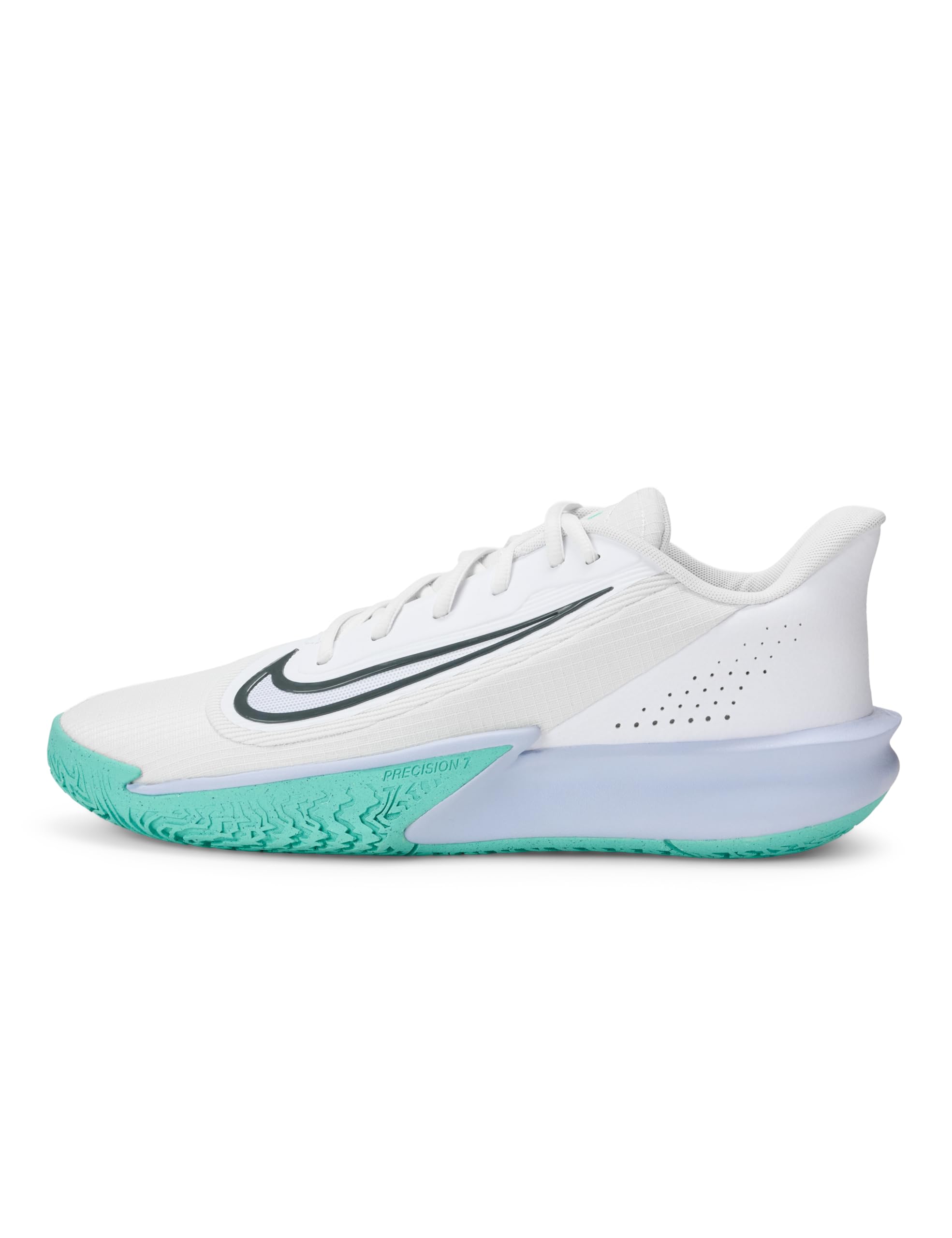

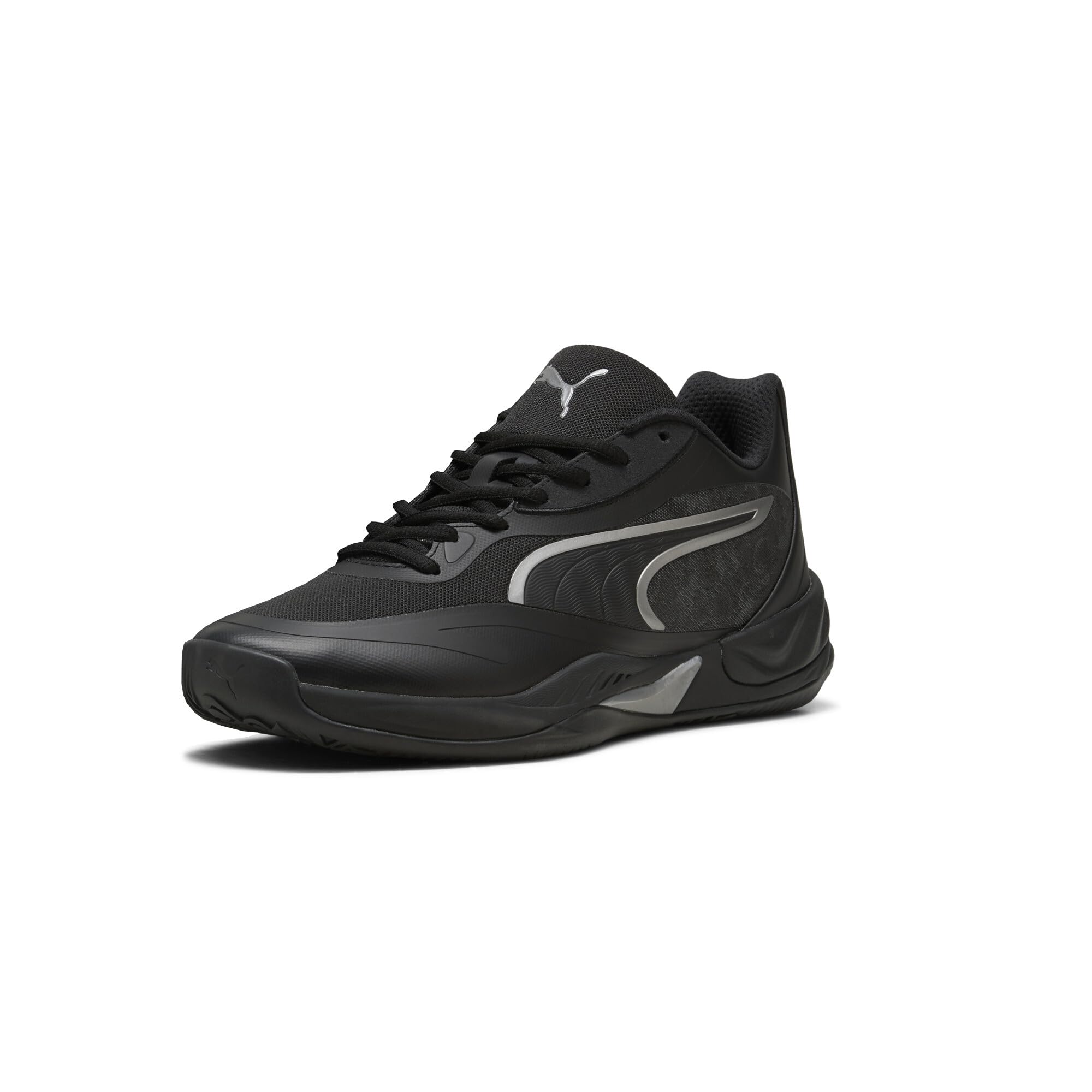
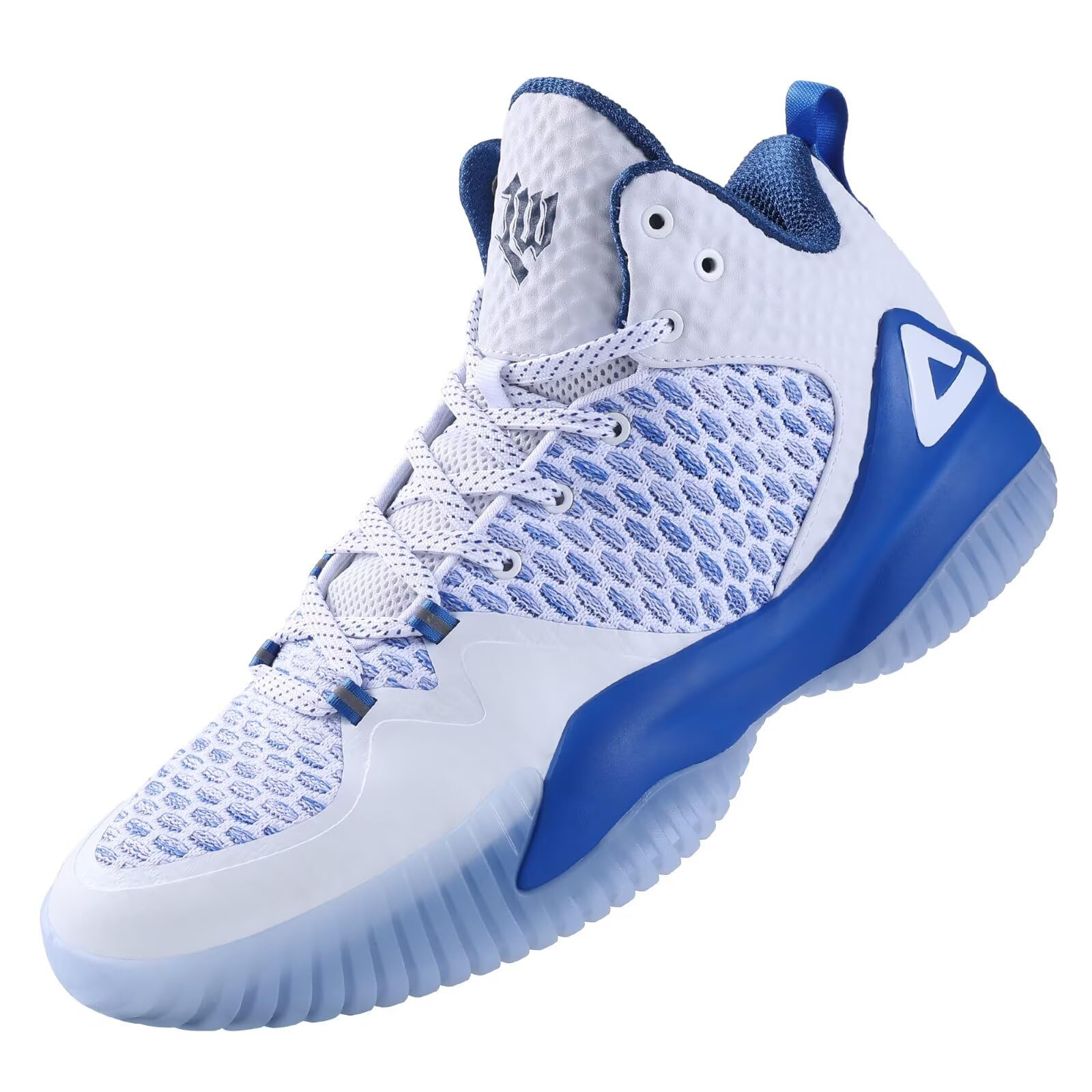


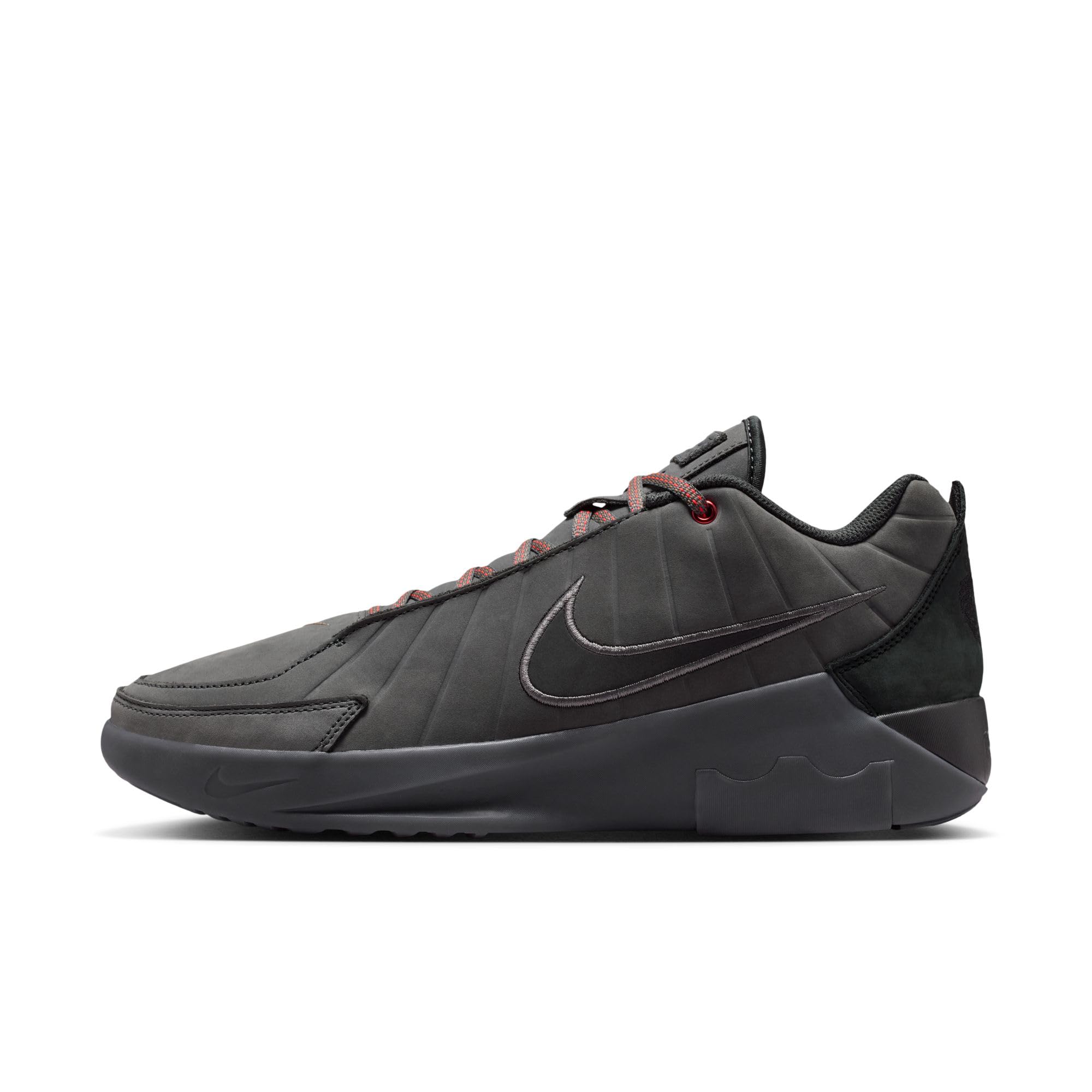

Best Basketball Shoes Rn: The Basics
Put simply, basketball shoes are court shoes built for quick stops, sharp cuts, jumps, and landings. They differ from running shoes because they are made for sideways movement as much as forward movement. The outsole grips the court, the upper holds the foot steady during a cut, and the cushioning softens each landing so your knees and feet feel less shock over a long game.
New buyers often get lost in brand language, but most of the terms describe only a few ideas. Traction means how well the sole grips the floor. Cushioning means how soft the landing feels. Support means how firmly the shoe holds your foot and ankle in place. Once you know those three ideas, the rest of the guide falls into place, and you can judge any pair by how it handles those jobs.
Key Specs Explained in Plain English
Use this section as a glossary. Each part below explains one factor in everyday words, plus the level that suits most new players.
Skill Level and Intended Use
Beginners need forgiveness more than raw performance. A forgiving shoe feels stable when your foot lands slightly off center, and it does not punish a sloppy cut the way a stiff, race style shoe might. Intermediate players who play twice a week or more can look for firmer cushioning and stronger traction, while advanced players usually chase lighter weight and sharper court feel. If you are buying your first pair, start in the beginner friendly middle ground and upgrade only after you know which part of your game needs more help.
Performance Characteristics
Three traits shape how a shoe feels on court. Grip comes from the outsole pattern and the rubber compound, and it decides whether you stop cleanly or slide. Cushioning decides how soft each jump landing feels, with softer foam giving comfort and firmer foam giving a quicker response. Stability comes from a wide base, a firm heel counter, and an upper that locks the midfoot down. A good first pair balances all three instead of chasing one extreme, because a shoe that grips hard but feels harsh will tire your feet fast.
Indoor vs Outdoor Use
Court surface matters more than most new buyers expect. Indoor courts are smooth and clean, so softer rubber grips well and lasts a long time there. Outdoor courts are rough, dusty, and hard on soles, so they call for thicker, harder rubber and deeper tread patterns. If you play mostly outside, pick a pair built for outdoor use and accept a little extra weight. For a guide to shoes made for that setting, see our guide to the best outside basketball shoes. Playing an indoor pair outside will wear the sole down quickly, while an outdoor pair indoors can feel stiff and squeaky.
Portability and Storage
Basketball shoes are not hard to carry, but a little care keeps them in shape. A simple shoe bag keeps dirt off your other gear and stops the soles picking up grit in your gym bag. At home, store them in a cool, dry spot away from direct sun and extreme heat, and stuff them loosely with paper if they start to lose shape. Never leave them in a hot car for days, because heat can warp foam and loosen glue over time. These small habits cost nothing and add months to a pair.
Safety and Certifications
No shoe can promise to prevent injury, and any claim that one can should be treated with doubt. What a good pair can do is help with everyday comfort: strong traction helps on slippery spots, a firm heel counter steadies the heel, and a snug midfoot fit stops the foot sliding inside the shoe. Check the maker guidance on sizing and break in, and replace a pair when the tread is smooth or the cushioning feels flat. If you have ongoing foot or ankle pain, ask your doctor before choosing a shoe for that problem, since fit advice alone cannot address a medical issue.
Size, Weight, and Fit
Fit is the single most important factor, and it is worth taking time over. Your toes should have a little room to spread without hitting the front on a hard stop, and your heel should stay locked down when you cut sideways. Try shoes on later in the day if you can, wear the socks you play in, and walk, jog in place, and cut side to side in the store aisle. Weight matters less for beginners than fit does, but a lighter shoe feels less tiring over a full game, so note the weight once fit is right. If you are between sizes, check the maker size chart and read its guidance on length versus width before ordering.
Rookie Mistakes to Avoid
- Buying for looks alone. A striking color means nothing if the fit pinches or the sole slides on your court.
- Choosing a size based on your running shoes. Court shoes fit differently, so measure and try them on rather than assuming the same size works.
- Ignoring the court surface. An indoor sole on rough outdoor concrete wears out fast and grips poorly once the tread is gone.
- Skipping the break in period. Wear new shoes for short sessions first so the upper softens and any pressure points show up before game day.
- Keeping worn out shoes too long. Smooth tread, flat cushioning, and a leaning heel are signs the pair has done its job and needs replacing.
Getting Started: Setup and First Use
When your shoes arrive, start by checking them over. Look at the stitching, the sole bond, and the laces, and make sure both shoes match in size and shape. Lace them fully, using every eyelet, and take a short walk around the house to feel for pressure points or heel slip. If something pinches right away, it rarely improves with time, so consider a different size or width early.
For the first week, wear them for practice or light pickup games rather than a long tournament day. Store them out of direct sun and extreme heat, and check wear before each use, especially the tread and the heel area. Wipe off dust after outdoor games, because a dusty sole grips far worse than a clean one. These first steps take only a few minutes and set up a pair that feels right from the start.
Frequently Asked Questions
Does indoor versus outdoor court matter for basketball shoes?
Yes, court surface matters a lot, because indoor and outdoor floors wear soles very differently. Indoor courts are smooth and clean, so softer rubber grips well and lasts for months there. Outdoor courts are rough and dusty, so they need thicker, harder rubber with deeper tread to survive the abrasion. If you split time between both, an outdoor rated pair is the safer single choice, since it handles both surfaces even if it feels slightly firmer indoors.
What size basketball shoe should I get?
Start with your usual shoe size, then check the fit with the socks you actually play in. Your toes need a small amount of room to spread, and your heel must stay put during a sideways cut. Walk, jog in place, and cut side to side before deciding, since a shoe that feels fine standing still can slip badly in motion. If you sit between sizes, check the maker size chart for length and width guidance, and favor the size that locks your heel down without squeezing your toes.
How long do basketball shoes last?
Most pairs last a season of regular play, but the range depends on surface, frequency, and body weight. Outdoor players wear soles faster, while indoor players often wear out cushioning before tread. Watch for smooth tread, flattened foam, and a heel that leans inward, since those signs mean support has faded. Rotating two pairs, if your budget allows, spreads the wear and gives foam time to recover between games, which can stretch the life of both pairs.
Is it worth buying premium basketball shoes as a beginner?
Usually not, because beginners gain more from good fit and solid basics than from top end materials. A mid priced pair with reliable traction, balanced cushioning, and a secure fit covers everything a new player needs. Premium pairs often trade durability for light weight, which suits experienced players who know exactly what they want. Spend the difference on court time and practice instead, and move up in price only after you know which feature limits your game.
How do I keep basketball shoes in good shape?
Clean the soles after each game, especially after outdoor play, since dust and grit kill grip and grind tread down. Let shoes air dry at room temperature rather than using direct heat, which can warp foam and weaken glue. Store them in a cool, dry place away from sun, and avoid leaving them in a hot car for long stretches. For a broader look at court footwear options, see our guide to the best basketball shoes. Finally, check the tread and heel before each use so wear never surprises you mid game.
Final Thoughts
The best first pair is the one that fits your foot, grips your court, and cushions your landings without fuss. Start with fit, confirm the sole suits your surface, and pick balanced cushioning over extremes. Remember that best basketball shoes rn is a starting point for research, not a single model to chase, and the product table is there to help you compare options side by side. Try pairs on, break them in gently, and replace them when tread or cushioning fades.
If you play casually with friends, a comfortable mid priced pair is plenty. If you play several times a week, spend a little more on durability and support. Either way, keep the rookie mistakes list in mind, and let fit and court surface guide the final call.


