
Best Basketball Shoes for Running: Buying Guide
Disclosure: We may earn a commission when you buy through links on this page, at no extra cost to you. As an Amazon Associate I earn from qualifying purchases. Learn more

Fit, cushioning and traction tips for choosing the best basketball shoes for running, indoors and out.
If you are shopping for best basketball shoes for running for the first time, the choice can feel confusing. Basketball shoes are built for quick stops, jumps, and side to side movement on a court, while running asks for steady forward motion over longer distances. That difference shapes cushioning, support, weight, and grip, so a pair that feels great for a pickup game may not feel right for a regular run. This guide explains the basics in plain language, compares the main types, and helps you avoid common first time buyer mistakes, with the product table to help you weigh the options side by side.
You do not need to learn every technical term before you buy. Focus first on fit, comfort, and how you plan to use the shoes most often. A well fitting pair with balanced cushioning and reliable traction will serve most new buyers better than a flashy design or an extreme feature. Use the sections below to narrow your choice by surface, distance, and foot shape.


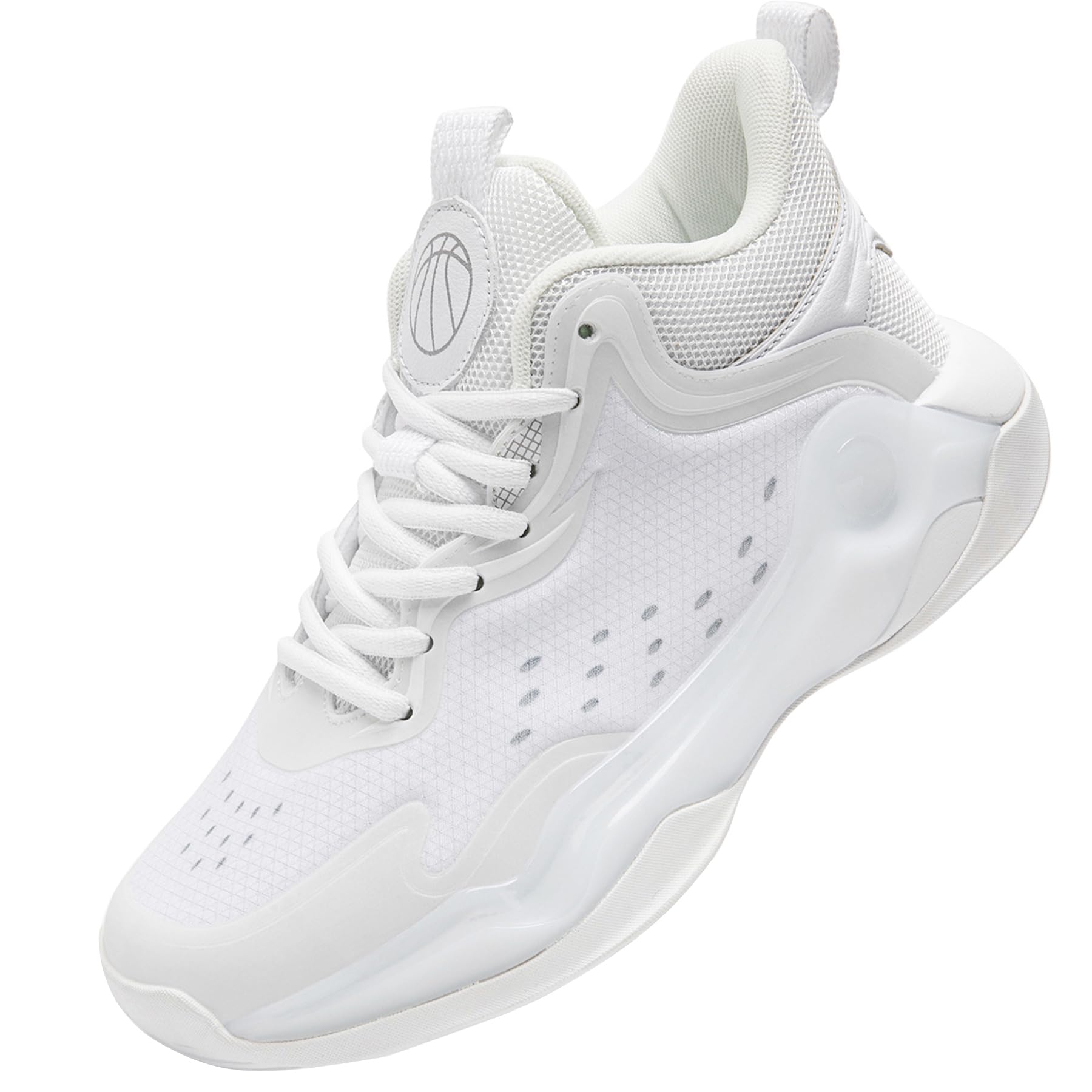
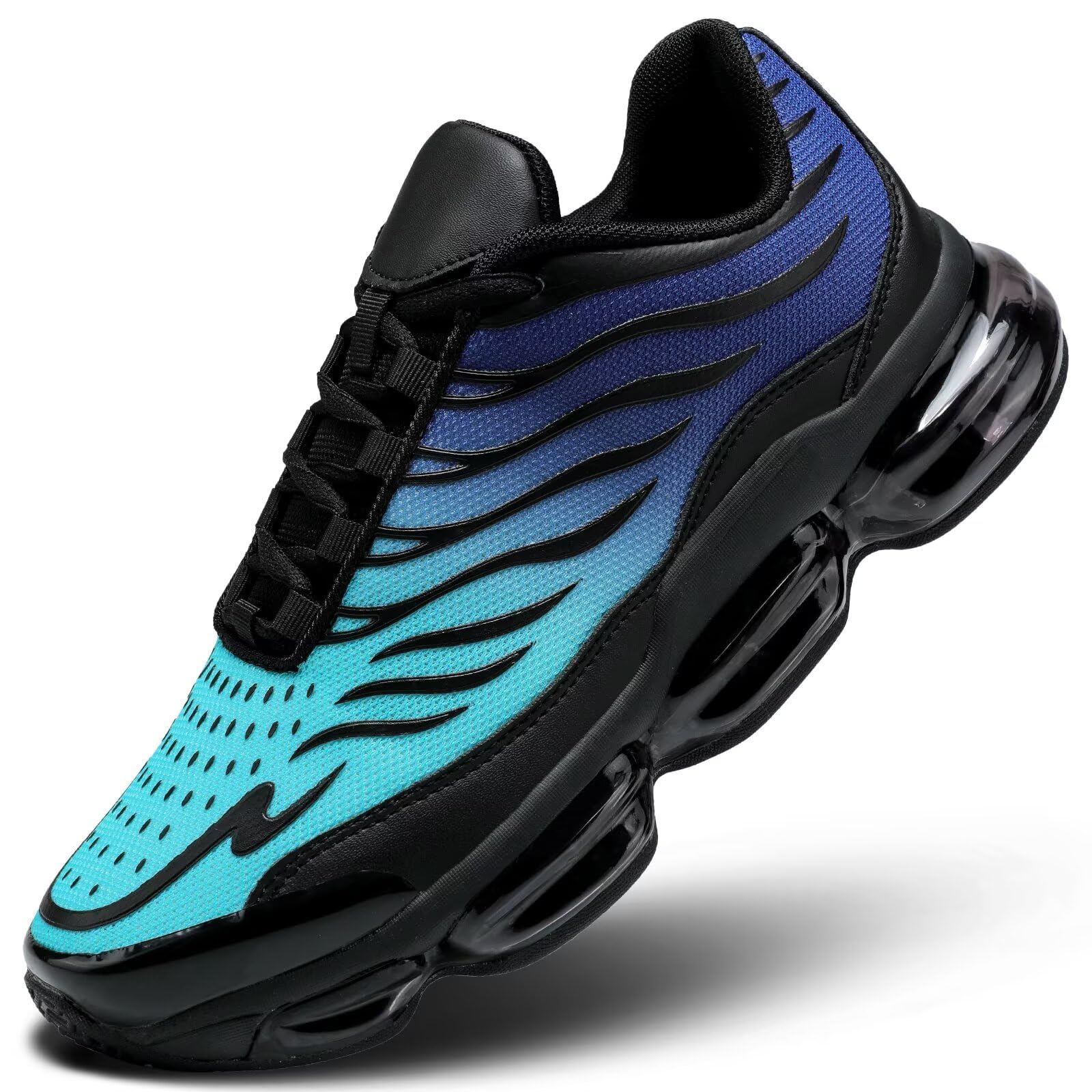

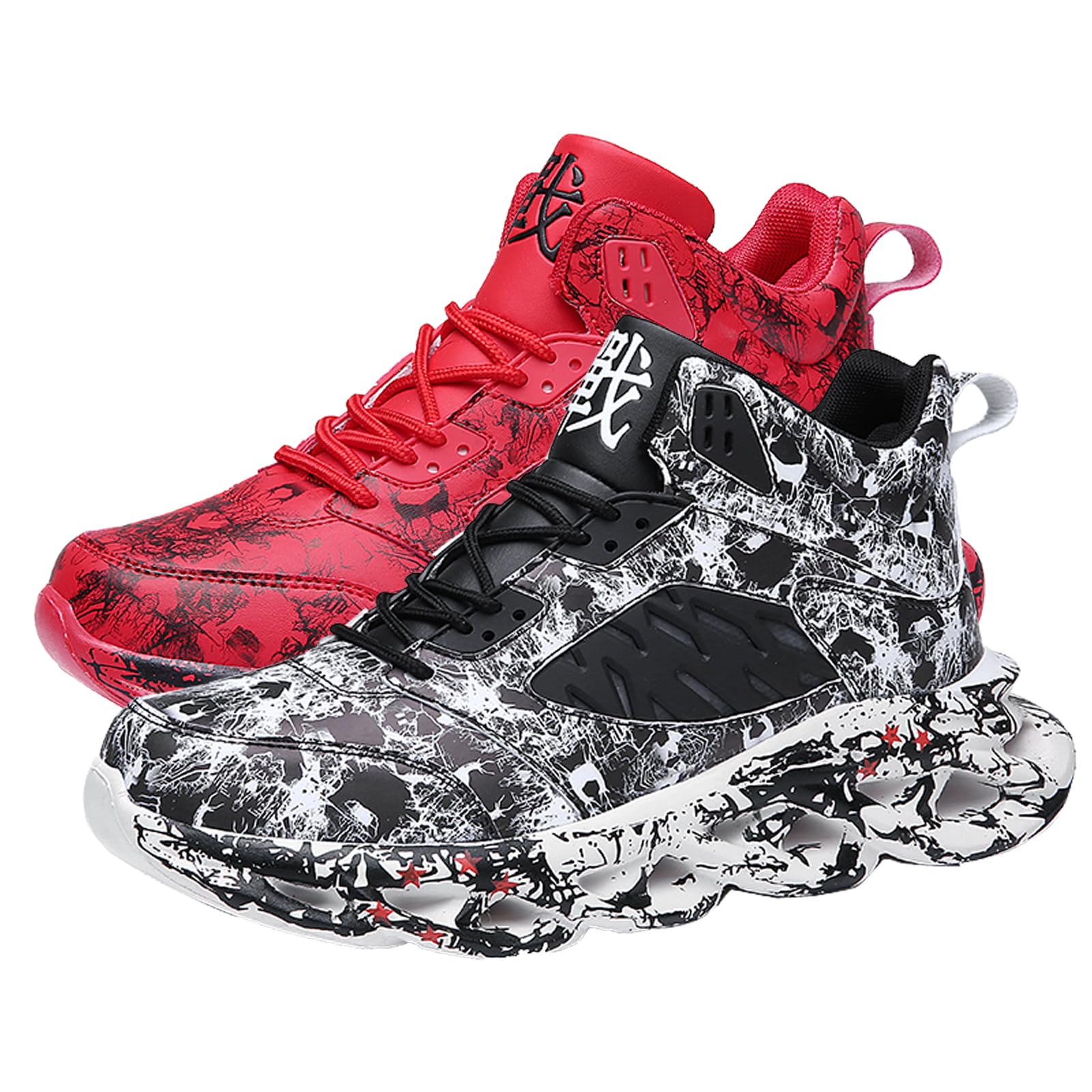


Basketball Shoes 101: The Basics
A basketball shoe is a court shoe first. It usually has a sturdy upper, a supportive midsole, and an outsole pattern made to grip a smooth indoor floor during fast cuts and jumps. The ankle collar may be low, mid, or high, and each height changes how much support and freedom of movement you feel around the ankle. The midsole cushions landings, while the outsole controls traction and wear.
Together, these parts are tuned for bursts of effort rather than the repeated heel to toe roll of distance running.
When you use basketball shoes for running, you are asking a court design to do a road job. Short, easy runs on a track or a smooth path can work well, especially if you already own a comfortable pair and want one shoe for both activities. Longer road runs, however, put more stress on the heel, arch, and forefoot with every stride, and a heavy court shoe can feel tiring over time. That is why this guide treats running in basketball shoes as a compromise: useful for mixed use and shorter efforts, but worth weighing carefully if running is your main activity.
For a straight comparison of road focused options, see our guide to best running shoes.
| Type | Best For | Trade Off |
|---|---|---|
| Low court shoes | Speed and freedom of movement | Less ankle coverage |
| Mid court shoes | Balanced support and mobility | Slightly more weight |
| High court shoes | Maximum ankle support | Less flexibility for running |
Key Specs Explained in Plain English
The terms below cover the factors that matter most when you compare basketball shoes for running. Read each one as a practical choice, not as a score to maximize. A higher number or a thicker layer is not always better, because comfort depends on your weight, stride, surface, and foot shape.
Features That Matter for Running
For running, cushioning and forward flexibility matter more than court specific stiffness. Look for a midsole that absorbs impact without feeling mushy, and a forefoot that bends naturally when you push off. Traction still matters, but the pattern should grip pavement or a track without catching or feeling sticky. Weight also matters: a lighter shoe usually feels easier over several miles, while a very heavy shoe can tire your legs.
Breathability helps on warm days, because a hot, damp shoe can lead to blisters. If you prefer another court style, compare options in our guide to best tennis shoes for running before you settle on a pair.
Skill Level and Intended Use
Beginners should favor comfort, stable fit, and easy break in over advanced features. A forgiving midsole and a roomy toe box let you focus on form and distance rather than fighting the shoe. Intermediate runners who mix court play and short runs may want a mid height shoe with firmer support and a durable outsole. Advanced users often know their stride and foot shape well, so they can trade some cushioning for responsiveness or choose a lighter build.
Be honest about your main use: if you play twice a week and run once, choose for court play, and if you run four times a week, choose for running. For options shaped around different feet, see our guide to best ladies running shoes.
Materials and Construction
Uppers are usually made from mesh, synthetic leather, or a mix of both. Mesh breathes well and feels light, while synthetic leather adds structure and durability around the sides. The midsole is commonly foam, and its density controls how soft or firm the ride feels. A firmer foam lasts longer and feels more stable, while a softer foam feels plush but may compress sooner.
Outsoles use rubber in different patterns, and deeper grooves often last longer outdoors, while finer patterns grip indoor courts better. Stitching, overlays, and a firm heel counter add structure, so check that the shoe holds its shape when you press the sides.
Safety and Fit Checks
Fit is a safety factor as much as a comfort factor. Your toes should have room to spread without hitting the front, and your heel should stay in place without lifting on every step. Lace the shoe fully and walk, jog in place, and make a few side steps before you decide. A shoe that slips at the heel can cause blisters, while a shoe that pinches across the midfoot can be uncomfortable.
Ankle support helps some players feel more secure during cuts, but it does not replace strength, warm up, or good landing form. If you have persistent foot pain, swelling, or a foot condition, ask your doctor before you choose a shoe for regular running.
Performance Characteristics
Performance in this context means how the shoe behaves during real movement. Grip should feel predictable: it should hold on a turn without sticking suddenly, and it should not slide on a dusty floor. Stability means the shoe keeps your foot centered during side steps and landings, rather than rolling inward or outward. Responsiveness is how quickly the shoe returns energy when you push off, and a very soft shoe can feel slow even if it feels comfortable standing still.
Durability depends on outsole thickness, upper strength, and how often you use the shoe outdoors, because rough pavement wears court soles faster than a smooth gym floor.
Rookie Mistakes to Avoid
- Choosing by looks alone, which can leave you with a stiff or heavy shoe that does not suit running.
- Buying a size too small, because feet swell during activity and tight toes lead to blisters.
- Ignoring the surface, since a fine indoor outsole can wear quickly on rough outdoor pavement.
- Skipping a walk and jog try-on, which hides heel slip, midfoot pinch, and ankle discomfort until after purchase.
- Expecting one shoe to do everything perfectly, when a mixed use shoe is always a compromise between court play and running.
Getting Started: Setup and First Use
Start by wearing the shoes indoors for short walks before your first run. Lace them snugly from the bottom up, and adjust the laces if you feel pressure across the top of the foot. Take a few easy laps or a short jog to check for rubbing, heel lift, or hot spots. If a spot rubs, try a different lacing pattern or a thinner sock before you decide the shoe is wrong.
Store the shoes out of direct sun and extreme heat, because heat can warp foam and weaken adhesives over time.
Check wear before each use, especially if you run outdoors. Look at the outsole for smooth patches, check the upper for torn seams, and press the midsole to feel for flat or uneven spots. Replace worn laces promptly, because a broken lace during a run is an avoidable nuisance. Rotate in a second pair if you run often, so each pair has time to dry and recover between sessions.
For a broader view of court focused designs, see our guide to best basketball shoes.
Basketball Shoes: Your Questions Answered
What features matter most in basketball shoes for running?
Cushioning, fit, weight, and traction matter most for running in a court shoe. Cushioning should absorb heel impact without feeling unstable, and the forefoot should flex naturally for push off. A secure midfoot fit keeps the foot centered during strides, while a lighter build reduces fatigue on longer efforts. Traction should grip your usual surface without catching.
One extra point: check the heel drop and toe room together, because a high heel with a cramped toe box can change your stride even if the cushioning feels soft.
What size should I get?
Start with your usual shoe size, then try the fit with the socks you will run in. You should have about a thumb width of space between your longest toe and the front of the shoe when standing. Your heel should stay put when you walk and jog in place, and the midfoot should feel snug without pinching. Sizes vary by design, so do not assume one size works across all court shoes.
One extra point: try shoes later in the day when feet are slightly larger, because that gives a more realistic fit for running.
Is it worth buying premium as a beginner?
Premium prices are rarely worth it for a beginner who is still learning what fits and feels right. A mid priced pair with solid cushioning, reliable traction, and a comfortable fit usually teaches you more about your needs than an expensive design with features you may not notice. Spend the difference on good socks and a second pair for rotation if you run often.
One extra point: premium materials can improve durability, but they do not fix a poor fit, so fit should decide before price tier does.
Indoor vs outdoor: does it matter?
Yes, surface matters a great deal for court shoes used for running. Indoor courts are smooth and clean, so finer outsole patterns grip well and last longer there. Outdoor pavement is rough and abrasive, so it wears soft court rubber faster and can make a smooth sole feel slippery when dusty. If you run outdoors, look for a thicker, more durable outsole and accept a slightly heavier shoe.
One extra point: wipe outdoor soles before indoor use, because grit carried inside can scratch a gym floor and reduce grip.
How long does it last?
Most basketball shoes used for mixed court play and running last several months of regular use, but the range depends on weight, surface, and frequency. Outdoor use wears outsoles faster, while indoor use preserves them longer. Midsole foam also compresses over time, so a shoe can feel flat even if the outsole still looks fine. Watch for smooth tread, uneven wear, or a loss of bounce as signs to replace the pair.
One extra point: keep a simple log of miles or sessions, because it is easier to judge wear against use than against calendar time alone.
The Bottom Line
The best choice balances fit, cushioning, and traction for the surface you use most. If running is your main activity, lean toward a lighter, more flexible pair with road friendly traction, and if court play comes first, lean toward support and court grip. Try shoes on with your running socks, check them with short walks and jogs, and do not let looks override comfort. Use the product table as a quick check before you order.
For most first time buyers, a comfortable mid height or low court shoe with balanced cushioning is a sensible starting point. It gives you room to learn your stride, surface, and fit needs without committing to an extreme design. Keep an eye on wear, rotate pairs when you can, and revisit your choice as your running distance grows. With that approach, best basketball shoes for running becomes a practical decision based on fit and use, not a guess based on style alone.


