Best Batteries for Honeywell Thermostat 2026: Types Compared
Disclosure: We may earn a commission when you buy through links on this page, at no extra cost to you. As an Amazon Associate I earn from qualifying purchases. Learn more
Compare alkaline, lithium and rechargeable batteries for a Honeywell thermostat, with size checks, battery life guidance and safe replacement steps.
A dead thermostat battery can shut down heating or cooling at the worst moment. Your unit may take AA or AAA cells, in alkaline, lithium or rechargeable form, and each option lasts a different length of time. Choosing the best batteries for honeywell thermostat use starts with the size and power setup your own unit needs, and the product table below shows the main types.
Two questions drive the decision. Does your thermostat run on batteries alone, or does a common wire power it while batteries serve as backup? And how long might spares sit in a drawer before use? The sections below answer both.



Who Should Buy Which Batteries for a Honeywell Thermostat?
Start with how your thermostat gets power, because that fact decides how much battery life you need.
Households With Battery Only Thermostats
If no common wire reaches your thermostat, batteries carry the full load of the screen, the controls and the signal that calls for heat or cooling. Choose fresh alkaline or lithium cells, treat the low battery warning as urgent, and keep one spare set at home for a cold night failure.
Owners Who Rely on Batteries as Backup Power
Many wired thermostats hold batteries only to protect settings and the clock during a power outage. Those cells work far less hard, so standard alkaline batteries usually serve well and cost less. If you are comparing the thermostat itself, see our guide to the best honeywell thermostat for the wider picture. Check backup cells once a year regardless.
Renters and Second Home Owners Who Visit Rarely
A battery that fades between visits can leave a vacant home without heat, and pipes can suffer in freezing weather. Lithium cells suit you best, because they hold power longer in storage and work through longer gaps between changes. Leave a dated note near the thermostat showing when the cells went in.
Types of Batteries Compared
Three chemistries cover nearly every Honeywell thermostat, differing in voltage behavior, shelf life and cost.
Alkaline Batteries for Everyday Thermostat Use
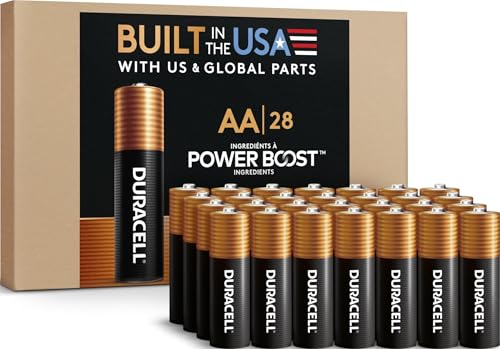
Alkaline cells are the standard choice and the type most thermostat manuals assume. They deliver steady voltage for most of their life, cost little, and bring a year of changes to about $5 to $15 for most homes. Their weakness is age, because a cell left for years in a rarely used thermostat can leak onto the contacts. Choose alkaline if you change cells yearly.
Lithium Batteries for Longer Gaps Between Changes
Lithium AA and AAA cells cost more, often about $10 to $20 for a small pack, but they hold charge far longer in storage and keep a steadier voltage near the end of life. That steadiness matters because a screen can fade or reset when voltage sags. Lithium suits second homes and hard to reach thermostats, buying time rather than stronger daily performance.
Rechargeable Batteries for Homes That Change Cells Often
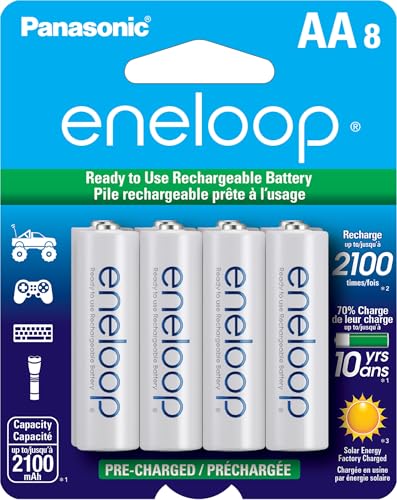
Rechargeable cells cut waste and suit homes with several battery powered devices on a steady rotation. If that pattern sounds familiar, see our guide to the best battery powered thermostat for related options. The trade off is voltage, because a rechargeable cell starts at about 1.2 volts instead of about 1.5 volts. Test one set in your unit before you commit.
Key Features to Compare
When you shop for the best batteries for honeywell thermostat owners can trust through a full season, compare these five factors before price.
Battery Size and Count for Your Exact Thermostat
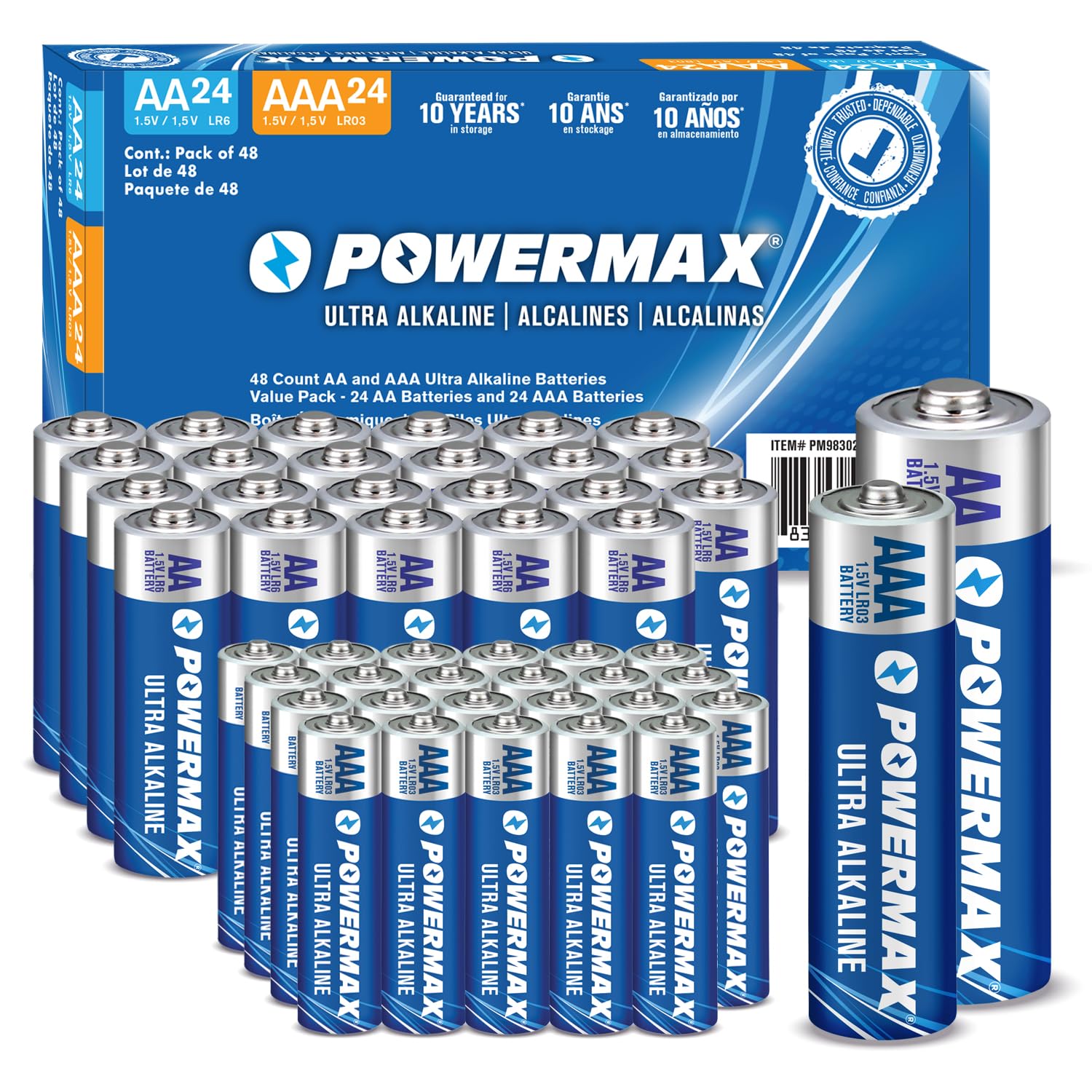
Size allows no substitutes. Most Honeywell thermostats take two or three AA cells, many compact models take AAA cells, and a few older units use a round coin cell. Open the compartment or read the label inside the cover before you order, and count the cells your unit holds. Match size and count exactly, because a pack of the wrong size is worthless.
Chemistry and Voltage Stability
Chemistry decides how voltage behaves as the cell drains. Alkaline voltage slides down gradually, giving you weeks of warning on the screen before the thermostat stops. Lithium voltage stays nearly flat and then falls fast, so the warning window can be short even though total life is longer. Rechargeable nickel metal hydride cells start lower, which some thermostats read as partly drained from day one.
Expected Battery Life and Low Battery Warnings
In a battery only thermostat, alkaline cells often last about 8 to 12 months, while lithium cells can run longer under the same load. Backup cells in a wired unit can last several years, because they work only during outages. WiFi models draw more power than simple programmable models. If you are choosing a connected unit, see our guide to the best honeywell wifi thermostat first.
Shelf Life, Expiration Dates and Leak Risk
Every pack carries a date, and that date matters more than the brand printed beside it. Alkaline cells commonly hold useful charge for about 5 to 10 years in storage, while lithium cells hold charge for longer still. Buy packs with the latest date on the shelf, and check the date again before installing a drawer stored set. Old cells are the ones most likely to leak.
Pack Size, Cost Per Year and Fresh Stock
Price makes sense per year of service, not per pack. A thermostat that uses three AA cells once a year costs only a few dollars annually on alkaline cells, so a giant bulk pack can outlast its own shelf life in your drawer. Buy the smallest pack covering about two to three years of changes, because small packs turn over faster at the store and stay fresher.
How to Replace Batteries in a Honeywell Thermostat
Most models let you change cells in minutes with no tools. Note your settings first in case the screen clears, then follow these steps.
- Pull the thermostat body gently off its wall plate, or open the battery door if your model has one.
- Lift out the old cells and note which end of each cell points which way.
- Fit new cells with the positive end matching the marks inside the compartment.
- Push the thermostat back onto its wall plate, watch the screen restart, and check the schedule.
Change all cells at once, because mixing old and new cells makes the new ones drain faster. If you see white crust from a leaked cell, wear gloves, wipe contacts with a dry cloth, and let the compartment dry fully. If wiring behind the wall plate looks scorched or loose, stop and call a qualified heating and cooling technician.
Common Mistakes to Avoid
- Buying AA cells for a AAA thermostat leaves you with a pack you cannot use.
- Mixing alkaline and lithium cells makes the set drain unevenly and can trigger early shutdowns.
- Ignoring the low battery warning for weeks can end with no heat on a cold night.
- Storing spare cells loose lets the ends touch metal objects and lose charge before use.
- Leaving backup cells in place for many years invites a silent leak that corrodes the contacts.
- Throwing old cells in household trash wastes a recycling option many local programs offer.
How to Store Spare Batteries and Keep a Thermostat Powered
Keep spare cells in their original pack in a cool, dry drawer away from radiators and sunny windows, because heat speeds the slow loss of charge in storage. Write the purchase month on the pack and use the oldest pack first. For guidance across other brands, see our guide to the best batteries for thermostat models.
Build the change into a yearly routine you already keep, such as the week you service your furnace filter. Take used cells to a collection point that accepts household batteries for recycling. If your home will sit empty through winter, fit fresh cells before you leave.
FAQ
How long do batteries last in a Honeywell thermostat?
Batteries in a Honeywell thermostat usually last about 8 to 12 months when they power the unit on their own. Heavy screen use shortens that span, so a thermostat adjusted many times a day drains faster than one left on a set schedule. Note the install month on a label inside the cover to track the age of each set.
Can rechargeable batteries be used in a Honeywell thermostat?
Yes, rechargeable batteries can be used in some Honeywell thermostats, but results vary by model. The safest test is a single set watched for one full week. If the screen stays bright and no warning appears, the lower starting voltage suits your unit. Keep a charged spare set ready, because rechargeable cells give less warning time before fading.
What happens if Honeywell thermostat batteries die completely?
If the batteries die completely, the screen goes blank and the heating or cooling system stops taking commands. Most systems simply stay off rather than running without control, so a home can grow cold or hot until the cells are replaced. Some models also lose their schedule and clock. Replacing the set usually restores control within minutes.
Does a Honeywell thermostat with a common wire still need batteries?
Yes, many Honeywell thermostats with a common wire still hold batteries as backup. Those cells protect your settings and schedule during a power outage, and some models also use them to steady the display. Because they drain so slowly, they are easy to forget for years, so add them to your yearly check anyway.
How do you know which battery size a Honeywell thermostat takes?
You can confirm the battery size by opening the compartment and reading the size printed inside it. If the printing has worn away, measure an old cell instead. An AA cell is about 50 mm long, while an AAA cell is about 44 mm long and clearly thinner. The model number inside the cover also leads to the correct size in the manual.
Final Thoughts
Match the size first, then choose chemistry by how your thermostat is powered and how often you want to think about it. Alkaline cells serve most homes well on a yearly change, lithium cells buy the longest gaps, and rechargeable cells fit only after a careful test. Use the product table above to compare types and pack sizes.
With fresh cells in place and a dated spare set in the drawer, the best batteries for honeywell thermostat choice becomes a once a year task that takes minutes.