Best Batteries for Blink Cameras by Budget: What Each Tier Buys in 2026
Disclosure: We may earn a commission when you buy through links on this page, at no extra cost to you. As an Amazon Associate I earn from qualifying purchases. Learn more

Compare the best batteries for blink cameras by chemistry, price tier, and cost per year, and learn which camera settings drain cells fastest at home.
A pack of camera batteries can cost less than a sandwich or more than a takeout dinner, and the spread confuses people because the cells on the shelf all look alike. Batteries are a consumable, so this is a purchase you repeat for as long as your cameras stay mounted. The honest way to shop for the best batteries for blink cameras is to think in cost per year of service rather than cost per pack.
One rule comes before price, though. Your camera manual names the size and chemistry the camera was built around, and that specification governs every choice in this guide. The product table lines the main options up, and the sections after it explain where extra money genuinely buys longer service and where it buys nothing at all.




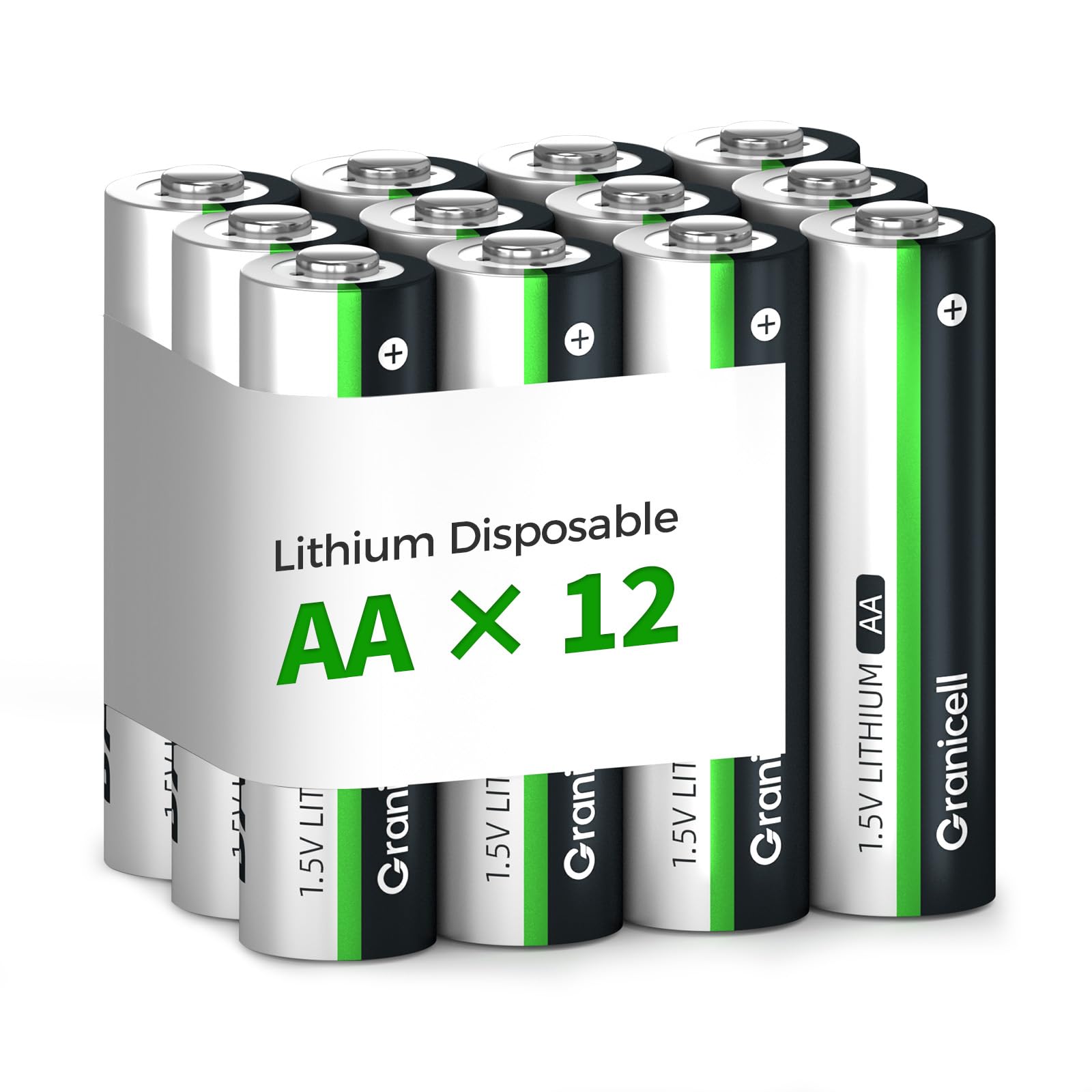

What Your Money Gets You at Each Price Tier
Price tiers for camera cells are really chemistry tiers wearing price tags. The same AA slot can hold a cell that fades in weeks or one that runs through a full season of motion clips. Read each tier below as a cost per year figure first and a shelf price second, because a cheap pack changed four times costs more than a long life pack changed once.
Budget Tier: Low Shelf Price, Short Service
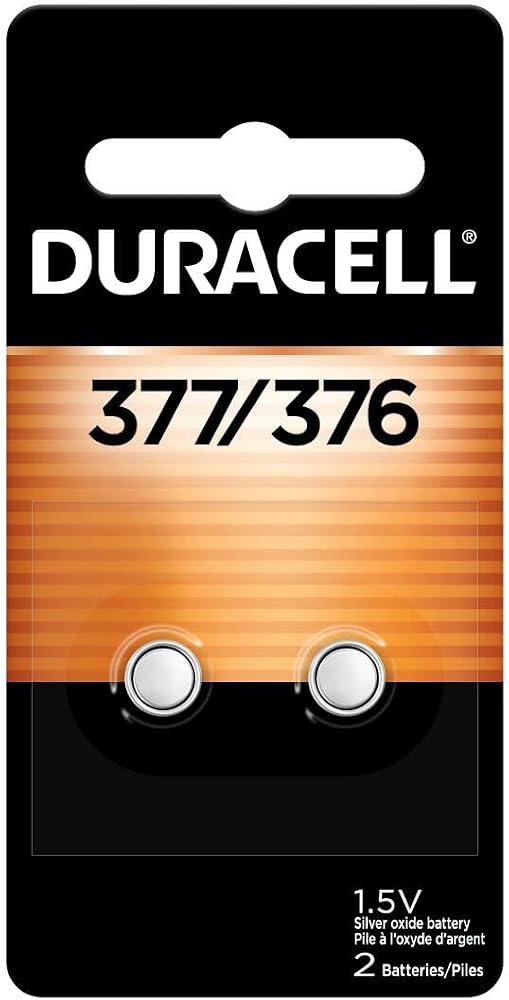
The budget shelf, at about $0.50 to $1 per cell, holds alkaline cells and no name brands sold in big shrink wrapped bundles. Alkaline cells sag sooner under the short, hard pulse loads a camera draws when it wakes, records a clip, and uploads it. On a quiet indoor camera that wakes a few times a day, that trade can still make sense.
On a busy front door camera, budget cells become the expensive option because you climb the ladder to swap them again and again. Treat this tier as a stopgap or a low traffic choice, not a default.
Midrange Tier: Named Brands and Honest Dates
The middle shelf, at about $1 to $2 per cell, is where named brand alkaline and small packs of lithium cells sit side by side. What the extra money buys here is consistency: cells that match their printed ratings, honest date codes, and packaging that has not sat in a hot warehouse for years. For most households this tier holds the sensible buys, especially lithium cells in modest pack sizes. You pay a little more per cell than the bulk premium packs below, but you waste nothing on stock that ages out before you use it.
Premium Tier: Lithium Cells in Bulk
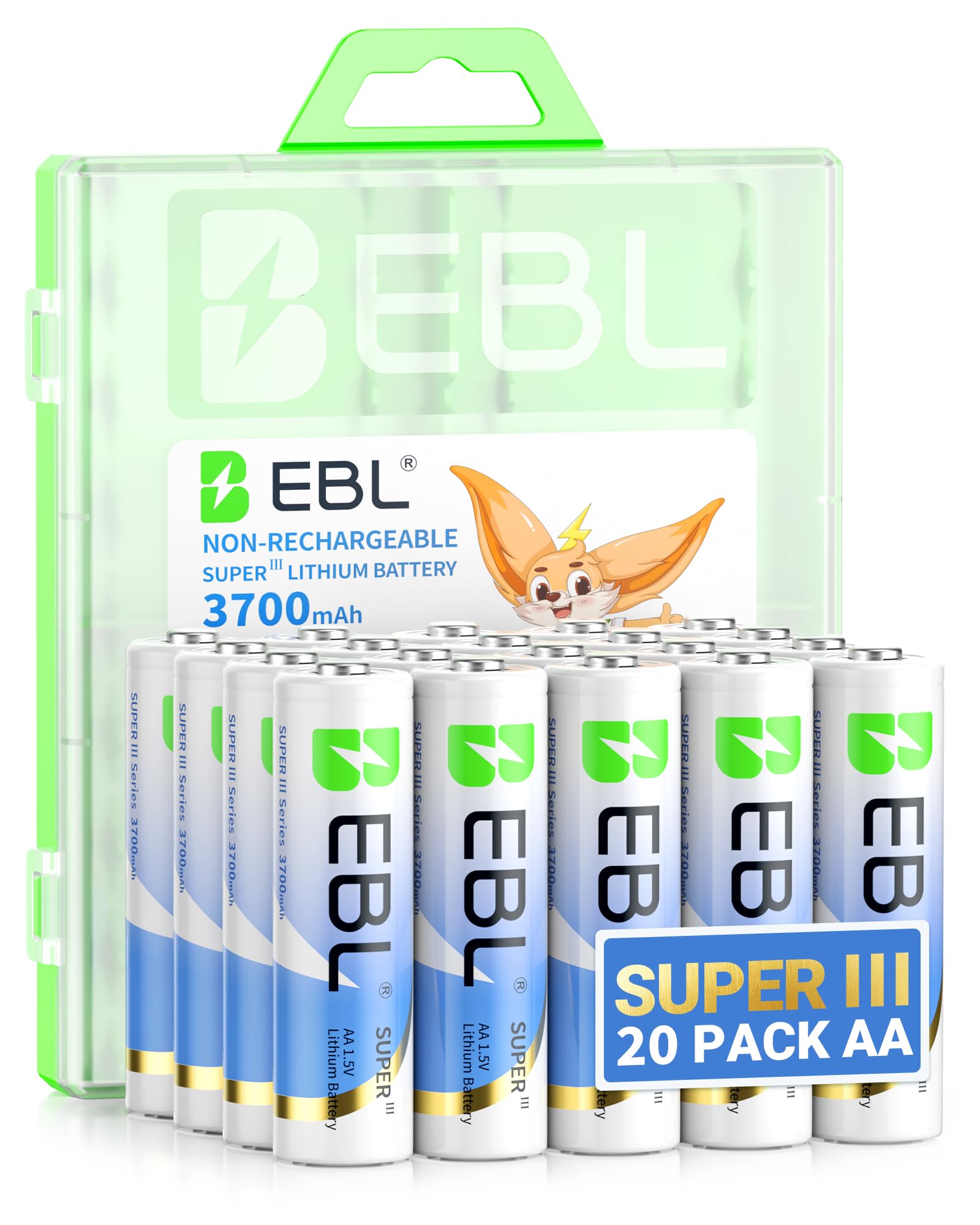
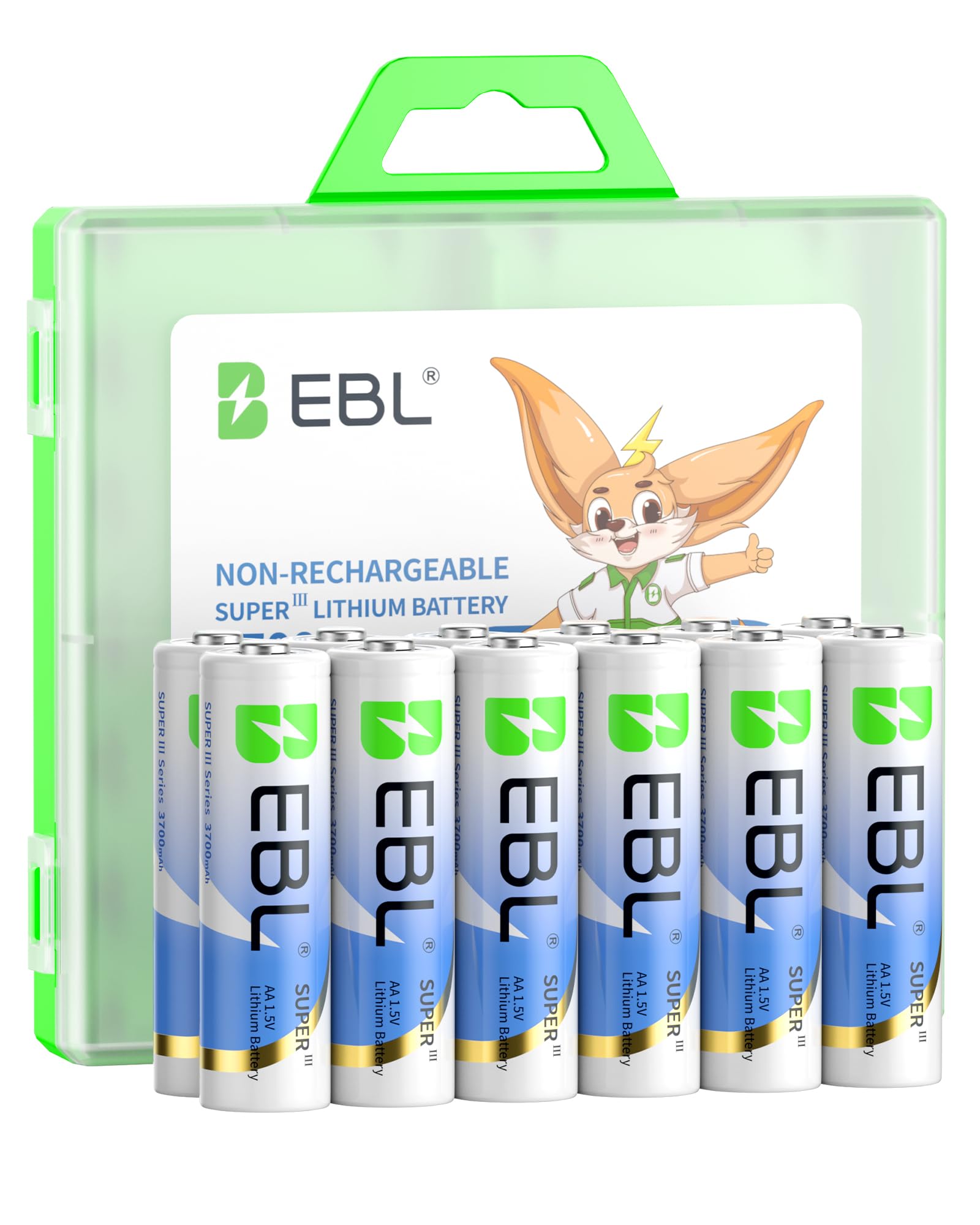
The premium shelf, at about $1.50 to $2.50 per cell in larger packs, is almost entirely lithium. Lithium cells hold their voltage flat across a long service life and keep working in cold weather that makes alkaline cells fade early. Spread over a year of service on a busy outdoor camera, this tier usually posts the lowest cost per year of the three. The catch is discipline: buy the pack size your cameras will actually burn through while the stock is fresh, and store the spares properly, as the storage section below explains.
What to Look For in the Best Batteries for Blink Cameras
With cells, the feature list is short and chemistry does most of the talking. The five points below decide how long a set lasts far more than anything printed in large type on the front of the pack.
Chemistry Decides Almost Everything
Blink builds its battery cameras around AA size lithium cells, and the manual says so plainly, which is why lithium is the reference class in this guide. Lithium holds about 1.5 volts steady until it is nearly spent, so the camera sees full power for most of the cell life. Alkaline starts at the same voltage but slides downward from the first week, and the camera reads that slide as a dying battery long before the cell is truly empty.
Rechargeable cells sit lower still, at about 1.2 volts, so some cameras flag them as empty early even when they hold charge. Readers who want the chemistry comparison in more depth can see the guide to the best lithium batteries for blink cameras.
Cold Weather Behaviour
An outdoor camera in a cold climate is the hardest job a small cell can draw. Lithium chemistry keeps delivering its voltage in freezing weather, which is why winter is where the premium tier earns its price. Alkaline cells lose effective capacity as the temperature drops and can report low on a frosty morning, then seem to recover indoors on the counter.
If your cameras guard a door or driveway through real winters, judge every cheaper option against that behaviour before you buy. A cell that quits in January costs a second purchase and a second climb.
Date Codes and Shelf Life
Every quality pack carries a printed date or a use by code, and fresh stock is a real feature worth paying a little for. Cells lose charge slowly on the shelf, and a bargain pack near the end of its coded life starts its service already part spent. Check the date before the pack goes in the cart, and buy from sellers who turn stock over quickly. At home, write the install date on a strip of tape on the camera or note it in your phone, so the next swap is a plan rather than a surprise.
Real Brands vs Counterfeit and No Name Cells
Counterfeit and no name cells are a false economy in a camera, stated plainly. Their stated capacity is often fiction, their voltage sags under load, and the weakest cell in a set drags the whole set down because the camera reads the pair together. A leaking no name cell can also damage the camera it was meant to save money on.
Named brands cost more because their ratings, seals, and date codes can be trusted. If a price on a famous label looks too good to be real, it usually is not real.
Pack Size: Buy Only What You Will Use
The feature to skip is the giant bargain bundle. A household running two cameras swaps a handful of cells a year, so a forty cell pack spends most of its life aging in a drawer while its date code runs down. Buy the pack size that covers roughly a year of swaps across all your cameras, plus one spare set per camera.
Store spares in their packaging, in a cool dry drawer away from heat, and rotate the oldest stock into service first. Loose cells knocking around in a junk drawer can short against coins and keys, so keep them packaged or in a simple case.
Your Camera Settings Decide the Drain
Two identical cameras on identical cells can differ in battery life by months, and the difference is settings and placement. Treat this section as the other half of the budget: money spent on good cells is wasted if the camera is set up to burn them.
Motion Sensitivity and Clip Length
Motion sensitivity and clip settings decide how fast any battery drains, whatever chemistry you buy. A camera set to catch every passing car wakes, records, and uploads dozens of times a day, and each wake costs the same pulse of power. Trim sensitivity until the camera catches people on your path but ignores the street, shorten clips to what you actually review, and use activity zones where your model offers them. These changes cost nothing and regularly double the service you get from a set of cells.
Placement, Traffic, and Signal Strength
Placement works on the same budget. A camera watching a busy sidewalk or a flag snapping in the wind works far harder than one watching a quiet side gate. A weak WiFi signal makes the camera strain to upload every clip, which is a hidden drain many owners blame on the batteries.
Households that also feed other cameras can compare the wider field in the guide to the best batteries for cameras, though the fit for a Blink unit still comes from its own manual first. Fix the placement and the signal before you blame the cells.
Long Term Costs to Factor In
The true price of camera power is the yearly total: the cells, the spares on hand, and the swaps your time is worth. When a set runs down, the guide to the best replacement batteries for blink cameras walks through matching the new set to the manual so you never install a mismatched pair. Replace cells in full sets rather than one at a time, because a fresh cell paired with a tired one performs like the tired one.
Anyone shopping for a new camera rather than cells should start with the best battery cameras and treat batteries as a running cost of whichever model they pick. Keep one spare set per camera, recycle spent cells through a local battery collection point rather than household trash where rules require it, and the product table will help you compare what each tier costs to run for a year.
Battery Questions Answered
What features matter most in batteries for blink cameras?
Chemistry matters most, ahead of brand and pack size. Lithium cells hold their voltage steady under the pulse loads a camera draws, so they outlast alkaline cells in this job by a wide margin. After chemistry, check the date code for fresh stock and buy from a named brand whose ratings you can trust. Size is not a choice at all, because the camera manual fixes it.
Get those four points right and the remaining differences between good packs are small.
How long should a set of batteries last in a Blink camera?
A set lasts anywhere from a few months to well over a year, and your settings decide where you land. Maker estimates assume a modest number of motion clips per day, so a camera over a busy front door will land far below the headline figure while a quiet indoor camera can pass it. Count your daily triggers in the app before you judge a set of cells. If the count is high, fix the sensitivity and zones first, because no battery can outrun a camera that wakes all day.
Can rechargeable batteries be used in Blink cameras?
Rechargeable cells can be used only with real caution, and the manual for your camera is the final word. Common rechargeable AA cells deliver about 1.2 volts instead of the 1.5 volts the camera expects, so the camera may report a low battery early or behave unpredictably even when the cells hold charge. They also lose charge slowly on the shelf, which suits a backup set poorly. If you try them, treat the experiment as yours to watch closely, and keep a lithium set ready as the known good fallback.
Do Blink cameras need lithium batteries specifically?
Yes, Blink specifies AA size lithium cells for its battery powered cameras, and that specification is the starting point for every purchase. The cameras are tuned around the flat voltage curve lithium provides, so other chemistries read as weak long before they are empty. Alkaline cells will often run the camera for a while, which tempts people, but the shorter and less predictable service makes them poor value here.
When a guide or a shelf label suggests otherwise, the manual outranks it. Buy the chemistry the maker built the camera around.
How should spare batteries for Blink cameras be stored?
Spare batteries store best in their original packaging, in a cool dry drawer, away from radiators and sunny windowsills. Heat speeds up the slow self discharge every cell suffers, and loose cells can short against metal objects, so packaged or cased storage is a safety point as well as a freshness one. Keep one set per camera as your reserve rather than a drawer full of aging stock. When you install a set, rotate the oldest spares into service first so no pack sits past its printed date.
The Bottom Line
Start with the manual, because size and chemistry are fixed before price enters the picture. Then buy lithium cells from a named brand, in a pack size your cameras will use while the stock is fresh, and judge the deal by cost per year rather than cost per pack. Set motion sensitivity and clip length with the same care, since settings decide drain as surely as chemistry decides capacity. Keep one spare set per camera, compare your shortlist against the product table, and the best batteries for blink cameras for your home will be the set you stop thinking about until the app reminds you, many months from now.