Best Batteries for Arlo Cameras in 2026: Every Type Explained Side by Side
Disclosure: We may earn a commission when you buy through links on this page, at no extra cost to you. As an Amazon Associate I earn from qualifying purchases. Learn more

Compare disposable CR123A cells, rechargeable cells and removable packs for Arlo cameras, with checks for voltage, capacity, cold weather use and spares.
Arlo has sold cameras that take small disposable cells, cameras with removable rechargeable packs, and cameras you charge as a whole unit, so one store shelf can look confusing fast. The best batteries for arlo cameras are simply the ones that match the format your camera was built for, at the right voltage. This guide compares each type side by side so you can check the product table below.
Start by noting exactly which format your camera uses, because the wrong shape or voltage will not work at all. Then weigh how busy the camera is, how cold its spot gets, and whether you prefer swapping cells or recharging on a schedule.




Types of Batteries for Arlo Cameras Compared
Four formats cover nearly every Arlo camera sold, and each suits a different routine.
Disposable Lithium CR123A Cells
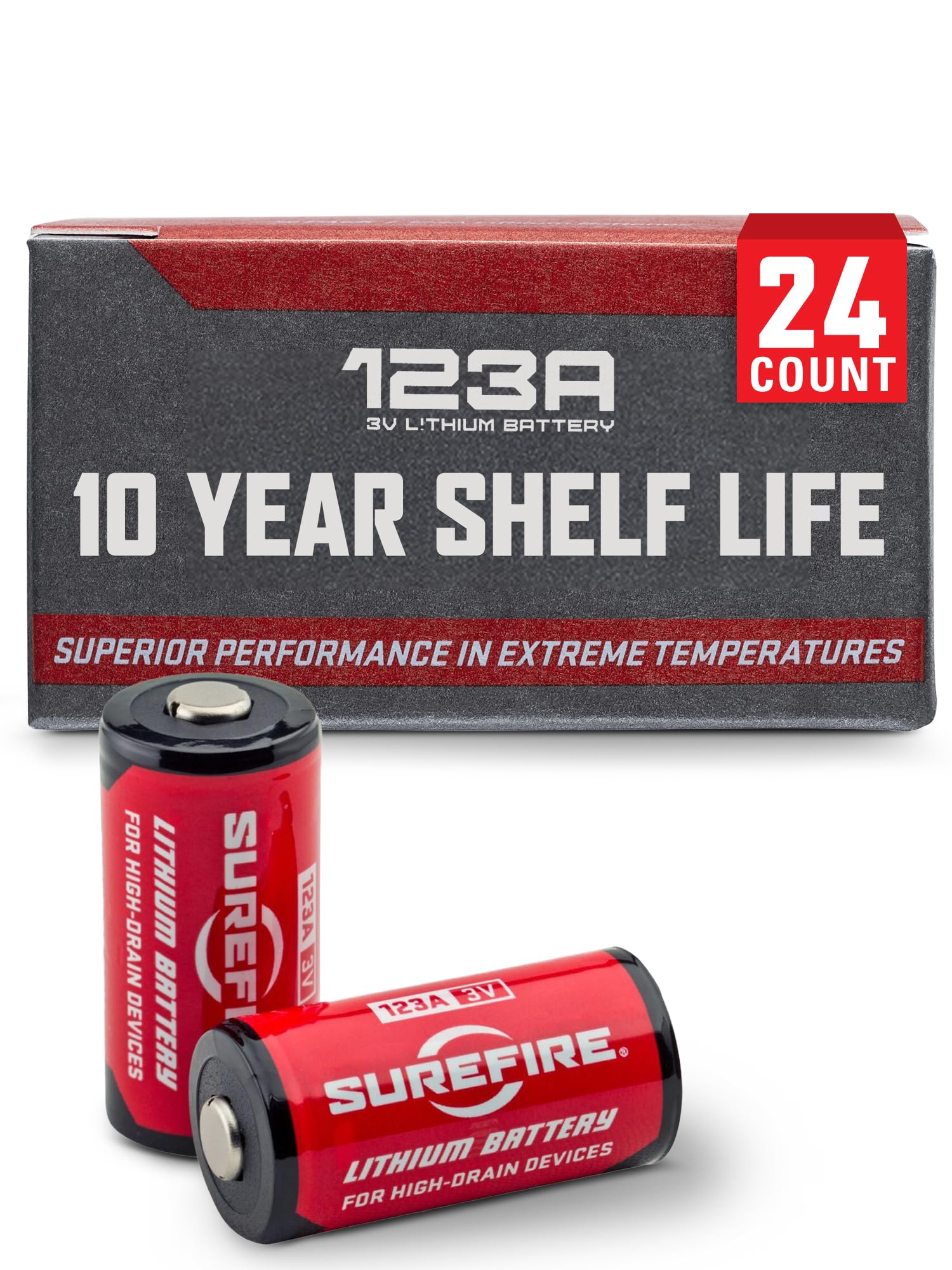
The original wire free Arlo cameras take four small CR123A lithium cells, a size also sold as 123A. These cells are single use, give a nominal output of 3 volts, and hold roughly 1,300 to 1,600 milliamp hours each. They suit cameras you check rarely and spots with no handy outlet, because a fresh set swaps in within minutes, and shelf life is long.
Rechargeable RCR123A Cells
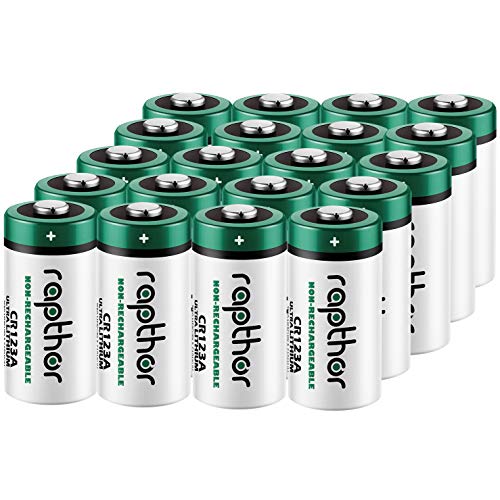
Rechargeable versions of the same small cell fit the same cameras and cut waste and repeat spending at busy locations. The catch is voltage, covered below, because some rechargeable cells in this shape run above 3 volts. Choose only cells whose maker states the output clearly and lists Arlo cameras as a supported use, plus the matching charger. For that route in depth, see our guide to the best rechargeable batteries for arlo cameras.
Removable Rechargeable Packs for Pro and Ultra Cameras
Most Pro and Ultra family cameras use one removable pack made for that camera family, charged on a dock or through a cable. One pack replaces a whole set of loose cells, so a swap takes seconds and no cell can sit the wrong way. Packs cost more up front, often about $50 to $100 each, but one charged spare can cover several cameras of the same family. Match the pack to your camera line, because packs do not swap freely between generations.
Built In Batteries You Charge in Place
Many Essential models seal the battery inside the camera, so there is nothing to buy or swap. You bring the camera indoors to charge, or add a compatible solar panel or long charging cable. This type suits anyone who dislikes handling loose cells. The tradeoff is downtime, because a camera charging indoors is not watching the door.
Key Features to Compare
Once the format is fixed, six checks separate the best batteries for arlo cameras from a set that disappoints within weeks. Work through them in order, because a failure on the first two makes the rest pointless.
Compatibility and Battery Format
Compatibility comes first, because Arlo formats look similar in photos yet differ in size, contacts and latching. Check the label inside the battery door or the battery page in the Arlo app, and match the format name exactly rather than shopping by appearance. A camera built for loose cells cannot take a pack. If you are also weighing a newer body, see our guide to the best arlo cameras.
Voltage and Battery Chemistry
Voltage is the safety check for small cell cameras. Disposable CR123A lithium cells deliver about 3 volts, which is what those cameras expect. Rechargeable cells in the same shape come in different chemistries, and plain lithium ion cells in this size can run at about 3.7 volts, which can stress or damage a camera built for 3 volts. Regulated rechargeable cells that hold output near 3 volts are the safer pattern here, and a listing that hides its output voltage is one to skip.
Capacity and Real Runtime
Capacity, printed in milliamp hours, hints at runtime but never promises it, because the camera spends most of its power while recording. A busy driveway camera recording dozens of clips a day through a weak WiFi signal can drain a set in weeks, while a quiet side gate camera may run for months. Judge capacity only within one format, and treat any fixed months claim as marketing, not a promise.
Charging Time and Spare Rotation
Rechargeable owners should plan the swap, not just the charge. A charged spare turns a low battery warning into a two minute task, while charging the only pack leaves a camera offline for hours. Note how each option charges, on a dock, by a cable into the pack, or by bringing the whole camera inside. When a set wears out, see our guide to the best replacement batteries for arlo cameras.
Cold Weather Performance and Shelf Life
Cold drains every battery faster, and outdoor cameras feel it first. Disposable lithium cells hold up in cold better than most other chemistries, which is one reason the early Arlo cameras used them. Rechargeable packs lose some runtime in a cold snap but regain capacity as they warm, so shorter winter runtime alone does not mean a pack is worn out. Store spares dry, at room temperature, away from metal that could touch the contacts.
Cost per Cycle and Safe Sourcing
Compare cost per cycle rather than cost per pack. Disposable cells cost about $12 to $25 for a set of four, and that cost repeats at every swap, while a rechargeable set costs more once and then pennies per charge. Buy from sellers who name the chemistry, voltage and capacity, because counterfeit cells can leak, swell or deliver far less than the printed rating.
Choosing Batteries for Your Situation
Two naming puzzles cause most wrong orders for the small cell cameras. The letters and numbers on a cell describe a size, while the chemistry and voltage decide whether that size is safe in your camera.
Best 123a Batteries for Arlo Cameras
Shoppers hunting the best 123a batteries for arlo cameras are looking at the same cell size as CR123A, since 123A is the shorter name for the format. Focus on three checks: lithium chemistry rather than an alkaline lookalike, a clear 3 volt rating, and a recent date on the pack. Fresh disposable cells from a known maker are the simple, safe default for this size.
Best Cr123 Battery for Arlo Cameras
The search for the best cr123 battery for arlo cameras adds one twist, because rechargeable listings use the CR123 name too. Read past the size name to the voltage line: choose disposable lithium at 3 volts, or a rechargeable cell that states a regulated output near 3 volts and names Arlo use. Skip any cell whose listing only promises a high milliamp hour figure, because that figure says nothing about voltage fit.
Setup and Care Tips for Arlo Camera Batteries
Seat loose cells in the order and direction printed inside the tray, close the door fully, and confirm in the app that it reports a full charge. For packs, push until the latch clicks, because a partly seated pack can lose contact when the mount shifts in wind. Charge the spare as soon as you install it.
Store spares in their packaging or a plastic case, away from coins, keys and tools that could bridge the contacts. Wipe contacts with a dry cloth if a camera reports a poor connection, and never charge a pack that is swollen, cracked or unusually hot. Stop using a battery in that state, keep it away from heat, and follow the maker guidance for your camera before buying a substitute.
Batteries for Arlo Cameras: Your Questions Answered
How can I tell which battery type my Arlo camera uses?
Your Arlo camera uses the battery type printed inside its battery door or listed on its support page, and that label is the authority. A tray of four small cells means CR123A, one shaped block means a removable pack, and no door at all means a built in battery. Spare listings often name camera lines rather than formats, so match both before you pay.
Can rechargeable CR123A cells damage an Arlo camera built for disposable cells?
Rechargeable CR123A cells can damage an Arlo camera when their voltage runs higher than the camera expects, which is why the voltage line matters more than the brand. Heat makes the risk worse, so a camera in direct summer sun is a poor place to trial an unproven cell. If a maker will not state output and supported uses in writing, choose a disposable lithium set instead of gambling on an unknown cell.
Why does one Arlo camera drain its battery so much faster than another?
One Arlo camera drains faster than another mainly because it records more, and small setting changes can widen that gap a lot. Lowering motion sensitivity a step, shortening clip length, or aiming the camera away from a busy street can stretch a battery without buying anything. Distance matters too, since a camera at the edge of WiFi range works harder to stay connected. Test one change for a week before blaming the battery.
How should I dispose of used lithium batteries from an Arlo camera?
Dispose of used lithium batteries from an Arlo camera through a battery recycling point, never in household trash, since many hardware stores and city programs accept them at a counter. Cover the contacts of loose cells with tape before you drop them off, because bare contacts can touch inside a collection bin. Keep used cells in a non metal container while you gather a batch, and hand swollen cells to staff in person.
Wrapping Up
Match the format first, check voltage second, and only then compare capacity, cold weather behavior and cost per cycle. Disposable lithium cells suit quiet cameras and cold spots, regulated rechargeable cells suit busy cell cameras, and packs suit Pro and Ultra owners who keep a charged spare. Use the product table above to confirm format and price.
Chosen that way, the best batteries for arlo cameras stop being a guess and become a short checklist you can reuse at every swap. Keep one charged spare ready, and your cameras will watch the house instead of waiting on a charger.