Best Bathtub Scrubber in 2026: Which Type Is Right for You?
Disclosure: We may earn a commission when you buy through links on this page, at no extra cost to you. As an Amazon Associate I earn from qualifying purchases. Learn more

The best bathtub scrubber matches your tub, budget, and routine. Compare reach, head shape, power, and upkeep across each type.
Choosing a tub cleaner can feel confusing, because scrubbers differ in reach, head shape, stiffness, and power, and each design suits a different cleaning job. A short hand scrubber works well for spot cleaning, while a long handled tool helps you reach the far end of the tub without kneeling. The best bathtub scrubber for your home depends on your tub shape, your storage space, and how much scrubbing you want to do by hand. The comparison table below lays out the main types side by side so you can compare them at a glance.
This guide compares each type in plain terms, then walks through price, size, and upkeep so you can pick with confidence. You will learn which heads suit soap scum, which handles help with reach, and which designs are easiest to rinse and store. Use the type comparison first, then match the details to your tub and your routine.


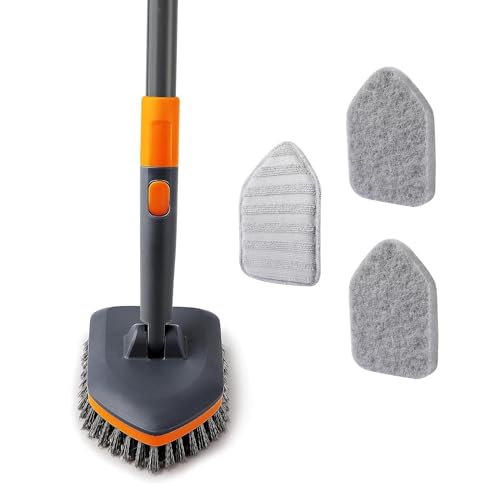
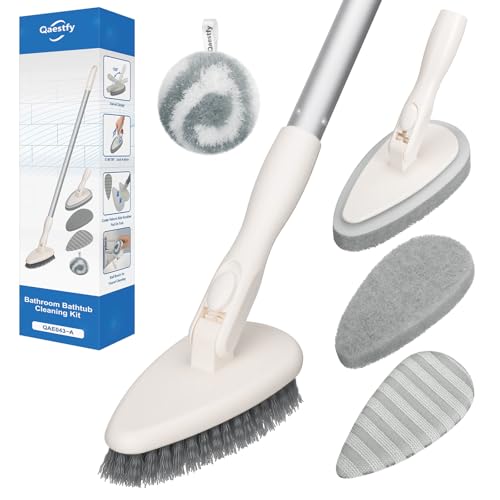

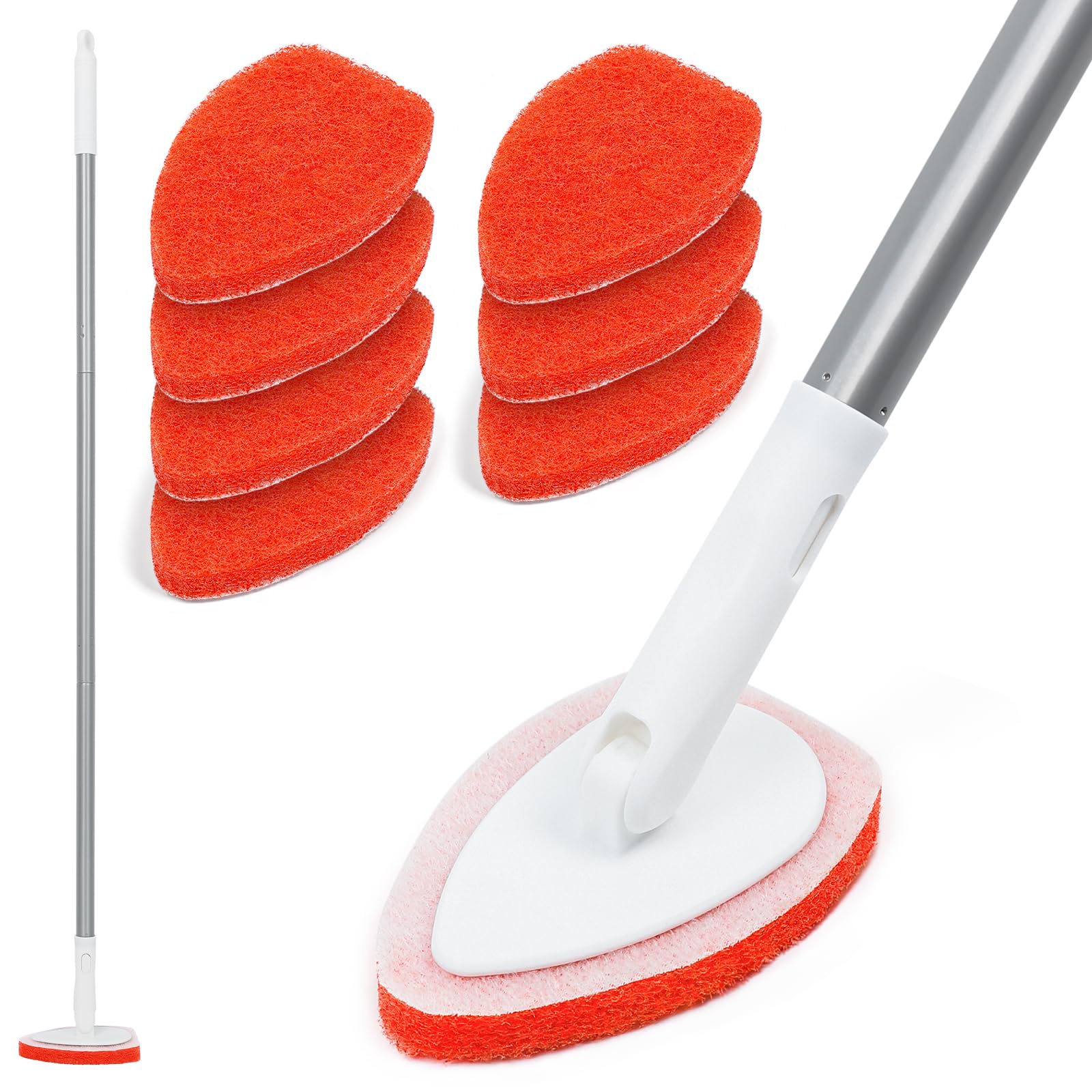
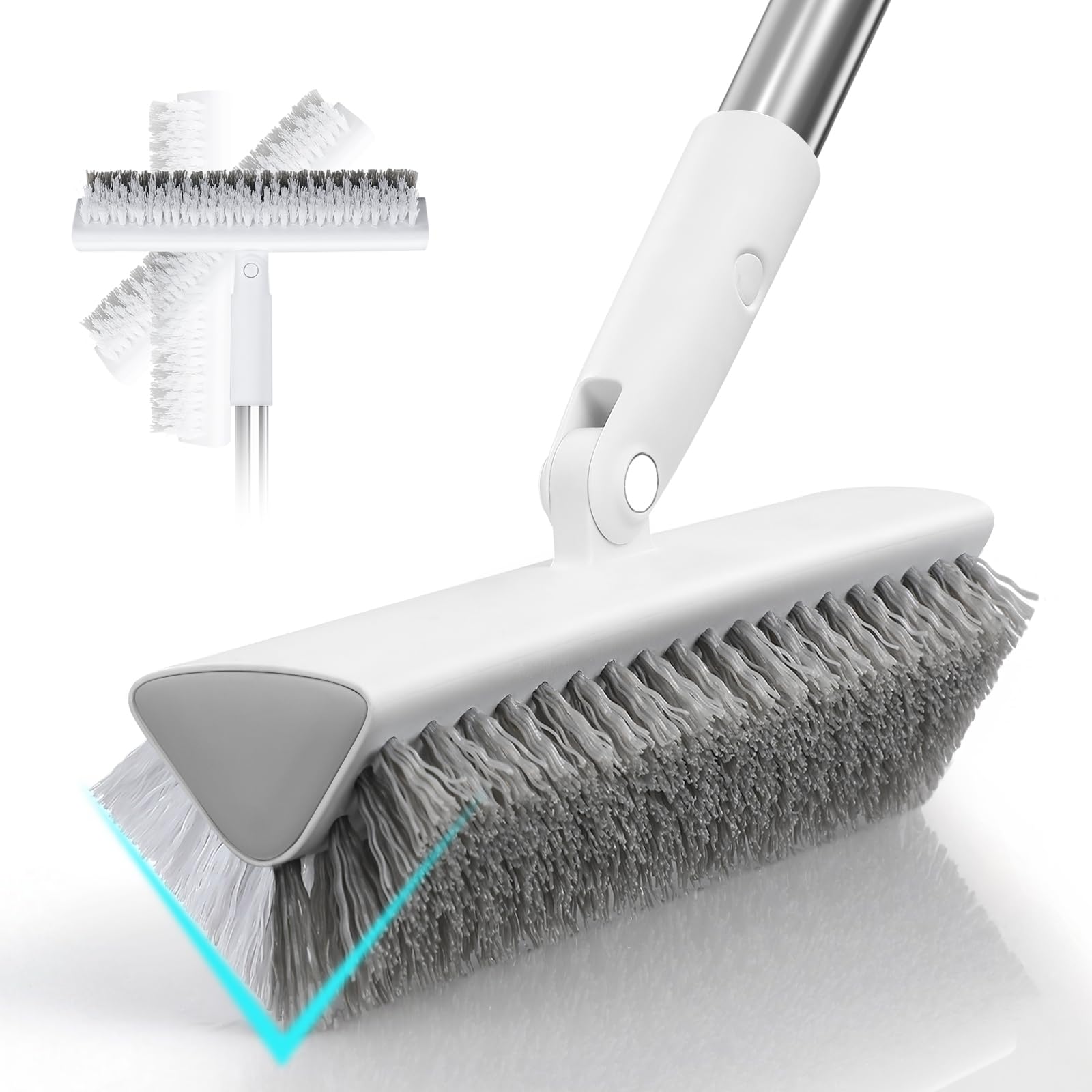
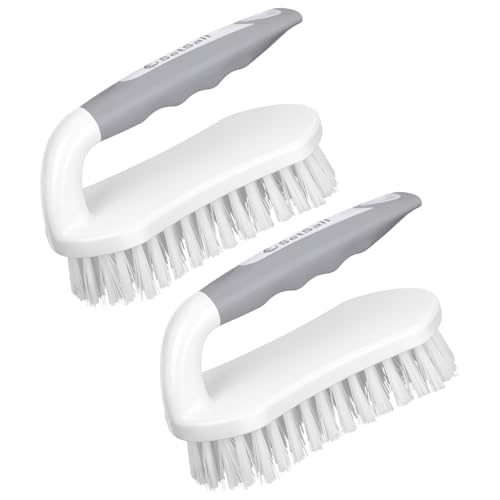
Types of Bathtub Scrubbers Compared
Scrubbers fall into a few broad groups, and the differences matter more than brand names. Hand held pads and brushes give you close control for corners and fixtures. Long handled brushes and mops extend your reach and keep you upright.
Powered scrubbers add motion for larger areas, but they need charging and care. The table below is a quick map, and the sections that follow explain each group in more detail.
| Type | Best For | Pros | Cons | Typical Price |
|---|---|---|---|---|
| Compact hand scrubber | Spot cleaning and corners | Precise control, easy storage | Short reach, more effort | around $8 |
| Budget brush | Basic weekly cleaning | Low cost, simple design | Shorter life, fewer head options | around $12 |
| Mid range long handle tool | Full tub cleaning without kneeling | Good reach, replaceable heads | Needs storage space | around $25 |
| Premium powered scrubber | Large tubs and frequent cleaning | Less hand effort, wider heads | Needs charging, heavier | around $45 |
Compact Options
Compact scrubbers are small pads, brushes, or sponges that fit in one hand and suit tight spots. They work well around drains, faucets, and the curved ends of a tub, where a large head cannot reach. Their main limits are reach and effort, since you must bend or kneel to clean the far side of a large tub. Choose a compact tool when your tub is small, when you clean often in short bursts, or when you want a second tool for detail work.
Head shape matters here more than size alone. A flat pad covers smooth areas quickly, while a narrow brush head gets into grout lines and around fixtures. A soft pad suits daily wiping, and a firmer brush suits dried soap scum. Keep a compact tool near the tub if you want quick touch ups between deeper cleans.
Budget Options
Budget scrubbers are simple brushes or pads with basic handles and few extras. They suit households that want a straightforward tool for weekly cleaning without paying for power or replaceable heads. Their main trade off is durability, since cheaper handles can flex and cheaper heads can wear faster. Still, a budget tool can clean well if you match the head to the job and replace it when the bristles bend or the pad thins.
Look for a budget tool with a comfortable grip and a head that rinses clean, because those two traits affect daily use more than fancy features. Avoid very soft heads for heavy soap scum, and avoid very stiff heads on delicate finishes. A budget tool is a good first choice when you are still learning which head shape you prefer.
Mid Range Options
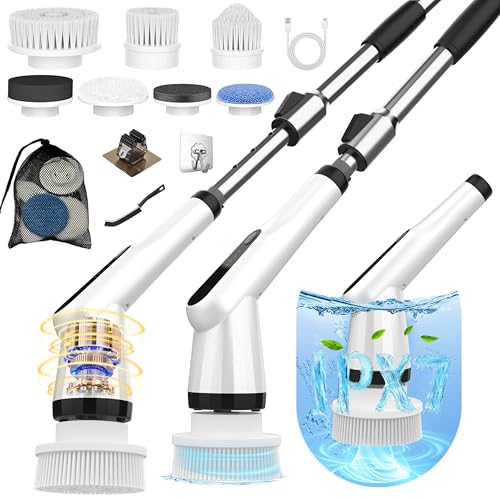
Mid range scrubbers usually add a longer handle, a pivoting head, or replaceable pads and brushes. That combination suits full tub cleaning, because you can reach the far wall while standing and switch heads for different surfaces. A pivoting head helps on curved tub walls, while a flat head covers the floor quickly. These tools cost more than basic brushes, but replaceable heads can lower the long term cost.
Storage is the main point to check before you buy a mid range tool. A long handle needs a hook or a tall cabinet, and a tool that cannot hang may end up leaning in a corner. Check the handle length against your tub depth and your own reach, so you do not end up with a tool that is too long to control or too short to help.
Premium Options
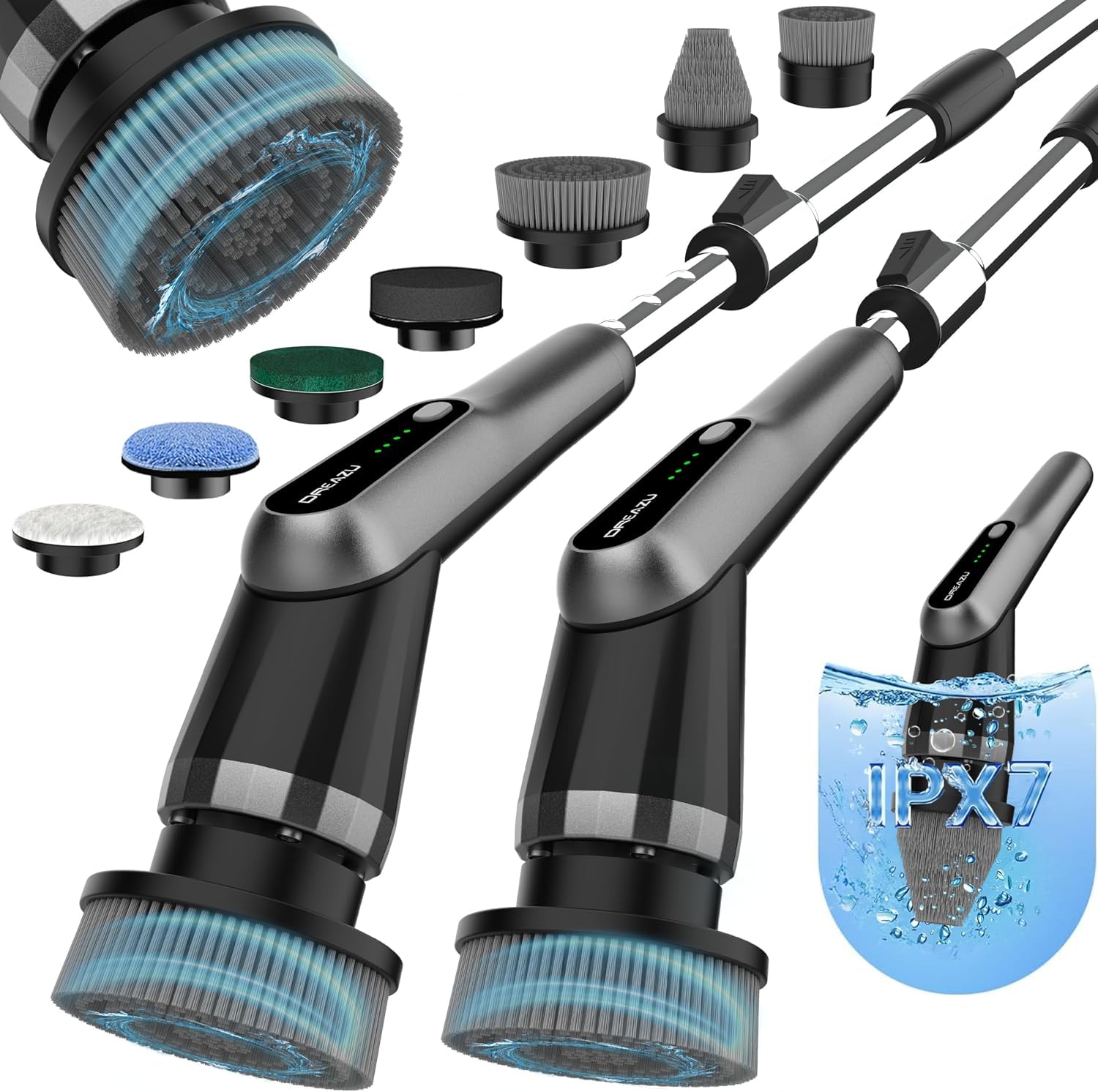
Premium scrubbers are usually powered tools with a motor that spins or vibrates the head. They suit large tubs, frequent cleaning, or households where hand scrubbing feels tiring. A powered head can cover a wide area with less pressure from you, and wider heads speed up floor cleaning. The trade offs are weight, charging time, and upkeep, since you must rinse the head, dry the tool, and charge it between uses.
Power does not replace good technique. You still need the right head for the surface, and you still need to rinse soap residue away, or the tub will look streaked. Choose a premium tool only when you clean a large tub often and you have a place to charge and store it. For a small tub cleaned once a week, a simpler tool often does the same job.
Compact Options vs Budget Options: Which Should You Choose?
Compact and budget tools overlap in price, but they differ in purpose. A compact tool wins on precision and storage, while a budget brush wins on simple coverage for a standard tub. Compare them on reach, head choice, effort, storage, and replacement cost.
If you clean small areas often, pick the compact tool. If you want one tool for a weekly full clean at low cost, pick the budget brush. Many households keep both, using the compact tool for corners and the budget brush for the main surfaces.
How to Choose the Best Bathtub Scrubber
Choosing well means matching the tool to your tub, your cleaning routine, and your storage. Start with tub size and shape, then think about how often you clean and how much effort you want to spend. Price matters, but a tool that is hard to store or hard to rinse will go unused, no matter how cheap it was. The sections below break the choice into price, use, specs, size, and upkeep.
Price vs Value
Budget tools run about $8 to $15 and suit basic weekly cleaning. Mid range tools run about $20 to $35 and often add a longer handle or replaceable heads.
Premium powered tools run about $40 to $70 and suit large tubs or frequent cleaning. Value comes from how long the tool lasts and how well it fits your routine, not from the price tag alone. A mid range tool with replaceable heads can cost less over time than a cheap tool you replace every few months.
Intended Use and Who It Is For
Think about who cleans the tub and how they prefer to work. A person who likes quick daily wipes needs a light tool that hangs nearby. A person who does one deep clean each week may prefer a long handle tool that covers the whole tub in fewer passes.
Households with hard water or heavy soap scum need firmer heads, while households with delicate finishes need softer heads. Match the tool to the main cleaner, not to an ideal routine you rarely follow.
Key Performance Specs
The most useful specs are head width, head stiffness, handle length, and, for powered tools, battery run time. Head width affects how fast you cover the tub floor. Head stiffness affects how well the tool lifts soap scum without scratching the finish.
Handle length affects reach and control, and battery run time affects whether a powered tool finishes a full clean on one charge. Check these specs against your tub size, because a wide head that cannot fit around fixtures will slow you down.
Size, Weight, and Fit for Your Space
Measure your tub length and depth, then check the tool length and head width against those numbers. A long handle helps in a deep tub, but it can feel awkward in a small shower tub. Weight matters for powered tools, since a heavy tool tires your arm during a long clean.
Storage matters for every type, so check whether the tool can hang on a hook or fit in a cabinet. A tool that fits your space will be used more often than one that must be stored far from the bathroom.
Maintenance and Long Term Costs
Long term cost includes replacement heads, pads, and batteries, not just the first purchase. Rinse the head after each use, shake out loose debris, and let the tool dry before you store it. Check the maker guidance before you use strong cleaners, because some chemicals can damage pads, bristles, or powered parts. Replace a head when bristles bend, pads thin, or cleaning takes noticeably longer, since a worn head spreads grime instead of lifting it.
Tips to Get the Most From Your Bathtub Scrubber
Read the manual before first use, then try a new head on a small, hidden area before you scrub the whole tub. Clean and inspect regularly, looking for bent bristles, torn pads, or loose joints. Store in a dry place, hanging if possible, so the head can dry fully between uses. Rinse the tub well after scrubbing, because leftover cleaner can leave streaks and make the next clean harder.
When you plan a wider bathroom refresh, the tub itself shapes which scrubber works best. A freestanding shape, for example, changes reach and storage, so see our guide to best freestanding bathtubs before you settle on a long handle tool. For the surfaces around the tub, our guide to best quality bathtubs covers finish and fit, and our guide to best caulk for bathtubs explains sealing around edges. These guides sit with the product table above as background, not as a replacement for checking your own tub.
Bathtub Scrubbers: Your Questions Answered
How long does a bathtub scrubber last?
Most scrubbers last about six months to two years, depending on head type, cleaning frequency, and care. Pads wear fastest, brushes last longer when rinsed and dried, and powered tools last longest when batteries are charged as the maker directs. Signs of wear include bent bristles, thinning pads, loose heads, and cleaning that takes longer than before. Replace the head or the tool when wear slows cleaning, even if the handle still looks fine.
What features matter most when buying bathtub scrubbers?
Head shape, head stiffness, handle length, and ease of rinsing matter most for most households. Head shape decides whether you can reach corners and fixtures. Stiffness decides whether the tool lifts soap scum without harming the finish. Handle length decides reach and comfort, and easy rinsing decides whether the tool stays fresh, while power and extra heads matter less than those four basics, so add features only when they solve a real problem.
How do I maintain a bathtub scrubber?
Rinse the head under warm water after each use and remove hair and debris before it dries. Wash pads and brushes with mild soap, rinse well, and hang the tool so air reaches the head. Check joints and handles for looseness, and check powered tools for battery and seal guidance from the maker. Store the tool in a dry place, not sitting in a puddle, and replace heads on schedule rather than waiting until cleaning stops working.
Are expensive bathtub scrubbers worth it?
A pricier scrubber can be worth it when it adds reach, replaceable heads, or power that fits a large tub or a frequent routine. It is less useful when the only difference is packaging or a wider head that cannot fit your tub. Compare the pricier option on handle length, head options, battery run time, and replacement cost, not on price alone. If a simpler tool already cleans your tub well, the extra spend may add little in daily use.
How much should I spend on a bathtub scrubber?
Most households do well spending about $10 to $30, which covers a solid hand tool or a mid range long handle tool. Spending about $40 to $70 makes sense for a powered tool used on a large tub several times a week. Below $10, check grip comfort and head quality, since a tool that feels awkward will go unused. Judge value by fit, head options, and replacement cost, not by the first price you see.
Wrapping Up
Start with your tub size and your cleaning routine, then choose a head shape and handle length that fit both. Compact tools suit detail work, budget tools suit simple weekly cleaning, mid range tools suit full tub reach, and powered tools suit large or frequent jobs. Check the product table above once more against your storage space and your budget, then pick the type you will actually use. The best bathtub scrubber is the one that reaches every corner, rinses clean, and stays within easy reach for the next clean.