Best Bathtub Faucets for 2026: How to Choose
Disclosure: We may earn a commission when you buy through links on this page, at no extra cost to you. As an Amazon Associate I earn from qualifying purchases. Learn more
Best bathtub faucets for your tub: compare mount types, spout reach, finish and valve quality before you buy.
There is no single faucet that suits every tub, because a wall mount faucet, a deck mount faucet and a freestanding filler each solve a different layout problem. Choosing best bathtub faucets starts with how you actually bathe, how much room you have around the tub, and whether you want a shower handset as well. The product table lets you compare the picks, and this guide helps you narrow the choice before you compare finishes and valves.
This guide covers mounts, spout reach, finishes, valves and installation, so you can buy with confidence and avoid a faucet that looks right but fits badly.
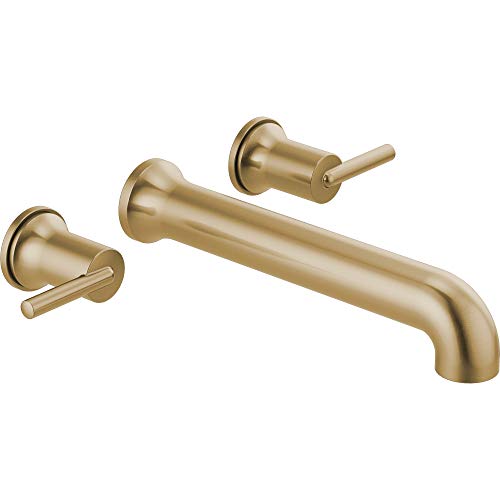

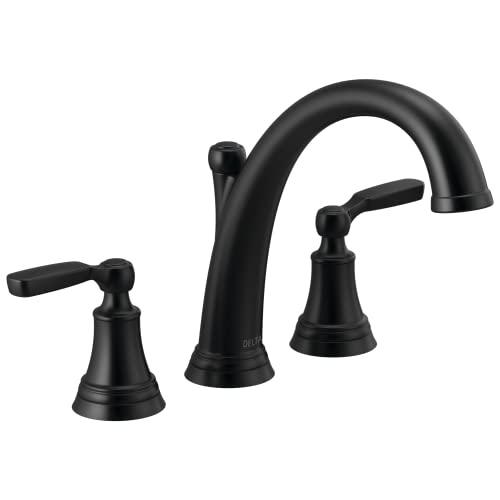

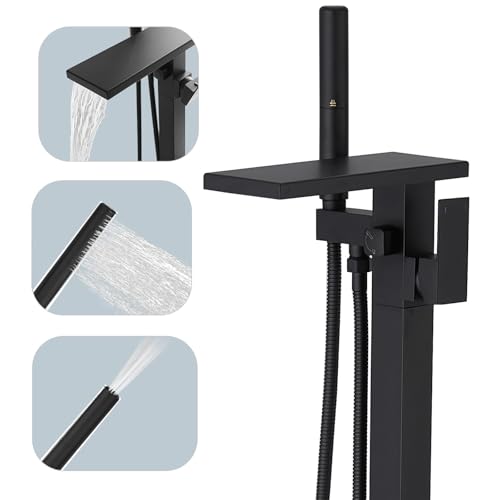
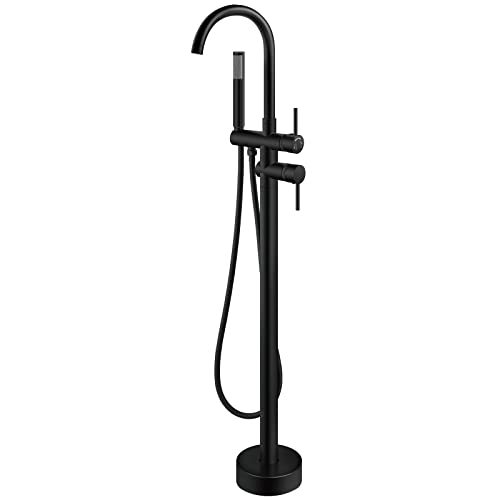
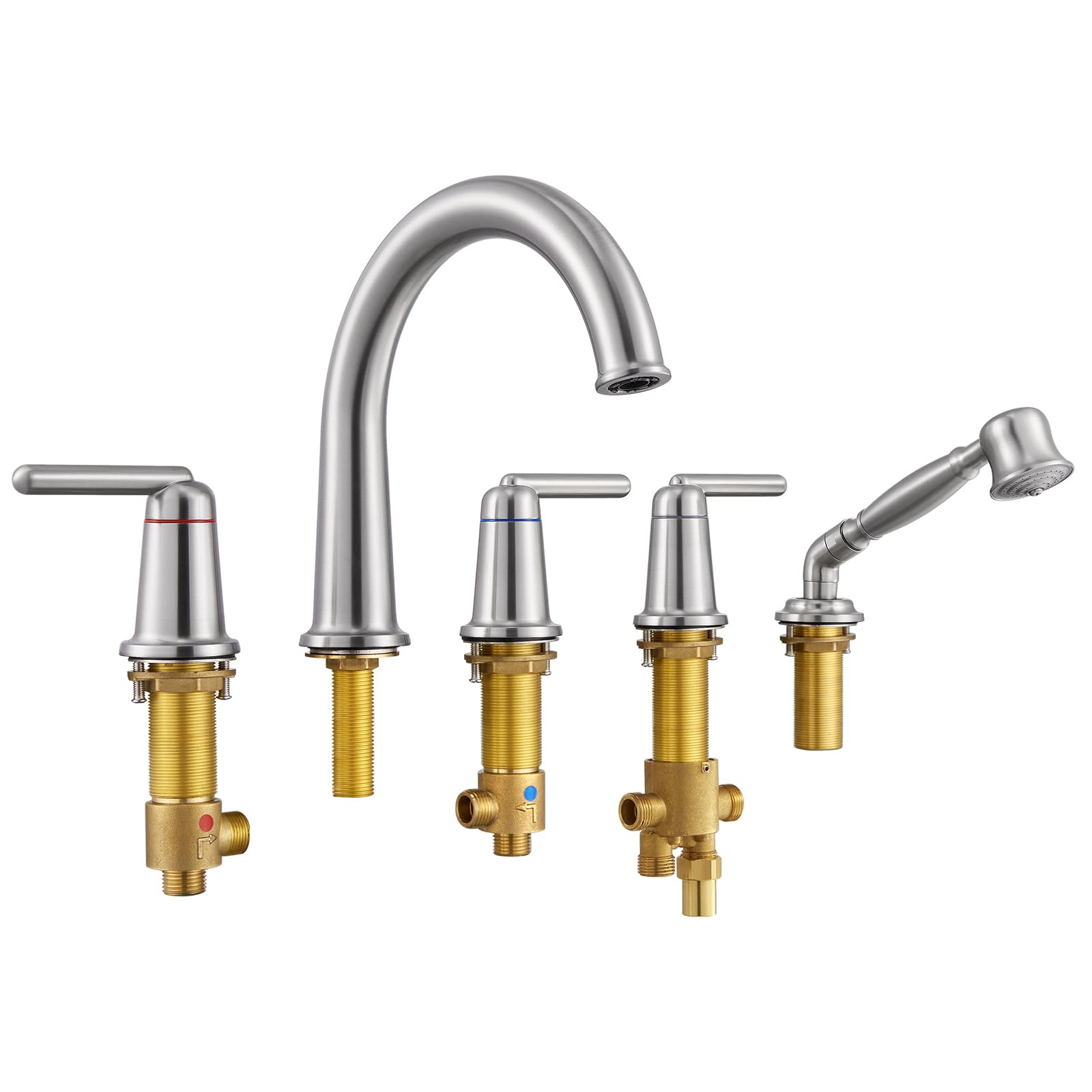
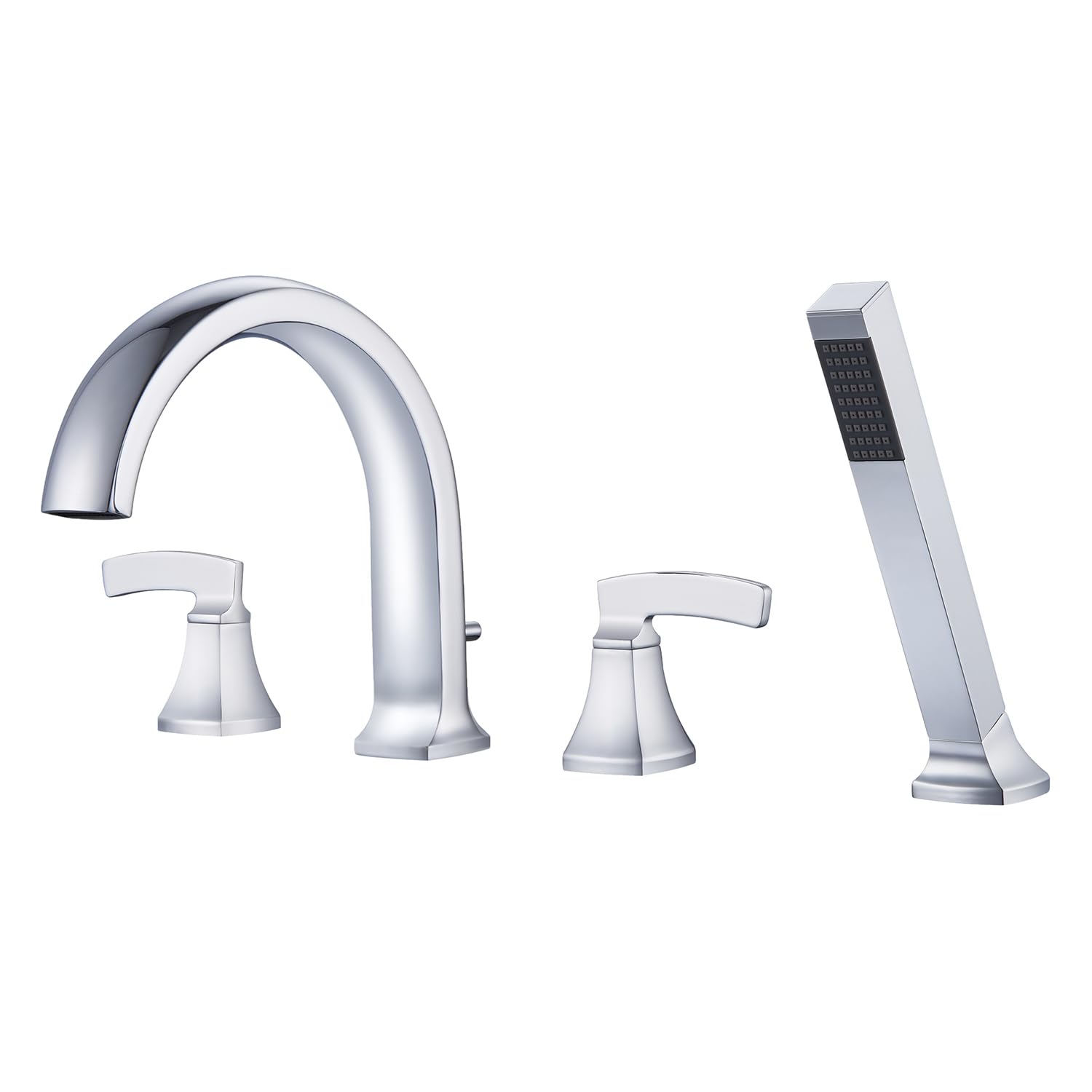
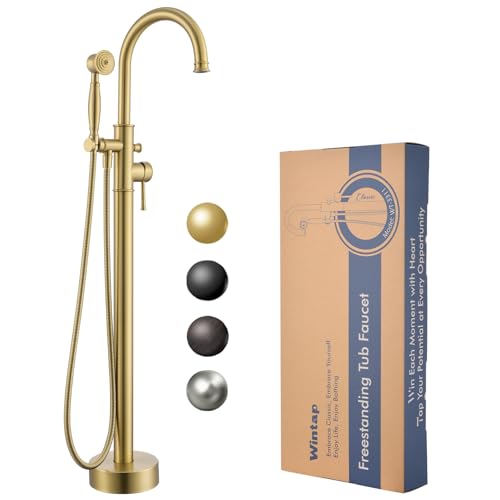
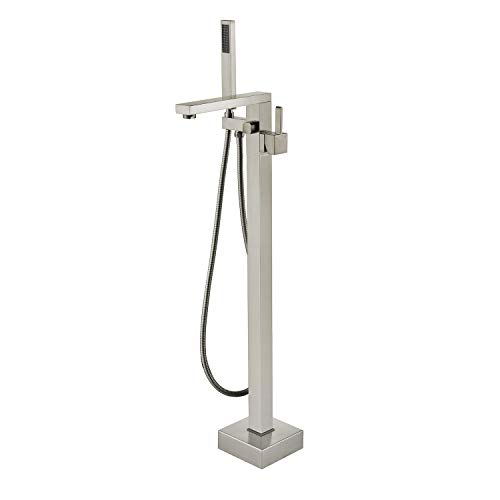
Best Bathtub Faucets: Who Should Buy Which Type?
For Small Bathrooms and Tight Layouts
Small bathrooms need a faucet that fits the tub edge or the wall without crowding the space around it. A compact wall mount or a short deck mount faucet keeps the tub rim clear and leaves room for soap, a caddy or a handset holder. Measure the distance from the mounting surface to the center of the tub drain before you shop, since a spout that is too short will splash against the tub wall.
Keep controls within easy reach from outside the tub, especially if the bathroom is shared or used by older family members. A single lever control is easier to operate with wet hands than separate hot and cold handles in a tight space. Check that the spout does not block a window, a shelf or a shower screen when it is swung into place.
For Occasional Bathers on a Budget
Occasional bathers need a reliable basic faucet, not a long list of extra features. A simple deck mount or wall mount faucet with a durable valve and a plain finish covers a weekly bath well and costs less than a designer style. Spend the savings on a good valve cartridge, since that part decides whether the faucet drips or runs smoothly after a few years.
Skip touchless controls, built in lighting and other extras if you bathe rarely, because each extra feature adds cost and another part that can fail. A standard spout with a hand shower option gives useful flexibility without much extra expense. Look for a finish that wipes clean easily, since a rarely used bathroom still collects dust and water marks.
For Serious Soakers Who Bathe Often
Frequent bathers should focus on flow, comfort and durability above all else. A high flow spout fills a deep tub faster, which matters when you bathe most days and do not want to wait for the tub to fill. A hand shower is also valuable here, since it makes rinsing hair and cleaning the tub much easier after a soak.
Choose a solid brass body and a ceramic disc valve if your budget allows, because those parts handle daily use and hard water better than thin plastic parts. A finish that resists water spots will also save cleaning time over months of frequent use. Think about control placement too, so you can adjust temperature without leaning across a full tub.
For Busy Families Sharing One Bathroom
Shared bathrooms need a faucet that is tough, easy to clean and simple for everyone to use. A sturdy deck mount or wall mount faucet with clear hot and cold markings helps guests and family members use it without confusion. A hand shower makes it quicker to rinse the tub between baths.
Check whether the faucet or valve offers an adjustable temperature limit, and follow the manufacturer's instructions to set it. Choose a finish that hides fingerprints and water spots, because a shared bathroom is cleaned often and a high maintenance finish adds work. Check that handles are easy to grip with wet or soapy hands.
Key Features to Compare
Finish and Material
Finish affects both looks and cleaning effort. Chrome is bright, widely available and easy to wipe clean, but it shows water spots clearly in hard water areas. Brushed nickel and matte black hide spots better, yet matte finishes need gentle cleaning, since abrasive pads can dull them over time. Stainless and brass bodies tend to last longer than thin coated parts, so ask what the faucet body is made of, not just what the surface looks like.
Match the finish to the rest of the bathroom, but do not let looks override durability. A faucet that matches perfectly yet drips after a year is a poor buy. If your water is hard, a finish that hides mineral marks will look better between cleans and need less scrubbing.
Reach, Height, and Clearance
Spout reach is the distance from the mounting surface to where the water lands, and it must suit your tub. A spout that is too short sends water against the tub wall, while a spout that is too long can splash outside a narrow tub. Measure from the wall or deck to the tub center, and compare that number with the maker spout reach figure.
Height matters for freestanding tubs and for tubs used with a shower. A tall filler looks striking beside a freestanding tub, but it must clear any nearby shelf or window. For a tub shower combination, check that the spout and handset sit high enough for comfortable showering without hitting a shower screen. See our guide to best quality bathtubs for tub shapes that change which spout height works best.
Installation and Hole Count
Hole count decides which faucets fit your tub or deck without extra drilling. A single hole deck mount needs only one opening, while a widespread set needs three holes for the spout and two handles. A wall mount faucet needs plumbing inside the wall, which is a bigger job in an existing bathroom than in a remodel.
Check your current setup before you shop, and count the holes on your tub deck or wall plate. If you are replacing a faucet, matching the hole count avoids patching or drilling. A deck plate can cover extra holes in some cases, but it changes the look, so confirm the plate size suits your tub deck. Follow maker guidance and local codes, and hire a licensed plumber for wall plumbing or any work you are unsure about.
Faucet Style
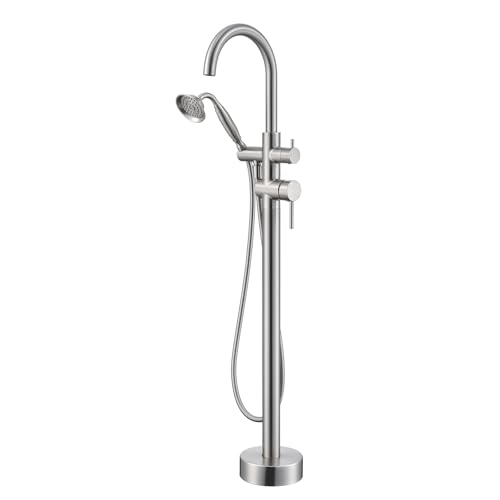
The main styles are deck mount, wall mount, freestanding and tub shower combinations. Deck mount faucets sit on the tub rim and suit many standard tubs. Wall mount faucets free the tub rim and suit a clean modern look, but they need wall plumbing. Freestanding fillers stand on the floor beside a freestanding tub and suit a statement bathroom, but they cost more and need floor plumbing. Our guide to best freestanding bathtub faucets goes deeper on that style.
Hand showers, pull out sprayers and touchless controls are add ons rather than styles on their own. A hand shower is the most useful add on for most buyers, since it helps with rinsing and cleaning. Touchless controls suit shared bathrooms where hygiene matters, but they need power and add complexity. Choose the mount first, then decide which add ons you will actually use.
Valve Cartridge and Durability
The valve cartridge controls water flow and temperature, and it is the part most likely to wear out. Ceramic disc cartridges are the most durable common type, since ceramic discs resist wear and seal well even in hard water. Compression valves are older and cheaper, but they need washers replaced more often and drip sooner.
Ask whether the cartridge is a standard size that a plumber can replace easily, since a rare cartridge can turn a small repair into a long wait. A good warranty on the cartridge is a useful sign, but the maker reputation for spare parts matters just as much. For a full bathroom faucet comparison, see our guide to best bathroom faucets, which covers valve types in more detail.
Common Mistakes to Avoid When Buying Bathtub Faucets
- Buying on price alone, then facing a dripping valve or a finish that peels within a year.
- Ignoring finish and material, and choosing a look that needs constant cleaning in hard water.
- Buying a spout that is too short or too long for the tub, which causes splashing or awkward filling.
- Skipping a hole count check, then finding the new faucet does not fit the tub deck or wall.
- Forgetting to check the warranty and spare part availability before ordering.
Setup and Care Tips
Clean aerators every few months, since mineral buildup narrows flow and makes a good faucet feel weak. Wipe finishes with mild soap and a soft cloth, and avoid abrasive pads that can scratch chrome or dull matte finishes. Check under the tub and around supply lines for leaks after installation and again after the first few weeks of use.
For sealing around the tub edge, see our guide to best caulk for bathtubs, since a clean seal stops water reaching the floor and the wall behind the tub. Rinse the hand shower after each use in hard water areas, and dry the spout after baths to slow mineral buildup. Small regular care keeps a faucet running smoothly far longer than a rare deep clean.
Bathtub Faucets: Your Questions Answered
What finish is easiest to keep clean on a bathtub faucet?
Brushed nickel is usually the easiest finish to keep clean, because it hides water spots and fingerprints better than polished chrome. Chrome is still easy to wipe, but it shows every spot in hard water areas, so it needs wiping more often. Matte black hides spots well too, yet it needs gentle cleaning, since harsh pads can dull the surface over time and leave visible marks.
Can I install a bathtub faucet myself?
You can install a deck mount bathtub faucet yourself if you have basic plumbing skills, the hole count matches, and the supply lines are easy to reach. Wall mount and freestanding faucets are harder, since they need plumbing inside a wall or floor and a mistake can leak inside the structure. If you are unsure about shut off valves, sealing or local codes, hire a licensed plumber rather than risking water damage.
Are touchless bathtub faucets worth it?
Touchless bathtub faucets are worth it mainly in shared bathrooms where hygiene and easy operation matter, since they reduce handle contact and make the tub easier to use for guests. They cost more, need power or batteries, and add electronics that can fail, so they are less attractive for a rarely used guest bathroom. For most private bathrooms, a good manual faucet with a hand shower gives better value.
How long do bathtub faucets last?
A well made bathtub faucet lasts about 15 to 20 years, with the valve cartridge usually needing replacement once during that time. Cheap faucets with thin bodies and compression valves often drip much sooner, especially in hard water areas. Regular cleaning, aerator care and prompt cartridge replacement extend life, while ignoring a small drip lets mineral buildup damage the valve seat and shorten the faucet life.
Wrapping Up
The best choice comes down to three points: a mount and spout reach that fit your tub, a durable ceramic disc valve, and a finish you can live with cleaning. Get those right, and the faucet will serve you for years without fuss. For most buyers, best bathtub faucets means a solid deck mount or wall mount faucet with a hand shower, and the product table can help you compare the options before you buy.