Best Quiet Garbage Disposals: A Noise-Focused Buying Guide
Disclosure: We may earn a commission when you buy through links on this page, at no extra cost to you. As an Amazon Associate I earn from qualifying purchases. Learn more
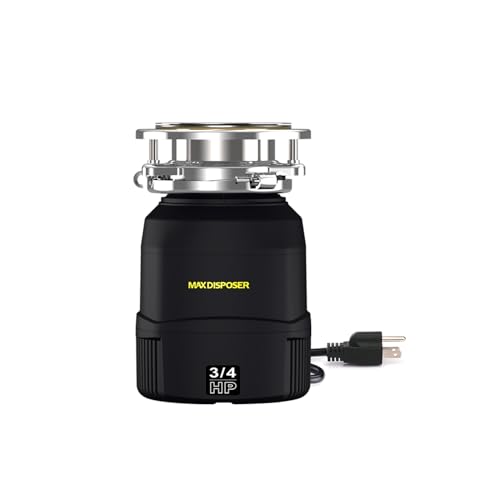
A buying guide to quiet garbage disposals covering decibel ratings, motor type, insulation, grinding stages, and mounting.
A grinding, rattling disposal can dominate an open kitchen the moment it switches on, interrupting conversation, waking a sleeping baby down the hall, or making video calls awkward for anyone working from home nearby. The best quiet garbage disposals tackle this specific problem through motor design, sound insulation, and mounting choices that standard models often skip entirely. Understanding what actually reduces noise, rather than just trusting a "quiet" label, helps you shop with real confidence.
This guide focuses specifically on the noise-reduction features that separate a genuinely quiet disposal from one that just claims to be.

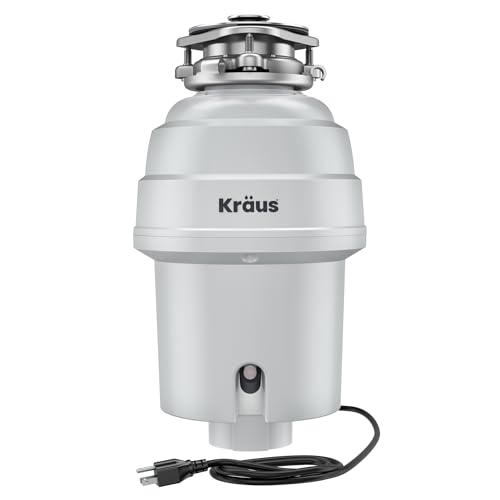

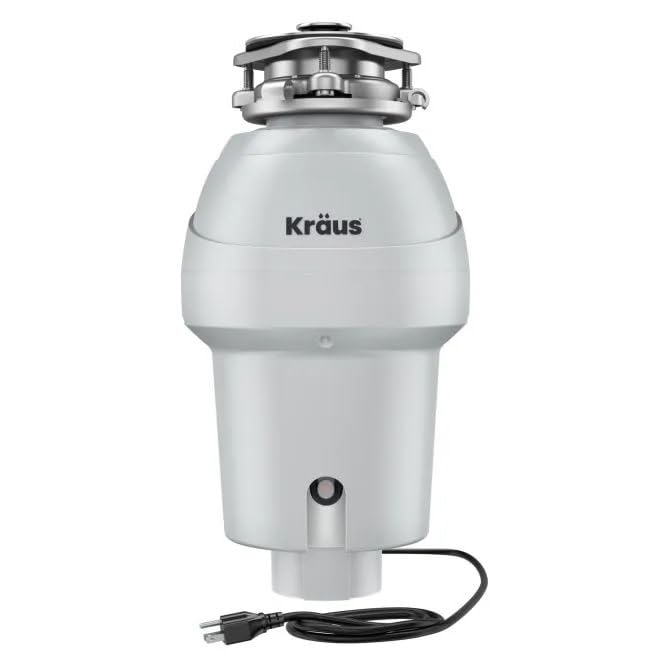
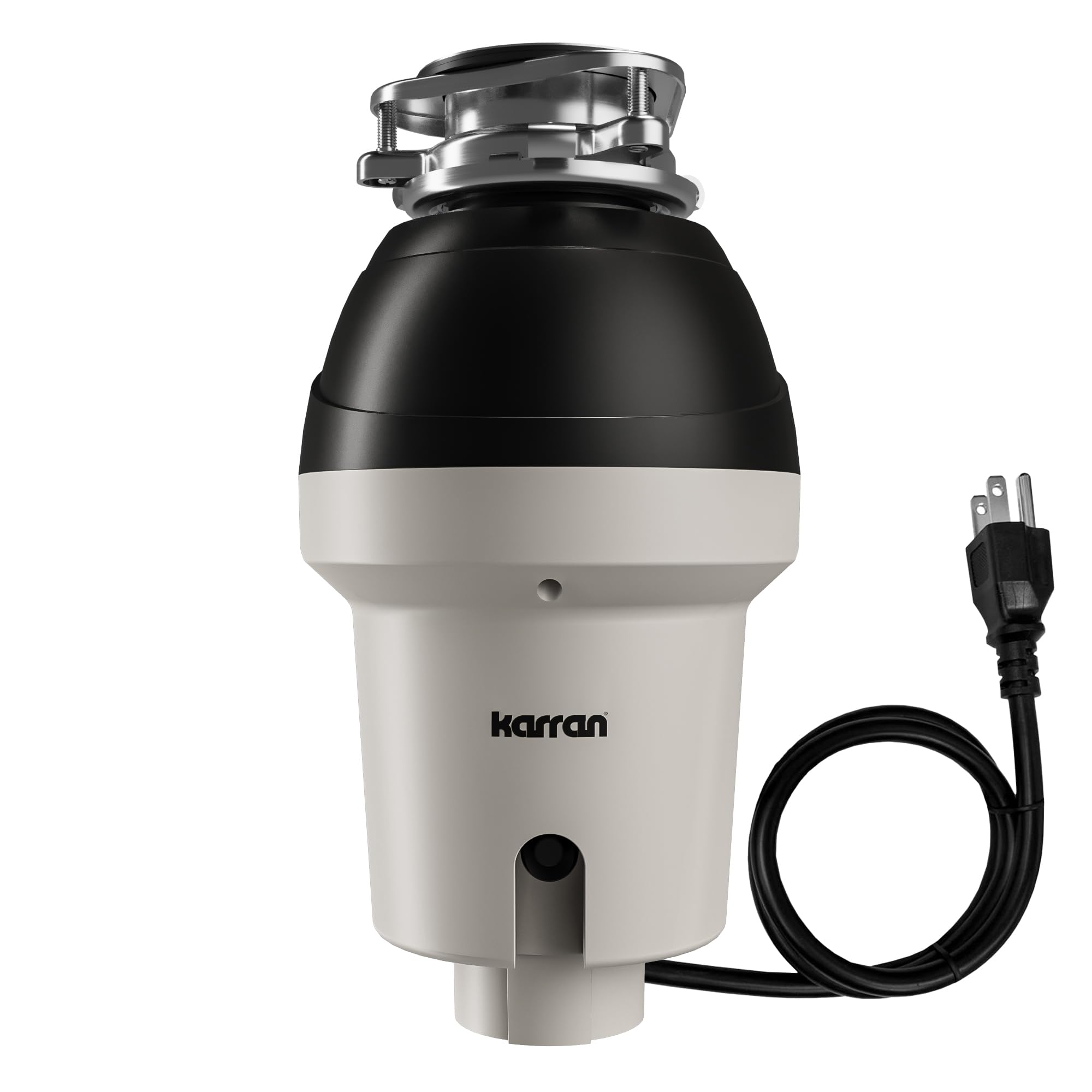
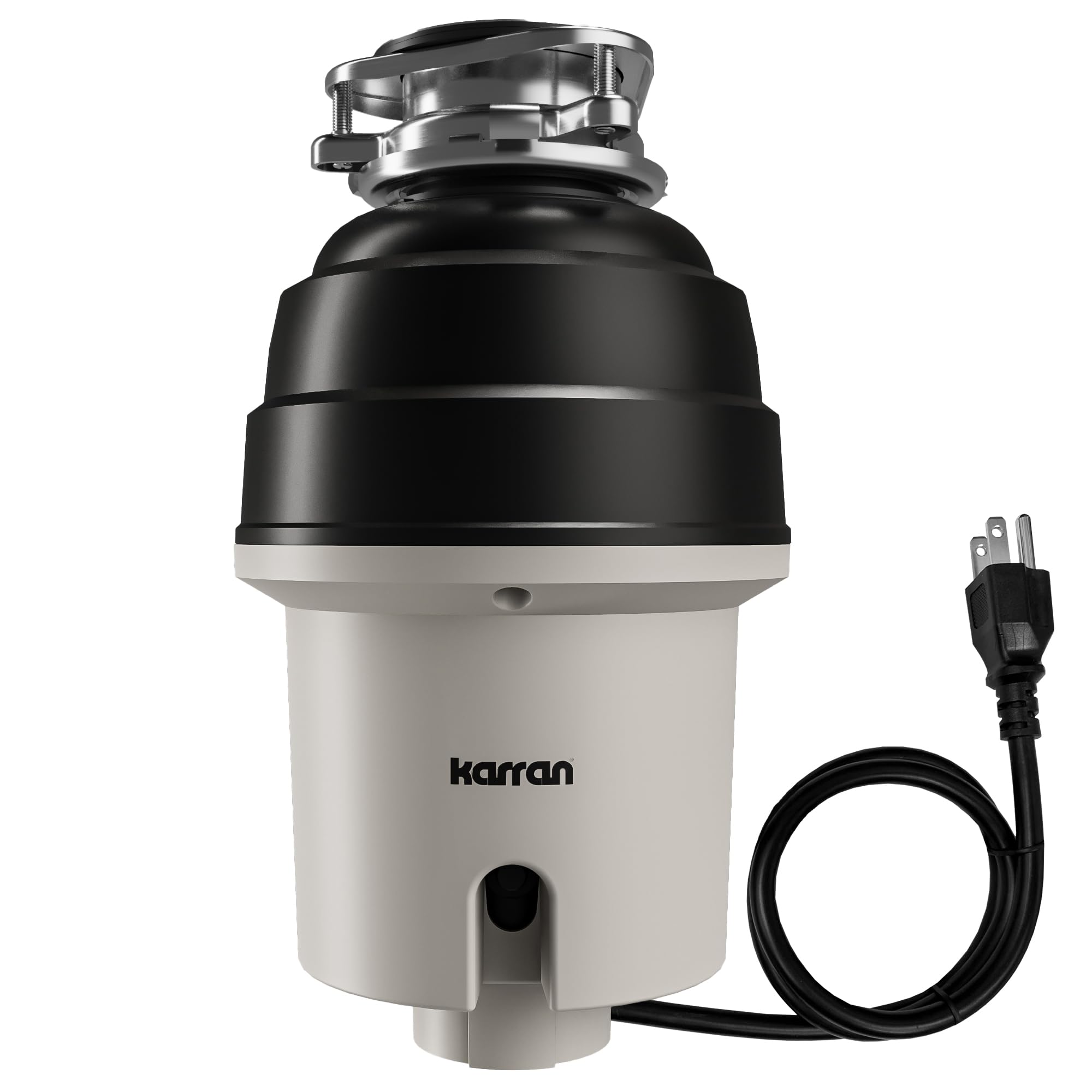
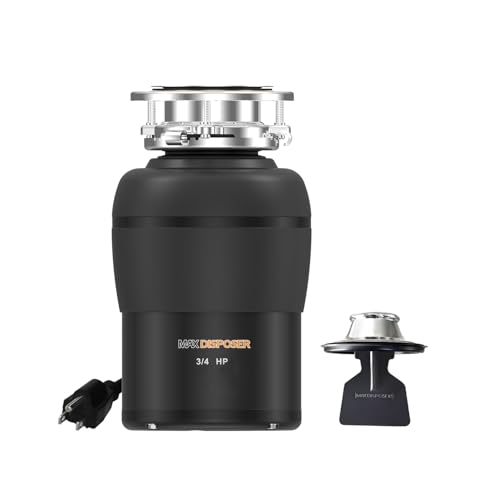
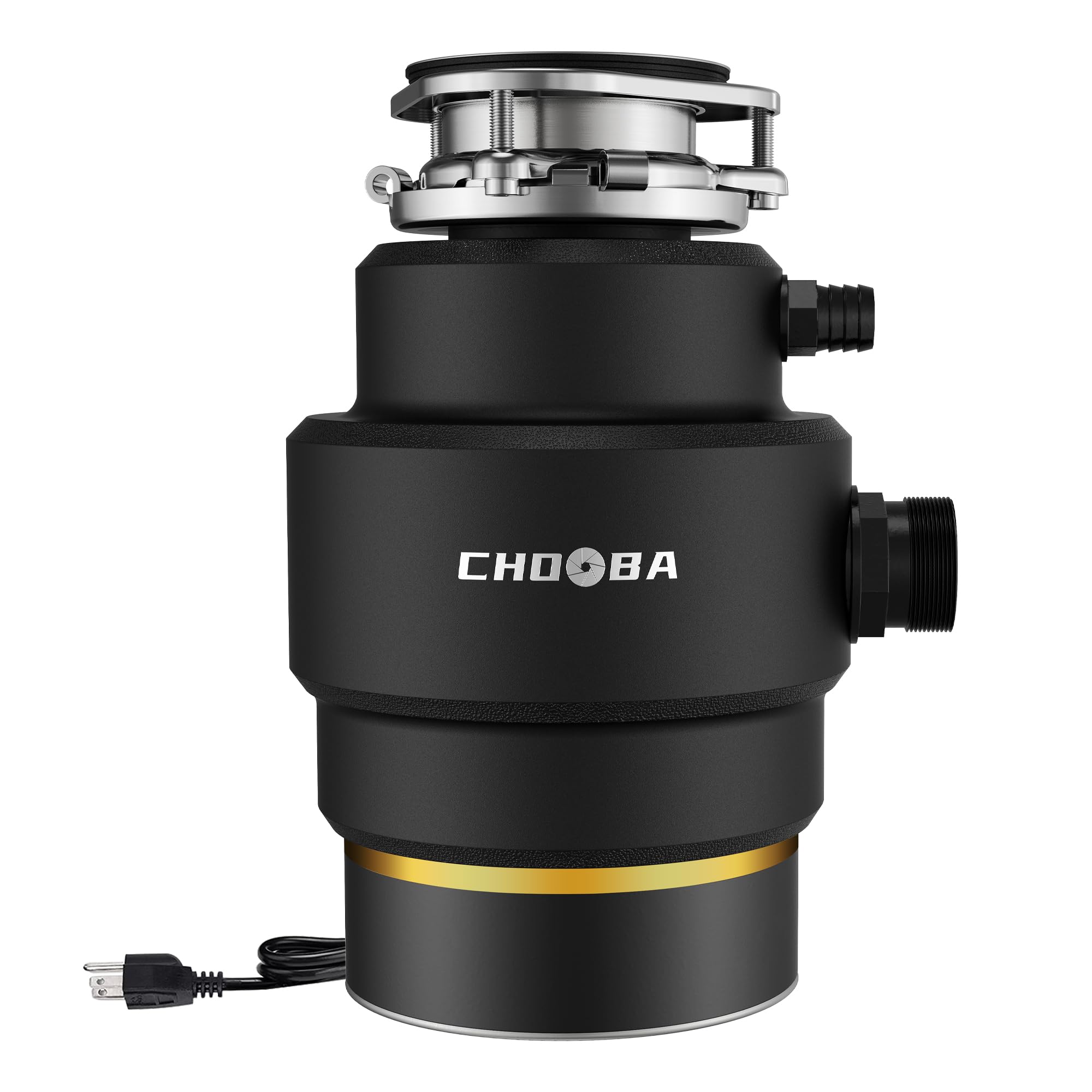


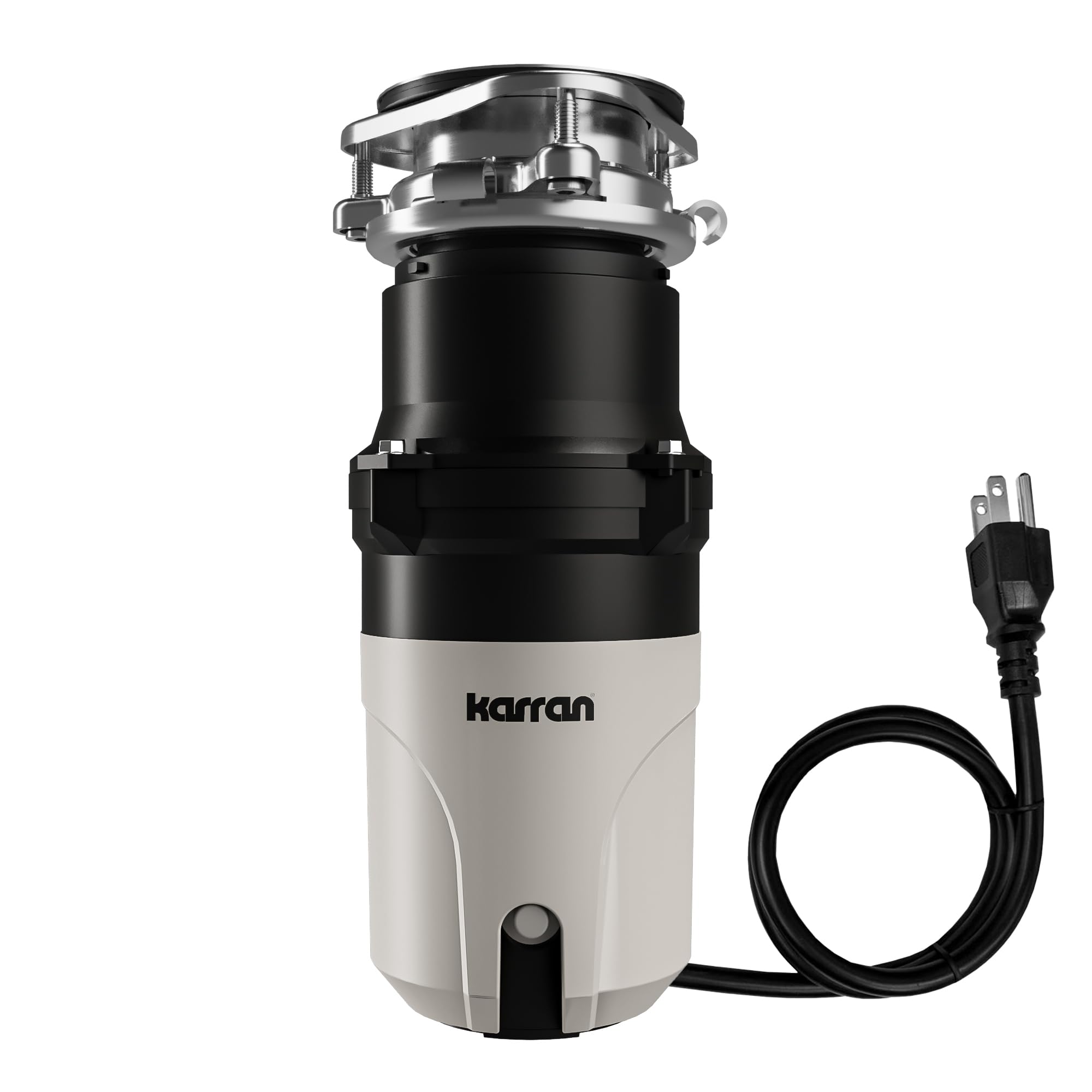
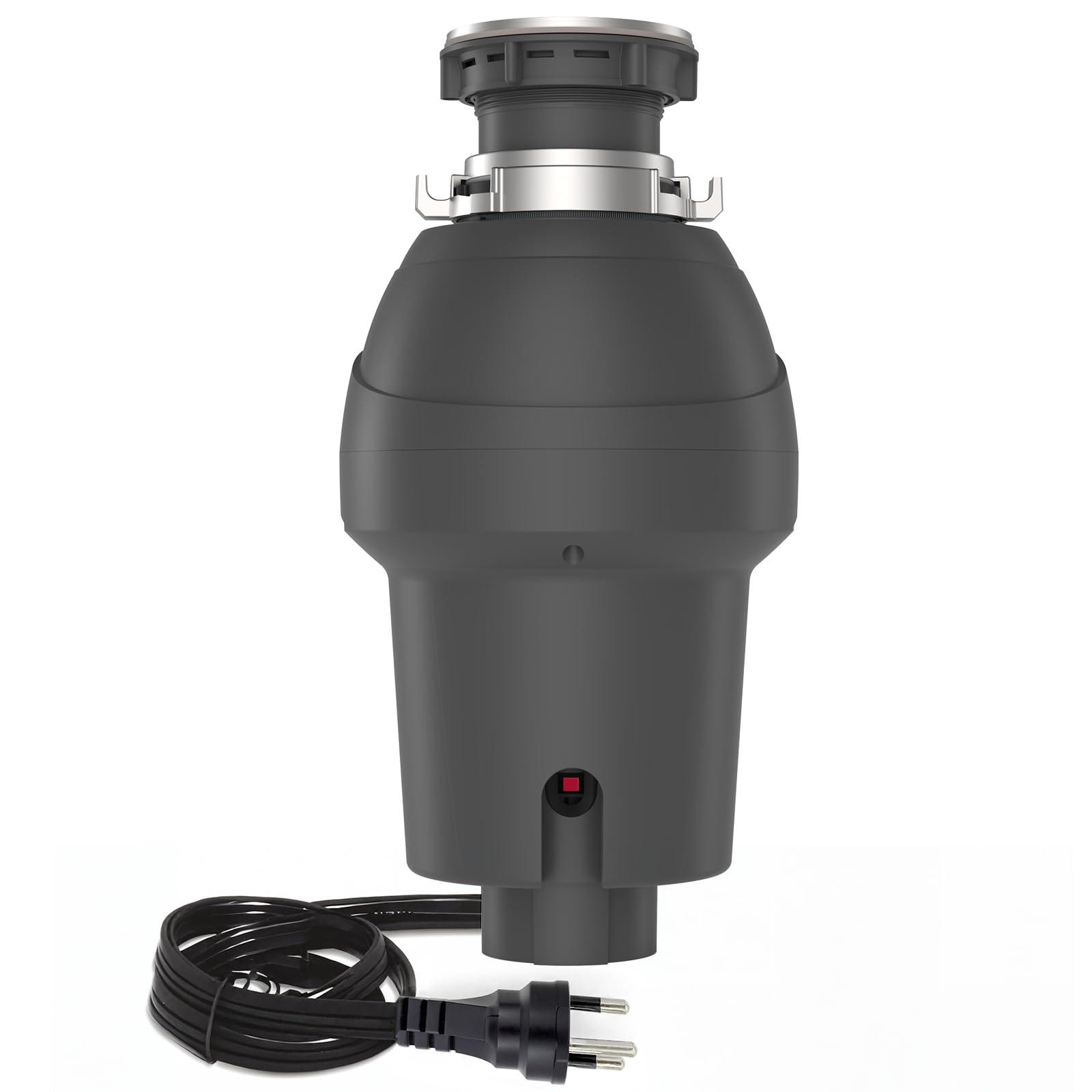

What Decibel Ratings Actually Tell You
Decibel measurements are logarithmic rather than linear, meaning a difference of just a few decibels represents a much larger change in perceived loudness than the numbers alone suggest. A disposal rated in the low 60s decibel range will sound noticeably quieter in daily use than one in the mid-70s, even though the numeric gap looks small on paper.
Manufacturer decibel ratings are typically measured under specific test conditions that may not perfectly reflect your own kitchen's acoustics, since hard surfaces like tile and stone reflect sound more than a kitchen with more sound-absorbing materials. Reading independent reviews alongside published ratings gives a more realistic sense of how a disposal will actually sound in a real home kitchen once it is installed and running.
Motor Type and Insulation Layers That Cut Noise
Induction motors generally run quieter than standard permanent magnet motors, since their design produces less mechanical vibration during operation, though they typically cost more and weigh more as a result. This added weight actually helps with noise reduction too, since a heavier unit vibrates less than a lighter one under the same grinding load.
Multi-layer sound insulation, often built from a combination of dense foam and rubber-like dampening material wrapped around the grinding chamber, absorbs vibration and sound before it can radiate out into the kitchen. Checking specifically for sound insulation layers, rather than just a general noise rating, helps confirm a disposal was actually engineered for quiet operation rather than just tested and labeled after the fact.
Multi-Stage Grinding and Quieter Food Breakdown
Single-stage grinding systems break down food waste in one pass, which can create sudden bursts of loud grinding noise, particularly with harder food scraps like bones or fibrous vegetable trimmings. Multi-stage grinding systems break the process into sequential stages, generally producing a steadier, less jarring sound throughout the grinding cycle rather than sharp noise spikes.
This more gradual breakdown process also tends to reduce jamming, which itself is a common source of loud grinding noise and motor strain when a disposal struggles against a large, tough piece of food waste. A smoother grinding process contributes to both a quieter experience and less wear on the motor over time.
Mounting and Installation Choices That Reduce Vibration Noise
A rubber or foam anti-vibration mounting gasket between the disposal and the sink flange absorbs vibration before it can transfer into the sink basin and surrounding cabinetry, which amplifies noise if left unaddressed. Even a well-insulated disposal can sound surprisingly loud if it is mounted directly against an unpadded metal sink without this buffering layer.
Securing water supply lines and drain pipes so they do not rattle against nearby cabinetry during operation eliminates another common source of secondary noise that has nothing to do with the disposal's motor itself. A professional installation that accounts for these details often makes a bigger noise difference than the disposal model alone.
Where Quiet Operation Matters Most
Open floor plan kitchens, where the cooking area flows directly into a living or dining space, benefit the most from a quiet disposal, since there is no wall to buffer sound from the rest of the home. Households with a nearby nursery, home office, or bedroom close to the kitchen also have particular reason to prioritize noise reduction over other disposal features.
Apartments and condos with shared walls or floors add another layer of consideration, since a loud disposal can become a source of noise complaints from neighbors in adjacent units. In these situations, investing in genuine sound-dampening features tends to pay off far more than in a standalone house with more physical distance between rooms.
Batch Feed Versus Continuous Feed for Noise Control
Batch feed disposals require a stopper to be inserted before the unit will run, which limits how much waste grinds at once and tends to produce a more controlled, predictable noise pattern compared to continuously feeding material in. Continuous feed models run as long as the switch is on, allowing waste to be added steadily, but this ongoing operation can extend the total time noise is present in the kitchen during use.
Neither style is inherently quieter in terms of peak decibel level, but batch feed operation naturally limits grinding bursts to shorter, more contained sessions. Shoppers prioritizing the best quiet garbage disposals for a household with young children sometimes prefer batch feed specifically because the stopper mechanism also prevents accidental startup, adding a safety benefit alongside the more contained noise pattern.
Maintenance Habits That Keep Noise Levels Low
A disposal that runs louder than it used to often signals a buildup of debris, a loose mounting component, or worn grinding elements rather than a fundamental design flaw. Regular cleaning to prevent buildup, along with periodically checking that mounting hardware remains snug, helps preserve the quiet operation a disposal had when new.
Running cold water during and briefly after grinding not only helps flush waste through the system but also keeps components from overheating, which can contribute to louder, more strained motor operation over time. Consistent maintenance habits extend both the quiet performance and the overall lifespan of the unit.
Frequently Asked Questions
What decibel level is considered quiet for a garbage disposal?
Models in the low 60s decibel range or lower are generally considered quiet, especially compared to standard disposals that often run in the 70s.
Does a heavier disposal really run quieter?
Often yes, since added mass helps dampen vibration, which is one reason induction motor models tend to run quieter despite their added weight.
Can installation affect how loud a disposal sounds?
Yes, an anti-vibration mounting gasket and properly secured plumbing lines can meaningfully reduce noise regardless of the disposal model itself.
Are multi-stage grinding disposals worth it for noise reduction?
They can be, since breaking grinding into sequential stages generally produces steadier, less jarring noise than a single aggressive grinding pass.
Do quiet garbage disposals cost significantly more?
Generally yes, since the added insulation and motor technology that reduce noise typically add to the manufacturing cost and retail price.
Will a quiet disposal still sound loud on hard kitchen surfaces?
It can seem louder in a kitchen with lots of tile or stone, since those surfaces reflect sound rather than absorbing it like softer materials would.
Choosing Quiet Without Sacrificing Performance
Finding the best quiet garbage disposals comes down to prioritizing motor type, insulation layers, and proper installation over noise ratings alone. A thoughtfully chosen and correctly installed unit keeps your kitchen calm without giving up the grinding power a disposal needs to actually do its job well every single day.
Related reading: best kitchen faucets and best kitchen faucets under 100.