Best Automatic Urinal Flush Valve Buying Guide for 2026
Disclosure: We may earn a commission when you buy through links on this page, at no extra cost to you. As an Amazon Associate I earn from qualifying purchases. Learn more
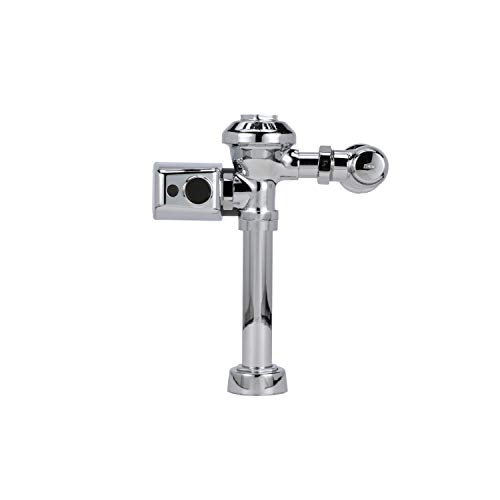
Pick the best automatic urinal flush valve by comparing sensor type, power source, fit, and price tier for your restroom.
Choosing the best automatic urinal flush valve starts with understanding how widely prices and features vary, because a basic sensor valve and a fully featured commercial unit can differ by hundreds of dollars. The product table can help you narrow the field, but the right choice depends on your plumbing setup, traffic level, and how much maintenance you want to handle. This guide walks through each spending level so you can see where extra money genuinely helps and where it does not.
An automatic valve replaces a manual handle with a sensor that triggers a flush after use, which can improve hygiene and reduce water waste in busy restrooms. Before you buy, check your water supply line size, your existing valve style, and whether you have a nearby power source or need a battery powered unit. Getting those details right matters more than chasing the most expensive option on the shelf.
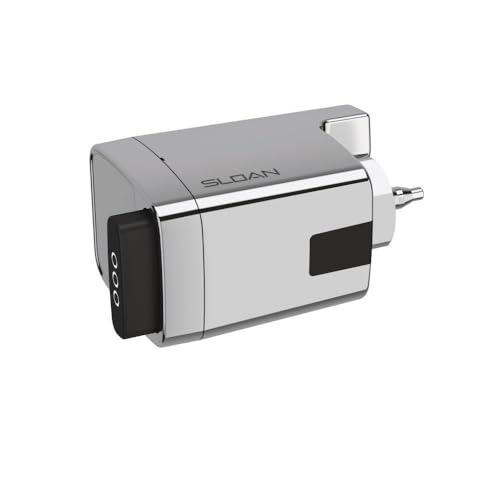
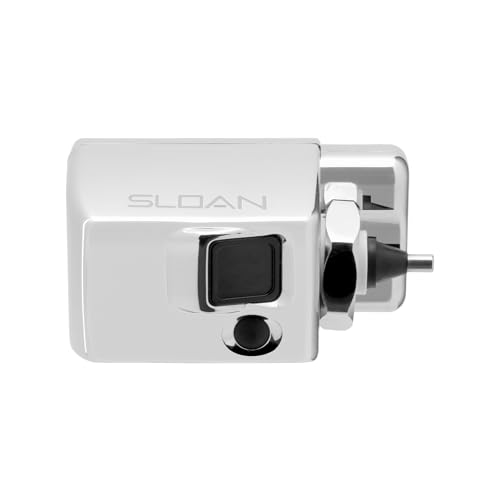
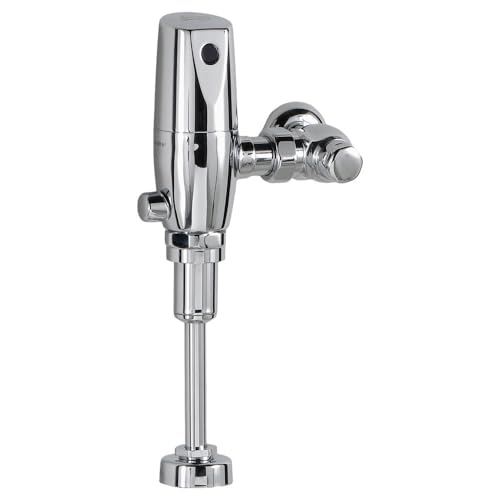
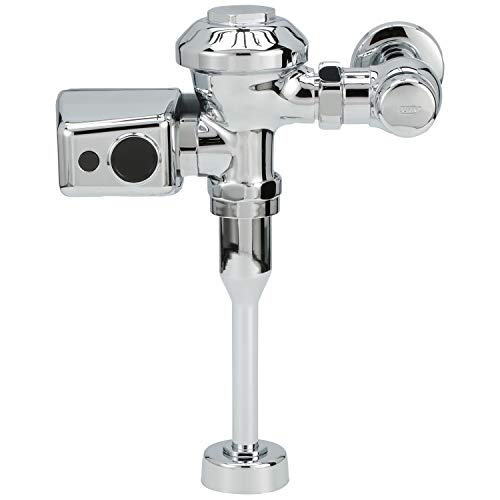

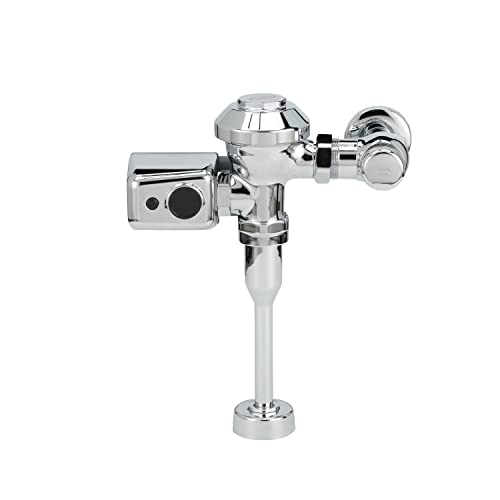
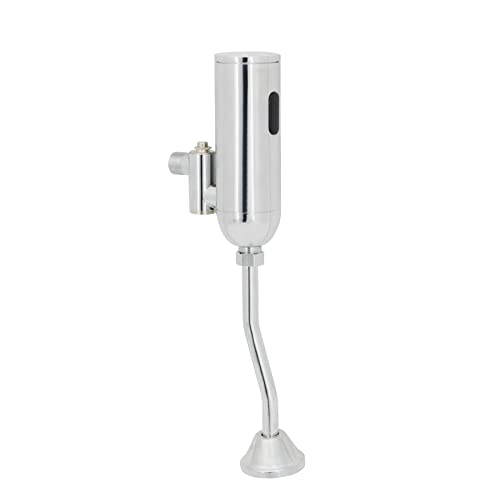

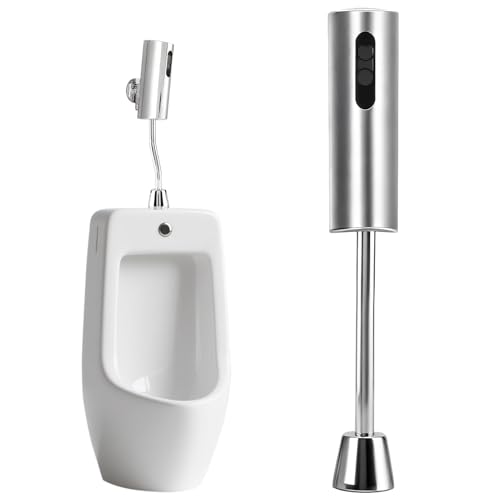
Spending Levels at a Glance
At the budget end, expect a simple infrared sensor, a fixed flush volume, and battery power, with prices around $80 to $150. These valves suit low traffic restrooms such as a small office or a single stall washroom, where reliability matters more than advanced settings. The trade off is limited adjustability, so you cannot fine tune flush volume or sensor range as easily. Still, a well made budget valve can serve a quiet restroom for years if it is installed correctly and cleaned on schedule.
The middle tier, roughly around $150 to $300, adds adjustable flush volume, a wider sensor range, and often a choice between battery and hardwired power. This range suits most commercial restrooms, including restaurants, clinics, and mid size offices, because it balances durability with useful controls. Look for sturdy valve bodies, accessible filters, and clear installation instructions in this tier. Many buyers find this level offers the best value, since the extra controls help prevent weak flushes and wasted water.
Premium valves, usually around $300 to $600 or more, add features such as vandal resistant housings, advanced water saving modes, and remote diagnostics or usage counters. These suit high traffic locations like airports, stadiums, and large schools, where downtime is costly and durability matters every day. The higher price buys tougher materials and longer service intervals rather than a fundamentally different flush. For a small restroom, premium features are rarely worth the extra cost.
What Your Money Gets You at Each Price Tier
Budget Tier: What to Expect
Budget valves focus on the essentials: a sensor, a solenoid, and a standard flush mechanism. You get dependable hands free operation, but you may need to accept a fixed flush volume and a shorter warranty. These units work best where traffic is light and the water supply is clean and stable.
Midrange Tier: The Sweet Spot for Most Buyers
Midrange valves add the controls that solve the most common complaints, including adjustable flush volume and sensor sensitivity. They also tend to use thicker valve bodies and better seals, which helps them last longer under daily use. Installation is usually straightforward, and many models offer both battery and hardwired power options. For most restrooms, this tier delivers the strongest balance of price, durability, and control.
Premium Tier: When Spending More Pays Off
Premium valves are built for punishment: heavy traffic, frequent cleaning, and occasional misuse. Expect vandal resistant covers, stainless or heavy brass construction, and features that reduce service calls, such as self cleaning cycles or clog resistant designs. Some models track flush counts, which helps facility managers plan maintenance. Spending at this level makes sense only when traffic is high or when a failed valve would disrupt a large building.
What to Look for in the Best Automatic Urinal Flush Valve
Size, Weight, and Fit for Your Space
Fit is the first feature to verify, because a valve that does not match your supply line and urinal inlet will not work no matter how good its sensor is. Measure the supply pipe diameter, the rough in height, and the space around the valve for servicing. Exposed valves are easier to install and maintain, while concealed valves look tidier but need access panels for repairs. Choose the style that matches your existing plumbing rather than replumbing a restroom to suit a valve.
Intended Use and Who It Is For
The main buyers are facility managers, plumbers, and building owners fitting out commercial or institutional restrooms. A small office needs only a simple, reliable valve, while a school or transit station needs rugged construction and easy servicing. Consider who will use the restroom and how often, since heavy use wears seals and sensors faster. Matching the valve to the traffic level avoids both overspending and premature failure.
Certifications and Code
Look for valves that meet recognized plumbing standards and carry clear certification marks for your region. Check that the valve includes an approved vacuum breaker or backflow device where required by local code. If you are unsure about code requirements, ask a qualified installer before ordering, since rules vary by location.
Warranty and Customer Support
Warranty length is a useful signal of build quality, and midrange and premium valves often carry longer coverage than budget models. Read what the warranty covers, since seals and batteries are often treated as consumables. Support matters too: a maker with clear manuals, spare parts diagrams, and responsive help can save hours during installation. Keep the model number and purchase record so warranty claims go smoothly.
Sensor Types and Power Options
Most automatic valves use an infrared sensor that detects a user and triggers a flush after they step away. Some models add a manual override button, which is useful during sensor failure or cleaning. Sensor range and delay settings affect both hygiene and water use, so adjustable models are worth considering for busy restrooms. Check the sensor angle after installation to avoid false flushes from passersby.
Power choice affects both cost and maintenance. Battery powered valves are simpler to install and suit retrofit projects, but batteries need regular replacement. Hardwired valves avoid battery changes yet require an electrician and a nearby power source. Some models offer both options, which gives flexibility if your restroom wiring changes later, so factor battery or wiring costs into your total budget, not just the valve price.
Long Term Costs to Factor In
Beyond the purchase price, budget for batteries, replacement seals, filters, and occasional sensor cleaning. Hard water can shorten seal life, so a filter or water treatment may be worth the cost in mineral heavy areas. Professional installation adds to the upfront total but reduces the risk of leaks and callbacks. Over five years, a midrange valve with accessible parts often costs less overall than a cheap valve that needs frequent service.
Water use also affects running costs, since a valve that flushes too much wastes water on every cycle. Adjustable flush volume lets you match the flush to the urinal, which saves water without hurting performance. Check local water efficiency rules, since some regions require low volume flushes. A valve that meets those rules can also help a building qualify for efficiency programs.
Frequently Asked Questions
What features matter most when buying automatic urinal flush valves?
Fit, sensor reliability, and flush volume control matter most, because a valve that does not fit or flushes poorly causes constant problems. Check supply line size, urinal compatibility, and whether the flush volume can be adjusted to match your fixture. Durable seals and accessible parts rank next, since they determine how easy the valve is to service. For busy restrooms, a vandal resistant housing and a manual override add useful resilience.
How do I maintain an automatic urinal flush valve?
Clean the sensor lens regularly, since dust and mineral buildup can cause missed or false flushes. Inspect seals and filters on the schedule in the maker manual, and replace worn parts promptly to prevent leaks. Check battery level on battery powered models before the valve stops working, and keep spare batteries on hand. If water pressure changes or flushes weaken, check the filter and supply valve first, and shut off the water supply before opening the valve.
How long does an automatic urinal flush valve last?
With normal use and routine maintenance, a quality valve often lasts around 7 to 12 years, though seals and batteries wear out sooner. High traffic restrooms shorten service intervals, while clean water and gentle use extend them. Valves with replaceable seals and sensors last longer in practice, because you can service parts instead of replacing the whole unit. Watch for weak flushes, leaks, or erratic sensing as signs that service is due, and ask a qualified installer whether repair or replacement makes more sense.
Are expensive automatic urinal flush valves worth it?
Expensive valves are worth it mainly in high traffic or vandal prone restrooms, where tougher materials and longer service intervals pay for themselves. For a quiet office or small washroom, a midrange valve usually delivers the same everyday performance for less money. Compare warranty length, parts availability, and construction rather than assuming price alone means quality. The right valve for your building is the one that matches your traffic level and maintenance capacity, so overspending on features you will never use does not improve reliability.
How much should I spend on an automatic urinal flush valve?
Most buyers should plan on around $150 to $300 for a dependable midrange valve, plus installation if a plumber is needed. Budget models around $80 to $150 suit low traffic restrooms with simple plumbing. Premium models above $300 make sense for airports, schools, and other high use sites. Add batteries, filters, and possible wiring to your total, since those costs vary by model, and ask a qualified installer to confirm the right valve before you buy if you are unsure about fit or local code.
Our Verdict
The smartest approach is to match the valve to your restroom: a simple budget unit for light use, a midrange adjustable valve for most commercial spaces, and a rugged premium unit only for high traffic sites. Prioritize correct fit, reliable sensing, and accessible parts over extra features. The picks in the table can help you compare the tiers side by side before you decide. For most buyers, the best automatic urinal flush valve is the midrange model that fits correctly, flushes consistently, and is easy to maintain.
See our guide to best automatic flush toilets for related hands free restroom options that pair well with a sensor urinal valve.