Best Bathroom Floating Shelves for 2026: Everything to Know Before Your First Purchase
Disclosure: We may earn a commission when you buy through links on this page, at no extra cost to you. As an Amazon Associate I earn from qualifying purchases. Learn more

Learn how to pick the best bathroom floating shelves that fit your wall, hold daily items safely, and suit a small bathroom.
Shopping for best bathroom floating shelves for the first time can feel tricky, because a shelf must look light on the wall while holding real weight every day. This guide starts with the basics and moves toward a confident choice. You will learn how wall type, shelf depth, bracket strength, and moisture resistance affect safety and daily use.
A floating shelf hides its support inside the shelf or behind a clean bracket, so the wall looks open and the room feels larger. That clean look works well in a small bathroom, but it also means installation matters more than with a shelf on visible brackets. Think about what you will place on the shelf, how high you can reach, and whether the wall can hold the load. Use the product table as a quick reference while you compare types.


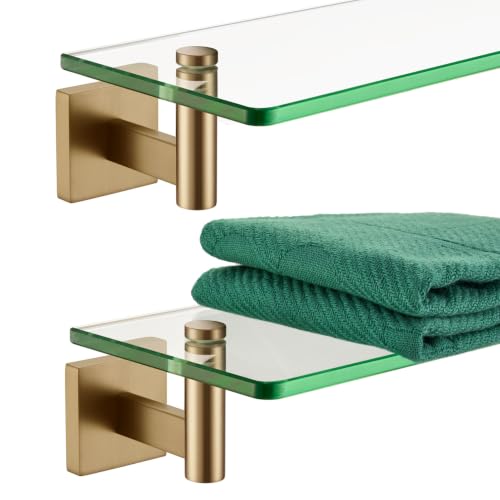
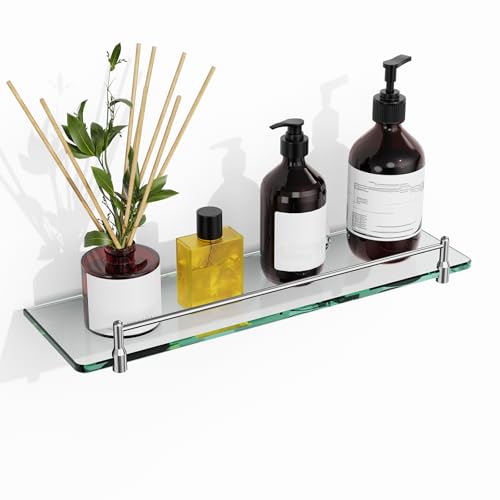

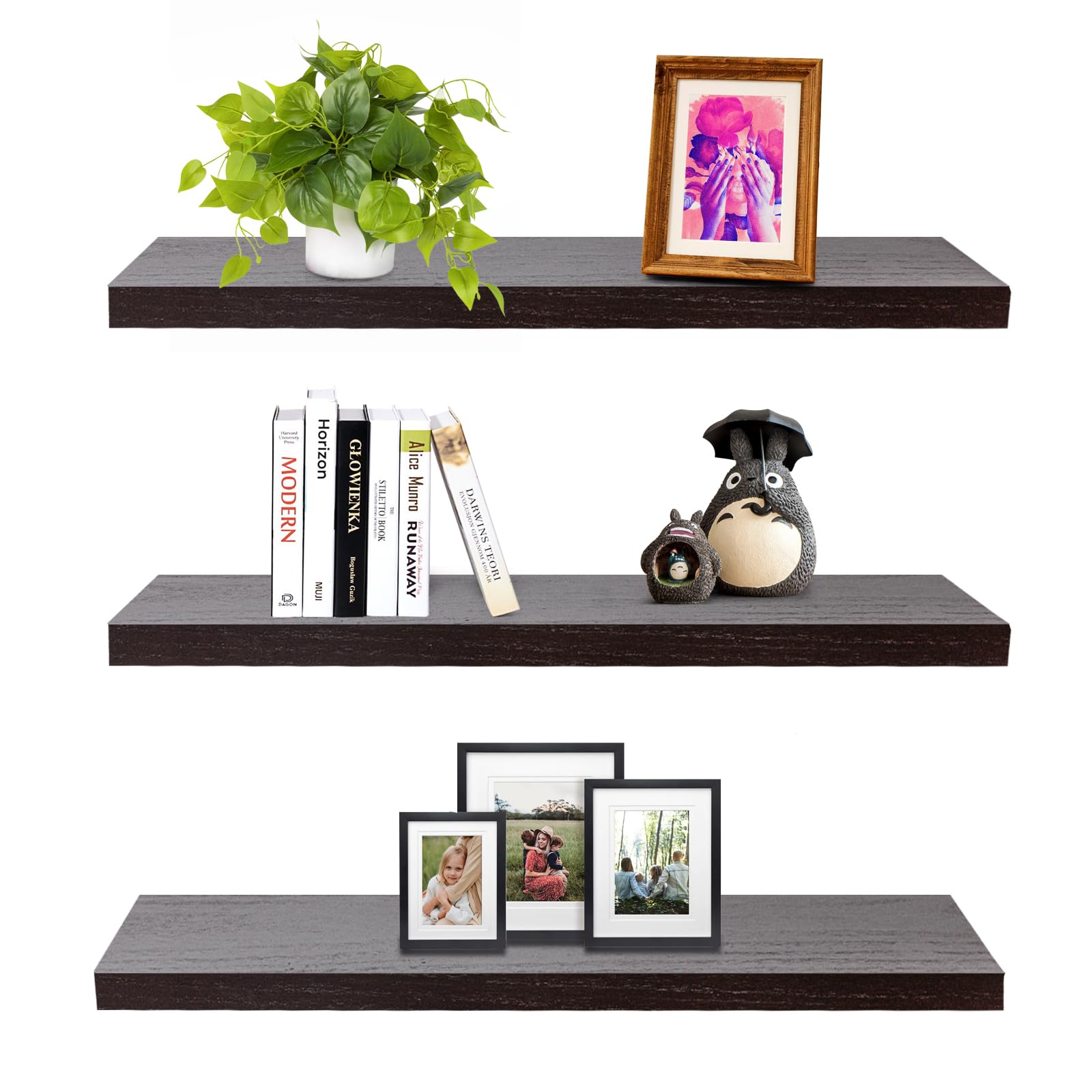
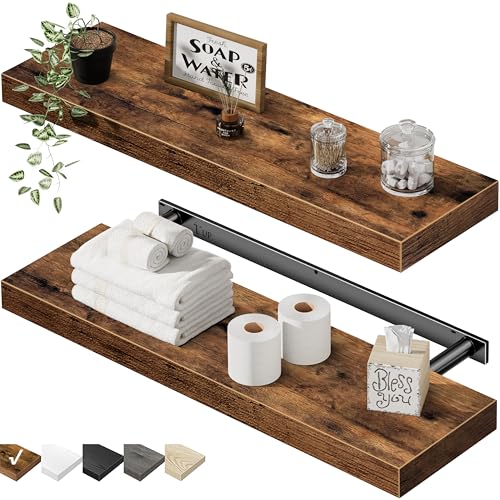
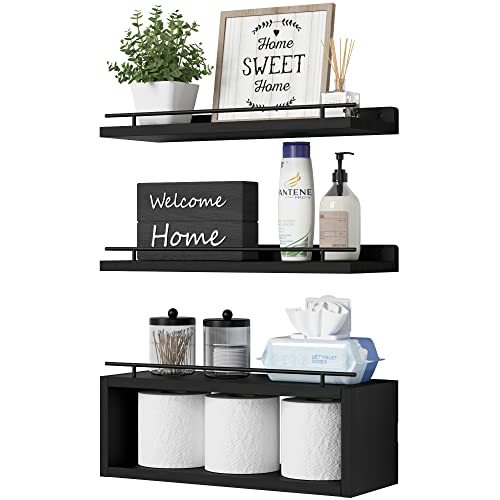

Bathroom Floating Shelves 101: The Basics
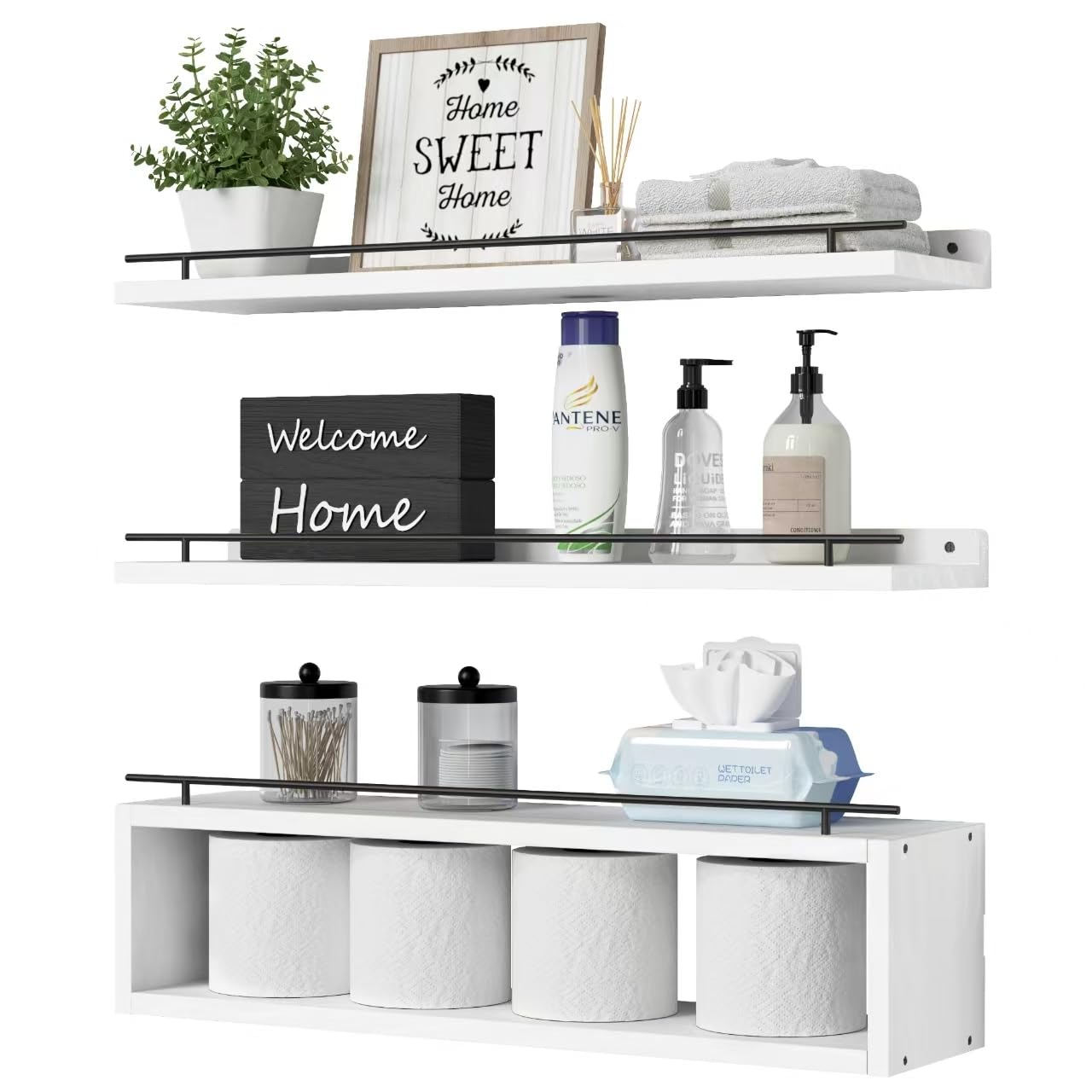
A bathroom floating shelf is a flat board that mounts to a wall with hidden support, so no legs or large brackets show beneath it. Typical uses include folded towels, small plants, soap dispensers, and jars near a sink or above a toilet. The hidden support may be a metal rod, a hidden rail that bolts to studs, or a concealed bracket. Each style suits a different load, so weight rating matters more than appearance alone.
For a first time buyer, four terms help most. Load rating tells you how much weight the shelf and hardware can hold when installed correctly. Stud means the solid wood framing behind drywall, which holds far more than drywall alone.
Depth means how far the shelf extends from the wall. Moisture resistance describes how well the material handles steam and splashes. Measure wall space, note stud locations if you can, and check clearance for doors and mirrors before you shop.
Key Specs Explained in Plain English
The specs below answer practical questions: will this shelf fit your wall, hold your items safely, and survive steam? A shelf does not need every premium feature, so give extra weight to the specs that match your wall type and items you plan to store.
Intended Use and Who It Is For
Start by naming the main job for your shelf. A shelf above a toilet may hold spare towels and a small plant, while a shelf beside a mirror may hold daily grooming items within easy reach. A family bathroom may need a sturdy shelf for heavier jars and towels, while a guest bathroom may need only a light shelf for soap. If you store heavy items, choose a shelf rated for that load and mounted into studs.
Ease of Use and Setup
Setup varies more than many buyers expect, so read maker guidance before you drill. Some shelves need only a level, a drill, and wall anchors, while others need stud finding to align hidden rods. Mark stud locations first, then mark shelf height with a level and check reach from the sink or toilet.
Follow maker guidance step by step, and ask a qualified installer for help if you are unsure about wall type or load. A shelf that feels solid under a firm press is far safer than one that flexes under weight.
Maintenance and Long Term Costs
Long term costs stay low when you choose a material that suits bathroom humidity and clean it on a regular schedule. Wood shelves need sealing at edges and joints to resist steam, while metal and sealed composite shelves often wipe clean with less care. Wipe spills promptly, dry the shelf after heavy steam, and check brackets twice a year. If a finish bubbles or softens, address it early before moisture reaches the core.
Size, Weight, and Fit for Your Space
Size and fit decide whether a shelf helps or crowds a small bathroom. Measure wall width, then leave space on each side so items do not crowd a mirror, light, or door swing. Depth matters too: a shelf about 6 to 8 inches deep suits small jars and folded hand towels, while a deeper shelf suits larger towels but can block movement.
Check height as well, because a shelf placed too high becomes hard to reach. Keep heavier items low and near the wall.
Price vs Value
Price ranges help you match budget to load and material. Light shelves for decor often cost about $20 to $40, mid range shelves with stronger support often cost about $40 to $80, and premium shelves with solid wood or heavy duty hardware often cost about $80 to $150. Pay more when you need a higher load rating, a moisture resistant finish, or a longer shelf that spans studs. Value comes from safe support and durable finish, not from length alone.
Warranty and Customer Support
Warranty terms usually cover defects in materials and hardware, not damage from overloading or poor installation. Read the maker policy before you buy, and note whether replacement brackets or anchors are available separately. Keep your receipt and installation guide in a safe place, and contact support if hardware arrives bent or incomplete. Follow load limits closely, because warranty claims often fail when a shelf was overloaded.
Rookie Mistakes to Avoid
- Skipping studs for heavy items: drywall anchors alone may fail under towels and jars, so mount heavy shelves into studs or use hardware rated for the load.
- Choosing depth by looks alone: a deep shelf can block a door or mirror in a narrow bathroom, so measure depth against movement and reach.
- Ignoring steam and splashes: untreated wood can swell near a shower, so choose a sealed or moisture resistant finish for wet zones.
- Overloading after install: a shelf that holds light decor may sag under full towels, so respect the load rating and check it with a firm press.
- Placing shelves too high: items placed out of easy reach get stacked unsafely, so set height for comfortable daily use.
Getting Started: Setup and First Use
Start by gathering a level, a pencil, a drill, and the supplied hardware, then read the manual before first use. Mark shelf height and bracket positions, check for studs where possible, and drill pilot holes that suit your wall type. Mount the bracket, check it with a level, and secure the shelf as directed. Clean and inspect regularly, wipe the shelf dry after steamy showers, and keep small parts away from children during install.
For wider storage planning, see our guide to best bathroom shelves when you compare floating styles with other shelf types. If towels drive your choice, see our guide to best bathroom towels so shelf depth and load match the towels you fold and store. See our guide to best bathroom cleaner for products that suit your shelf finish.
Frequently Asked Questions
Are expensive bathroom floating shelves worth it?
Expensive bathroom floating shelves are worth it when the higher price buys stronger hidden support, a moisture resistant finish, or a length that spans studs safely. A costly shelf with weak brackets offers little advantage over a mid range shelf that mounts solidly and resists steam. Compare load rating and bracket design before price, and check whether replacement hardware is sold separately.
How do I maintain a bathroom floating shelf?
You maintain a bathroom floating shelf by wiping it dry after steamy showers, dusting weekly, and checking brackets twice a year. Wipe spills promptly so moisture does not sit on edges, and reseal wood edges when the finish looks dull. Tighten any loose screw, and move heavy items off until you can check the mount. If the shelf sags or pulls from the wall, stop using it for heavy items at once.
What features matter most when buying bathroom floating shelves?
The features that matter most are load rating, bracket design, depth, finish, and wall compatibility. Load rating comes first, because a shelf must hold your items safely day after day. Bracket design matters next, since hidden rods and rails distribute weight differently. Depth affects what fits without crowding the room, while finish affects how well the shelf handles steam.
How much should I spend on a bathroom floating shelf?
You should spend based on load, length, and material, with light shelves often costing about $20 to $40 and stronger mid range shelves costing about $40 to $80. Longer shelves with solid wood or heavy duty hardware often cost about $80 to $150. Pay more for a higher load rating and sealed finish if your shelf sits near a shower. Avoid spending on extra length alone when your wall cannot support it safely.
How long does a bathroom floating shelf last?
A bathroom floating shelf can last many years when mounted correctly, kept within its load rating, and protected from constant moisture. Sealed wood, metal, and composite shelves often last longest in steamy rooms, while untreated wood may swell sooner near a shower. Brackets loosen over time, so twice yearly checks help catch movement early. Replace a shelf that sags or pulls loose, and ask a qualified installer for help if unsure about remounting.
Final Thoughts
Choose by load rating first, wall fit second, and moisture resistant finish third, and let those checks narrow your options before you judge style. A shelf that mounts solidly, fits your wall, and resists steam will serve you daily. For most first time buyers, a mid length shelf mounted into studs offers the best balance of looks, safety, and cost. Review the product table, then pick the best bathroom floating shelves for the items you store most often.