Best Bathroom Curtains of 2026: Complete Buying Guide
Disclosure: We may earn a commission when you buy through links on this page, at no extra cost to you. As an Amazon Associate I earn from qualifying purchases. Learn more
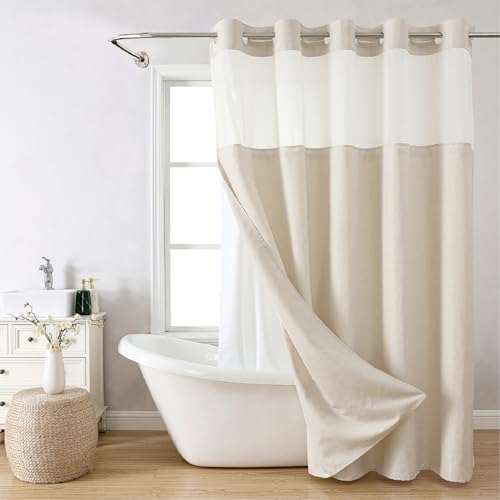
Pick the best bathroom curtains by size, fabric, water resistance and care, with liner tips and budget levels for every bathroom.
A bathroom curtain does more than keep water off the floor. It sets the look of the room, protects walls and floors from splashes, and gives you privacy in a shared home. Choosing best bathroom curtains starts with the size of your shower or tub, the fabric you are willing to care for, and how much water the curtain will face every day. This guide explains those choices in plain terms, so you can use the product table with confidence.
Most bathroom curtains fall into two parts: an outer curtain that you see, and a liner that faces the water. Some products combine both parts in one piece, while others sell them separately so you can replace the liner more often. Understanding that split helps you judge price, care, and how long the whole setup will last.



Spending Levels That Fit Different Bathrooms
Price usually reflects fabric weight, construction, and finish rather than looks alone. A low cost curtain can work well for a short term need, while a better made curtain often drapes better and survives many washes. Use the levels below to match your budget to how often the bathroom is used.
Budget Friendly Choices
Budget curtains, usually about $10 to $25, often use polyester or vinyl with a simple printed pattern. They suit rentals, guest bathrooms, and anyone who wants a fresh look without spending much. Check the hem and the top edge before buying, since a thin hem can curl and a weak top can tear at the hooks.
Everyday Midrange Choices
Midrange curtains, usually about $25 to $60, often use heavier polyester, cotton blends, or treated fabric with a woven texture. These suit family bathrooms and daily showers because they hang straighter and usually wash well. Look for reinforced holes at the top, a weighted bottom edge, and care labels you can follow at home.
Premium Finish Choices
Premium curtains, usually about $60 to $150, often use pure cotton, linen blends, or thick woven fabric with detailed stitching. They suit a main bathroom where texture matters up close and the curtain stays in place for years. These curtains may need gentle washing or line drying, so factor care time into the price before you commit.
How to Choose the Best Bathroom Curtains: Buying Guide
The factors below matter more than packaging claims or a pretty photo. Work through them in order, starting with intended use, since a curtain for a rarely used guest bathroom does not need the same build as one for a busy family shower.
Intended Use and Who It Is For
Start by thinking about who uses the bathroom and how often the shower runs. A single person in a guest bathroom can choose a lighter curtain and focus on looks. A family with kids needs a tougher fabric, a liner that resists mildew, and hooks that stay put when the curtain is pulled hard. In a rental, a simple curtain that fits a standard rod and washes easily may matter more than a fancy fabric.
Key Performance Specs
The most useful specs are water resistance, mildew resistance, and weight. A good liner should shed water rather than soak it up, and it should dry between showers instead of staying damp all day. Heavier fabric usually hangs straighter and blows inward less during a shower. Lighter fabric dries faster but may need a weighted hem or magnets at the bottom to stay in place.
Size, Weight, and Fit for Your Space
Measure the rod length and the distance from the rod to the floor or tub edge before you shop. A standard shower curtain is about 72 inches wide and 72 inches long, but tubs, walk in showers, and clawfoot tubs often need a different size. The curtain should reach close to the tub edge or floor without pooling in water, and it should be wide enough to cover the opening with some fullness left over.
If your tub has an unusual shape or a curved rod, check the width twice, since a curtain that is too narrow will leave gaps where water escapes.
Ease of Use and Setup
Most curtains hang from rings or hooks on a straight or curved rod, and setup should take only a few minutes. Look for top holes that are spaced to match a standard rod and reinforced so they do not tear. Snap in liners and hookless tops can save time, but they limit your choice of rings. If you change liners often, a separate liner with its own hooks makes swaps faster than a combined curtain.
Maintenance and Long Term Costs
Long term cost depends on how often you wash the curtain and replace the liner. A machine washable outer curtain costs less over time than one that needs special cleaning, and a cheap replaceable liner can extend the life of a nicer outer curtain. Wash the liner regularly, let it dry fully between uses, and replace it when stains or odor no longer wash out. For routine cleaning advice, see our guide to best bathroom cleaner and use only cleaners that suit the fabric label.
Safety and Certifications
Safety for a bathroom curtain means steady hardware, safe materials, and no tripping hazard. Make sure the rod is fixed firmly so a pulled curtain does not bring it down, and keep long curtains from pooling on the floor where feet can catch. Follow the maker care guidance for washing and drying, and keep small parts such as loose hooks and rings away from young children. If a label claims a safety or flame rating, check what the rating actually covers rather than trusting the claim alone.
Build Quality and Materials
Polyester is the most common choice because it resists water, dries fast, and washes well. Vinyl and PEVA liners block water well and cost less, but they can feel stiff and may need replacing sooner. Cotton and linen blends look softer and drape nicely, yet they usually need a separate waterproof liner to stay practical. Look at stitching along the hem and top edge, since straight, tight stitching lasts longer than loose or skipped stitches.
Types of Bathroom Curtains
Curtain types differ mainly in fabric, weight, and whether a liner is built in. The right type depends on your shower, your cleaning habits, and the look you want.
Mid Range Options
Mid range curtains often pair a woven outer fabric with a separate liner. This setup gives you a nicer look outside and a practical water barrier inside. It suits daily bathrooms because you can wash the outer curtain less often and replace the liner when needed.
Budget Options
Budget curtains often use a single layer of polyester or vinyl that serves as both curtain and liner. They are light, easy to hang, and simple to replace, which makes them a good fit for rentals and guest bathrooms. The trade off is a thinner drape and a shorter life than a two part setup.
Compact Options
Compact curtains suit small showers, narrow tubs, and bathrooms where a full size curtain would bunch up. They use less fabric, dry faster, and leave more room to move. Measure carefully, since a compact curtain that is too short will let water splash past the tub edge.
Premium Options
Premium curtains often use thick woven fabric, decorative texture, and a weighted hem for a clean drape. They suit a main bathroom where the curtain is part of the room design. Pair one with a quality liner, and keep the care routine simple so the fabric keeps its shape. If you are updating the whole room, see our guide to best bathroom tubs for how tub shape affects curtain length and rod choice.
Tips to Get the Most From Your Bathroom Curtain
- Read the maker care label before the first wash, since heat and harsh cleaners can damage coatings and prints.
- Clean and inspect the curtain and liner regularly, and look for torn holes, loose stitching, and mildew along the bottom edge.
- Let the liner dry fully between showers by leaving it spread out inside the tub rather than bunched to one side.
- Store a spare liner in a dry place so you can swap it at once instead of using a worn one for weeks.
- Register the product for warranty if the maker offers it, and keep the receipt in case a seam or hook fails early.
Small habits make the biggest difference. A curtain that dries fully and gets washed on schedule will look better and last longer than a costly curtain left damp. Pair these habits with fresh towels and a dry floor, and the whole bathroom stays cleaner. For towel choices that match your curtain weight and style, see our guide to best bathroom towels.
FAQs
How long does a bathroom curtain last?
A bathroom curtain usually lasts about one to three years, depending on fabric, washing frequency, and how damp the bathroom stays. A separate liner often wears out first, sometimes within six to twelve months in a busy bathroom. Replacing the liner on time protects the outer curtain and keeps mildew from spreading to the fabric you see every day.
How do I maintain a bathroom curtain?
Start by following the maker care label, since some fabrics need cold water and others need gentle cycles. Wash the outer curtain when it looks dull or smells musty, and rinse or wash the liner more often. Hang both parts spread out to dry fully, and check the bottom hem and top holes for wear each time you wash them.
What features matter most when buying bathroom curtains?
Size and fit matter most, followed by water resistance, fabric weight, and ease of washing. A curtain that fits the rod and reaches the right length will do more good than a fancy pattern in the wrong size. After fit, look for reinforced top holes, a bottom edge that stays in place, and a liner you can clean or replace without fuss.
Are expensive bathroom curtains worth it?
Expensive curtains can be worth it in a main bathroom that gets daily use and where drape and texture matter. Thicker fabric, better stitching, and a weighted hem often mean a curtain that hangs well for years. In a guest bathroom or a rental, a lower cost curtain may be the smarter buy, since looks matter less and replacement is easy.
How much should I spend on a bathroom curtain?
Most buyers spend about $15 to $60 for a curtain and liner setup that suits daily use. Budget setups under $25 work for short term needs, while spending about $60 to $150 makes sense for a thick woven curtain in a main bathroom. Set your budget after measuring, since an unusual size or a curved rod can add cost for the rod and extra fabric.
Wrapping Up
The best choice comes down to fit, fabric, and care. Measure first, pick a fabric you will actually wash, and choose a liner setup that suits how often the shower runs. A curtain that fits well, dries fully, and uses sturdy top holes will serve you better than a pretty curtain in the wrong size.
Use the spending levels above to narrow your options, then check the product table for the setup that matches your bathroom. With the right size and a simple care routine, best bathroom curtains can keep water where it belongs and make the room look finished for years.