Best Bath Towels That Stay Soft in 2026: Everything to Know Before Your First Purchase
Disclosure: We may earn a commission when you buy through links on this page, at no extra cost to you. As an Amazon Associate I earn from qualifying purchases. Learn more
Shopping for the best bath towels that stay soft for the first time? Learn the terms, compare options, and avoid rookie mistakes with this easy guide.
A towel can feel plush on a store shelf and turn stiff after a month of washing, and that gap is where smart buying matters. If you are shopping for the best bath towels that stay soft for the first time, judge fiber, weight and washing habits rather than the display feel alone. This guide builds from the basics up, and the comparison table below sums up the options.
Think about your own routine first. A towel washed twice a week in hard water ages faster than a guest towel used twice a month. Your water, laundry habits and drying space decide which towel keeps its softness.


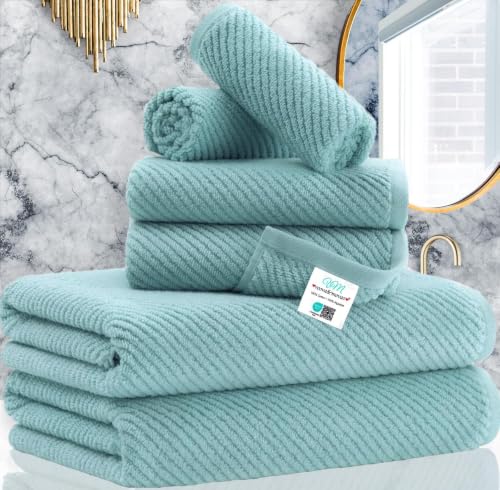
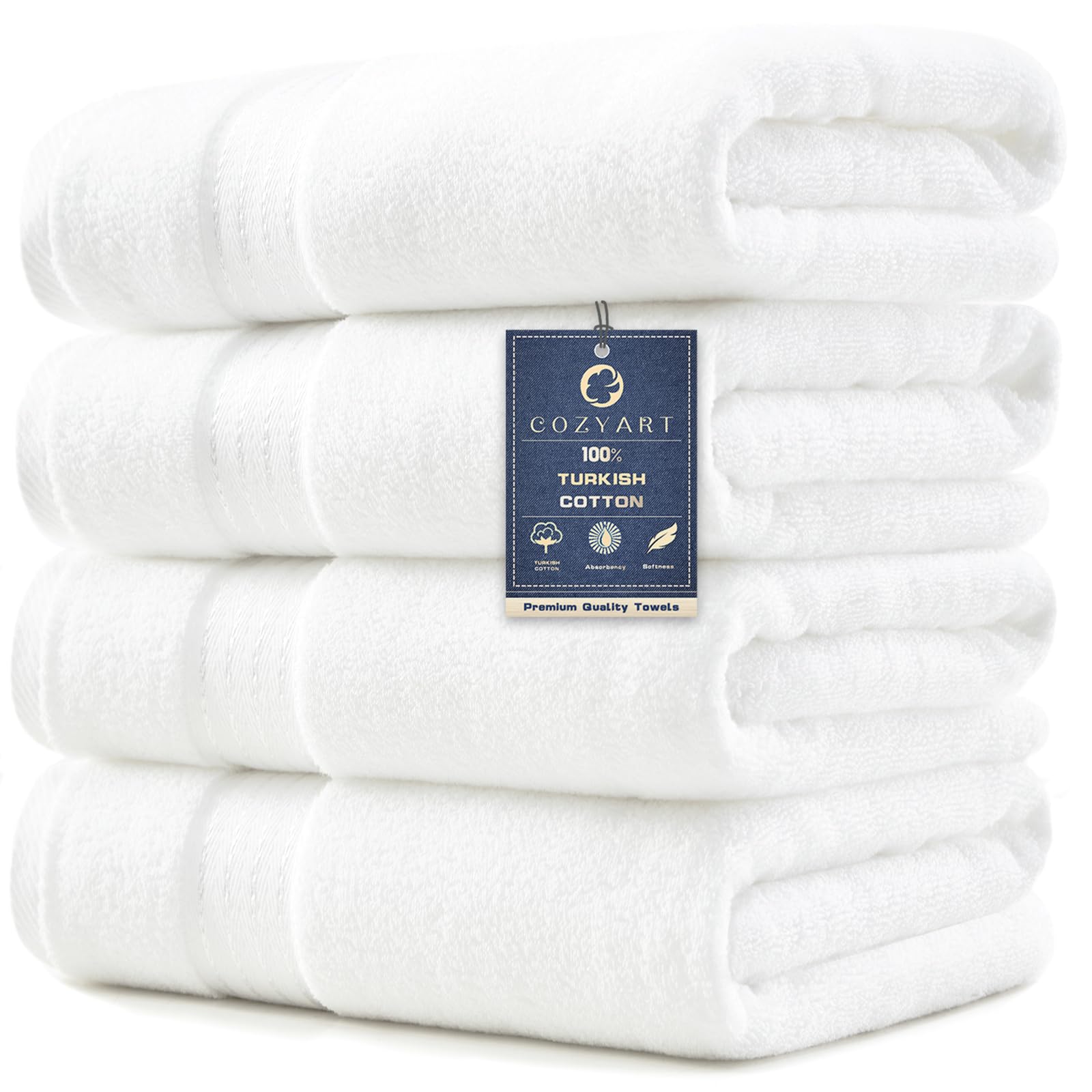

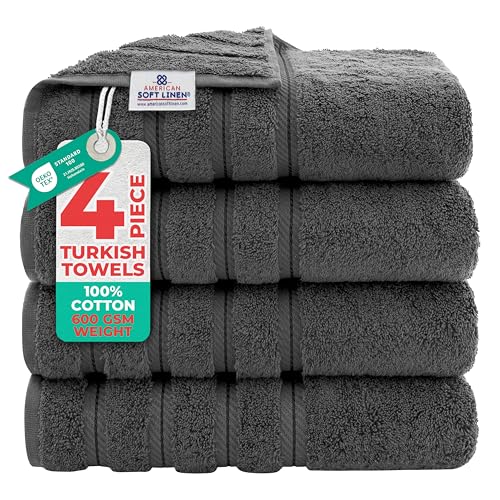
Who Should Buy Which Bath Towels for Lasting Softness?
Staying soft is a long term trait, not a first touch trait, so start from how often you wash.
New Households Stocking a First Bathroom
You need a full set that survives weekly washing without turning rough by the second month. Choose balanced weight cotton towels with sturdy hems, because they forgive beginner laundry mistakes. Buy at least two towels per person so none goes back on the hook damp. For feel alone, see our guide to the best soft bath towels.
Bathers With Skin That Notices Roughness Fast
You feel every scratchy loop, so loop quality matters more to you than sheer thickness. Look for long staple cotton with a smooth, even loop surface and no stiff decorative band across the middle, because raised bands often feel coarse against skin. Your washing routine matters too, since residue trapped in the loops undoes a soft hand feel.
Busy Households That Wash Towels Constantly
Your towels cycle through the wash several times a week, so durability decides how long softness lasts. Pick towels with tight edges and loops that spring back after drying, and avoid heavy towels that go back into use still damp. Midweight towels usually suit you best, because they dry fully between uses, and full drying keeps loops fluffy instead of matted and flat.
Bath Towel Basics for First Time Buyers
A bath towel is a looped cotton fabric, and those loops do all the work. Softness fades when loops get crushed, coated with detergent residue or stiffened by minerals from hard water. That is why two towels that feel identical in a store can age very differently in your own wash.
Store softness can mislead you, because many new towels carry a light factory finish that washes away within a few loads. Lasting softness comes from the fiber itself and from gentle treatment afterward. For a wider view across towel types, see our guide to the best towels that stay soft. When you shop for the best bath towels that stay soft, read fiber and weight first and treat shelf feel as a rough hint.
Key Features to Compare
Compare these factors in order, so price or shelf feel cannot hide a towel that will turn rough in your wash.
Fiber Type and Staple Length
Cotton fiber length is the strongest clue to lasting softness. Long staple cotton, including Turkish cotton and Egyptian cotton, has longer fibers that spin into smoother, stronger yarn, so the loops resist fraying and stay smooth through many washes. Short staple cotton costs less but sheds more lint and can feel coarse sooner. A little synthetic fiber in the blend dries faster, yet feels less plush and absorbs less than pure cotton of the same weight.
GSM Weight and Loop Density
GSM means grams per square meter, and it tells you how much fiber a towel packs into a given area. Towels at about 300 to 400 GSM feel light and dry fast but can seem thin. The balanced range of about 400 to 600 GSM suits most first time buyers, giving real cushion without slow drying. Towels at about 600 to 900 GSM feel dense and plush, but they dry slowly and can turn stiff in a damp bathroom.
Weave, Yarn Twist and Hem Construction
Most soft bath towels use terry weave, where loops stand on both sides of a woven base. Low twist and zero twist yarns feel especially soft because the loops open up and catch water easily, though very loose loops can snag more readily. Denser loops with a slight twist trade a little first touch softness for toughness. Double stitched hems and a tight side weave stop the edges from curling, fraying or losing shape in the wash.
Towel Size: Standard Towels and Bath Sheets
A standard bath towel measures about 27 by 54 inches, which covers most adults for a quick dry after a shower. Larger towels run about 30 by 56 inches, and bath sheets reach about 35 by 60 inches or more for a full wrap. Taller or broader bathers usually prefer a bath sheet, because a towel that covers you dries you faster than a thicker towel that leaves gaps.
Absorbency Balanced With Drying Speed
Absorbency comes from loop area, so longer and denser loops pull more water off skin in one pass. A towel that absorbs well but dries slowly can still disappoint, since damp loops feel flat and smell stale. In a small or humid bathroom, a slightly lighter towel often stays fresher than a heavy one. For a deeper look at thirst alone, see our guide to the best soft and absorbent bath towels.
Certifications, Dye Quality and Price
An OEKO TEX Standard 100 label means the towel was tested for harmful substances, a useful check for fabric on skin daily. Dye quality matters too, because towels that bleed or fade heavily in early washes often feel harsher as loose fibers wash out. Expect everyday cotton towels at about $10 to $25 each and long staple towels at about $30 to $60 each. Pay for fiber length and hems before brand names.
Getting Started: First Wash and First Use
New towels need a short routine before they touch skin, and skipping it is the fastest way to judge a good towel unfairly.
- Wash new towels before first use, grouped by similar colors, to clear loose lint and the smooth factory finish.
- Use warm water and a modest dose of detergent, since extra soap stays in the loops and dulls softness and absorbency.
- Skip fabric softener and dryer sheets on towels, because their coating blocks the loops from taking up water.
- Shake each towel out before drying so the loops stand up, then tumble dry on low to medium heat.
Common Mistakes to Avoid
Most rough towels were badly matched or badly washed.
- Judging a towel only by its store feel leads you to buy a factory finish that washes out within weeks.
- Pouring in extra detergent leaves residue deep in the loops that rinsing cannot fully clear.
- Washing towels with jeans and zippered clothing snags loops and pulls threads.
- Leaving a damp towel bunched on a hook traps moisture, so the towel smells musty before its next use.
- Choosing the heaviest towel for a damp bathroom keeps it wet for hours and flattens its loops.
Care and Maintenance for Towels That Stay Soft
Wash bath towels after about three to four uses, in warm water with a measured dose of detergent and an extra rinse when offered. Hard water is the quiet enemy of softness, because minerals settle into the loops load after load and make the fabric feel stiff. If towels stiffen anyway, a hot wash with a cup of white vinegar and no detergent can loosen that buildup once in a while.
Dry towels fully before you fold or store them, and hang each used towel spread out so both sides get air. Tumble dry on moderate heat to keep loops lifted, since very high heat can scorch cotton fibers and leave them brittle. If drying speed shapes your mornings more than plushness does, see our guide to the best bath towels that dry quick for lighter options.
FAQ
How often should bath towels be replaced?
Most bath towels should be replaced after about two to three years of regular use. The clearest sign is thinning in the center panel, where friction wears the loops down first, while the edges still look fine. A clean towel can also be past its best if it pushes water around instead of taking it up. Replace single worn towels as they fail rather than redoing the whole set at once.
How do you keep bath towels fresh between washes?
You keep bath towels fresh between washes by drying them fully after every use and rotating at least two towels per person. Rotation gives each towel a full day of air, which matters more than scented sprays that only mask odor for an hour. Open the bathroom door after showers, because trapped steam settles into hanging towels. Store spare towels on an open shelf, not in a closed cabinet beside the shower.
What GSM is best for bath towels that must stay soft through many washes?
For lasting softness, choose the lower half of the balanced GSM range if your bathroom stays humid and the upper half if you own a good dryer. A slightly lighter towel that dries completely after each use will usually feel softer at month six than a heavier towel that never quite dries.
Are luxury bath towels worth the extra cost for lasting softness?
Luxury bath towels are worth the extra cost when the price buys longer staple fiber and stronger hems, not just a name. One practical test is cost per year, because a towel that stays soft for three years beats a cheaper towel replaced yearly. Buy one towel first and wash it several times before you commit to a full set.
Our Verdict
For most first time buyers, the winning formula is long staple cotton in the balanced weight range, tight hems and a wash routine with no fabric softener. Match size to your body and drying speed to your bathroom, and use the product table above to check fiber, GSM and price side by side. Chosen that way, the best bath towels that stay soft stay soft because of what they are made of and how you treat them, not because of a finish that rinses away.