The Best Bath Towels for Softness: A Buying Guide for 2026
Disclosure: We may earn a commission when you buy through links on this page, at no extra cost to you. As an Amazon Associate I earn from qualifying purchases. Learn more
Compare bath towels for softness by fiber, GSM, weave and size, with plain care steps that help plush towels stay absorbent, fresh and gentle on skin.
A towel can dry you and still disappoint you if the loops feel flat or scratchy against wet skin. The best bath towels for softness solve that daily friction with longer fibers, a dense pile and a finish that stays gentle after washing. This guide shows you how to judge that feel, so you can read the comparison table below with clear priorities.
Softness is not just a high price or a thick feel on the shelf. It comes from fiber length, loop construction and weight working together, and it fades fast if care habits coat or crush the pile. The sections below match towels to sensitive skin, slow baths and guest rooms, then explain tradeoffs with absorbency and drying time.




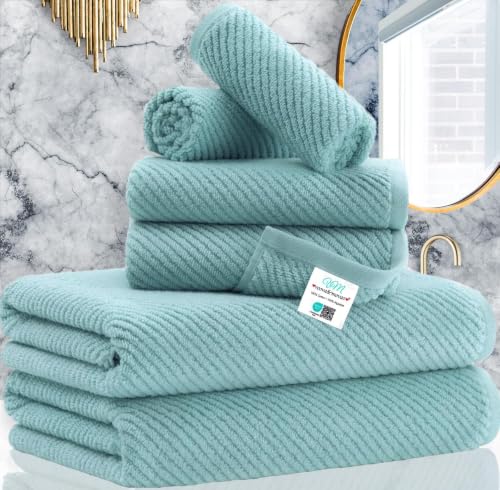

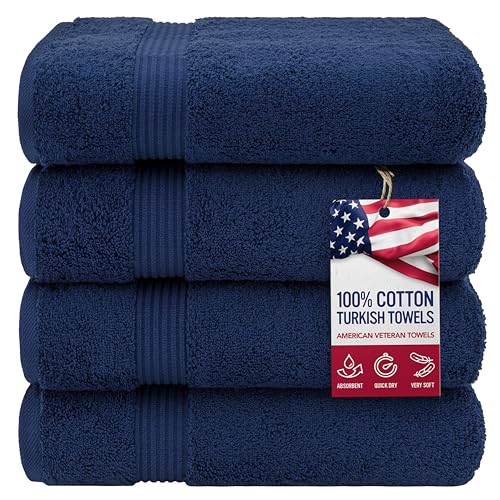
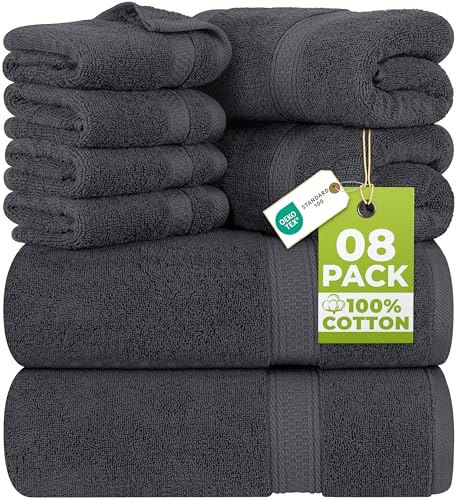
Who Should Buy Bath Towels for Softness?
Choose by the skin and routine the towel meets each day. A plush towel that delights after a long soak can feel heavy after a quick shower.
People With Sensitive or Dry Skin
You feel roughness most on damp skin, especially on shoulders, shins and any area you shave. Look for smooth long staple cotton and a lofty pile that glides rather than drags as you pat dry. Undyed or lightly dyed cloth is a calm choice if strong color treatments bother your skin.
Home Spa and Slow Bath Fans
You linger in the tub, use bath oils and want the towel to feel like part of the ritual. Choose a generous bath sheet in dense terry so it wraps your shoulders and hips without a cold gap. For wrap and weight ideas, see our guide to the best luxury bath towels.
Hosts Stocking a Guest Bathroom
Guests notice a rough towel at once, and comfort makes a spare room feel finished. Choose a plush midweight set that feels kind on first touch yet dries fully before the next shower. White or pale tones look clean and show stains early, when treatment still works. If you need several sets at once, see our guide to the best inexpensive bath towels.
Key Features to Compare
When you compare the best bath towels for softness, judge the cloth before color or brand language. Fiber, weight and loops decide most of the feel.
Fiber and Staple Length
Staple length is the length of each cotton fiber before spinning, and it shapes the yarn in the loops. Long staple cotton from Turkish, Egyptian or Pima plants spins smoother, with fewer loose ends poking out. Skin reads that smoothness as softness, and the pile resists pilling, where tiny balls turn the surface gritty. For a deeper look at fiber choices, see our guide to the best material for bath towels.
GSM Weight and Plush Feel
GSM means grams per square meter, the weight of cloth in a set area of towel. Towels around 400 to 500 GSM feel light and dry fast, but they rarely feel plush. Most buyers find the soft zone at about 600 to 800 GSM, where loops cushion skin well. Towels at 800 to 900 GSM feel dense and spa like, yet they weigh more when wet and dry slowly.
Weave, Twist and Loop Height
Most soft towels use terry weave, where loops rise from a woven base and trap air and water. Twist is how tightly each yarn is spun, and low twist or zero twist yarns bloom open for a downy feel. Those open loops can snag on rings or rough nails, while higher twist yarn feels crisper and lasts longer. Taller loops add cushion, and combed cotton gives a cleaner pile, because short fibers are removed before spinning.
Standard Bath Towel or Bath Sheet Size
A standard bath towel is about 27 by 54 inches, and a bath sheet is about 35 by 70 inches. A towel that covers you fully lets the pile work without cold edges, so size changes softness in use. Taller or broader adults usually prefer a bath sheet, while a standard size folds smaller and loads the washer easily. Measure your towel bar too, since a sheet that stays bunched dries poorly and loses loft.
Absorbency and Drying Speed
A soft towel must still move water off skin, or you will rub harder and defeat the pile. Dense loops hold more water per pass, so a plush towel can dry you with gentle pressure alone. That density slows air flow, and a very thick towel can feel damp at the fold hours later. If absorbency matters as much as feel, see our guide to the best absorbent bath towels.
Certifications and Gentle Finishes
OEKO TEX Standard 100 means the finished cloth was tested for harmful substances that can touch skin. That check matters for a towel that presses on your face and body every day. Organic labels speak to how the cotton was grown, not to softness itself. A factory softening coat can make a thin towel feel silky for a day, then wash away, so lasting softness comes from fiber and loops, not a surface coat.
Types of Soft Bath Towels Compared
Group towels by the life they fit once the core features make sense. Each type below protects softness in a different way.
Organic and Eco Friendly Towels
These towels use cotton grown with fewer chemical inputs, and some blend in bamboo derived rayon for a smooth feel. Expect a soft but less lofty pile than the plushest terry, and check the blend, since a high rayon share can wear thin faster. For durability over years of washing, see our guide to the best quality bath towels.
Premium Long Staple Towels
Premium towels pair long staple fiber with a high GSM and careful edge stitching, at about $30 to $60 each. The payoff is a pile that stays even and kind after repeated washing, plus deep and steady color. They fit a main bathroom used daily, where cost spreads across hundreds of uses, and they suit harsh bleach routines poorly.
Compact Towels for Small Bathrooms
Compact soft towels use a moderate GSM and a low twist pile, so they fold small and dry on a single bar. They suit apartments and shared baths where several towels compete for air. You give up some wrap, but a towel that dries fully keeps its loft better than a thick towel stored damp.
Common Mistakes to Avoid
Most softness is lost through buying and washing habits, not through the towel itself.
- Buying by store softness alone leaves you with a factory coat that washes out and a thin pile within weeks.
- Choosing the highest GSM for a humid bathroom leaves the towel damp for hours and invites a sour smell.
- Using fabric softener in every wash coats the loops, so water beads instead of soaking in.
- Washing towels with zippers and rough denim snags the loops and leaves pulled threads across the pile.
- Cramming thick towels onto one bar traps moisture, flattens the pile and dulls the feel you paid for.
Care and Maintenance for Lasting Softness
Wash new towels before first use in warm water to clear loose lint and factory finish. Use about half your usual detergent dose, because excess soap stays in the pile and stiffens it. Skip fabric softener, and shake each towel out before drying so the loops open, then tumble dry on medium heat.
Wash towels apart from clothing, group similar colors and dry each load fully before folding. Rotate two or three sets per person so no single towel is washed daily, and store towels on an open shelf. If a loop pulls, cut the thread level with the pile and never pull it, because pulling can run a bare line through the weave.
FAQ
What features matter most in bath towels for softness?
Fiber length, GSM and loop twist matter most, in that order. Shoppers who search for the best towels for softness often stop at thickness, but a smarter check is to press the pile against your inner forearm, where skin is sensitive. Squeeze and release the loops to see how fast they spring back, and ask about the return window before you judge by shelf feel.
How can you keep bath towels soft and fresh for longer?
You keep bath towels fresh by hanging each one in a single layer after every use. A towel doubled over a rod dries only on the outer face, while the inner fold stays wet and grows stale. Give each towel its own hook, and launder it after about three uses, because skin oil settles deep in the pile.
Are luxury bath towels worth the extra cost for softness?
Yes, luxury bath towels can be worth the cost if you use one daily and wash it gently. The gain is slower thinning in the center of the towel, where friction is highest, not only a softer first touch. For towels that face bleach or gym bags, a sound midweight towel replaced on time is the smarter buy.
How often should you replace bath towels that feel rough?
Replace a bath towel when roughness survives a careful wash and dry, often after about two to three years of regular use. Signs include a thin patch when you hold the towel to light, frayed edges and a smell that returns once the cloth gets wet. Replacing one towel in a set first lets you confirm the new choice.
What GSM range feels softest in a bath towel that still dries well?
About 600 to 750 GSM feels softest for most people who also need the towel dry by the next morning. Above that range, extra pile adds warmth more than useful softness and asks more of your drying space. If you hang towels indoors with no dryer, stay near 600 GSM and keep a second towel in rotation.
Final Thoughts
Start with long staple fiber, choose a GSM your bathroom can dry, and favor loops that bloom rather than scratch. Match size to the body and the bar. Use the product table above to compare fiber, weight and size before you decide.
With those checks in hand, the best bath towels for softness are the ones that still feel gentle after real washing, not only on the shelf. Pick the weight your home can care for, and every shower will end a little calmer.