Best Bath Towels for Humid Climate: A First Time Buyer's Guide for 2026
Disclosure: We may earn a commission when you buy through links on this page, at no extra cost to you. As an Amazon Associate I earn from qualifying purchases. Learn more

Shopping for the best bath towels for humid climate for the first time? Learn the terms, compare options, and avoid rookie mistakes with this easy guide.
If your towels still feel damp the next morning and develop a musty smell, humidity is likely the problem, not your laundry soap. The best bath towels for humid climate solve that problem by absorbing water well and then releasing moisture fast enough to dry fully between uses. This guide starts with the basics and helps you read the comparison table below with confidence.
You do not need the thickest or most expensive towel. In a damp bathroom, balance matters more than plushness, because a towel that stays wet for hours can smell stale even when clean. The sections below cover fiber, weight, weave, size and care, so your first purchase fits your bathroom and laundry routine.





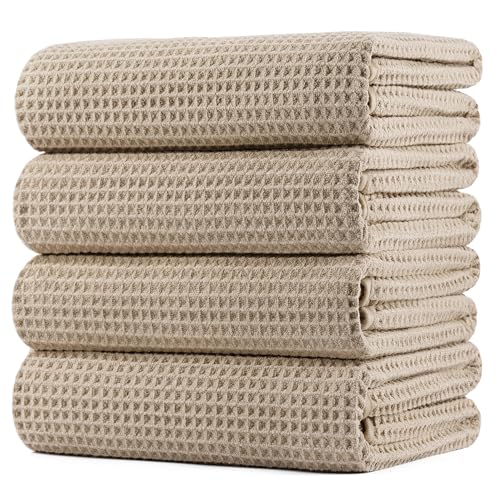
Bath Towels 101: The Basics for Humid Homes
A bath towel is the large towel you use to dry your body after a bath or shower, usually about 27 by 54 inches. Its loops lift water from skin and hold it until air carries the moisture away. In dry air that step is easy. In humid air it is slow, so weave, fiber and thickness decide whether a towel feels fresh or stays clammy.
The bath towel holds the most water of any bathroom towel and dries slowest. For a broader view of towels made for damp air, see our guide to the best towels for humid climate for other sizes.
Who Should Buy Bath Towels for a Humid Climate?
Your bathroom layout and laundry habits shape the right choice more than brand or color do.
Households in Coastal or Tropical Homes
Your towels face damp air all day and often dry without strong sun or heating. Choose lighter towels in the middle GSM range with an open weave that lets air pass through the loops. Buy at least two towels per person so each one gets a rest day to dry between uses, rather than returning to the hook damp.
Renters With Small Bathrooms and Poor Airflow
A small bathroom with no window and a weak fan holds steam long after you shower. Choose a standard size towel instead of an oversized bath sheet, because less fabric dries faster on a single bar. A waffle weave or a lighter terry towel suits you best, and a spaced door hook helps more than a crowded rack.
Families Who Wash Towels Several Times a Week
Frequent washing wears out weak hems and thin loops first, so durability matters as much as drying speed. Choose ring spun cotton with double stitched hems and colors that tolerate warm water. Keep a larger rotation so no single towel is washed daily, because rest between washes helps loops recover and stay absorbent.
Key Features to Compare
When you shop for the best bath towels for humid climate homes, compare the factors below in order, with drying speed first and absorbency second.
Fiber and Material for Damp Bathrooms
Fiber decides how a towel absorbs water and how fast it releases that water later. Long staple cotton, including Turkish cotton, feels soft and pulls water in well, and its longer fibers shed less lint through many washes. Bamboo blends absorb well and feel cooler, but can dry slower than light cotton. Microfiber dries fastest, yet feels less soft. For most first time buyers, pure cotton or a cotton rich blend offers the best balance. If choices feel broad, see our guide to the best material for bath towels for a fuller comparison.
GSM Weight and the Drying Tradeoff
GSM means grams per square meter, and it tells you how dense the fabric feels. Towels around 300 to 400 GSM feel thin and dry very fast, but may feel skimpy and wear sooner. Towels around 400 to 600 GSM give most humid homes a solid balance of absorbency and drying time. Towels above 600 GSM feel plush and spa like, yet they hold far more water and can stay damp for many hours in humid air.
Weave and Loop Construction
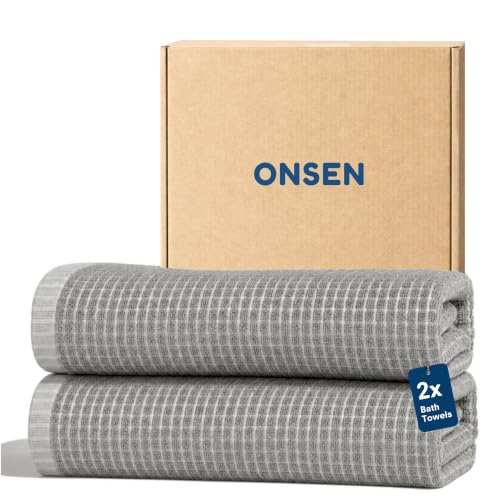
Terrycloth loops are the tiny loops that stand up from the base fabric and trap water. Short, dense loops absorb evenly and dry more predictably than very long loops, which trap moisture deep in the pile. Zero twist yarn feels extra soft, though it can dry slower and wear sooner than twisted yarn. A waffle weave has a textured grid with more surface open to air, so it dries fastest but feels less cushioned.
Absorbency That Still Lets Towels Dry
Absorbency is how much water a towel can lift from your skin in one pass, and loop area matters more than thickness alone. Press the towel against your body instead of rubbing, because full contact lets loops work and reduces missed damp patches. A towel can be highly absorbent and still suit humid air if its weave lets air move after use. For a deeper look, see our guide to the best absorbent bath towels and pair its advice with drying speed here.
Size, Color and Certifications
A standard bath towel at about 27 by 54 inches covers most adults and dries faster than a bath sheet at about 35 by 60 inches, which wraps more fully but holds more water. Choose the sheet only if you have bar space and airflow for it. Light colors show mildew spots sooner, while dark colors fade with hot washes. Look for OEKO TEX certification, which means the fabric was tested for harmful substances. Our guide to the best quality bath towels explains the stitching signs to check.
Getting Started: First Wash and First Use
Wash new towels before the first use in warm water with a regular detergent dose and no fabric softener. New cotton sheds loose lint and often carries a soft finish from making and shipping, and that finish can block absorbency until it washes out. Wash towels separately at first, because lint transfers easily.
Dry towels fully after that first wash, in a dryer on medium heat or on a line with moving air. From the first shower onward, spread each towel flat over a bar instead of folding it over itself, because a single layer exposes more surface to air. Leave the door open or run the fan for about 30 minutes after showering to clear steam.
Common Mistakes to Avoid
Most early towel problems in humid homes come from the habits and choices below, not from a faulty towel.
- Choosing a towel above 700 GSM leaves it damp for hours and invites a musty smell before the next shower.
- Using fabric softener on every wash coats fibers and lowers absorbency until towels push water around instead of lifting it.
- Leaving a used towel bunched on a hook traps moisture in the folds and lets mildew start in the thickest layers.
- Washing towels only when they smell stale allows odor causing buildup to set into the loops and become harder to remove.
- Buying one towel per person forces daily reuse of fabric that never dries fully in humid air.
Care and Maintenance for Bath Towels in Humid Air
Wash bath towels after about three to four uses, or sooner if one stayed damp overnight. Use warm water and a measured detergent dose, because extra detergent can stay in the loops and hold odor. Add no fabric softener, since coatings work against absorbency. An extra rinse helps where minerals build up in cotton.
Dry each towel completely before it goes into a hamper or closet, and store folded towels on an open shelf rather than in a sealed bin. If a towel smells sour straight from the wash, wash it again promptly on a warm cycle suited to its care label, because waiting lets the odor settle deeper.
FAQ
What features matter most in bath towels for humid climate homes?
Drying speed matters most, followed by absorbency and a weave that lets air reach the loops. A midweight cotton towel on a wide bar will outperform a thicker towel folded on a small hook. Also check the care label before you buy, because a towel that needs delicate handling rarely survives frequent washing in humid homes.
What GSM is best for bath towels in a humid climate?
For most humid bathrooms, 400 to 500 GSM is the most forgiving starting point. It feels substantial without holding the water that slows drying in a plush towel. If your bathroom has strong sun or a good dryer, you can move a little higher. If towels dry only on an indoor rack, stay near 400 GSM.
How often should I replace bath towels used in a humid climate?
Plan to replace bath towels about every one to two years in a humid home with frequent washing. Heat, moisture and repeated laundering break down loops faster here. A simple test helps: if a towel takes longer to dry your body than it did when new, its absorbent life is ending even if it still looks fine.
Are luxury bath towels worth it in a humid climate?
Luxury bath towels can be worth it only if their extra weight still dries fully in your bathroom. Many luxury towels focus on plush thickness, which works against humid air, so judge them by loop quality and fiber length rather than store softness. For context on the premium tier, see our guide to the best luxury bath towels.
How do I keep bath towels fresh longer in a humid climate?
Freshness starts right after each shower, so shake the towel out once to open the loops before you hang it. Hang it in the room with the best airflow you have, even if that means a door hook outside the bathroom. A small fan aimed at the towel bar for an hour helps during rainy weeks when nothing dries well indoors.
Our Verdict
Start simple for your first set. Choose midweight cotton towels with dense, even loops, double stitched hems and a size your towel bar can hold in a single layer. Give each person two towels and a place where air can reach both sides. Use the product table above to compare GSM, size and fiber.
When you compare options with drying speed first, the best bath towels for humid climate choice usually becomes clear quickly. Buy the towel your bathroom can dry every day, and it will stay softer, fresher and useful far longer than a plush towel that never quite dries.