Best Bath Towels for Eczema in 2026: Which One Fits the Way You Use It?
Disclosure: We may earn a commission when you buy through links on this page, at no extra cost to you. As an Amazon Associate I earn from qualifying purchases. Learn more

Compare bath towels for eczema prone skin by fiber, GSM, weave and finish, with care tips that keep fabric soft, clean and gentle after every wash.
Drying off should not leave your skin stinging, itchy or red. For sensitive skin the towel matters as much as the water temperature, because rough loops, leftover detergent and slow drying fabric all touch skin that is already reactive. The best bath towels for eczema feel smooth on the first pat, absorb without hard rubbing and wash clean without heavy fragrance. Use the comparison table below to check fiber, weight and finish.
There is no single towel that suits every routine. A child needs a lighter cloth than an adult who wants full wrap coverage. A person who showers twice a day needs faster drying than someone with spare towels. The sections below match each routine to its fabric choices.





Who Should Buy Which Bath Towels?
Start with who will use the towel and how often skin flares, then choose weight and weave to fit.
Adults With Frequent Flares and Reactive Skin
You need the least friction you can get, so put a smooth surface and a soft yarn ahead of extra thickness. Choose a moderate weight towel that lets you pat water away in a few passes, with plain edges and no raised pattern across the main drying area. Keep at least two towels in rotation for your use only, since sharing can spread skin products and laundry residue.
Parents Choosing Towels for Children With Eczema
You need a towel light enough for small hands and soft enough for skin that gets scratched during the night. Choose a standard bath size rather than an oversized sheet, because heavy fabric is harder for a child to hold clear of the floor. Look for a smooth hem and no scratchy tag inside the drying area. A hooded style can help younger children stay warm while you pat dry.
Adults Who Shower Often and Need Fast Drying Towels
You need fabric that dries fully between showers, because a towel that stays damp can feel harsh and smell stale within days. Choose a lighter weight or a flatter weave for daily use and save any plush towel for less frequent use. Hang it spread out on a wide bar rather than bunched on a hook. If your bathroom has poor airflow, drying speed matters more than absorbency.
Key Features to Compare
A towel is a comfort aid, not a treatment for eczema. See a doctor promptly if skin is cracked, bleeding, painful, swollen, warm, oozing or showing crusts, if a rash spreads fast, or if itching keeps you or your child awake at night. Talk with your clinician about your personal needs, and use the points below only to choose fabric that feels gentle.
Fiber and Yarn Softness
Fiber decides how the surface feels before any other feature is considered. Long staple cotton forms a smoother yarn with fewer loose ends to catch on dry patches. Combed cotton removes short fibers, so the cloth sheds less lint and feels more even after washing. Bamboo derived viscose can feel silky, though blends vary in durability. For a deeper look at fiber trade offs, see our guide to the best material for bath towels.
GSM and Weight for Towels on Eczema Prone Skin
GSM means grams per square meter, and it tells you how dense and heavy the fabric is. Towels around 400 to 600 GSM usually give the best balance for sensitive skin, absorbing well while staying light enough to pat with rather than drag. Towels below that range can feel thin and may need more passes. Towels well above it feel plush, but they hold more water, dry slowly and can tempt you to rub harder.
Weave, Pile Height and Friction
Terry cloth uses loops that lift water off the skin, and loop height changes how much friction you feel. Low, tight loops give a smoother pass and snag less on rough patches than long, loose loops. Zero twist yarns feel soft because the fibers are not tightly spun, though they can wear faster. Waffle and other flat weaves feel lighter and dry faster, but they absorb more slowly at first touch. Press the towel to the skin and lift it away rather than wiping.
Seams, Edges and Surface Details
Details that look decorative can be the part that irritates you most. A flat, neatly stitched hem should lie smooth against the skin, while thick woven borders, raised embroidery and stiff labels can scrape when they cross a flare. Check both faces, since many towels have a softer side and a more textured side. Use the softer face on sensitive areas and keep patterned bands near the ends, away from the middle section.
Certifications and Chemical Finishes
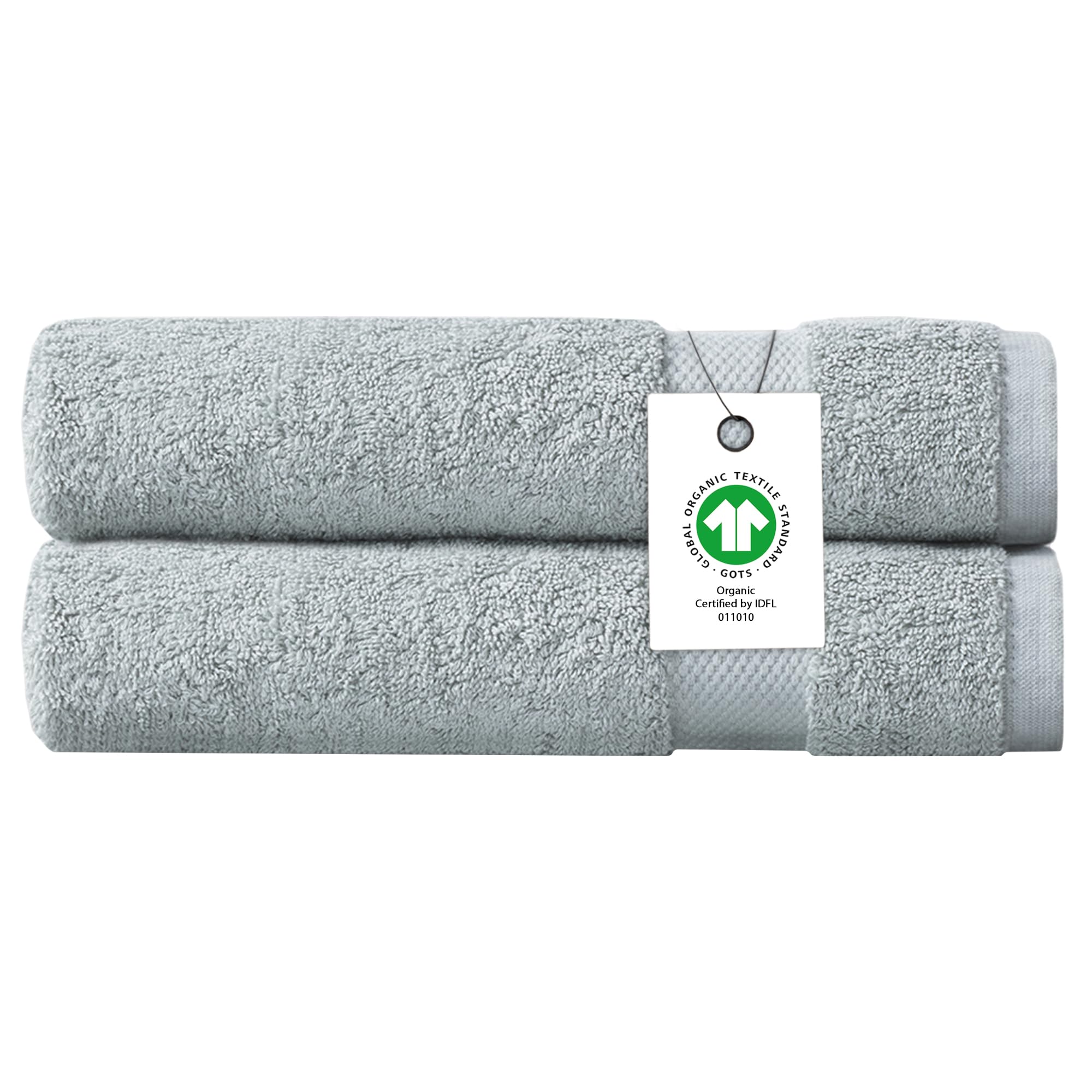
What stays in the fabric after manufacture matters when skin reacts easily. OEKO TEX Standard 100 certification means the finished textile has been tested for a range of harmful substances, and organic schemes check how the cotton was grown and processed. Be cautious with strong fragrance, heavy softening treatments or wrinkle resistant resins, because those finishes sit against wet skin and can be hard to rinse out. Plain or lightly colored towels in certified ranges are a sensible starting point.
Types Compared and a Simple Pat Dry Routine
Standard bath towels are usually about 27 by 54 inches, which covers most adults without trailing on the floor. Bath sheets are larger, often about 35 by 60 inches, and wrap further but feel heavier when wet. That routine is the real test of the best bath towels for eczema, because a towel that forces you to rub has failed even if its fiber is soft. Press the towel gently against one area at a time, hold so the loops can take up water, then lift and move on.
For absorbency first, see our guide to the best absorbent bath towels, and for build details that hold up in the wash, see our guide to the best quality bath towels. If you want a broader view of this skin need, see our guide to the best towels for eczema. Keep the type that lets you finish drying with the fewest passes.
Common Mistakes to Avoid
Each of these errors adds friction or residue you could have avoided.
- Choosing the thickest towel leaves you with heavy fabric that dries slowly and invites hard rubbing.
- Rubbing skin dry instead of patting it can leave flared areas sore and itchy within minutes.
- Buying towels with raised patterns across the middle puts the roughest surface exactly where skin is most reactive.
- Using scented detergent and softener on every wash leaves a film that can sting wet, broken skin.
- Sharing one family towel spreads creams and residue between users and makes reactions harder to trace.
- Keeping a towel until the loops feel wiry means months of drying with a surface that has turned harsh.
Washing and Care Tips for Towels Used on Sensitive Skin
Wash new towels before first use to remove loose lint and factory finishes, and wash them alone the first few times. Use warm water and a modest amount of fragrance free detergent, then add an extra rinse so less residue stays in the loops. Skip fabric softener and dryer sheets, because their coating can reduce absorbency and sit against sensitive skin. Wash towels used on flared skin after every few uses, and sooner if they feel stiff.
Dry each towel fully between uses, spread wide on a bar in moving air. Tumble drying on moderate heat can help keep loops soft, while leaving a towel bunched in a damp bathroom makes it feel coarse faster. Store clean towels in a dry cabinet away from scented products, and keep your eczema towels in a separate pile so they are not washed with heavily fragranced loads.
Bath Towels for Eczema: Your Questions Answered
What GSM suits bath towels used on eczema prone skin?
A range of about 400 to 600 GSM suits most people with eczema prone skin. That weight absorbs in a few gentle pats without feeling heavy in your hands. If you dry a child or have weak wrists, stay near the lower end. Keep a note of the GSM you liked, because the same number in a different weave can feel quite different.
Is terry cloth or a waffle weave kinder on eczema prone skin?
Low loop terry cloth is usually kinder for daily drying, because it absorbs on contact and needs fewer passes. A waffle weave can suit warm weather or travel, since its lighter fabric dries fast and packs small. Try the flat weave first on calm skin rather than during a flare, so you can judge the feel fairly.
How often should bath towels for eczema prone skin be washed?
Wash bath towels for eczema prone skin after about three uses, and after every use while skin is broken or weeping. A shorter cycle keeps sweat, scale and cream residue from building up in the loops. If a towel smells musty after washing, wash it again in hot water if the care label allows it. Having three towels per person makes this rhythm easy.
Can fabric softener make a bath towel harsher on eczema prone skin?
Fabric softener can make a bath towel less suitable, because its coating builds up and the towel then slides over water instead of absorbing it. That leads to more rubbing, which sensitive skin tolerates least. If towels already feel coated, wash them twice without softener before judging them. A short extra rinse often restores absorbency better than more detergent.
When should you replace a bath towel used on eczema prone skin?
Replace a bath towel used on eczema prone skin when the surface feels wiry, the loops look flat and scratchy, or a musty smell returns soon after washing. For daily use that point often arrives after about one to two years. Do not wait for holes to appear, because softness fades long before the fabric fails. Move worn towels to cleaning duty.
Our Verdict
Choose by friction first, then by weight and drying speed. A smooth, moderate weight towel with plain edges, a trusted certification and a fragrance free wash routine will serve most routines. Use the product table above to compare size, GSM and fiber.
When you judge best bath towels for eczema by how gently they let you pat skin dry, the right choice becomes clear. Buy enough towels to rotate and replace them once the surface turns harsh.