Best Batch Juicers (2026): Slow, Centrifugal and Compact Styles Compared
Disclosure: We may earn a commission when you buy through links on this page, at no extra cost to you. As an Amazon Associate I earn from qualifying purchases. Learn more

Juicing for a family? Compare the best batch juicer styles by hopper size, pulp bin, yield and cleaning effort.
Sunday morning in many homes means a sink full of carrots, apples, and greens, plus several people waiting for a glass. A best batch juicer is built for that moment. It lets you load a large amount of produce at once and make several servings in one session, instead of stopping to refill after each glass. The product table below sums up the main styles, and this guide helps you match one to your space, household size, and budget.
If you juice for a family, for guests, or for a few days at a time, batch capacity matters more than raw speed alone. Chamber size, pulp bin size, run time, and cleaning effort shape whether a model feels helpful or tiring. For a broader view, see our guide to the best juicer options for everyday home use.
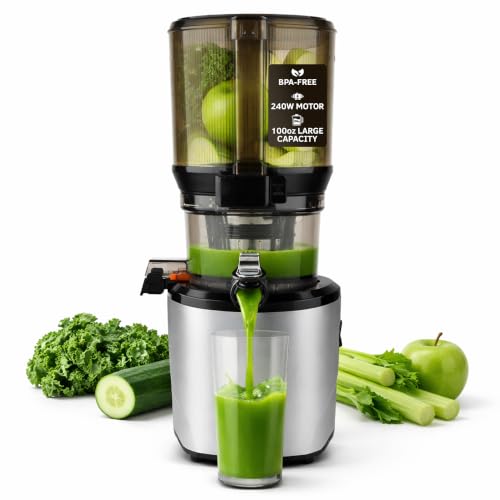

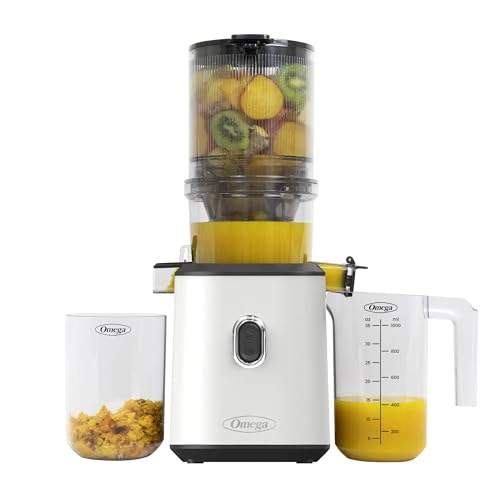

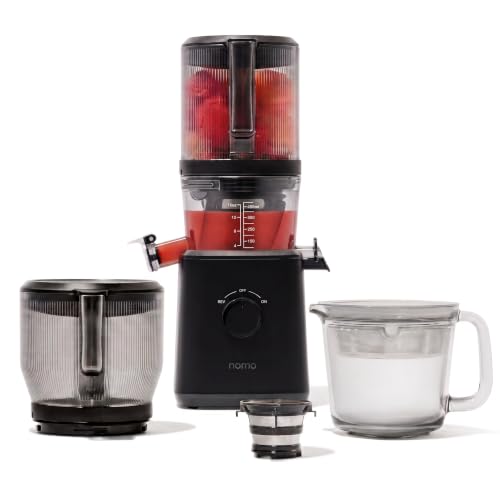
Quick Answer: Batch Styles in 30 Seconds
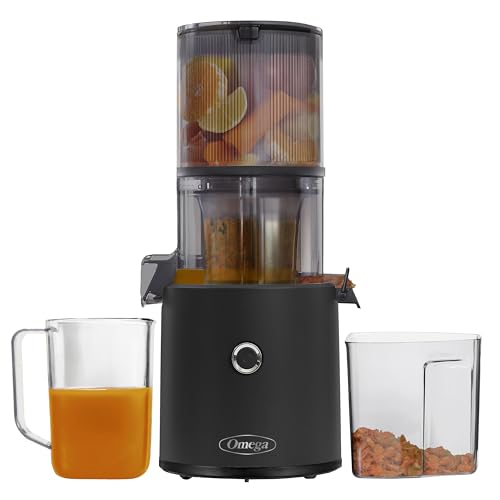
Choose a slow batch model with a large hopper if you want quiet operation, good yield from greens, and juice you plan to store for a day or two. Choose a centrifugal model if you want fast results for firm produce and plan to drink the juice soon. Choose a compact model if space is tight and your batches are modest, such as four to six servings at a time.
Your rhythm matters too. A household that juices once and shares the results needs volume and a large pulp bin. A household that juices in smaller rounds through the week may value quick setup and quick washing more than maximum capacity.
Before You Buy: A Quick Checklist for Choosing a Juicer
Which Type Fits Your Routine
Slow models crush and press produce at low speed, and most batch versions use a wide hopper that feeds pieces gradually as the auger turns. This style suits leafy greens, celery, and mixed batches where yield matters. If that approach sounds right, compare the best cold press juicer choices and the best masticating juicer choices, since both terms describe slow pressing methods that overlap in home kitchens. Centrifugal models spin produce at high speed and finish fast, but the juice holds more foam.
Features Worth It and Ones to Skip
A wide chute is worth paying for in a batch machine, because it cuts prep time and lets you load more produce before you start the motor. Also valuable are a hopper that holds a full recipe, a pulp bin that matches that volume, clear measure marks on the juice container, and a reverse function to clear a jam. Extras to skip include many speed settings, decorative finishes, app connections, and large accessory bundles for foods you rarely make. Spend first on capacity, a screen that is simple to scrub, and parts that lock together without force.
Wattage, Power and Energy Use
Wattage alone does not predict results, because slow and centrifugal machines use power in different ways. A slow model may list a modest rating yet produce strong torque, which pushes dense carrots and beets through without stalling. A centrifugal model lists higher watts and finishes in minutes, so energy use per session stays small. For batch work, steady performance across a full load matters more than a strong start.
Safety Features and Certifications
Look for a locking lid or arm that stops the motor when the cover opens, because batch loading tempts you to reach toward the chute while the machine runs. Always use the pusher provided, never your fingers. Listings that name UL or ETL testing show the electrical design was checked by a recognized lab. Supervise children closely around a wide chute, and unplug the machine before you open it to clear a jam or remove pulp.
Counter Space and Dimensions
Measure the spot where the machine will live, including height under your cabinets, before you choose a large hopper design. Batch models are often tall, and you need open space above the chute to load produce, plus room beside the machine for juice and pulp containers. Check the full footprint with containers attached, not just the motor base.
Realistic Budget Ranges
At about $50 to $100, expect compact centrifugal and small slow models with modest hoppers, shorter run times, and more plastic parts. At about $100 to $200, capacity grows, motors handle dense produce with less strain, and screens are often easier to clean. At about $200 to $300, you gain larger chambers, quieter operation, and stronger build quality. Above about $300, you pay mainly for very large capacity, long warranties, and refined finish.
Batch Types Compared: What Each Style Does Best
Slow Batch Models for Large Volumes
Slow batch models center on a large hopper where you load a full recipe at once, close the lid, and let the auger draw produce down in stages. This design shines for weekly prep with greens, cucumber, celery, and firm fruit. Yield from leafy produce tends to be strong, and the juice has less foam, which helps if you chill servings for later. The trade off is time, cost, and more parts to wash. Our explainer on masticating vs centrifugal juicer differences covers how each method treats pulp and foam.
Centrifugal Batch Models for Speed
Centrifugal batch models suit homes that want juice fast for breakfast or for a group gathered right now. A wide chute swallows large pieces, the spinning screen extracts juice in seconds, and a roomy pulp bin lets you keep going through rounds of apples, carrots, and pears. Controls are simple and the learning curve is short. The limits are noise, weaker results with leafy greens, and juice that separates sooner, so plan to serve it the same morning. Choose this style if speed, simple controls, and a lower price matter most and your recipes center on firm produce.
Compact Batch Models for Small Kitchens
Compact batch models reduce hopper size to save space, yet still make more than a single glass in one session. They fit apartments and kitchens where the machine returns to a cupboard after use, and a batch for two to four people is realistic, though you may refill the hopper once during a large recipe. Smaller pulp bins fill sooner and motors may need a pause, so patience is the compromise. For new owners, our walkthrough on how to use a juicer covers loading order and pacing that help small machines avoid jams.
Our Selection Process for Batch Juicers
We judge batch models on capacity first, meaning hopper volume, pulp bin volume, and how the two match in practice. Next come yield across firm and leafy produce, ease of loading, cleaning time, noise in a normal kitchen, and safety design such as lid locks and stable feet. Warranty length and replacement part costs also count.
What We Like and What We Do Not Like About Batch Juicers
Batch juicing saves repeated setup. You wash produce once, set up once, and clean once, yet finish with several servings. That rhythm fits family breakfasts, shared households, and prep for workdays. Large hoppers also reduce cutting, and loading a full recipe at the start feels calmer than feeding piece after piece while the motor runs.
The downsides are real. A big session creates a large pile of pulp and a fuller sink of parts at the end, and juice made ahead slowly loses freshness in the fridge. If your household drinks only one small glass a day, a batch machine may push you to make more than you need. Batch size should follow what you will truly drink within a day or two, not the largest number a hopper can hold.
Common Buying Mistakes to Avoid
- Buying the largest hopper you can find without measuring cabinet height, which leaves a machine that cannot sit under your cabinets with the lid open.
- Matching a large juice chamber to a small pulp bin, so a full batch stalls midway while you stop to empty pulp.
- Choosing high watt numbers as proof of quality, when torque, screen design, and steady run time matter more for dense and leafy produce.
- Ignoring replacement screen and container costs, which can turn a low purchase price into higher spending over years of weekly use.
- Planning storage for a week of juice, when most home batches taste best within a day or two and excess servings often go to waste.
- Skipping manual guidance on run time and rest pauses, which shortens motor life when large sessions run back to back without cooling.
Cost of Ownership and Care
Ongoing costs stay modest when you plan for them. Electricity for one session is a small part of your bill, since even a strong motor runs for minutes, not hours. Larger costs are produce itself, plus wear items such as screens, brushes, and containers that crack or stain over time. Care is mostly about speed after the session ends. Rinse parts right away, scrub the screen from both sides, and let every piece dry fully before you rebuild the machine, since trapped moisture invites odor. Our guide on how to clean a juicer adds detail on soaking and stain care.
Your Questions, Answered
Are batch juicers worth it for a household of two?
Yes, if the two of you drink juice on the same schedule and enjoy sharing a pitcher at breakfast or after exercise. A modest batch model makes four glasses in one setup and cleaning cycle, which feels efficient even for two people. For variety, make a plain base batch, pour it into separate bottles, and add ginger, lemon, or herbs to each bottle. Both of you then get a flavor you like without a second run.
Can a batch juicer handle leafy greens and ginger in the same load?
Yes, and the order you load them changes the result. Place soft leaves in the middle of the load, with firm produce such as apple or carrot before and after them, so the firmer pieces push the leaves through the screen. Add ginger in small pieces spread through the batch rather than in one clump, because a single dense clump can dominate the flavor and slow the auger. This layering approach is the detail that most often improves green batches at home.
Should you peel and core produce before a large batch?
Peel only what the machine handles poorly or what tastes bitter, such as thick citrus rind and melon skin, and remove large hard pits from stone fruit before loading. Apple cores usually pass through home juicers without trouble, though removing them gives a smoother flavor in batches shared with children. Wash everything well, cut pieces to fit the chute without force, and trim bruised spots, since one spoiled piece can affect the taste of the whole pitcher you share.
How long does a batch juicer last with weekly use?
A well kept home model often serves for several years of weekly use, with the screen and containers usually showing wear before the motor does. Life span depends less on the calendar and more on habits you control. Avoid forcing oversized pieces, respect rest pauses during long sessions, and replace a bent screen promptly instead of letting the motor strain against it.
How much juice should you plan per person when making a batch?
Plan on roughly one to one and a half cups per person for a breakfast serving, then work backward to produce amounts once you know your usual recipes. A useful trick is to weigh your produce for the first few batches and note the juice you get, because apples, oranges, and greens yield very different amounts from the same weight. After a few sessions you will have a reliable ratio and simpler shopping.
Final Thoughts
Match capacity to the servings your household will drink within a day or two, favor a hopper and pulp bin that suit each other, and pick the method that fits your favorite produce. Slow models reward green recipes and planned prep, centrifugal models reward speed, and compact models reward small kitchens. Review the product table above once more, then choose the best batch juicer style that fits your counter, your routine, and your budget with confidence.