
Best Bass Speakers for TV: Checklist and Buying Paths for 2026
Disclosure: We may earn a commission when you buy through links on this page, at no extra cost to you. As an Amazon Associate I earn from qualifying purchases. Learn more

A checklist guide to the best bass speakers for tv, covering dialogue clarity, HDMI connections, subwoofer options, room size, and the red flags to avoid.
Flat screen TVs keep getting thinner, and their built in sound keeps getting weaker, especially in the low end where voices lose body and effects lose impact. The best bass speakers for tv setups fix that, but the right choice depends on your room, your TV connections, and whether you want a separate subwoofer.
This guide gives you a checklist to judge TV speaker options: what to measure, what to ignore, and which trade offs matter for movies, sports, and everyday shows. Start with the comparison table below, then score your shortlist against each section.


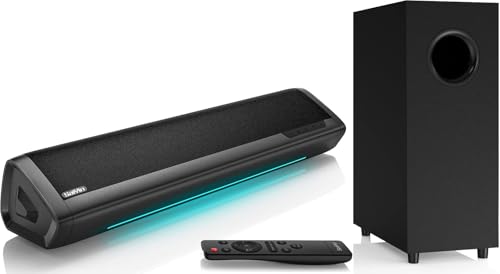
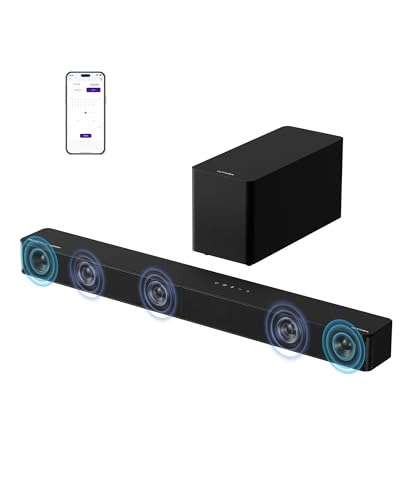
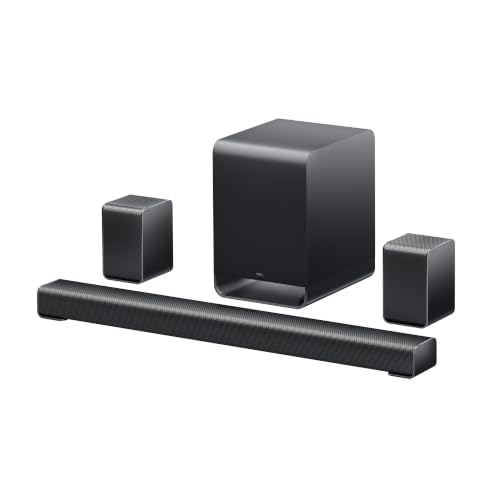
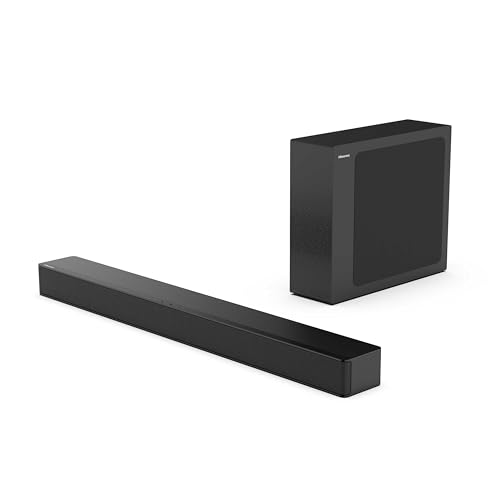
What to Check in Bass Speakers for TV
Features That Matter for TV
TV listening is not the same as music listening. Dialogue clarity comes first, because most of what you watch is people talking, so look for a dedicated center channel in a soundbar or a clear dialogue mode. Bass comes second: it should add weight to effects and music without swallowing voices. A volume normalizing feature also helps, since it tames loud ads and action peaks. If voices sound thin in a demo clip, no amount of bass will rescue the experience.
Audio Delay and Sync
If your picture processing is fast and your sound arrives late, lips and effects drift out of sync. Look for a speaker or soundbar with an audio delay adjustment, and prefer an eARC connection, which handles sync better than older optical links in many setups. Check your TV for an ARC or eARC port before you shop, because that single port decides how simple your setup will be. If you game often, also check that the speaker passes your console signal through without adding lag.
Connectivity and Ports
Connectivity is where TV speaker purchases most often go wrong. HDMI ARC or eARC is the first choice because the TV remote then controls volume and the speaker wakes with the TV. Optical is a solid backup on older TVs, though it cannot carry the highest end audio formats. Bluetooth is handy for music from a phone but can add delay for video. Count your sources before you buy: a streamer, a console, and a disc player may call for a receiver based system rather than a simple bar.
Audio Formats and Headroom
Format support decides whether movie soundtracks reach the speaker intact. Most streaming uses compressed formats that any decent soundbar handles well, while disc based collections may carry lossless formats that need eARC or a receiver. Headroom matters just as much: a system that plays your loudest scenes without strain will sound relaxed at normal volume. Watt claims alone tell you little, so weigh driver size, subwoofer size, and honest user feedback about distortion at movie volume instead.
Smart Platform and Sound
Many soundbars borrow the smart platforms you know from TVs, with voice assistants and streaming apps built in. That convenience is real, but it should rank below sound quality and connections. A simpler speaker that pairs with your existing streamer ages better than a smart bar whose software stops updating. Also check how the speaker handles music when the TV is off, since a bar that doubles as your room speaker earns its space. For a wider view of the category, see our guide to the best tv speakers.
Room Size and Speaker Size
Match the system to the room, not to the screen alone. A compact bar suits a bedroom or a small apartment where deep bass would annoy neighbors. A mid size living room benefits from a bar with a separate wireless subwoofer, which you can place near a corner for extra output. Large open rooms often need a receiver with separate speakers, because a single bar cannot fill that space with even bass. Measure your TV stand width too, so the bar fits without blocking the screen or its remote sensor.
Three Paths That Pass the Checklist
Path One: Bar Plus Separate Subwoofer
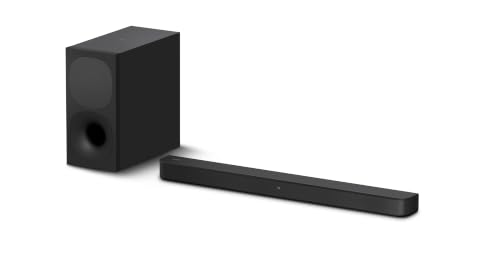
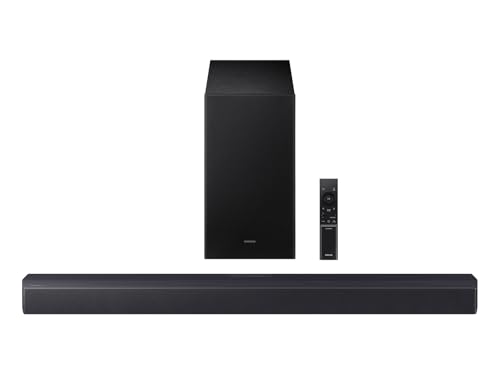
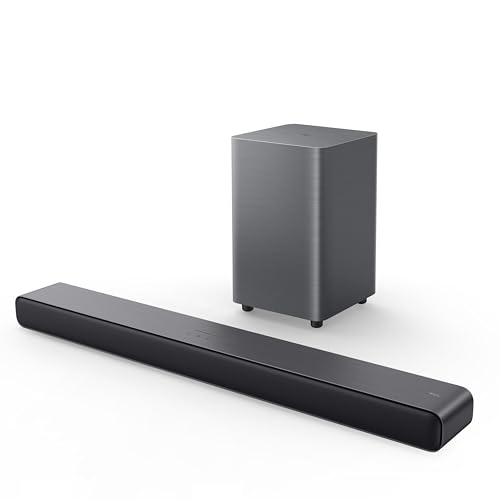
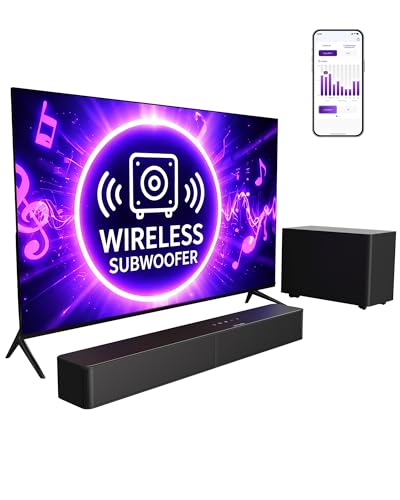
For most living rooms, a soundbar with a separate wireless subwoofer, often around $250 to $450 as a set, passes the most checklist boxes. The bar keeps dialogue anchored to the screen, while the subwoofer handles the low notes a slim bar cannot move enough air to produce. Placement flexibility is the quiet advantage: you can tuck the subwoofer where it sounds best rather than where the TV sits. The limit is space and one more box to power, so small rooms may prefer the simpler path below.
Path Two: A Capable Standalone Bar
A standalone bar with strong built in bass drivers, often around $120 to $220, is the value sweet spot for apartments and secondary TVs. Modern designs use passive radiators and careful tuning to reach lower than their size suggests. You give up the deepest effects and some loudness, but you gain a clean setup with one cable. If you mostly watch news, sports, and streaming dramas, this path covers the need without a subwoofer footprint.
Path Three: Small Bar for Tight Spaces
A compact bar, often around $80 to $150, suits desks, dorms, and small bedrooms where a full system will not fit. Judge it on dialogue clarity first and treat any bass as a welcome bonus over TV speakers. These bars also travel easily between rooms. The honest limit is physics: a short cabinet with small drivers cannot produce deep bass, so manage expectations and prioritize clear voices and simple HDMI or optical hookup.
Quick Buyer Checklist
- Does your TV have an HDMI ARC or eARC port for a one remote setup?
- Is dialogue clarity strong, with a center channel or a clear dialogue mode?
- Does the bass stay controlled at your normal movie volume, without rattling voices?
- Can you place a separate subwoofer near a wall or corner if the system has one?
- Does the bar fit your stand without blocking the screen or the remote sensor?
- Is there an audio delay adjustment in case sound and picture drift apart?
- Does the warranty run at least one year, with support you can actually reach?
Red Flags to Watch For
Watch for vague watt claims with no driver sizes listed, since honest makers publish both. Be wary of bass claims from a tiny bar with no subwoofer and no passive radiator, because small cabinets have hard physical limits. Short warranties under a year, missing ARC support on a modern priced model, and a flood of oddly similar glowing comments are all warning signs. Finally, avoid systems with no way to adjust bass level, because your room will almost certainly need a tweak up or down.
Picking the Right Bass Speakers for Different Uses
Best Bass Speakers for TV under 100: What to Check
If you are shopping for best bass speakers for tv under 100, focus on three checks. First, insist on an optical or HDMI connection so the speaker syncs cleanly with your TV. Second, favor a slightly larger cabinet or a design with passive radiators over the slimmest bar, since cabinet volume is what little bass you get. Third, prioritize dialogue clarity over boomy tuning, because at this price a balanced bar sounds bigger than an exaggerated one.
Setup and Care Tips
Place a soundbar at the front edge of the stand so sound does not bounce off the surface, and keep the subwoofer a short distance from a corner, then adjust its level until effects support the scene rather than dominate it. Turn off any extra bass boost for a week while you adjust, then raise it only if movies feel thin. Dust drivers gently with a dry soft cloth, keep vents clear, and update firmware when the maker offers it, since updates often fix sync and connection quirks.Our guide to the best bass speakers covers formats beyond TV use.
Frequently Asked Questions
What features matter most in bass speakers for tv?
Dialogue clarity, an ARC or eARC connection, and controlled bass matter most, in that order. A center channel or dialogue mode keeps voices intelligible, the right connection keeps volume control on one remote, and adjustable bass lets you fit the sound to your room. Format support and smart extras are secondary. Judge any model on those three first and you will avoid most disappointing purchases.
How long do they last?
A decent TV speaker system typically lasts about five to ten years, since there are few moving parts besides the drivers themselves. Soundbars usually age out through software and connection standards rather than failure, so a model with standard HDMI and optical inputs stays useful longest. Keep vents dust free and avoid constant maximum volume, which stresses amplifiers and drivers over time.
Does a soundbar work with any TV?
Most do. Any TV with an HDMI ARC, optical, or Bluetooth output can drive a soundbar. Check your TV ports before you buy, because ARC or eARC gives the simplest setup, with one remote controlling volume.
Should I use the TV speakers with a soundbar?
Usually not. Set the TV to external speakers in its sound menu so audio plays through the bar only, which avoids echo and delay.
What size should I get for my room or desk?
Match the system to the space you fill. A compact bar suits a desk or bedroom, a mid size bar with a subwoofer suits most living rooms, and a large open plan room may need separate speakers with a receiver. Also check physical fit: the bar should not exceed your stand width or block the TV sensor. When in doubt, prioritize the subwoofer option, since bass is what small rooms and big rooms handle most differently. For music first alternatives, see our guide to the best bass wireless speakers.
Final Thoughts
Run the checklist in order: connections first, dialogue clarity second, adjustable and controlled bass third. That sequence keeps you from buying impressive bass that fights your TV or your room. The best bass speakers for tv setup for you is the one that passes those checks at a price that fits, whether that is a compact bar or a full subwoofer set. Compare your shortlist in the product table above and choose with your room measurements in hand.


