Best Basketballs for Outdoor Play: A Practical Buying Guide for 2026
Disclosure: We may earn a commission when you buy through links on this page, at no extra cost to you. As an Amazon Associate I earn from qualifying purchases. Learn more

Pick the best basketballs for outdoor play by comparing cover material, size, grip, and durability for concrete and asphalt courts.
Outdoor courts are hard on a basketball. Concrete and asphalt chew at the cover, dust settles into the grip, and sun and rain change how a ball feels from one week to the next. Choosing the best basketballs for outdoor play means matching the cover, size, and bounce to the surface you actually use, not to a polished gym floor.
This guide walks through the choices that matter most, from rubber and composite covers to sizing for youth and adult players. Use the comparison table below to compare options side by side.


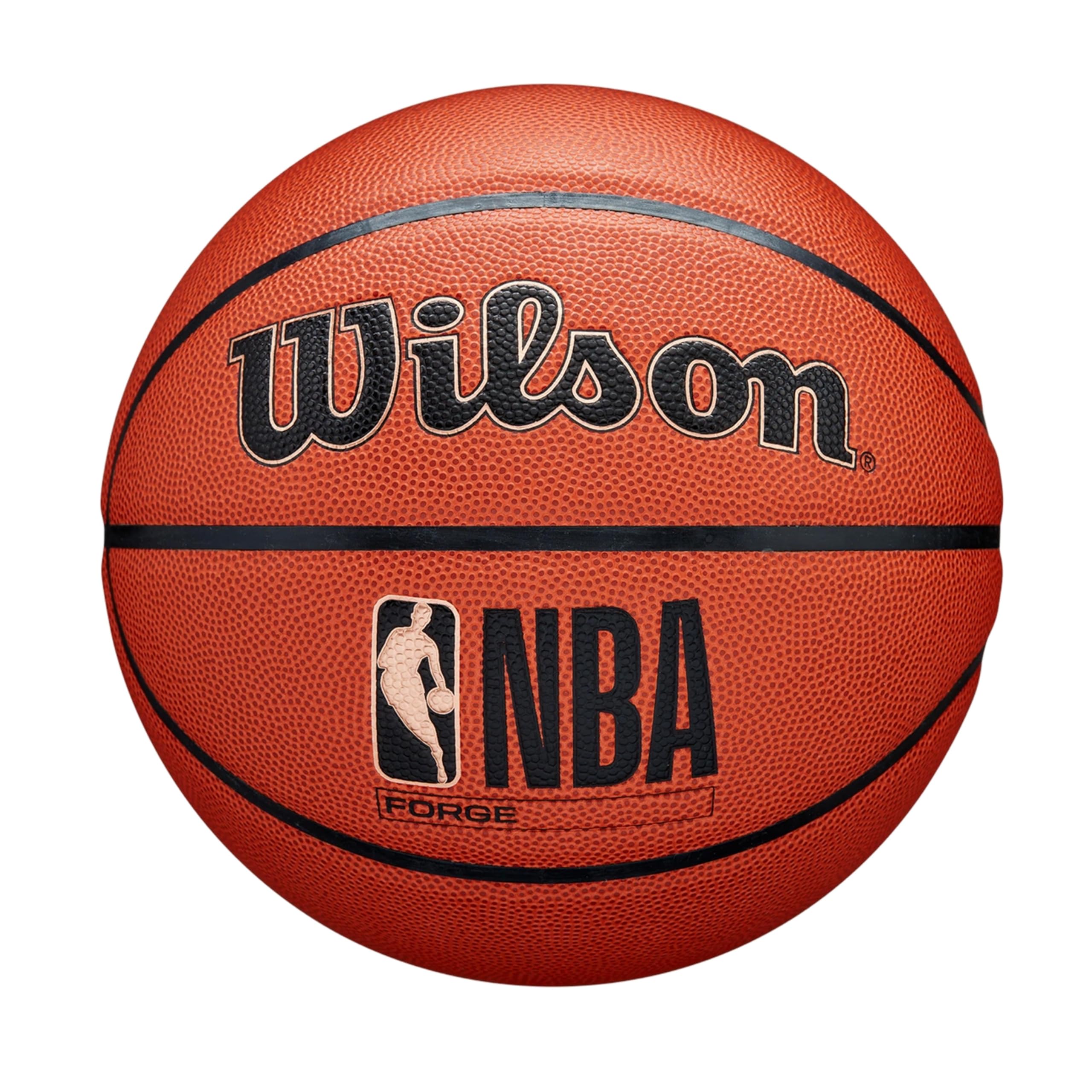


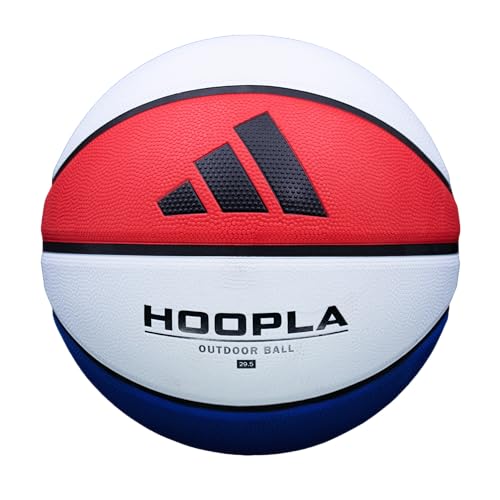
Who Should Buy Which Outdoor Basketball?
Driveway and Park Pickup Players
You play on rough asphalt or concrete several times a week, in pickup games where the ball takes hard bounces. Durability should lead your decision, so a thick rubber cover is usually the smartest match. Good footwear matters just as much on these courts, so see our guide to the best basketball shoes to play outdoors for traction that holds up outside.
Beginners Learning the Game Outdoors
If you are building basic skills like dribbling, passing, and shooting form, choose a ball with a forgiving feel and a consistent bounce. A slightly softer composite cover or a rubber ball with a pebbled surface helps the ball stay in your hands while you learn control. Start with the correct size for your age and strength, because an oversized ball teaches poor shooting habits that are hard to correct later.
Families Sharing One Ball
Households often need one ball that works for adults shooting around and kids joining in between. A durable rubber ball in a mid size is a practical compromise, and it keeps the cost sensible. Expect some trade offs, since a ball sized for adults will feel large for younger children. If sharing stops being fun, a second smaller ball for the kids usually solves the problem better than one premium ball.
How to Choose an Outdoor Basketball
The best basketballs for outdoor play share a few traits, but the right balance depends on your court surface, your hands, and how often you play. Readers curious about the designs that shaped modern balls can also see our guide to the best basketballs ever for useful background. The factors below explain what to compare in the product table above before you spend anything.
Cover Material and Construction
Rubber covers are the workhorse choice for outdoor courts. They resist abrasion, shrug off dust and light moisture, and cost the least, though the feel can be a little firm and bouncy. Composite leather covers feel softer and closer to an indoor ball, with better touch on shots, but rough asphalt wears them down faster. Genuine leather belongs indoors only, because outdoor grit ruins its surface quickly. Check that panels are bonded evenly and seams sit flush, since uneven seams change the bounce.
Grip and Channel Design
Grip comes from the pebbled texture across the cover and the channels that run between panels. Deeper channels give your fingers clear edges to control spin on shots and passes, which helps when hands are sweaty or the ball is dusty. A very smooth cover may look premium, yet it can slide in your palm during a layup. Wipe dust off with a dry cloth before play, because a thin layer of grit cancels much of that grip.
Correct Size and Weight
Size is the choice players get wrong most often, so use this simple size chart. Size 5 measures about 27.5 inches around and suits most players aged 9 to 11. Size 6 measures about 28.5 inches and is the standard for womens play and for many players aged 12 to 14. Size 7 measures about 29.5 inches and is the standard for mens play from about age 15 up. A ball that matches hand size improves shooting form, while a heavy oversized ball strains the wrist and flattens the arc of the shot.
Skill Level and Intended Use
Beginner friendly balls favor durability and a predictable bounce over fine touch, and they forgive the rough handling that comes with learning. Intermediate players who practise set shots and drills benefit from composite covers with deeper channels. Advanced players who split time between outdoor courts and gyms often prefer a hybrid ball, accepting faster wear outside in exchange for a familiar feel. Be honest about where most of your minutes happen, because that surface should decide the cover.
Value and Included Accessories
Most outdoor basketballs cost about $15 to $40, with composite models often running a little higher. Some listings bundle a pump, inflation needles, or a mesh carry bag, and those extras have real value if you do not already own them. A ball sold alone can still be the better buy when you already have a pump at home. If you are also replacing worn footwear this season, see our guide to the best basketball shoes to budget for your full outdoor kit at once.
Safety Checks Before Play
Before a game, roll the ball slowly and look for cracks, peeling panels, or a bulge that suggests the bladder is failing, because a damaged ball can bounce unpredictably. Check that the valve holds air and that no sharp gravel is stuck in the channels. Play on a surface clear of loose stones and standing water, and stop if lightning is nearby.
Portability and Storage
Every outdoor basketball is inflatable, so portability is mostly about the pump you carry and where the ball lives between games. A small hand pump and a spare needle fit in most gym bags, and a mesh bag keeps a dusty ball from marking up car seats. At home, store the ball indoors away from direct sun and garage heat, since both age the cover and soften the bonding between panels.
Types of Outdoor Basketballs
Rubber Outdoor Basketballs
Rubber balls are the beginner options and the park regulars at the same time. They are inexpensive, bounce consistently on concrete, and tolerate being left in a trunk or dropped on gravel. The trade off is feel, since rubber can seem hard and lively off the rim compared with softer covers. For schoolyards, camps, and any court where the ball is shared by many hands, rubber is usually the sensible first choice.
Composite Leather Outdoor Basketballs
Composite covers offer a middle path for players who want better touch without giving up outdoor use. The surface feels softer in the hand, channels are often deeper, and shot control improves, which suits regular practice on smoother courts like sealed concrete or sport tiles. Expect the cover to scuff faster on coarse asphalt. They cost more than rubber, and the extra money buys feel rather than longer life.
Indoor Outdoor Hybrid Basketballs
Hybrid balls are built to move between the gym and the driveway, with covers that balance indoor touch against outdoor wear. They make sense for league players who also shoot around at home, because one ball keeps the feel consistent in both places. If most of your play is on rough blacktop, a dedicated outdoor ball still outlasts a hybrid. To compare designs made for both settings, see our guide to the best indoor and outdoor basketballs.
Youth and Smaller Training Basketballs
Smaller balls help young players build correct form with hands that cannot yet palm an adult ball. Size 5 suits most grade school players, and even smaller training sizes exist for the youngest beginners. A lighter ball lets a child shoot with a proper arc instead of pushing the ball from the chest. Families building a backyard setup may also enjoy our guide to the best outdoor play sets, which pairs well with a youth ball and an adjustable hoop.
Common Mistakes to Avoid
- Buying genuine leather for outdoor courts, because grit and moisture destroy the cover within weeks.
- Choosing an adult size ball for a young player, because the extra weight and width damage shooting form.
- Overinflating the ball, because excess pressure makes the bounce harsh and stresses the seams.
- Leaving the ball in a hot car or direct sun, because heat softens panel bonding and warps the shape.
- Using an indoor ball on asphalt to save money, because one rough season can wear its cover smooth.
- Ignoring a slow leak at the valve, because playing on a soft ball changes touch and can hide a failing bladder.
Setup and Care Tips for Outdoor Basketballs
A few simple habits keep an outdoor ball playing true for much longer. Most care takes place before and after games rather than during them.
- Inflate to the pressure printed near the valve, usually about 7.5 to 8.5 pounds per square inch, and moisten the needle before inserting it so the valve is not torn.
- Test the bounce at waist height on a hard floor, because a correctly filled ball should rebound to about hip height without feeling rock hard.
- Clean the cover with a damp cloth after outdoor use and let it dry fully, since ground in dirt grinds away the pebbled texture over time.
- Check wear before each use, paying attention to bald patches and lifting seams that signal the cover is near the end of its life.
- Store the ball indoors at room temperature and out of direct sun, and keep it away from sharp tools or rough shelving that can nick the cover.
- Add a small amount of air when the ball feels soft, rather than waiting for a flat ball on game day.
Frequently Asked Questions
What features matter most in a basketball for outdoor play?
Cover durability matters most, followed by grip and correct size. A rubber or outdoor rated composite cover survives abrasive courts, deep channels help control, and the right size protects shooting form. One point players often miss is the valve quality, because a ball that slowly leaks needs constant attention and never feels consistent. Check the product table above for cover type and size before comparing prices, since those two details decide most of your experience.
How long does a basketball for outdoor play last?
A rubber outdoor basketball often lasts one to three years of regular play, while composite covers on rough asphalt may show heavy wear within a single heavy season. Lifespan depends more on surface roughness and storage than on price alone. A useful end of life sign is a cover worn smooth where your hands grip most, because no cleaning routine can restore that texture.
Is a premium outdoor basketball worth buying for a beginner?
For most beginners, a premium ball is not necessary at the start. A mid priced rubber or basic composite ball gives a true bounce and enough grip to learn sound habits, and beginners tend to lose or outgrow gear quickly. Spend the savings on a pump and proper outdoor shoes instead. Move up to a better composite cover once you play several times a week.
What basketball size should I get for outdoor play?
Choose by age and league standard rather than by hand feel alone in a store. Size 6 is the right call for many players who find size 7 heavy, including most women and younger teens, even when they play informally. If two players of very different ages share one ball, size the ball for the younger player, because adults adapt to a smaller ball far more easily than children manage an oversized one, and good form habits matter most early.
Does indoor versus outdoor basketball construction really matter?
Yes, construction matters because the surfaces punish covers in opposite ways. Indoor balls use softer covers that grip polished wood but tear and peel on asphalt, while outdoor covers trade some softness for abrasion resistance. The bladder and panel bonding also differ, since outdoor balls must handle temperature swings in a garage or trunk. Using each ball where it belongs is the cheapest way to make both last.
Final Thoughts
Start with your surface, then your size, then your budget. Rough courts point to rubber, smoother courts reward composite, and the correct size protects the form you are working to build. Compare a few options in the product table above with those priorities in mind. For most players, the best basketballs for outdoor play are simply the ones that keep their grip, hold their air, and invite you back to the court tomorrow.