
Best Basketball Shoes to Play Outdoors: Everything to Know Before Your First Purchase for 2026
Disclosure: We may earn a commission when you buy through links on this page, at no extra cost to you. As an Amazon Associate I earn from qualifying purchases. Learn more

Shopping for the best basketball shoes to play outdoors for the first time? Learn the terms, compare options, and avoid rookie mistakes with this guide.
Buying your first pair of basketball shoes for outdoor courts feels confusing, because the shoes that shine on polished gym wood often fall apart on asphalt. This guide starts from zero and walks you to a confident choice of the best basketball shoes to play outdoors for your budget and your local courts.
We will explain the basic terms in plain English, show you which specs protect your shoes and your joints on concrete, and flag the mistakes first time buyers make most often. By the end, you will be able to read any product page, glance at the comparison table below, and know within a minute whether a pair suits outdoor play.

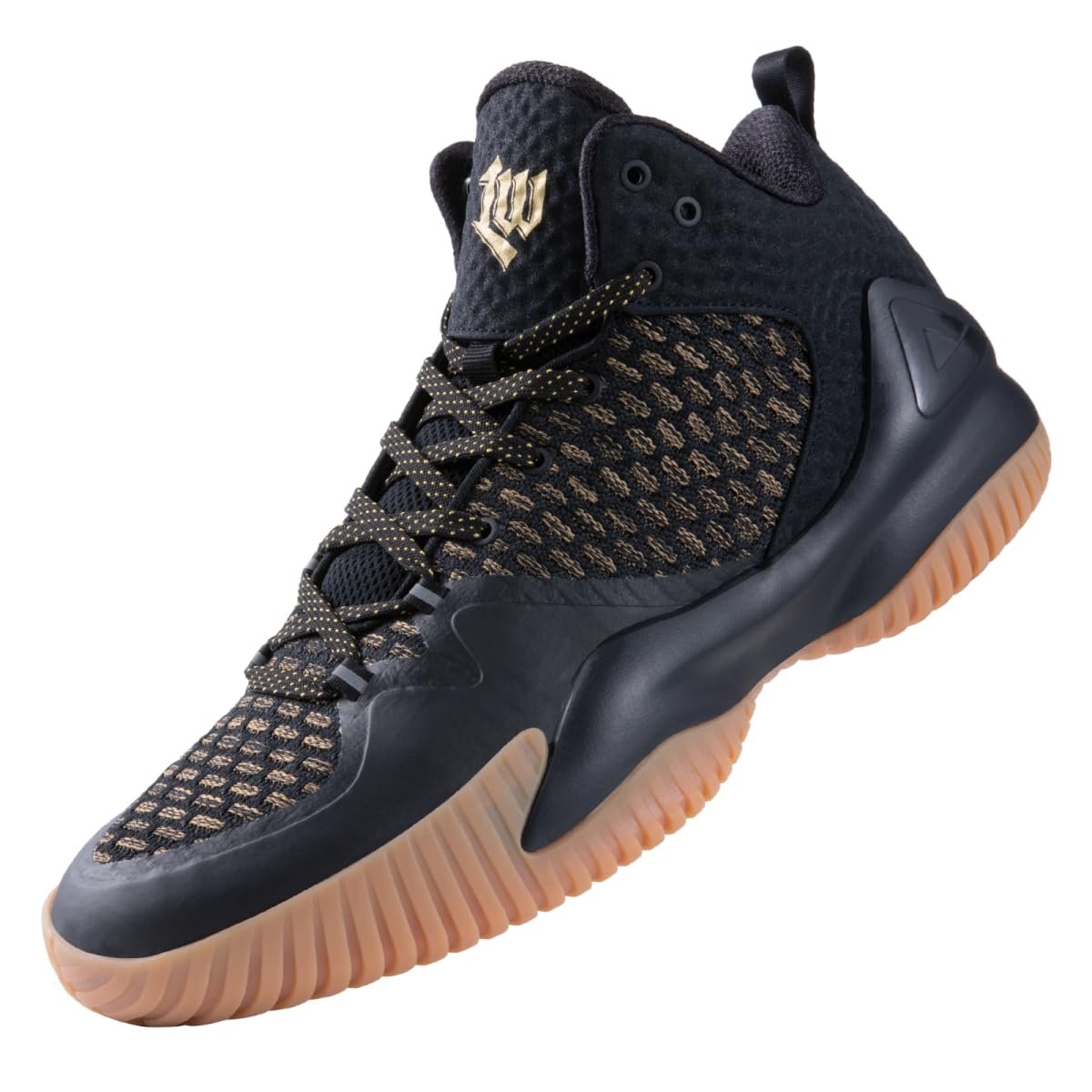


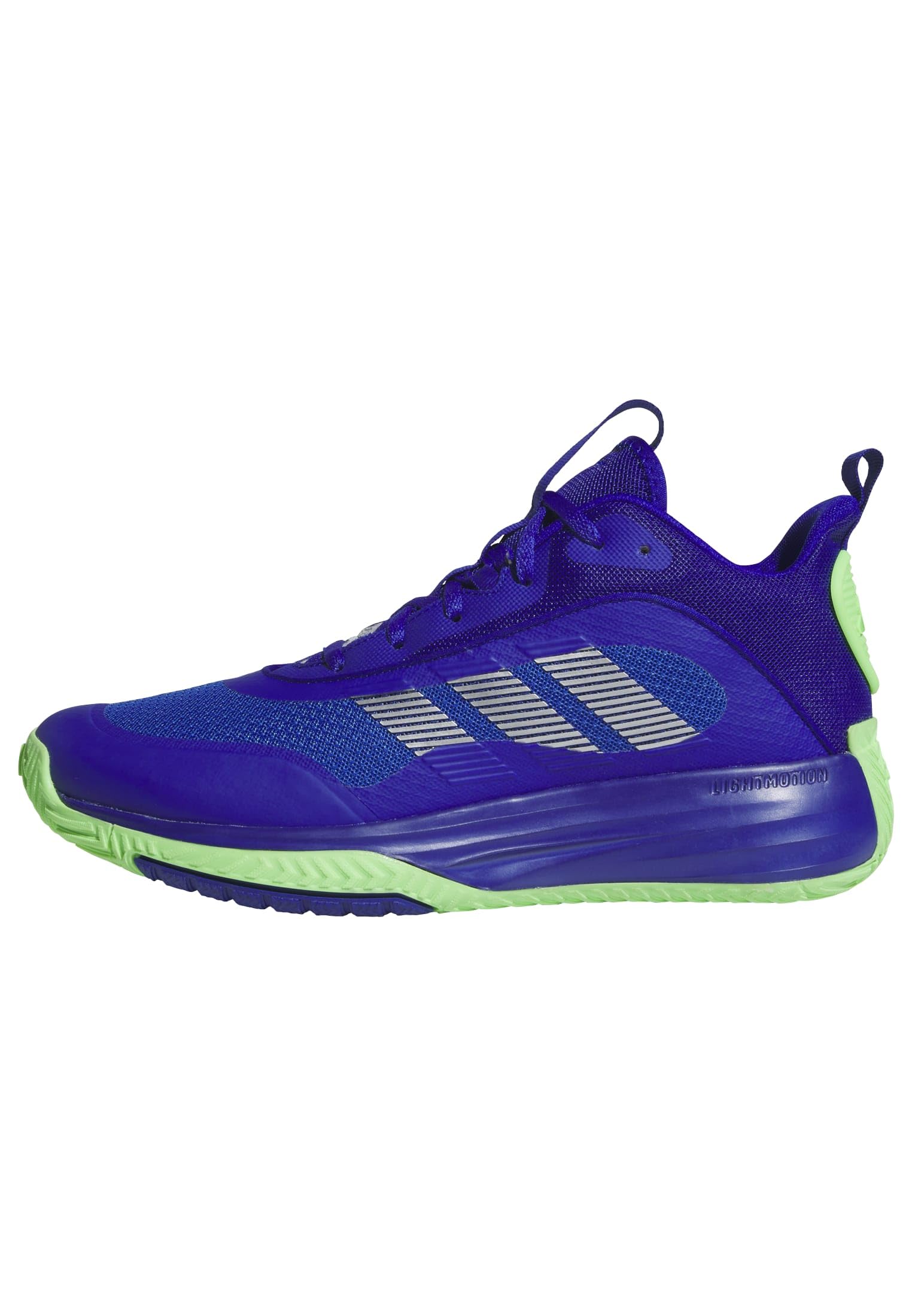
Basketball Shoes to Play Outdoors 101: The Basics
An outdoor basketball shoe is built for rough surfaces: asphalt, concrete, and the gritty painted courts at parks and schools. Those surfaces act like sandpaper, so outdoor shoes use harder, thicker rubber on the outsole, tougher upper materials, and cushioning that can take repeated impact on an unforgiving ground. A regular indoor shoe, by contrast, uses soft rubber for grip on wood and wears smooth within weeks outside.
A few terms unlock every product page. The outsole is the rubber bottom that touches the court. The midsole is the foam layer that cushions landings. The upper is everything that wraps your foot, and the heel counter is the firm cup that holds your heel in place. Traction means grip, and herringbone, the zigzag tread pattern, is the classic design that grips in every direction. When a listing says a shoe is outdoor ready, check the outsole thickness and rubber hardness first, because that is where the claim is either true or not.
One more habit helps from day one: look at the courts where you actually play. Note whether the surface is smooth concrete, coarse asphalt, or rubberized tiles, and whether it collects dust, puddles, or loose gravel. Write that down before you shop. The same shoe can feel perfect on tiles and merely average on coarse asphalt, so your notes turn vague product claims about durability into a simple yes or no for your park. Bring the notes when you compare options, and let your surface, not advertising, rank the finalists.
Key Specs Explained in Plain English
Skill Level and Intended Use
Your level shapes what you need. Beginners should choose stability and durability: a supportive shoe that survives learning footwork on rough courts. Intermediate players who play weekly pickup games need a balance of grip, cushioning, and tread life. Advanced players can pick lighter, lower cut models, but even they should insist on outdoor grade rubber, because skill does not protect a thin sole from asphalt. Think about frequency too. A pair used twice a week at the park faces a very different workload from a pair used daily, and your budget should follow your schedule.
Indoor vs Outdoor Use
This is the single biggest decision. Indoor courts are smooth and swept, so indoor shoes can use soft, sticky rubber. Outdoor courts are rough, dusty, and sometimes wet, so outdoor shoes need harder rubber with deeper grooves that resist wearing flat. Playing indoors with an outdoor shoe feels fine, just a touch less sticky. Playing outdoors with an indoor shoe destroys it quickly. If you mostly play outside, buy an outdoor shoe and accept that trade. If you split your time evenly, our guide to the best indoor and outdoor basketball shoes explains the middle ground options built to handle both.
Materials and Construction
Outdoor uppers should be tougher than gym uppers. Look for synthetic leather, tightly woven textiles, or fused overlays in the areas that scrape during falls and toe drags. Mesh alone tears early on asphalt. Check the toe area for extra reinforcement, since many players drag a toe on jump shots and layups. Stitching should be even, and the bond between upper and midsole should show no gaps. Composite materials in the midsole, usually firm foams paired with a softer core, balance cushioning with the stability that hard courts demand from your ankles and knees.
Safety and Support Basics
Hard courts send more impact through your body, so support is a safety feature, not a luxury. A firm heel counter, a wide flat base, and a secure lacing system keep your foot planted when you land on grit or change direction. Cushioning should feel protective without going wobbly; very soft foam on concrete can bottom out and leave your joints to absorb the rest. If you have had ankle sprains or knee pain, consider a higher collar and talk with a clinician about bracing and strengthening, because no shoe alone prevents injuries. Stop and reassess if you feel sharp pain rather than normal soreness.
Size, Weight, and Fit
Fit your shoes late in the day, wearing the socks you play in, because feet swell with heat and activity. You want a snug heel, a midfoot that feels held, and about a thumb width of room at the toes. Outdoor shoes often feel slightly heavier than indoor models, and that weight is mostly protective rubber, which is a fair trade. Use the brand size chart and measure your foot in centimeters rather than trusting your usual size, since sizing varies between makers. For more options across budgets, our main guide to the best basketball shoes explains how fit differs between indoor and outdoor lines.
Rookie Mistakes to Avoid
- Buying indoor shoes for park play, then watching the soft tread wear smooth within a month.
- Choosing style over outsole, when the bottom of the shoe decides almost everything outdoors.
- Sizing up for growing room or thick socks, which lets the foot slide and invites blisters and rolled ankles.
- Ignoring the surface you actually play on, since smooth concrete, rough asphalt, and sport court tiles each wear shoes differently.
- Spending the whole budget on shoes and nothing on a decent ball and socks, when a matched kit plays better; our picks for the best basketballs for outdoor play round out a first setup.
Getting Started: Setup and First Use
Your first sessions set the tone. Start by lacing snugly from the bottom eyelets up, using the extra top eyelet to lock your heel before hard play. Wear the shoes for two or three short shootaround sessions before a full game, so your feet and the foam adjust gradually. Inspect the tread before each outing and brush off packed grit, because clean grooves grip better on dusty park courts. Store the pair out of direct sun and away from car trunk heat, which hardens rubber. Finally, agree with yourself on a simple rotation rule: these shoes live at the park, and a different pair handles indoor runs, like the ones covered in our guide to the best outdoor court basketball shoes for players upgrading later.
FAQs
How long do outdoor basketball shoes last?
A true outdoor pair usually lasts about three to six months of regular park play, depending on surface roughness and how often you play. Rough asphalt can halve that, while smooth sport tiles can extend it. Judge by the tread, not the calendar: when the grooves under the ball of your foot look shallow or smooth, grip and cushioning are fading. Rotating two pairs and keeping soles clean stretches the lifespan of both noticeably.
What size outdoor basketball shoe should I get?
Measure both feet in the evening, convert to centimeters, and follow the size chart of the specific brand. Aim for a locked heel, a held midfoot, and about a thumb width beyond your longest toe. If you fall between sizes, most outdoor players do better going up, because feet swell in summer heat and a slightly roomy shoe can be tuned with socks or lacing. A shoe that pinches in the store will not stretch into comfort on concrete.
Is a premium outdoor basketball shoe worth it for a beginner?
Not for most first time buyers. Premium prices often pay for lightweight indoor style technology that rough courts wear away fastest. A mid priced outdoor model with thick rubber and honest cushioning teaches you what you like, survives your learning phase, and leaves money for a second pair. Upgrade on your next purchase, when you know your size, your surface, and whether you prefer a low or high cut. Experience is the discount that makes premium shoes worth it later.
Does indoor vs outdoor use really matter for basketball shoes?
Yes, and outdoors is where it matters most. Indoor shoes on asphalt lose their tread quickly, sometimes within a few weeks, and their grip turns slick as the pattern wears. Outdoor shoes on gym wood perform respectably, with slightly less bite. So the mistake is one directional: taking gym shoes outside ruins them, while bringing outdoor shoes inside merely compromises a little grip. When in doubt, buy for the rougher surface you play on most.
Wrapping Up
For your first outdoor pair, remember three things: the outsole must be thick, hard rubber with deep grooves; the fit must lock your heel with room at the toes; and the upper must survive scrapes that gym shoes never face. Everything else is refinement you can judge better on your second purchase. With those basics, the best basketball shoes to play outdoors for your courts are easy to recognize. Compare your shortlist in the product table above, pick the pair that passes those three checks, and get playing.


