
Best Basketball Shoes Today 2026: Current Buying Guide
Disclosure: We may earn a commission when you buy through links on this page, at no extra cost to you. As an Amazon Associate I earn from qualifying purchases. Learn more

Today basketball shoes blend modern cushioning, lockdown, and style for indoor and outdoor play. Learn what current models offer and how to choose.
The best basketball shoes today reflect how far court footwear has come, with responsive foams, engineered uppers, and traction patterns tuned for modern play. Current models balance indoor performance with outdoor durability better than older generations, and they come in styles that work on court and off it. The comparison table below shows the main current shoe types so you can compare them side by side.
This guide looks at what is current in basketball shoes right now: cushioning systems, fit and lockdown, traction, and the indoor versus outdoor choice. It also helps you judge whether a new release is worth the price or whether a proven recent model offers better value for your game.
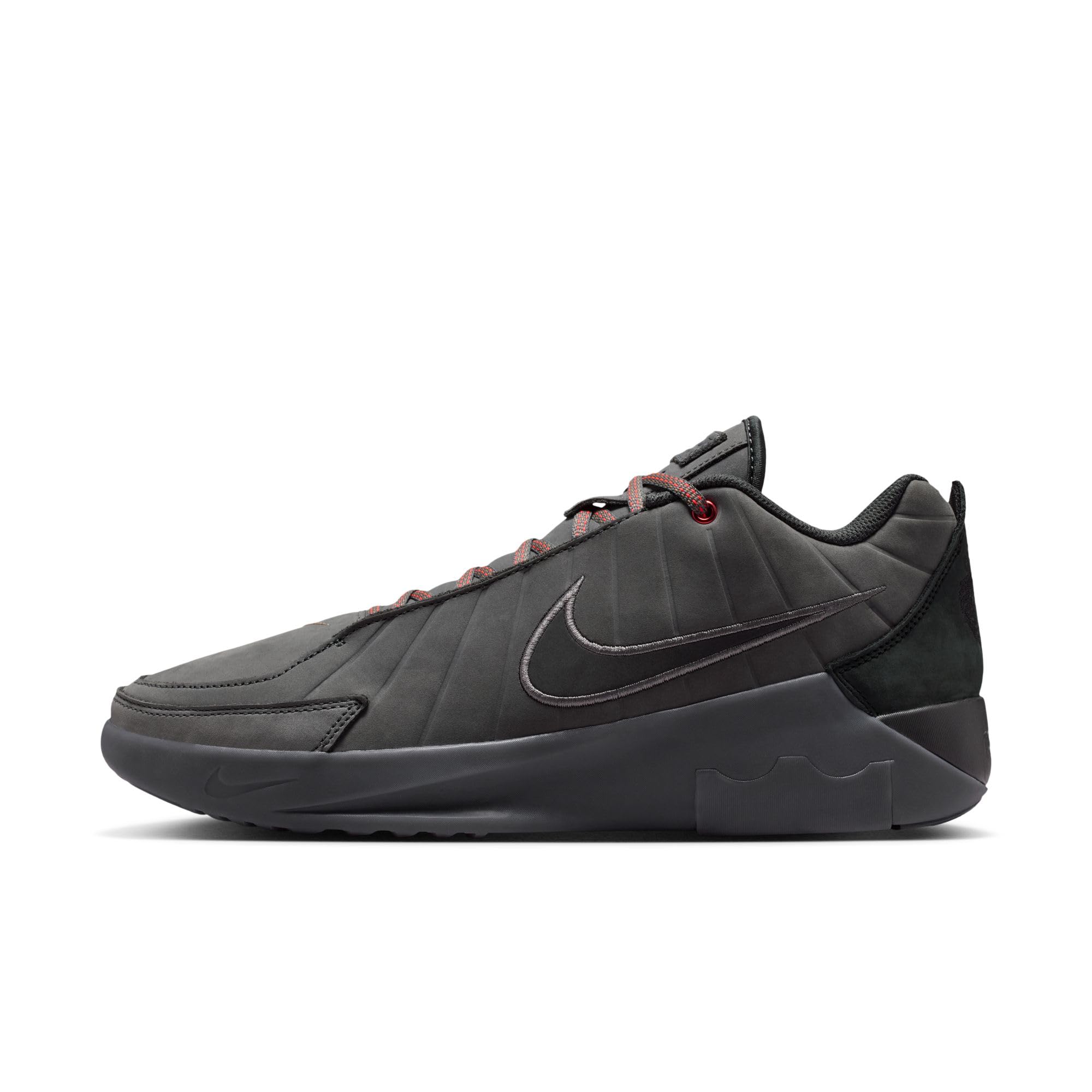
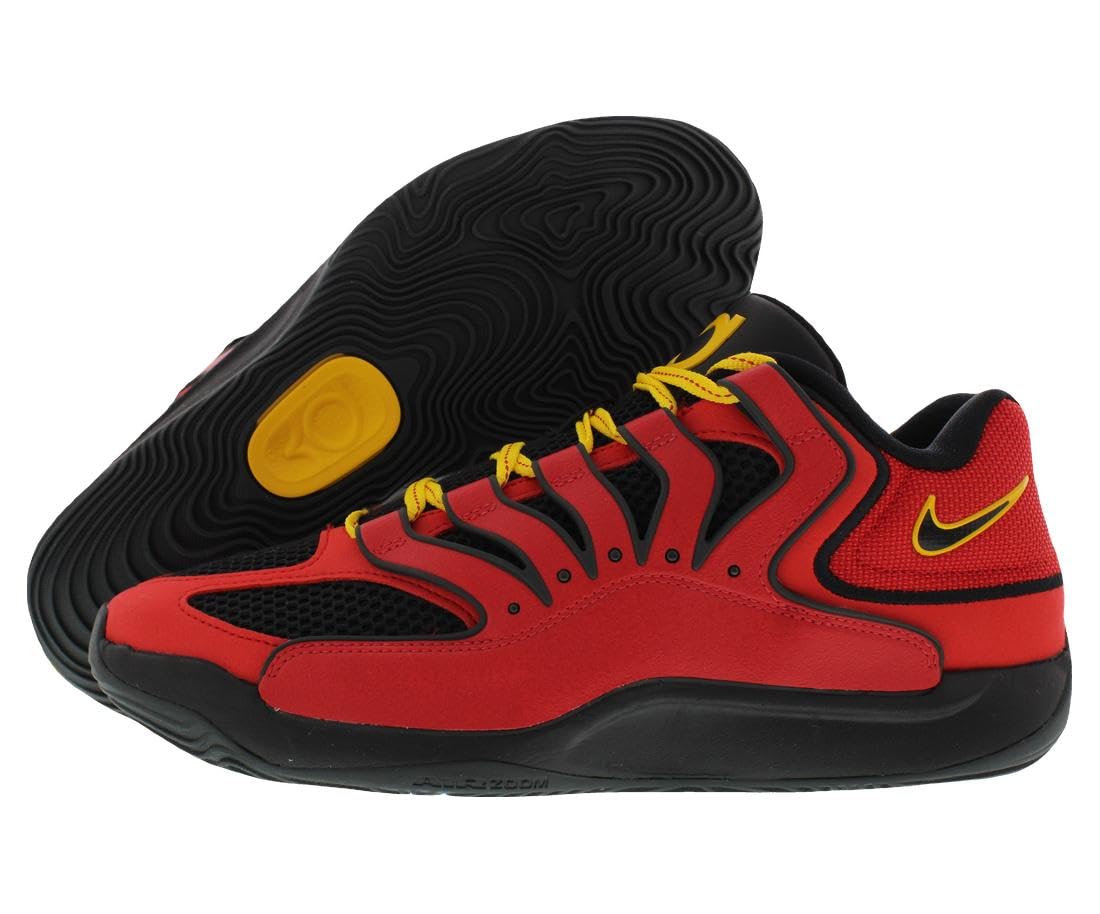
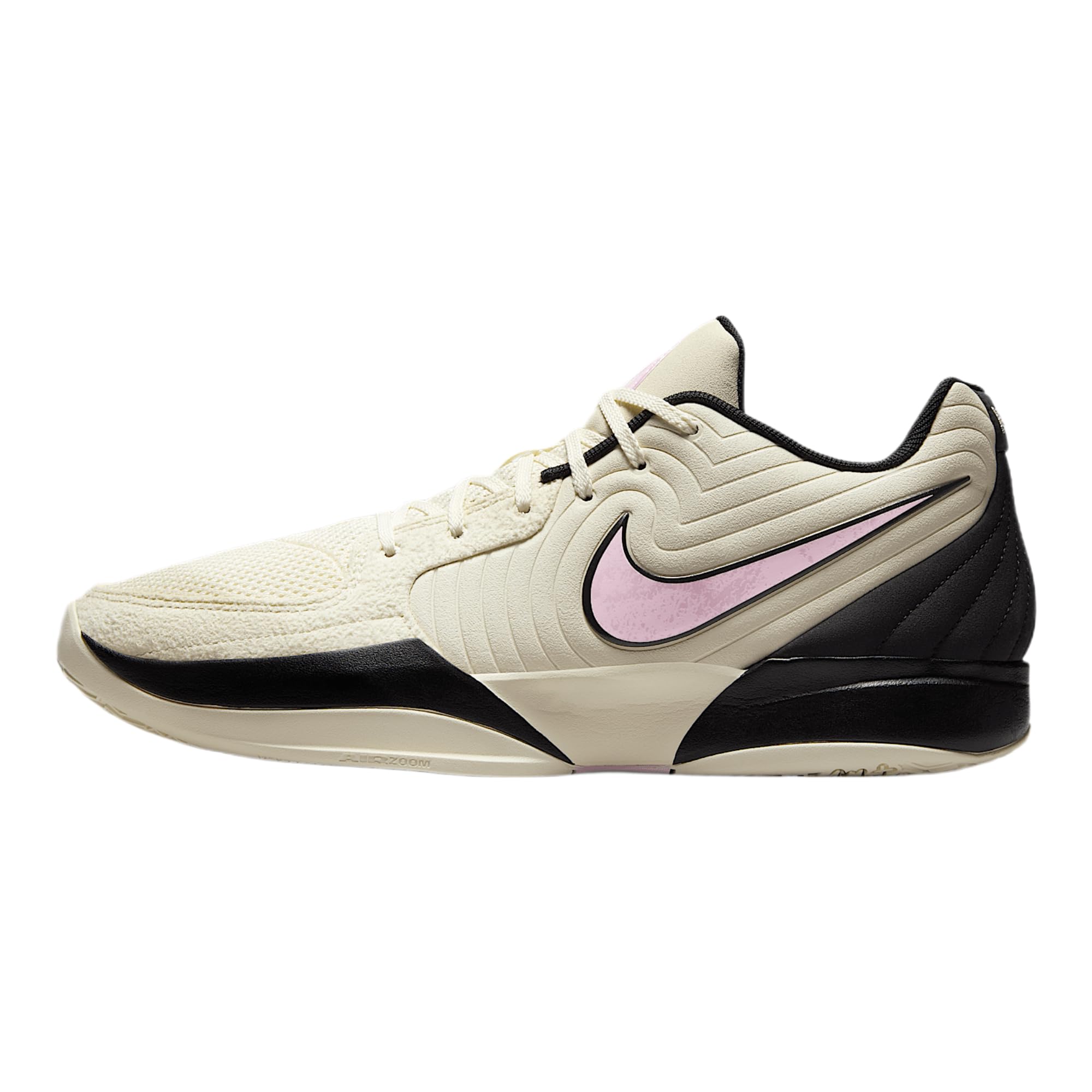
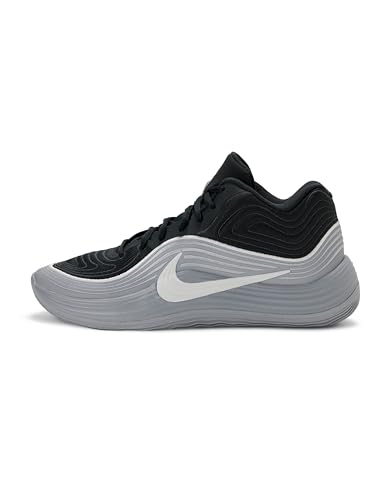


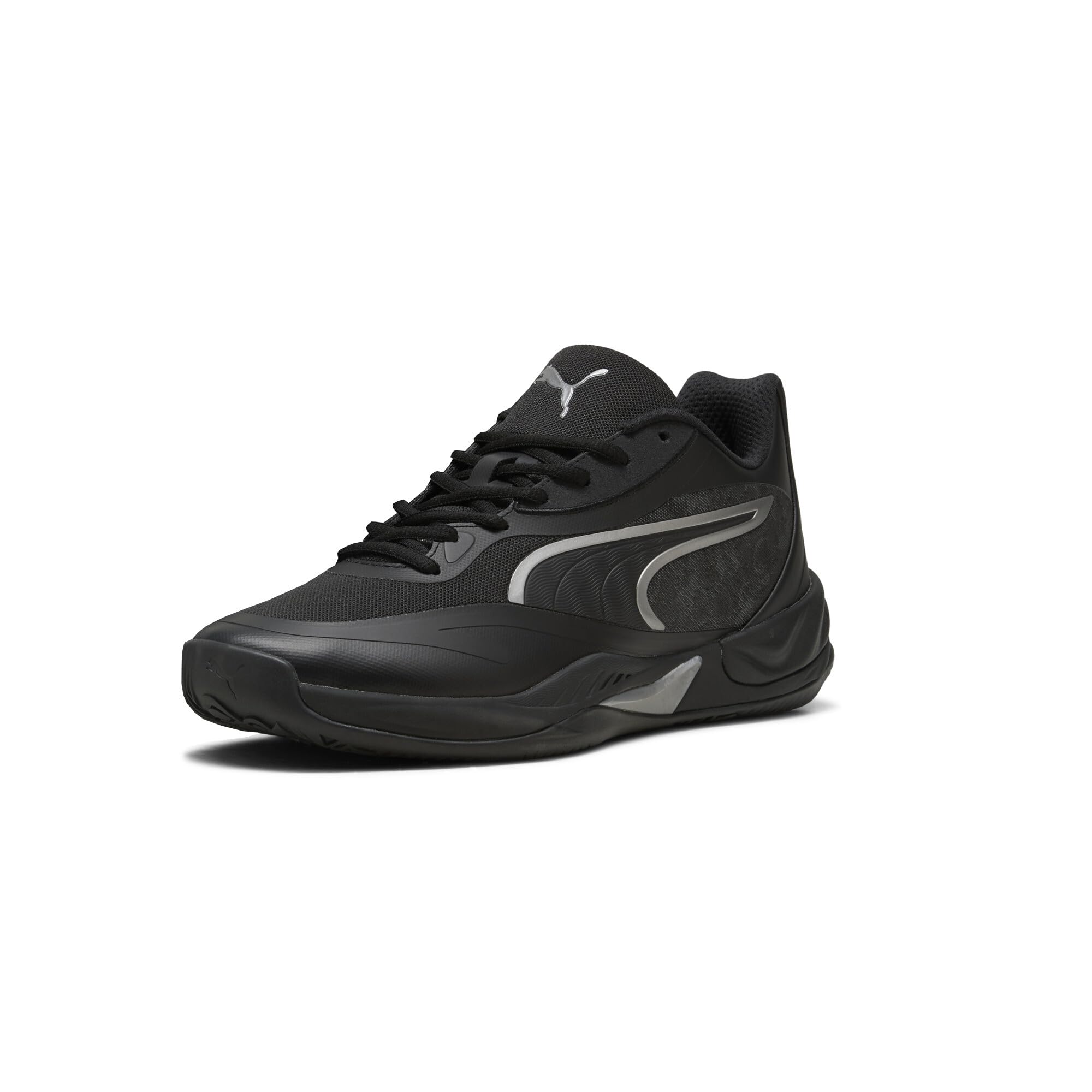


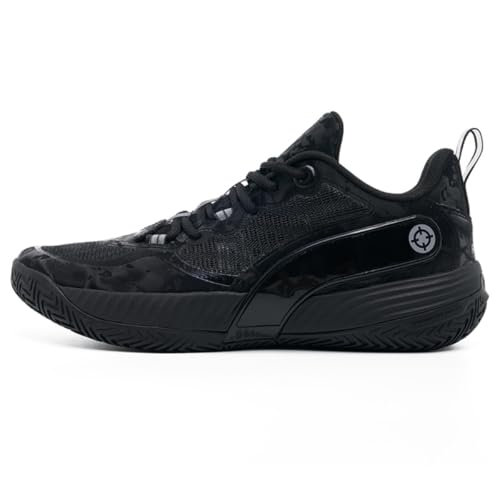
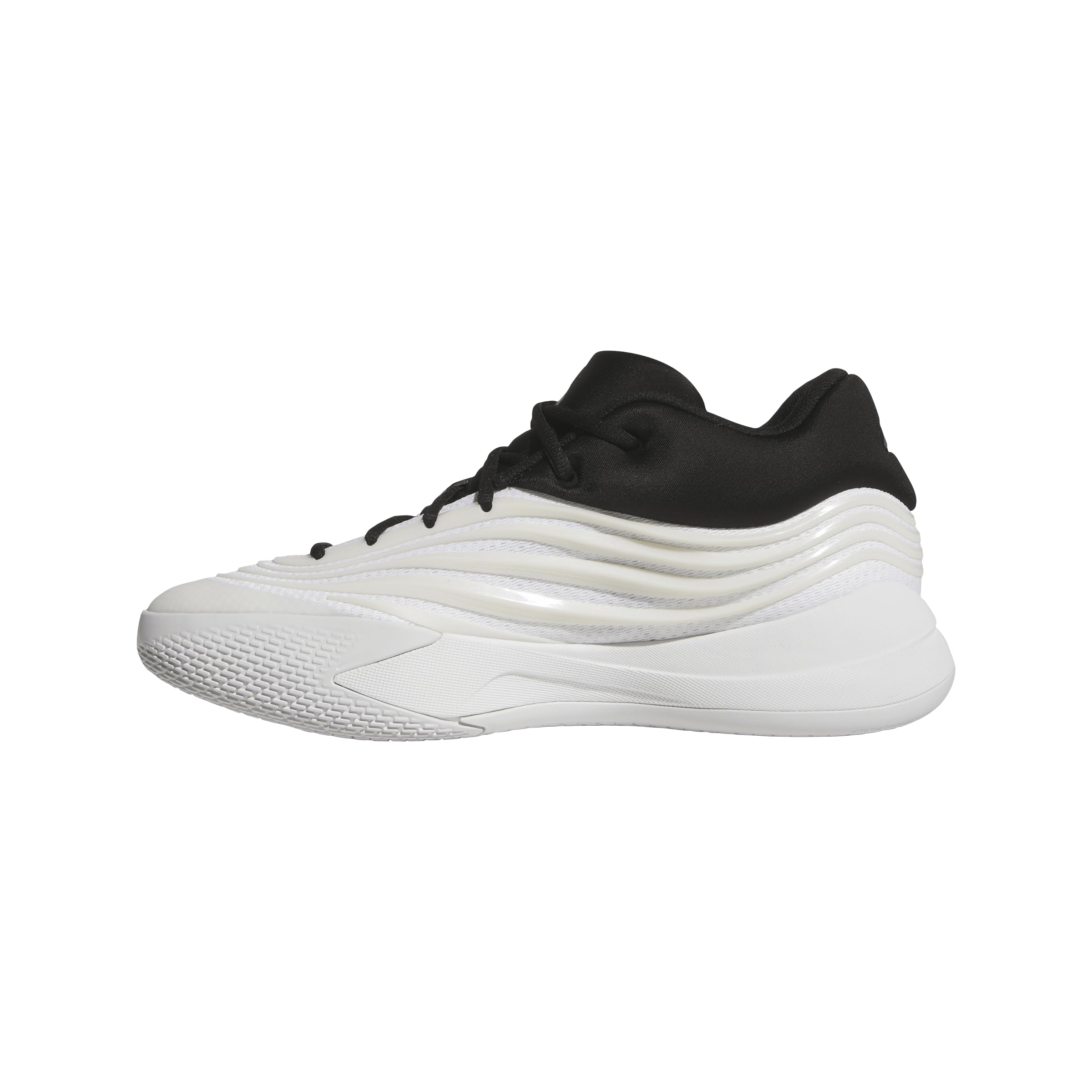
Modern Cushioning Systems
Current basketball shoes use a range of foam and air systems, from full length responsive foam to forefoot air units paired with stable heel foam. Full length foam feels smooth and consistent through the whole stride, while zoned cushioning tunes forefoot responsiveness and heel impact absorption separately. The best system depends on your play style, since guards who cut constantly value forefoot response while bigger players value heel protection.
Foam technology changes yearly, but the test stays the same: move, cut, and jump in the shoe rather than trusting a technology name. A cushioning system that feels lively on first wear but flattens after a month disappoints, so check reviews for long term foam durability. Replace shoes when cushioning feels dead, since worn foam changes landing mechanics and increases joint stress.
Fit, Lockdown, and Modern Uppers
Modern uppers use engineered mesh, knit, and synthetic overlays to balance breathability, support, and weight. Knit uppers feel sock like and flexible, while structured overlays add lockdown for hard cuts. A good current shoe holds the midfoot firmly without squeezing the forefoot, and lacing systems increasingly include bands or cables that tighten the midfoot evenly.
Fit remains personal despite modern materials, so try shoes later in the day when feet are slightly larger and test lateral moves and jumps. Heel slip, forefoot pressure, and ankle rubbing show up during movement rather than standing still. A shoe that fits well in the store usually fits well on court, while a shoe that pinches in the store rarely improves with break in.
Traction for Current Courts
Current traction patterns use herringbone, multidirectional, and data driven designs that grip in every direction during cuts. Indoor courts reward softer rubber with strong grip, while outdoor courts need harder rubber that resists asphalt wear. Some current models use translucent soles that look striking but wear faster outdoors, so check sole material before playing outside.
Dust management matters on real courts, since dust buildup causes slips even in good shoes. Wipe soles during breaks and choose tread patterns with spacing that sheds debris. Consistent grip through a full game matters more than peak grip on a clean floor, so judge traction after sustained play rather than on first steps.
Indoor Versus Outdoor in Current Models
Many current basketball shoes are designed mainly for indoor courts, with soft rubber and light uppers that excel on wood but wear fast on concrete. Outdoor ready models use harder rubber, reinforced uppers, and deeper tread, trading some lightness for durability. Know where you play most before choosing, since the wrong surface match wastes money quickly.
Some players keep two pairs: a light indoor pair for league nights and a durable outdoor pair for pickup games. That rotation extends the life of both and keeps each shoe suited to its surface. If you play both surfaces in one pair, favour outdoor durability, since an outdoor capable shoe still plays well indoors while an indoor shoe suffers outdoors.
Style, Value, and New Releases
Current basketball shoes carry strong style influence, with colourways and collaborations that matter off court as well as on it. Style adds enjoyment and confidence, but it should follow performance, since a good looking shoe that slips or hurts wastes money. Limited colourways often cost more without playing better, so weigh style premiums against your budget honestly.
New releases command full price, while proven models from the previous season often drop in price without losing performance. A shoe that reviewed well last year usually still plays well today, since cushioning and traction fundamentals change slowly. Buy the proven model at a discount when value matters, and buy the new release only when its specific upgrades match your game.
Care and Getting the Most From Current Shoes
Air shoes after every session and avoid heat, which breaks down modern foams and glues faster than normal wear. Clean outsoles regularly to maintain traction, and wash uppers gently according to material, since harsh washing damages knit and overlays. Rotate pairs when you play often so foam recovers between sessions.
Track wear by feel rather than by looks, since modern shoes can look fine while cushioning dies inside. Replace shoes when responsiveness fades, traction wears smooth, or support softens. A fresh pair protects joints and keeps performance consistent, which matters more than squeezing extra weeks from a worn shoe.
For the full basketball range, see best basketball shoes. Outdoor players should also read best outside basketball shoes, while best shoes ever for basketball takes a longer view of classic court shoes.
A Final Check Before You Order
Before ordering, test shoes with your typical court movements, lateral cuts, jumps, and quick stops, since fit and lockdown show up during movement rather than standing still. Compare proven previous season models against new releases, since last year well reviewed shoes often cost less without losing performance. Judge cushioning by how it feels after sustained play, not just on first wear, because foam that flattens quickly disappoints.
Match the shoe to your main court surface first, since indoor soft rubber wears fast on concrete while outdoor hard rubber still plays well indoors. Consider keeping two pairs when you play both surfaces often, which extends the life of both. A shoe that fits well, grips consistently, and cushions landings beats a fashionable shoe that slips or hurts, whatever its release date.
Frequently Asked Questions
What are the best basketball shoes right now?
The best current shoes balance responsive cushioning, secure lockdown, and reliable traction for your position and court surface. Guards often favour light responsive shoes with forefoot cushioning, while bigger players favour stable shoes with heel protection. Fit matters more than any single technology, so try shoes with lateral moves and jumps before deciding. Proven models from the previous season often offer the best value without giving up performance.
Are new basketball shoes worth the price?
New releases are worth full price when their upgrades match your game, such as better traction for your court or cushioning that suits your position. Many new models refine rather than transform performance, so a proven previous season model at a discount often plays just as well. Compare the specific changes, not the marketing, and weigh style premiums honestly. Value comes from performance per dollar over the shoe life, not from release date alone.
Should I buy indoor or outdoor basketball shoes?
Choose by where you play most. Indoor shoes use softer rubber and lighter uppers that excel on wood but wear fast on concrete. Outdoor shoes use harder rubber and reinforced uppers that survive asphalt but feel slightly heavier indoors. If you play both surfaces in one pair, favour outdoor durability, since outdoor capable shoes still play well indoors, and two pairs, one per surface, last longer overall when you play often.
How do I choose basketball shoes for my position?
Guards favour light shoes with forefoot responsiveness and quick cuts, since their game runs on speed and change of direction. Forwards balance cushioning and support for mixed play around the rim and perimeter. Centres favour stable shoes with heel cushioning and strong lockdown for post play and rebounding. Position guides the balance, but fit, traction, and comfort matter for every position, so test shoes with your typical movements.
How long do current basketball shoes last?
Lifespan depends on play frequency, surface, and body weight, with frequent players replacing shoes every few months and casual players stretching a pair across a season or more. Outdoor play wears shoes faster than indoor play. Replace shoes when cushioning feels flat, traction wears smooth, or support softens, since worn shoes change landing mechanics and raise injury risk. Rotating two pairs extends the life of both.
Final Thoughts
Current basketball shoes offer better cushioning, fit, and traction than ever, but the fundamentals of choosing have not changed. Fit, lockdown, traction, and cushioning matched to your position and court surface matter more than release dates or technology names. Use the product table above to compare current types, then test shoes with real court movements before deciding. The best basketball shoes today are the ones that feel right from the first cut and still feel right months later.


