
Best Basketball Shoes to Get: How to Choose Your Next Pair
Disclosure: We may earn a commission when you buy through links on this page, at no extra cost to you. As an Amazon Associate I earn from qualifying purchases. Learn more

Not sure which basketball shoes to get? Match cut height, cushioning, traction and fit to your position and court before you order.
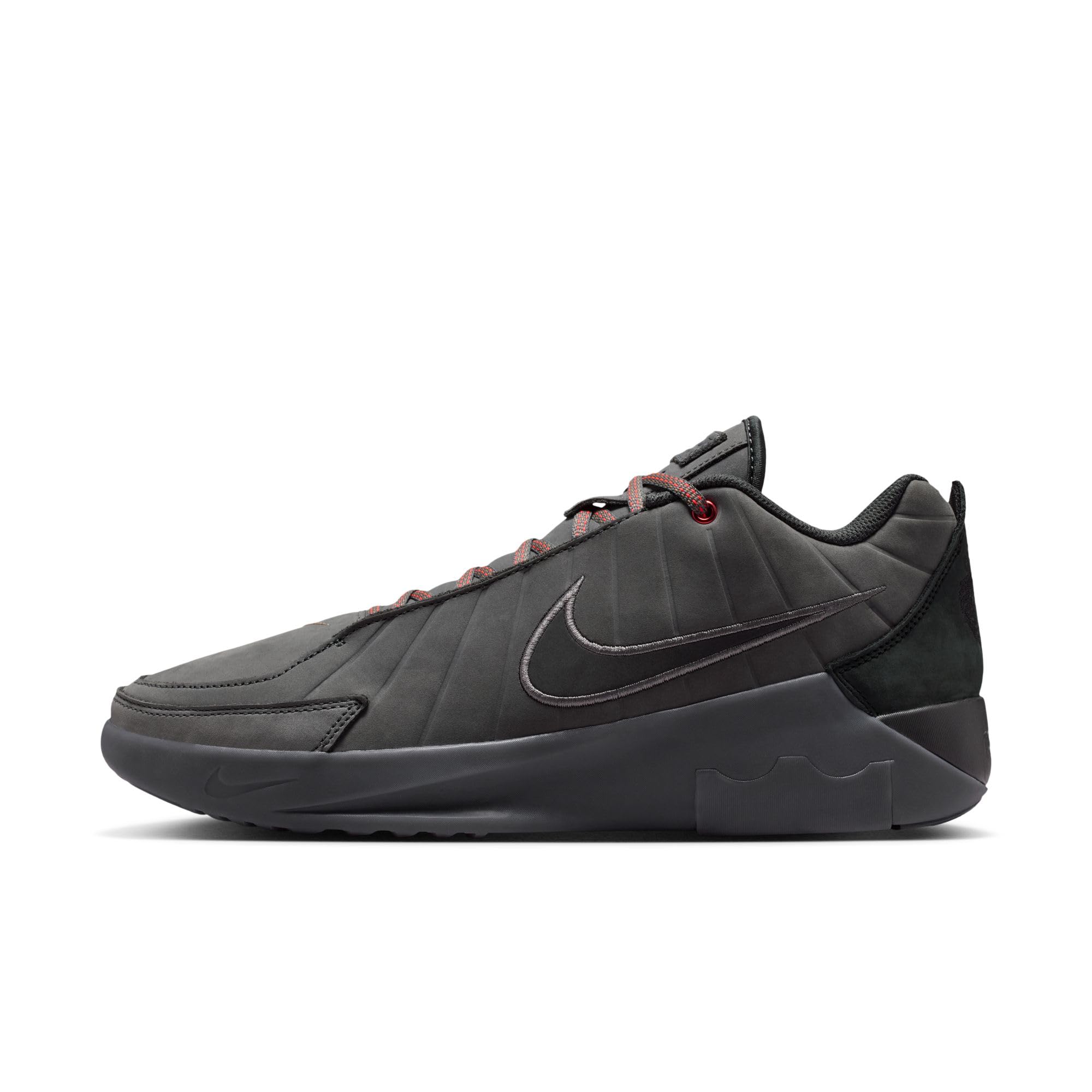
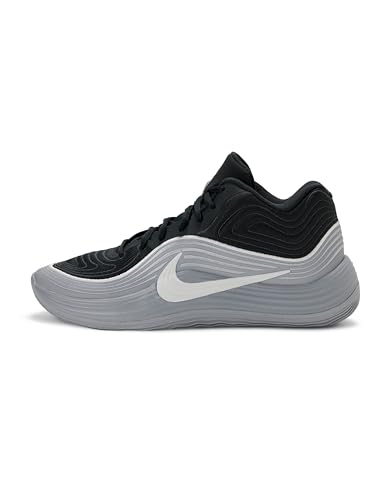
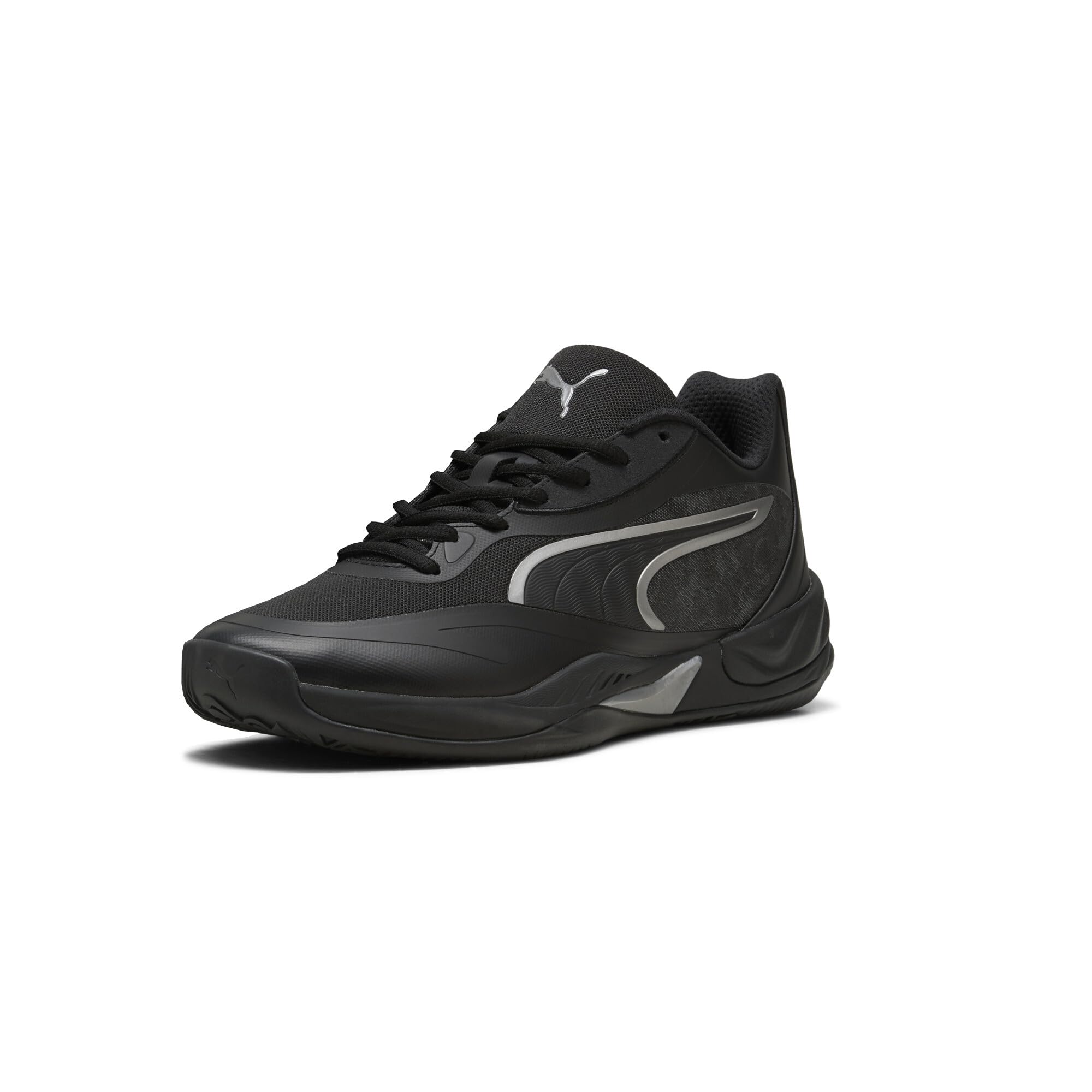
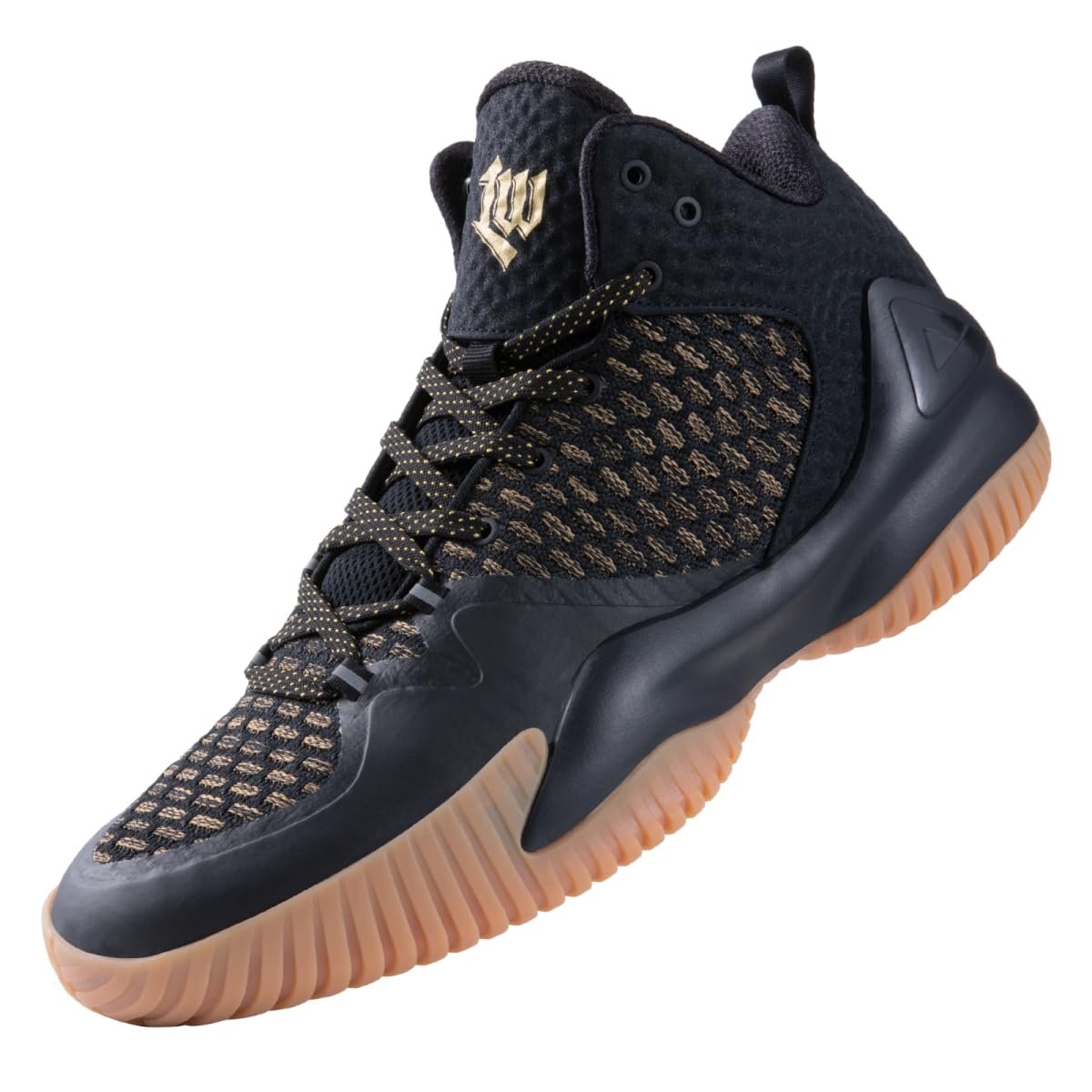
Deciding on the best basketball shoes to get starts with three questions: where you play, how you play, and what your feet need. A pair that suits a quick guard on a polished gym floor can feel wrong for a big man on asphalt, so the shoe has to be matched to the player first and the price second. The product table gives you a set of current options to compare against the checklist below.
This guide walks through cut height, cushioning, traction, fit and durability in plain terms, then shows how to weigh them against your budget. By the end you should be able to name the two or three features you will not give up.




Start With Where and How You Play
Indoor courts are clean and smooth, so soft rubber with a fine tread grips well and gives a quick, controlled feel. Outdoor courts are rough and dusty, so harder rubber and a tougher upper last longer. If you split time between both, favor the outdoor build, because a durable shoe still plays well indoors while a soft indoor shoe wears out fast outside.
Think about your game as well. Guards who cut, stop and change direction value a low, light shoe with close court feel. Forwards who move between the perimeter and the paint need balanced cushioning and support. Bigger players who land hard want firm heel protection and a stable base.
Cut Height: Low, Mid or High
Low tops leave the ankle free and keep weight down, which suits speed and quick first steps. Mid tops add some wrap around the ankle without much extra weight, and they suit most players. High tops give the most coverage and a secure feel on landings, though they are a little heavier.
Cut height is only part of ankle stability. A wide base, a firm heel counter and good lockdown matter at least as much, so a well built low top can feel steadier than a floppy high top. If you have a history of ankle sprains, talk with a doctor or physiotherapist about bracing and strengthening as well as shoes.
Cushioning and Court Feel
Soft cushioning absorbs landings but can feel mushy on cuts. Firm cushioning keeps you close to the floor and feels responsive, but it passes more impact to the joints. Most players land best on a middle ground: enough cushioning in the heel for jumps, with a firmer forefoot for push off.
Your weight and your schedule change the answer. Heavier players tend to bottom out soft foam sooner, and players who run several games a week need cushioning that does not go flat quickly.
Traction and Durability
Traction is the one feature you should not compromise on, because a slip during a cut can end a game. Herringbone and multidirectional patterns grip well on clean wood, and wiping the soles during breaks keeps the grip steady. For outdoor play, check that the rubber is thick and the pattern is deep.
Durability shows up at the toe, the heel and the sole edge. Reinforced toe caps and solid stitching mean the shoe keeps its shape after a season of drag and pivots.
Fit Comes Before Everything
A great shoe in the wrong size is the wrong shoe. Leave about a thumb width of room beyond the longest toe, with the heel locked when you lace up. Try pairs late in the day, with the socks you play in, and walk, shuffle sideways and jump on the spot before you decide.
- No heel slip when you stop short.
- No pressure on the side of the little toe.
- No rubbing at the ankle collar.
- The midfoot feels held without numbness.
Setting a Budget
Good court shoes exist at nearly every price. Pairs under about $70 can serve casual and school play well, midrange pairs from about $70 to $130 add better foam and sturdier uppers, and premium pairs above that refine weight and cushioning. Spend where you feel it: grip and fit first, then cushioning, then looks.
Last season models often offer the best value, because the traction and cushioning ideas change slowly. If a shoe fits and grips, an older colorway at a lower price is a smart buy.
Mistakes to Avoid
Buying on style alone is the most common one, followed by choosing a size by guess. Another is picking a shoe for the star who wears it instead of for your own position. Finally, do not skip the return terms: a fair return window is your protection if the fit is off.
For wider reading, see our guide to the best basketball shoes, or the best outside basketball shoes if you mostly play on concrete.
Frequently Asked Questions
How do I know which basketball shoes fit me?
The heel should stay put when you stop, the toes should lie flat with a thumb width in front, and the midfoot should feel held without pressure. Try them with game socks and move the way you play.
Are expensive basketball shoes worth it?
They can be for frequent players, since better foam and materials last longer and feel lighter. For casual play, a well fitting midrange pair covers the same needs for less.
How often should I replace basketball shoes?
Replace them when the tread is smooth, the cushioning feels flat or the support loosens. Frequent players may need a new pair every season.
Can I use running shoes for basketball?
Running shoes are built for straight-ahead motion and lack the lateral support needed for cuts. Court shoes are the safer choice for basketball.
Should I get low, mid or high tops?
Choose by comfort and ankle history. Low tops suit speed, mid tops suit most players, and high tops suit those who want the most wrap on landings.
Final Thoughts
Pick the surface and position first, then confirm fit, traction and cushioning, and let your budget decide the rest. A shoe that fits well and grips reliably beats a famous name that does not. Use that approach, and the best basketball shoes to get will be the ones that feel right from the first cut and keep feeling right through the season.


