
Best basketball shoes for volleyball in 2026: A Buying Guide
Disclosure: We may earn a commission when you buy through links on this page, at no extra cost to you. As an Amazon Associate I earn from qualifying purchases. Learn more

A practical guide to the best basketball shoes for volleyball: grip, cushioning and when to choose volleyball shoes.
Volleyball and basketball share jumping, but the demands on the shoe are different, so the best basketball shoes for volleyball need careful reading before you use them on a volleyball court. This guide explains when a basketball shoe can work for volleyball, what to look for in grip, cushioning and fit and where it falls short compared with a dedicated volleyball shoe. The product table lists current basketball shoes to compare with the points below.
Many casual players play both sports and want one pair. That can work for relaxed games, as long as you choose a pair with the right features and understand the limits.
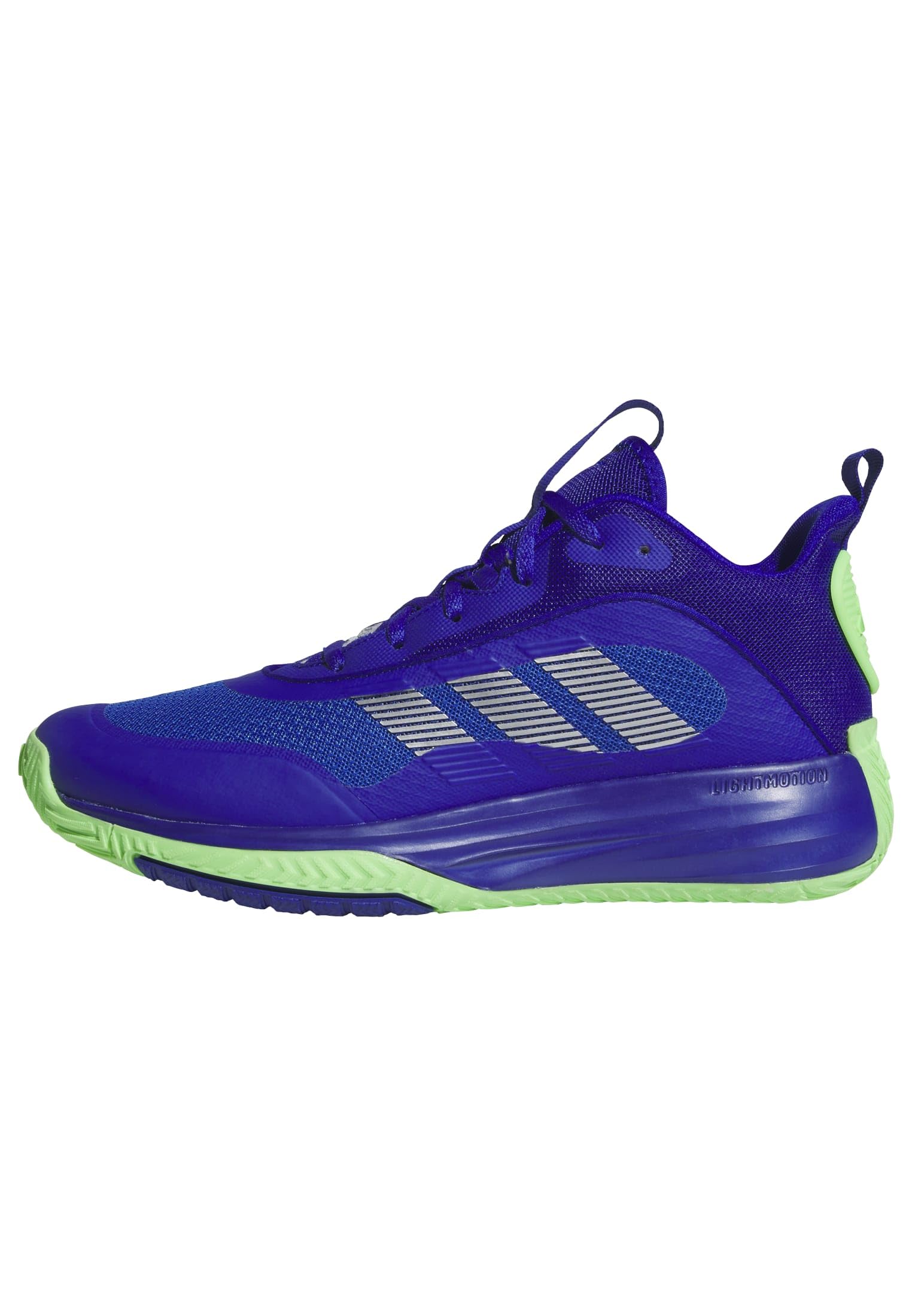


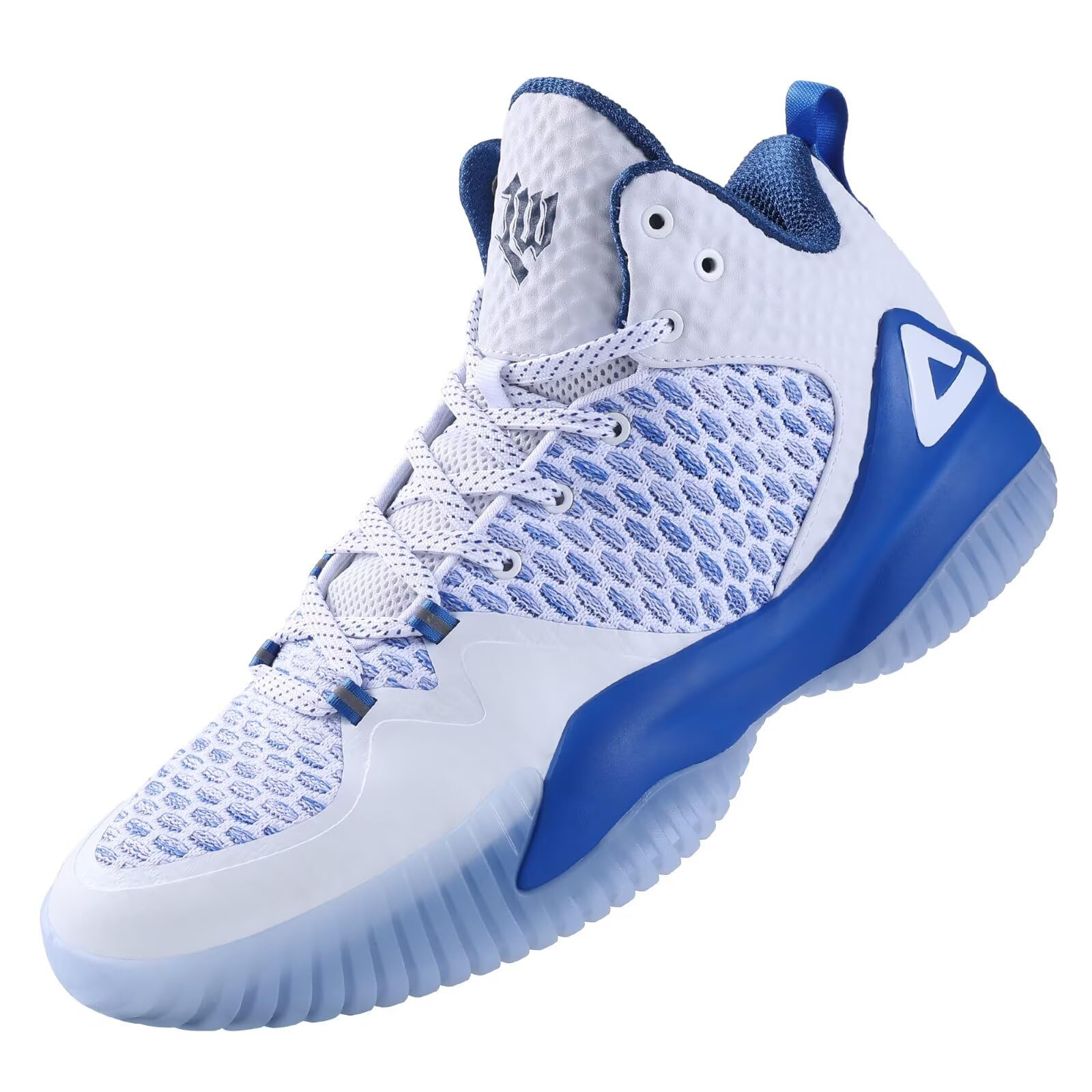


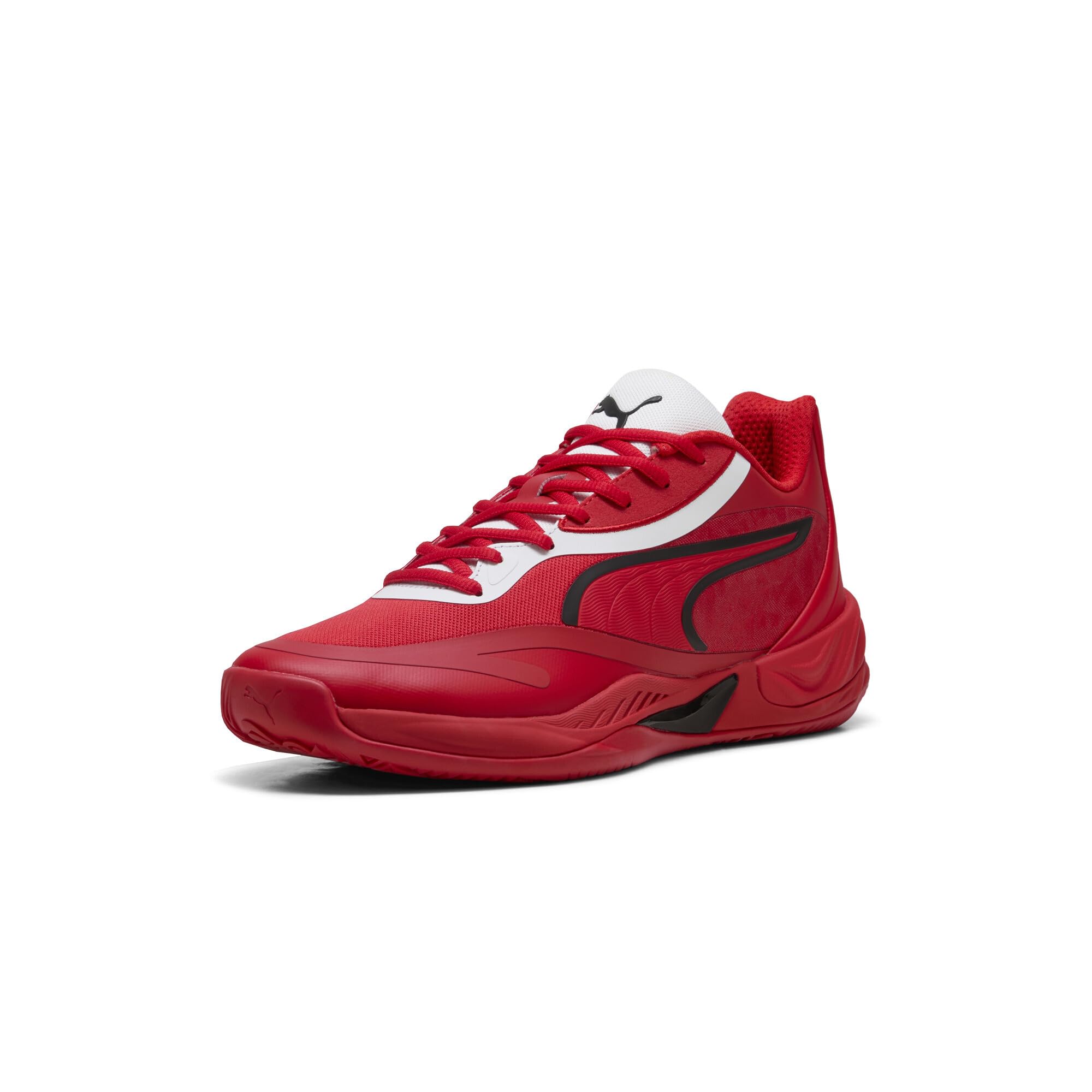
Basketball Shoes for Volleyball: Basketball Shoes Versus Volleyball Shoes
Volleyball shoes are lighter, lower and flatter, with gum rubber outsoles that grip wood and a flexible forefoot for quick lateral moves and landings. Basketball shoes are usually heavier, higher and more cushioned, with thicker midsoles and more ankle structure. A basketball shoe offers more protection for hard landings and more ankle coverage, but it can feel bulkier and less nimble at the net. When you compare the best basketball shoes for volleyball, start with grip, cushioning and weight.
If you play volleyball competitively or several times a week, a dedicated volleyball shoe is usually the better choice. If you play occasionally, a lighter basketball shoe can be a reasonable compromise.
Features to Look For
- Traction. Choose a shoe with a clean herringbone or multidirectional tread that grips indoor floors without sticking.
- Cushioning. Volleyball means repeated jumping and landing, so a responsive midsole with good heel and forefoot padding is useful.
- Weight. A lighter basketball shoe feels quicker at the net and in defense.
- Cut height. A mid or high collar adds ankle coverage for blocking and landing, while a low cut improves mobility.
- Lockdown. A snug midfoot and a firm heel counter keep the foot from sliding during fast side steps.
Fit and Sizing
Try shoes in the evening with the socks you wear for play. Leave about a thumb width at the toes and make sure the heel stays put when you do side-to-side shuffles and a few jumps. Because volleyball involves sudden stops and quick changes of direction, a loose fit can lead to blisters or ankle rolls.
Court Surface and Rules
Check what your league or gym allows. Many indoor facilities require non-marking soles, and some volleyball leagues expect court shoes with clean soles. Outdoor sand volleyball is played barefoot or in specialist footwear, so basketball shoes are not suitable there. Keep your soles clean and wipe them before play, because dust reduces grip.
Protecting Your Ankles and Knees
Volleyball players land often, sometimes near the net on another player's foot. Good cushioning and a stable base help, but strength, balance work and sound landing technique matter just as much. Warm up thoroughly, bend your knees on landing and rest when your legs are tired. If pain persists, ask a clinician.
Care and Replacement
Air the shoes after games, wipe the soles and keep them out of heat. Replace a pair when the tread is smooth, the foam feels flat or the upper has stretched. If you use the same pair for both sports, expect faster wear.
For related reading see best basketball shoes for jumping and best basketball shoes for support.
Positions and Shoe Needs
Setters and liberos move constantly and dive to the floor, so a light, flexible shoe with strong grip suits them best. Outside and opposite hitters jump hard for every attack and land near the net, which makes cushioning and a stable base more important. Middle blockers jump the most and land close to other players, so a supportive mid or high cut and a wide base help. A basketball shoe can fit the heavier-jumping roles better than the quick-moving ones, which is worth knowing before you choose.
Common Mistakes to Avoid
- Wearing heavy, high-stack basketball shoes for fast defensive movement and then blaming the sport for sore legs.
- Using shoes with worn tread on a polished court.
- Choosing a size that lets the foot slide on side steps.
- Wearing outdoor shoes on indoor courts with marking soles.
- Ignoring early foot or ankle pain.
Budget and Value
A basketball shoe that you already own may be enough for occasional volleyball. If you are buying new and plan to play both sports, a mid-priced, lighter basketball shoe with a good tread usually gives the best balance. Premium pairs add materials and cushioning that you may not need. If volleyball becomes a regular habit, move to a proper volleyball shoe and keep the basketball pair for basketball, which will also make both pairs last longer.
Trying Shoes Before Committing
Whenever you can, wear a new pair indoors for a full session before taking it into a league game. Pay attention to how the shoe feels during quick side steps, takeoffs and landings, and to whether your heel or the sides of your toes rub. Keep the packaging and receipt until you are sure, because a good fit in the shop does not always survive an hour of play.
When to Switch to Volleyball Shoes
If you notice that your basketball shoes feel heavy at the net, that your feet get tired early or that your ankles feel stiff in quick lateral steps, it may be time for dedicated volleyball shoes. They are built lighter, with flatter soles and extra cushioning under the ball of the foot for jump landings. Many players keep both pairs and use each for its own sport, which also helps each pair last longer.
Frequently Asked Questions
Can I play volleyball in basketball shoes?
Yes, for casual games, but dedicated volleyball shoes are lighter and more agile.
Which is better for volleyball, high or low tops?
That depends on your ankles and position. Mid or high cuts add coverage, while low cuts feel freer.
Do I need non-marking soles?
Many indoor gyms require them. Check the rules for your venue.
How important is cushioning?
Very, because jumping and landing repeat often. A responsive midsole helps protect knees and ankles.
How often should I replace them?
Replace them when the foam feels flat or the tread is smooth, often after a season of regular play.
Final Thoughts
The best basketball shoes for volleyball are light, grippy and cushioned, with a secure fit and clean soles. Compare the options in the product table, check weight, traction and fit first and switch to dedicated volleyball shoes if you play often.


