
Best Basketball Shoes for Jumping 2026: Guide
Disclosure: We may earn a commission when you buy through links on this page, at no extra cost to you. As an Amazon Associate I earn from qualifying purchases. Learn more

A practical guide to the best basketball shoes for jumping: responsive cushioning, traction and landing support.
Players who live above the rim, or who simply jump a lot in games, need shoes that cushion repeated landings and grip on every takeoff, and the best basketball shoes for jumping balance responsive foam, a secure fit and strong traction. This guide explains how shoes support jumping, what to look for in the cushioning and the fit and how to protect your joints. The product table lists current options to compare with these points.
No shoe makes you jump much higher on its own. Good shoes remove what holds a jump back, such as sliding, heel lift or dead foam, so your training shows up on the court.


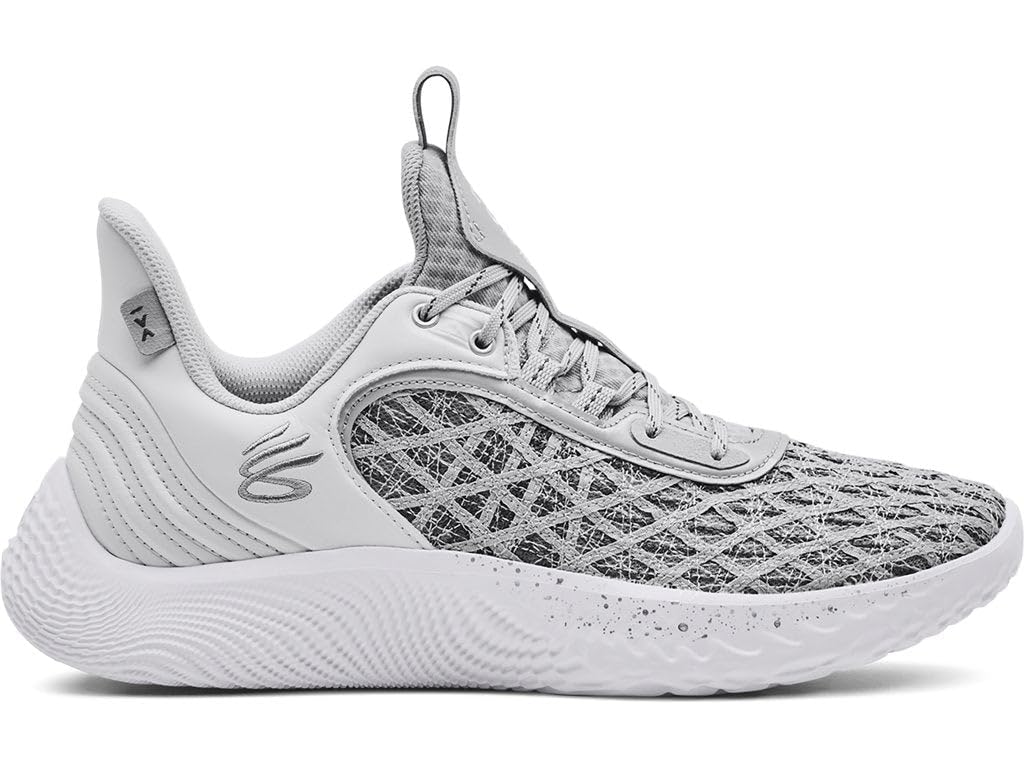

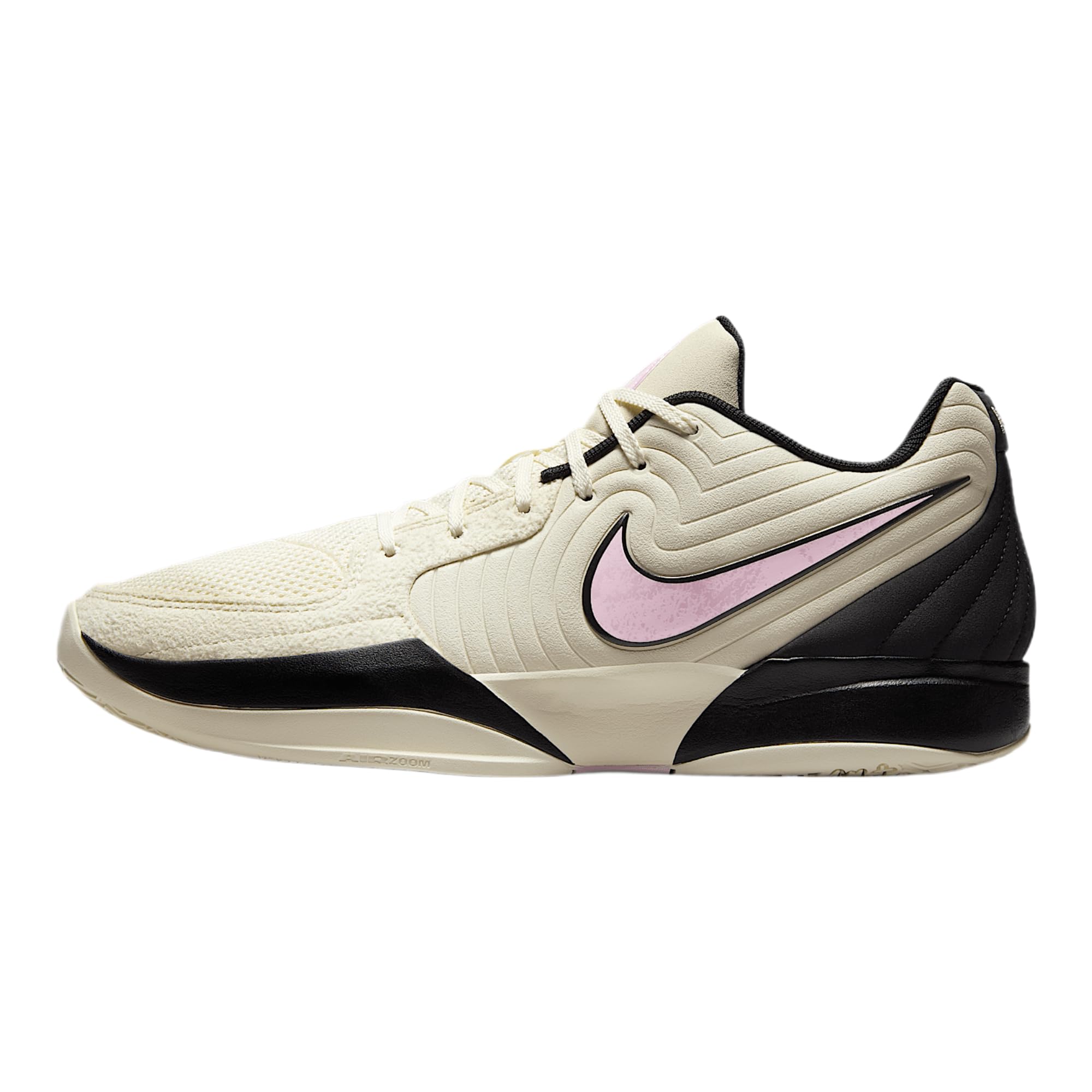

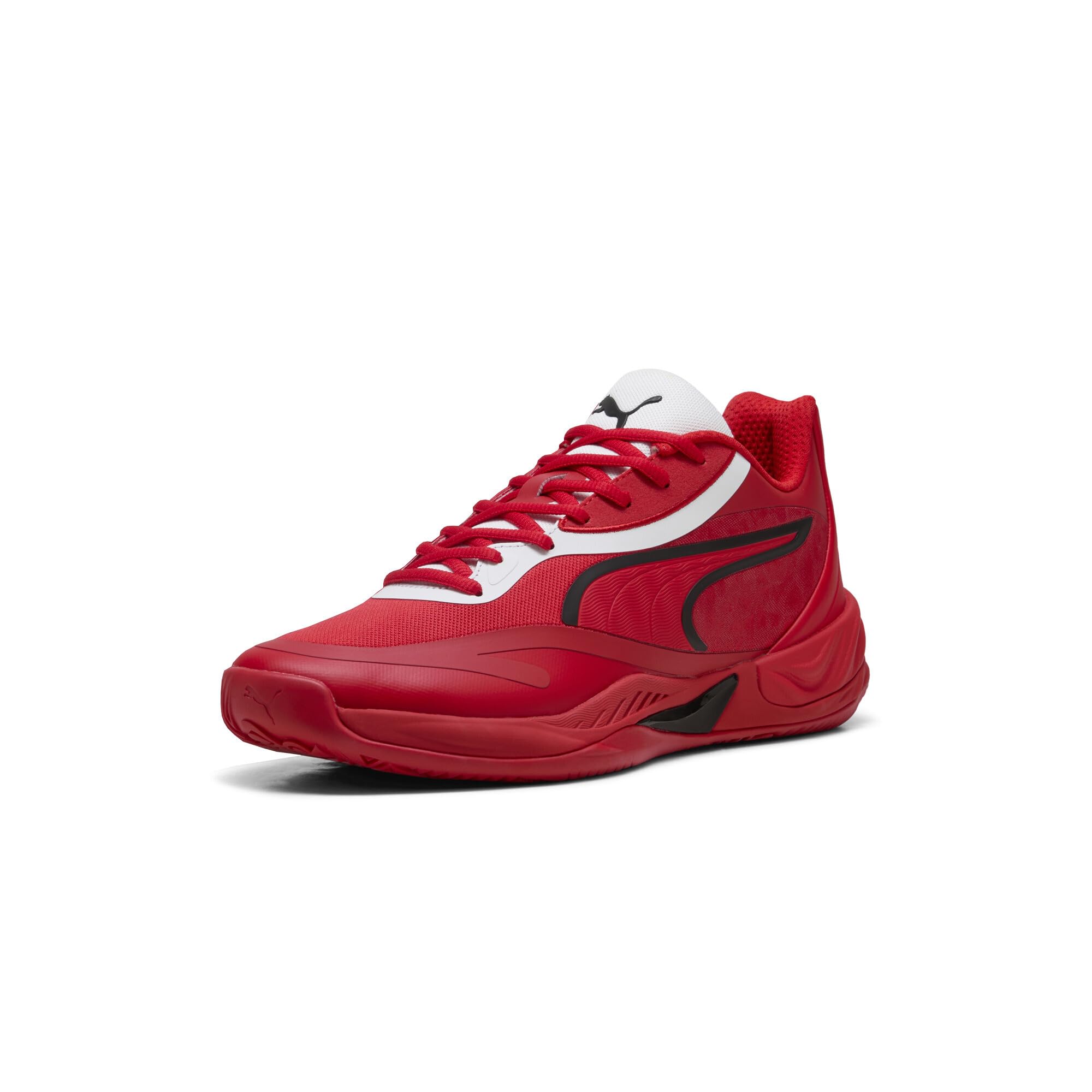


Basketball Shoes for Jumping: How Shoes Affect Jumping
A jump has three stages: the load, the push and the landing. The shoe matters at each. During the load, a stable platform and a locked foot keep your force going down into the floor.
During the push, a responsive forefoot returns energy. During the landing, heel and forefoot cushioning soften the impact so your knees and ankles take less strain. When you compare the best basketball shoes for jumping, start with responsive cushioning, traction and landing support.
Traction links them together. If your plant foot slips even a little, you lose force before you leave the ground. Herringbone and multidirectional tread patterns grip clean floors well, and wiping the soles keeps them working.
Cushioning That Returns Energy
Look for foam or air units that compress and rebound quickly. A firm, lively midsole usually feels better for jumping than a very soft one, which can absorb energy and feel wobbly. Forefoot responsiveness helps with takeoff, while a well-padded heel protects landings, and many shoes now combine both.
Weight changes how foam behaves. A heavier player needs a denser midsole to feel any rebound, while a lighter player can use a softer foam. Press the midsole with your thumb and watch how quickly it recovers.
Lockdown, Fit and Stability
A shoe that lets your foot slide wastes force and raises the risk of rolling an ankle on landing. Check that the heel stays put when you rise onto your toes, that the midfoot feels snug and that the toes have room to spread. A wide, flat outsole base gives a stable landing after rebounds, blocks and contested layups.
Fit shoes in the evening with game socks, leave about a thumb width at the toe and walk, shuffle and hop in them before you decide.
Training Alongside Good Footwear
Jump height comes mostly from strength, power and technique. Squats, lunges, calf raises and plyometric drills such as box jumps build the force that drives a jump, and a good landing technique protects the joints. Increase jump volume gradually, because tendons adapt more slowly than muscles. A sudden jump in the number of dunk attempts or jump sessions often leads to sore knees and Achilles tendons.
Warm up with light jogging, dynamic stretches and progressive jumps, and rest when your legs are tired. Sharp pain, swelling or pain that changes the way you walk is a reason to stop and ask a clinician.
Who Should Buy Which Type
- Guards and wings who jump off one or two feet like a light, responsive shoe with a low to mid collar.
- Forwards and centers who jump for rebounds and blocks do better with thicker, firmer cushioning and a wide base.
- Players with ankle concerns may prefer a mid or high collar and a firm heel counter.
- Occasional players can choose a balanced all-round pair and save money.
For related guides, see best basketball shoes for vertical jump and best basketball shoes for dunking.
Care and Replacement
Jumping compresses foam faster than steady play, so check your shoes often. Replace them when the midsole creases deeply, the foam feels flat or the tread is smooth under the ball of the foot. Rotate two pairs if you jump a lot, store the shoes away from heat and wipe the soles before games.
Common Mistakes to Avoid
- Choosing the softest shoe available. It feels comfortable but can absorb energy and feel unstable when you push off.
- Ignoring fit. A shoe that lets your foot slide wastes force and raises injury risk.
- Wearing a worn pair. Dead foam stops returning energy and increases landing stress.
- Neglecting landing technique. Land with bent knees and the weight evenly spread, not on stiff legs.
- Playing on rough outdoor courts in indoor shoes, which wears down the grip fast.
Buying Checklist
Before you order, check that the shoe has a snug heel counter, a stable and reasonably wide outsole, a tread pattern you can keep clean and a midsole that feels lively rather than mushy. Confirm the return terms so that you can swap the size if your heel lifts or your toes feel cramped. Wear the shoes indoors for a few sessions before taking them outside, and keep the packaging until you are sure about the fit.
Players new to jump training should also give new shoes a short break-in, because stiff foam can feel dead for the first few sessions and then loosen into its intended feel.
Frequently Asked Questions
Can shoes help me jump higher?
They can help you use your strength more effectively and land more comfortably, but they will not add large gains on their own.
Which is better for jumping, a high top or a low top?
Neither is automatically better. Choose the collar that feels secure for your ankles, and judge the shoe by its cushioning, lockdown and traction.
How soft should the cushioning be?
Firm but lively usually works best. Very soft foam can feel slow and unstable on takeoff.
How often should I replace jumping shoes?
Frequent jumpers may need a new pair every few months. Replace sooner if cushioning feels flat or soreness returns.
Are outdoor courts harder on shoes?
Yes. Asphalt and concrete wear rubber quickly and add impact, so a harder outsole and good cushioning are worth having.
Final Thoughts
The best basketball shoes for jumping combine responsive cushioning, stable lockdown and reliable grip. Compare the options in the product table, check fit and traction first and pair the shoes with progressive training for lasting results.


