
Best Basketball Shoes for Streetball 2026 Outdoor Guide
Disclosure: We may earn a commission when you buy through links on this page, at no extra cost to you. As an Amazon Associate I earn from qualifying purchases. Learn more

A practical guide to the best basketball shoes for streetball: asphalt durability, traction and ankle support.
The best basketball shoes for streetball are built for outdoor courts, where asphalt, concrete, and dusty playground surfaces punish shoes that were made for polished indoor floors. Streetball shoes need harder outsoles, stronger uppers, and grip that holds on gritty surfaces, plus the style that streetball culture values. The comparison table below shows the main streetball shoe types so you can compare them side by side.
This guide explains what separates a streetball shoe from an indoor shoe, how to judge durability and traction outdoors, and how to balance performance with the look that matters on the playground. Whether you play pickup games daily or weekend runs with friends, the right shoe lasts longer and plays better outside.
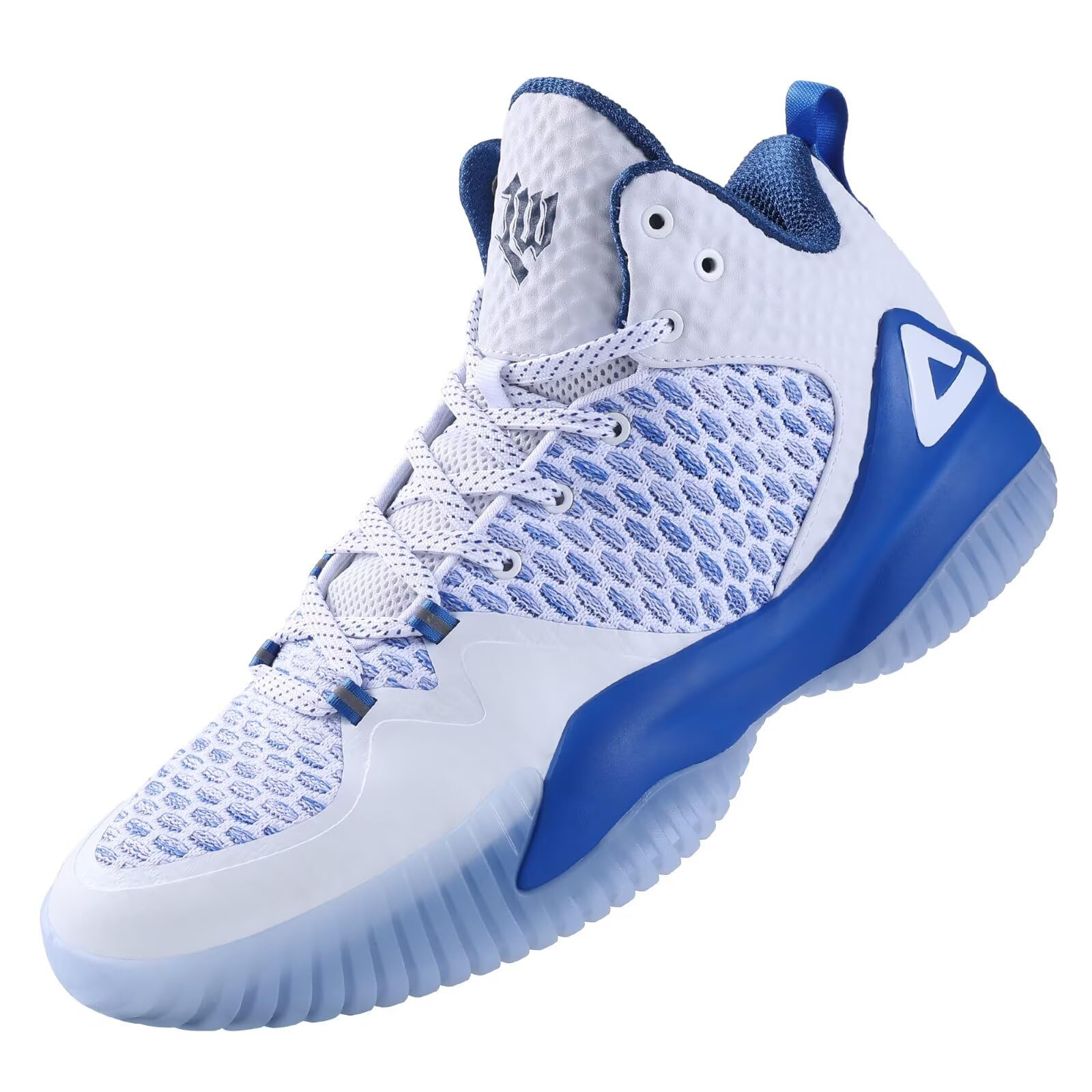


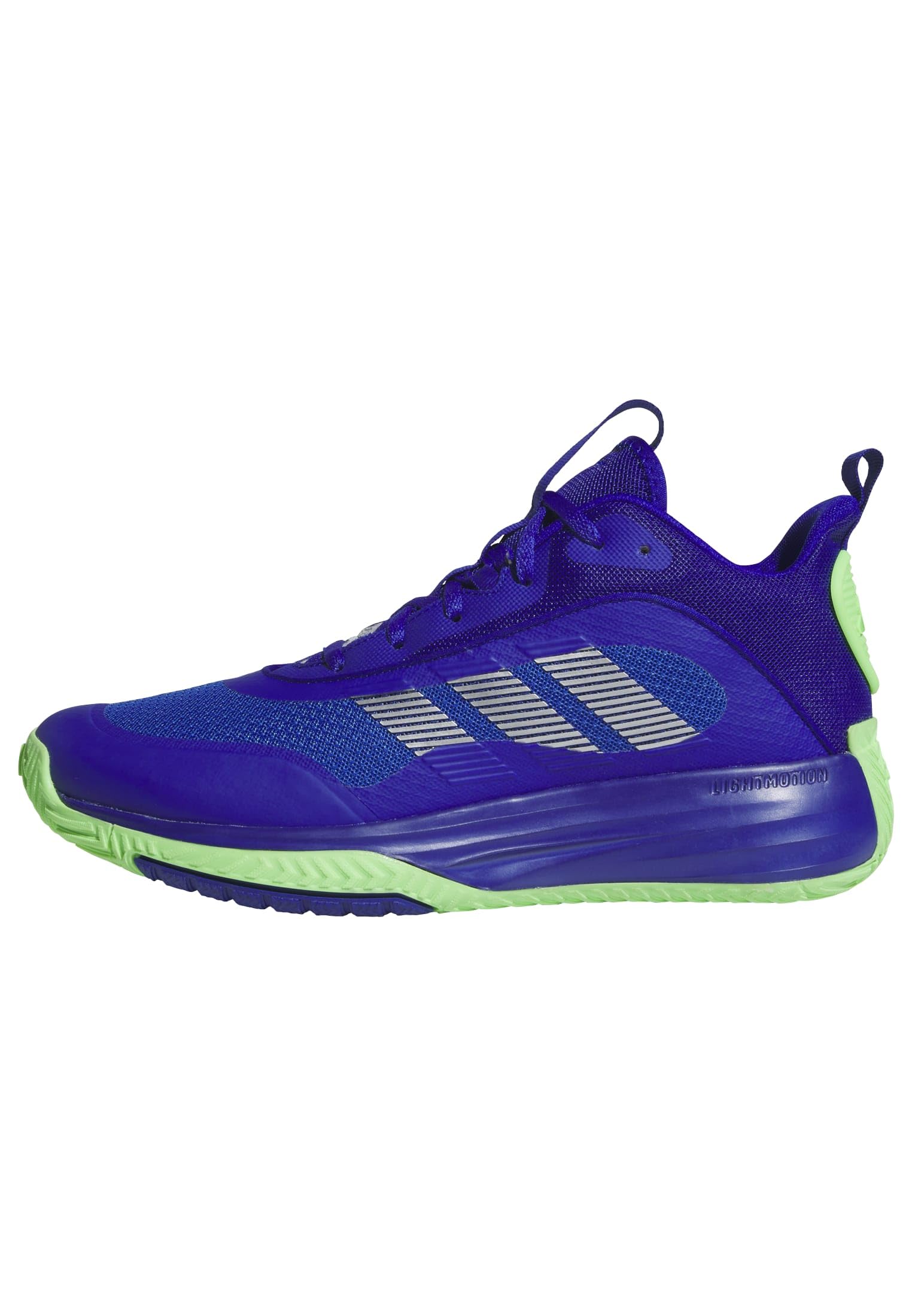


Basketball Shoes for Streetball: Outdoor Outsoles and Asphalt Durability
Outdoor courts wear soles far faster than indoor courts, since asphalt and concrete act like sandpaper on soft rubber. Streetball shoes use harder rubber compounds and deeper tread patterns that resist abrasion while still gripping dusty surfaces. A thick outsole lasts longer outdoors, though it adds weight, so balance durability against the lightness you prefer for quick moves. When you compare the best basketball shoes for streetball, start with asphalt durability, traction and ankle support.
Check outsole coverage too, since some indoor shoes leave foam exposed at the edges, which wears quickly on concrete. A full rubber outsole that wraps up the sides protects the midsole and extends shoe life outdoors. Replace shoes when the tread wears smooth, since bald outdoor soles slip on dust and increase fall risk.
Uppers That Survive Playground Play
Streetball uppers take scuffs, drags, and contact that indoor uppers rarely face. Leather and sturdy synthetic overlays resist abrasion better than thin mesh, which tears on concrete during dives and slides. Reinforced toe caps protect the front of the shoe, where drag and toe stops wear fastest during outdoor play.
Breathability matters on hot outdoor courts, so look for ventilation that does not sacrifice durability. Perforated leather or reinforced mesh panels balance airflow with toughness. A shoe that stays cool and intact through summer pickup games beats a lighter shoe that falls apart by August.
Traction on Dusty Outdoor Courts
Outdoor courts collect dust, sand, and leaves that reduce grip, so tread pattern matters as much as rubber compound. Wide spaced lugs shed debris better than tight herringbone patterns that clog with grit, while multidirectional patterns grip during cuts in any direction. Wipe soles on a damp cloth or a courtside mat during breaks to restore grip when dust builds up.
Traction needs change with surface condition, since a freshly swept court grips well while a dusty playground court slides. Try shoes on your usual court rather than trusting indoor reviews, since outdoor grip differs greatly. A shoe that grips on clean asphalt but slides on dusty concrete needs more frequent sole wiping or a different tread.
Ankle Support, Cushioning, and Comfort
Ankle support matters on uneven outdoor courts, where cracks, pebbles, and court seams create rollover risk. Mid and high top collars add support and protect ankles during landings on rough ground, while low tops suit players who value freedom of movement and have strong ankles. Choose collar height by your ankle history and the roughness of your courts.
Cushioning for streetball should absorb impact from concrete, which is harder than indoor wood. A responsive foam midsole protects knees and feet over long outdoor sessions, while a low profile keeps court feel for quick cuts. Break shoes in on short sessions first, since stiff outdoor shoes need time to soften around the foot.
Style, Fit, and Streetball Culture
Streetball style matters to many players, since the playground values shoes that look as good as they play. Classic silhouettes, bold colourways, and retro designs carry cultural weight, and a shoe that looks right builds confidence on court. Style should complement performance rather than replace it, so judge looks after durability and fit pass the try.
Fit for streetball follows the same rules as indoor shoes: a thumbnail width beyond the longest toe, a snug heel, and room for toes to spread. Outdoor play swells feet in heat, so fit shoes later in the day when feet are slightly larger. Lace securely with a heel lock pattern to prevent sliding during hard cuts on rough surfaces.
Care, Rotation, and Outdoor Lifespan
Clean streetball shoes after outdoor sessions by brushing off dust and wiping soles, since grit trapped in tread wears rubber faster. Air shoes fully between sessions and avoid leaving them in direct sun or a hot car, which breaks down foam and glue. Rotate two pairs when you play daily, since rotation extends the life of both and keeps cushioning fresher.
Expect outdoor shoes to last fewer months than indoor shoes under similar play frequency, because asphalt simply wears materials faster. Track tread wear and cushioning feel rather than calendar age, and replace shoes when grip fades or support softens. A fresh pair protects ankles and knees better than a worn pair that looks fine from the outside.
For the broader basketball range, see best basketball shoes. Dedicated outdoor options appear in best streetball shoes and best outside basketball shoes.
Frequently Asked Questions
Can I wear indoor basketball shoes for streetball?
You can, but indoor shoes wear out much faster outdoors because soft rubber soles and light mesh uppers are not built for asphalt. Indoor soles go bald quickly on concrete, and thin uppers tear during dives and drags. A dedicated outdoor shoe with harder rubber and reinforced uppers lasts far longer and grips dusty courts better. Save indoor shoes for indoor courts and use streetball shoes outside.
What outsole is best for outdoor basketball?
A hard rubber outsole with deep, widely spaced tread suits outdoor courts best, since it resists abrasion and sheds dust and grit. Full rubber coverage that wraps the midsole edges protects the shoe from concrete wear. Softer indoor rubber grips polished wood well but wears bald fast on asphalt. Check tread depth and rubber hardness before buying, and expect to replace outdoor soles sooner than indoor ones.
Are high tops better for streetball?
High tops add ankle support that helps on uneven outdoor courts, where cracks and debris raise rollover risk. They suit players with ankle history or those who play hard on rough surfaces. Low tops suit players who value freedom and have strong stable ankles. Collar height is a personal choice based on ankle history and court roughness, while cushioning, traction, and fit matter for every player regardless of collar height.
How long do streetball shoes last?
Outdoor shoes last fewer months than indoor shoes at the same play frequency, because asphalt wears soles and uppers faster. Daily players may wear through a pair in a few months, while weekend players stretch a pair across a season or more. Track tread wear, cushioning feel, and upper condition rather than calendar age. Replace shoes when grip fades, cushioning flattens, or support softens, since worn shoes raise injury risk.
How do I keep grip on dusty outdoor courts?
Wipe soles frequently during play with a damp cloth or a courtside mat to remove dust that blocks tread. Choose widely spaced tread patterns that shed grit rather than tight patterns that clog. Keep soles clean between sessions by brushing off dried mud and dust. When tread wears smooth, no wiping restores grip, so replace the shoes, and playing on swept courts also helps, since loose sand and leaves reduce traction sharply.
Final Thoughts
Streetball shoes earn their place through harder outsoles, tougher uppers, and grip that holds on dusty outdoor courts. Durability and traction matter more outdoors than lightweight indoor performance, and a shoe that survives asphalt season after season is worth more than a flashy shoe that wears out in weeks. Use the product table above to compare streetball types, then choose the pair that fits your courts, your ankles, and your game. The best basketball shoes for streetball keep you playing hard outside without worrying about your shoes giving up first.


