
Best Basketball Shoes for Speed 2026: A Buying Guide
Disclosure: We may earn a commission when you buy through links on this page, at no extra cost to you. As an Amazon Associate I earn from qualifying purchases. Learn more
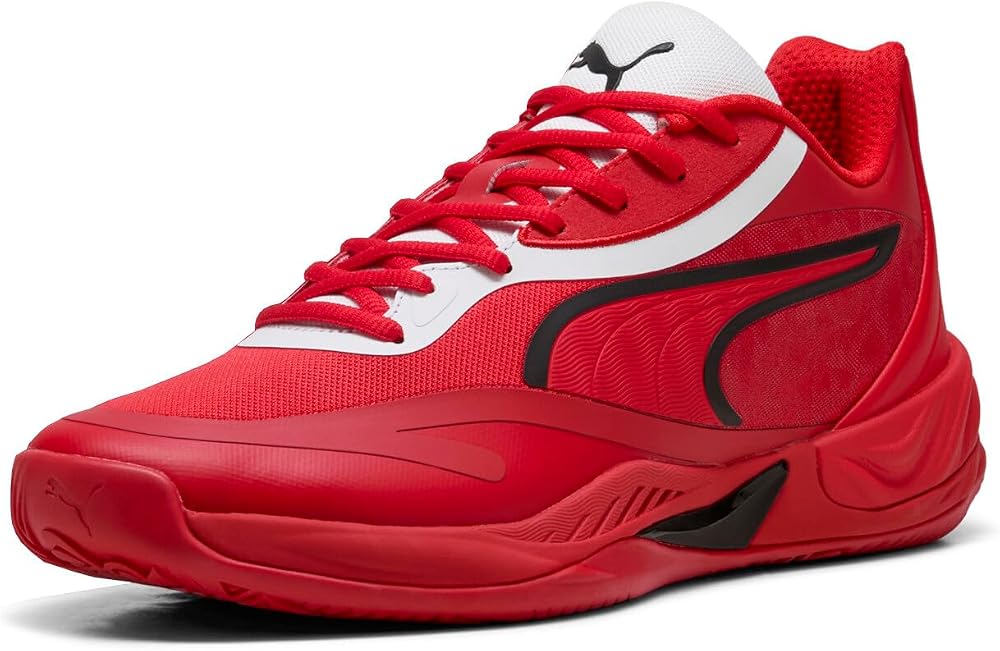
A practical guide to the best basketball shoes for speed: weight, traction, cushioning and fit.
Speed in basketball is not just about being quick. It is about a shoe that starts, stops, and changes direction without wasting a step, and that feels light enough to forget in the fourth quarter. This guide shows you how to find the best basketball shoes for speed for your game, your court, and your budget.
You will learn which specs actually make a shoe feel fast, which ones are marketing, and how the main types differ. Use the checklist sections below while you scan the comparison table below, and judge every pair by weight, traction, and fit first.
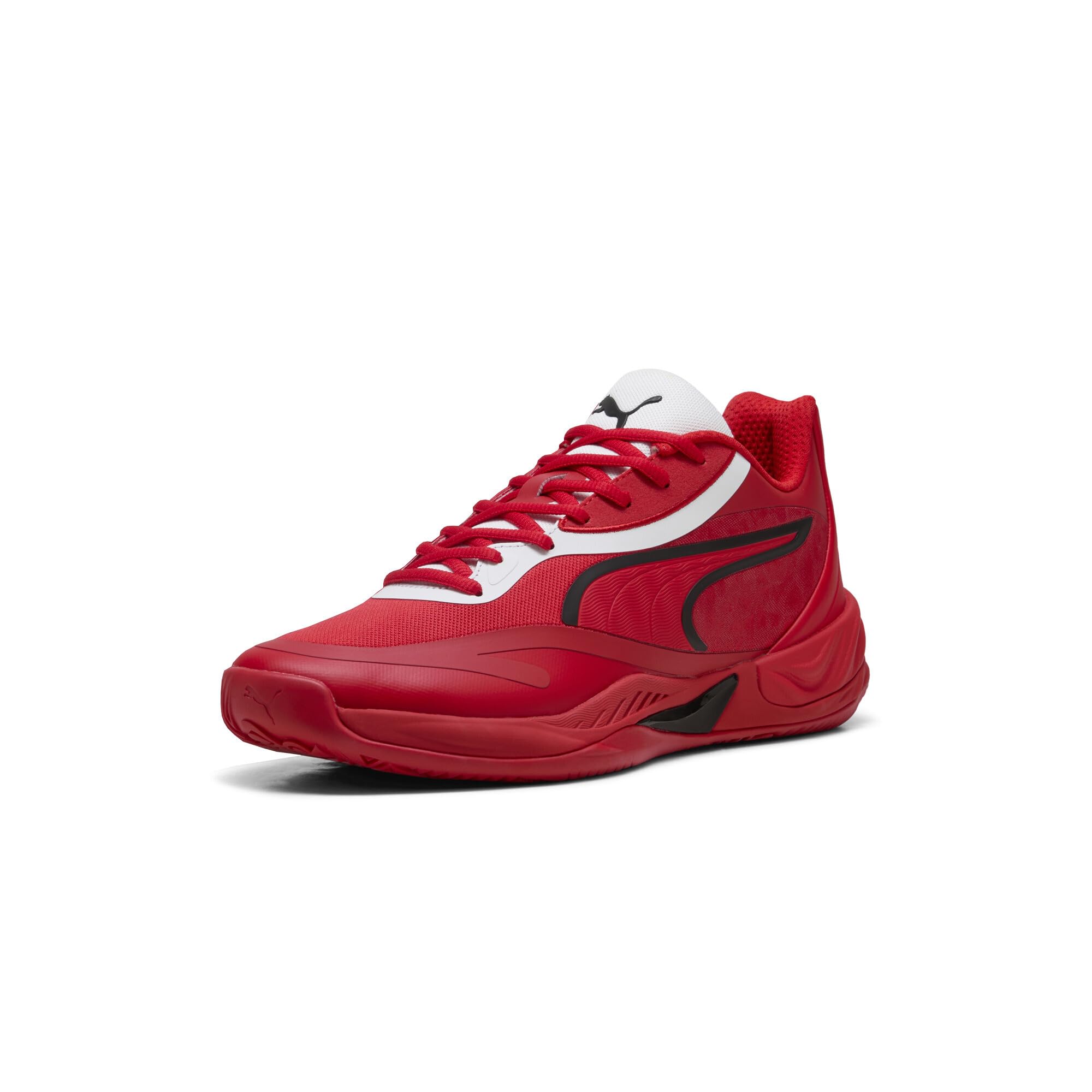


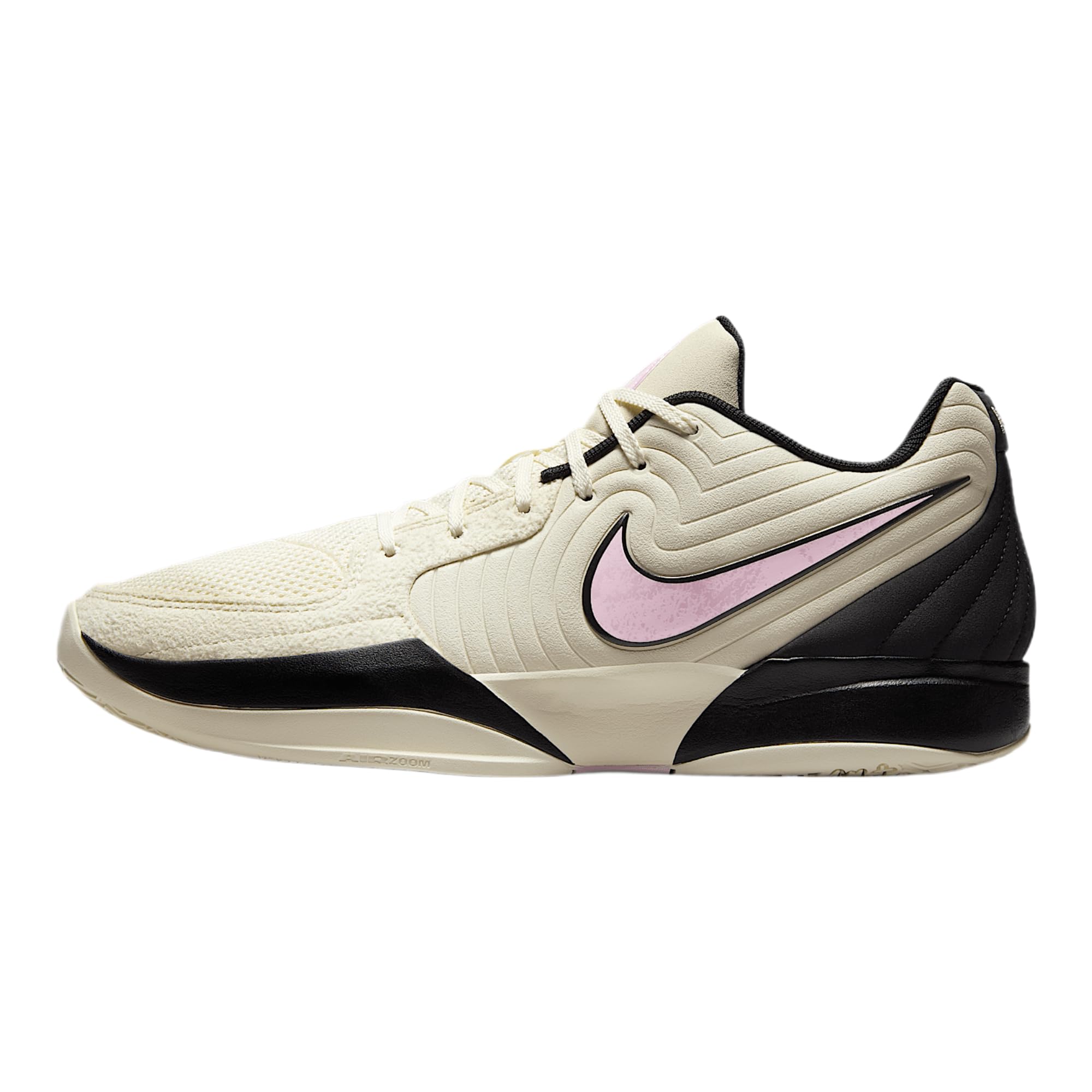


Price Tier Profiles at a Glance
Speed shoes are sold at every price, and each tier delivers a recognizable package. Judge the pairs in the product table above against these profiles, so you pay for lightness and grip rather than for a color story.
Premium Profile
A well rounded speed shoe, often around $110 to $160, should feel light on foot, grip hard on clean cuts, and still cushion repeated landings. Expect a low or mid cut design, a responsive foam midsole, and an upper that locks the midfoot without squeezing it. Weight often lands around 11 to 13 ounces in a typical adult size. This tier suits most guards and wings because it gives up little: you get real traction, real lockdown, and durability that survives a full season of league play.
Value Profile
Value speed shoes, often around $60 to $100, cut cost in the upper materials and cushioning technology, not in the outsole. That is the right place to save, because a simple mesh upper and a basic foam can still feel quick if the fit is secure. Check that the tread is full herringbone or a proven multidirectional pattern, and that the heel does not slip during a hard stop check in the store. For players still growing or still learning the game, this tier delivers most of the speed at half the price.
Beginner Profile
Beginners need speed with a safety net. Look for a slightly higher collar, a wider and more stable base, and cushioning that feels soft on landing while you build leg strength and landing habits. Weights run a little higher here, and that is fine: a stable shoe you trust will make you play faster than a fragile featherweight you tiptoe in. Choose this profile if you are new, returning from a layoff, or prone to ankle sprains, and revisit lighter options once your footwork and confidence catch up.
How to Choose the Best Basketball Shoes for Speed: Buying Guide
The sections below are the core of the decision. The best basketball shoes for speed all share the same foundations: low weight, immediate traction, and a fit that moves as one piece with your foot. Work through each factor in order, because a weakness early in the list cannot be rescued by strength later in it.
Features That Matter for Speed
Speed asks specific things of a shoe. Weight is the obvious one: every ounce saved is an ounce you lift thousands of times per game. Next is the cushioning response.
Foams that compress and rebound quickly feel fast, while very soft foams can feel sluggish off the first step even when they are comfortable. Heel to toe drop also shapes pace; lower drops, around 4 to 8 mm, keep you on your forefoot and ready to sprint. Finally, the outsole should bite instantly, because a fast player with slow traction is just a player sliding stylishly.
Skill Level and Intended Use
Match the shoe to your actual role. Quick guards who live on crossovers and pull up jumpers need the lightest build and the sharpest traction. Forwards who mix drives with post moves need more stability and should accept a small weight penalty.
Beginners should favor the beginner profile above until their ankles and knees adapt to game speed. Also weigh how you play: a player who jogs through a casual run twice a month does not need the same responsiveness as a starter playing four competitive games a week.
Indoor vs Outdoor Use
Speed shoes are usually indoor shoes, with softer rubber that grips wood and wears quickly on asphalt. If you train outdoors, expect the tread, and therefore your first step grip, to fade within weeks. Players who split time should keep a separate outdoor pair; our guide to the best outside basketball shoes covers harder rubber options that survive blacktop. One practical compromise is to retire your indoor speed shoes to outdoor duty once the tread shallows, and buy fresh grip for games that count.
Performance Characteristics
Look past labels and try three things. Traction: drag the shoe sideways on a smooth floor and feel for an immediate bite rather than a slide then grip delay. Court feel: thinner midsoles place your foot closer to the floor, which speeds up reactions but reduces impact protection.
Lockdown: lace up, rise onto your toes, and check that your heel stays seated and your forefoot does not swim. A speed shoe earns its name only when all three pass together, since quickness is a chain and the weakest link sets the pace.
Value and Included Accessories
Value is more than the sticker. Some pairs include extra laces, a carry bag, or a longer warranty, and wide size options save you from a costly special order. Consider cost per season as well: a slightly pricier shoe whose outsole lasts two seasons beats a bargain pair that goes smooth by spring.
For a broader shortlist of proven models across play styles, see our overview of the best basketball shoes before you narrow down. Keep receipts and box labels until the return window closes, in case the on court feel differs from the store feel.
Fit, Sizing, and Storage
Fit is the cheapest speed upgrade available. Try shoes in the evening with game socks, and look for a snug midfoot, a locked heel, and about a thumb width at the toes. Between sizes, speed players usually do better in the smaller option if the toes still clear, because internal movement wastes energy on every cut. Store your pair in a ventilated bag, not a sealed trunk, and keep them out of the gear pile so the upper keeps its shape.
Types of Basketball Shoes
Advanced and Performance Options
Performance speed shoes are the lightest and most responsive type, built for players whose game is built on separation and first step burst. They use thin, engineered uppers and energetic foams, and they reward precise footwork. The costs are price, durability, and a fit that punishes wide feet. Pick this type if you play competitively, know your size in the line, and accept replacing pairs more often as the price of maximum pace.
Kids and Youth Options
Youth speed shoes scale the idea down with softer cushioning, more flexible soles, and roomier fits for growing feet. They help young players feel quick without overloading developing joints. Skip hand me down performance models in adult lasts, which fit poorly and support in the wrong places. Choose youth options by current fit rather than room to grow, since a loose shoe slows a young guard and risks rolled ankles during the growth spurts when coordination lags behind size.
Intermediate and All Around Options
All around shoes trade a little top end lightness for stability, cushioning, and price sanity. Most recreational players are genuinely faster in this type because confidence matters: you cut harder in a shoe you trust. These models suit wings and forwards, mixed position players, and anyone whose knees prefer a bit more foam underfoot. If you play several roles or share court time across leagues, this is the flexible default that rarely disappoints.
How to Make Your Basketball Shoe Last Longer
- Store shoes out of direct sun and extreme heat, which hardens rubber and weakens glue over time.
- Check tread and upper wear before each week of play, so a worn pair never surprises you mid game.
- Clean soles with a damp cloth and let shoes air dry fully after outdoor use or heavy sweat sessions.
- Follow the maker care guidance on washing and drying, and never use a hot dryer, which warps foam.
- Rotate two pairs if you play most days, giving each midsole a rest day to recover its response.
- Unlace fully before removing your shoes, because crushing the heel counter shortens the life of the fit.
Frequently Asked Questions
What features matter most in basketball shoes for speed?
Low weight, fast responding cushioning, and instant traction matter most, in that order. A light shoe with dull foam feels tired, and a responsive shoe with slow grip feels dangerous. After those three, check lockdown: your foot should feel strapped to the midsole through cuts and stops.
Try the heel rise check in the store. If the heel stays seated and the forefoot feels planted, the shoe will feel quick on court.
How long do basketball shoes for speed last?
Most speed models deliver their best grip and response for about 75 to 100 hours of indoor play, roughly one hard season. Lightweight uppers and softer rubber are the price of pace, so they wear sooner than bulkier shoes. Watch the tread under the ball of the foot and the foam feel on landing. When cuts start to slide on a clean floor or landings feel flat, the fast days of that pair are over.
What size basketball shoe should I get for speed?
Fit them in the evening, in game socks, aiming for a locked heel and about a thumb width at the toes. Speed players should avoid extra length, since your foot slides forward on every stop and that slide costs time and toenails. If you are between sizes in a narrow performance model, try the wide option or a different line rather than sizing up, because width and length solve different problems.
Is it worth buying premium basketball shoes as a beginner?
Usually not yet. Premium speed shoes assume strong ankles, clean footwork, and frequent play, and their light build offers beginners less margin for error. A value or all around pair builds skills and confidence for less money, and it survives the outdoor practices beginners often join.
Upgrade when your game, not your curiosity, asks for more response. Your second pair will also fit better, because you will know exactly what your feet prefer.
Does indoor vs outdoor use matter for speed shoes?
Yes, more than for most shoes. The soft rubber and thin uppers that make speed models feel fast are exactly what asphalt destroys first. A few weeks of outdoor runs can round off the tread edges that your first step depends on.
Keep speed shoes for the gym, carry them in your bag, and change at the bench. Use a tougher pair outside and your indoor grip will stay sharp all season.
Final Thoughts
Weigh the pair, try the grip, and lock the fit, and the speed takes care of itself. Match the type to your role and keep outdoor miles off your indoor rubber. Chosen with this guide, the best basketball shoes for speed will make your first step feel like an advantage instead of a hope. Compare your finalists in the product table above and pick the lightest pair that still passes the heel try.


