
Best Basketball Shoes for Female: Which One Fits the Way You Use It for 2026?
Disclosure: We may earn a commission when you buy through links on this page, at no extra cost to you. As an Amazon Associate I earn from qualifying purchases. Learn more

A practical guide to the best basketball shoes for female: fit, grip, cushioning and support.
There is no single shoe that suits every player, because a guard who cuts hard all game needs something different from a post player who lands in traffic or a beginner who plays once a week. Choosing the best basketball shoes for female players starts with how you actually use them, not with color or price. This guide walks you through fit, grip, cushioning, and support in that order.
Use the comparison table below to spot the basic shape, collar height, and weight of each option, then use the sections that follow to judge which traits matter for your game. A shoe that fits your foot and your court will almost always outperform a more expensive shoe that fits neither.


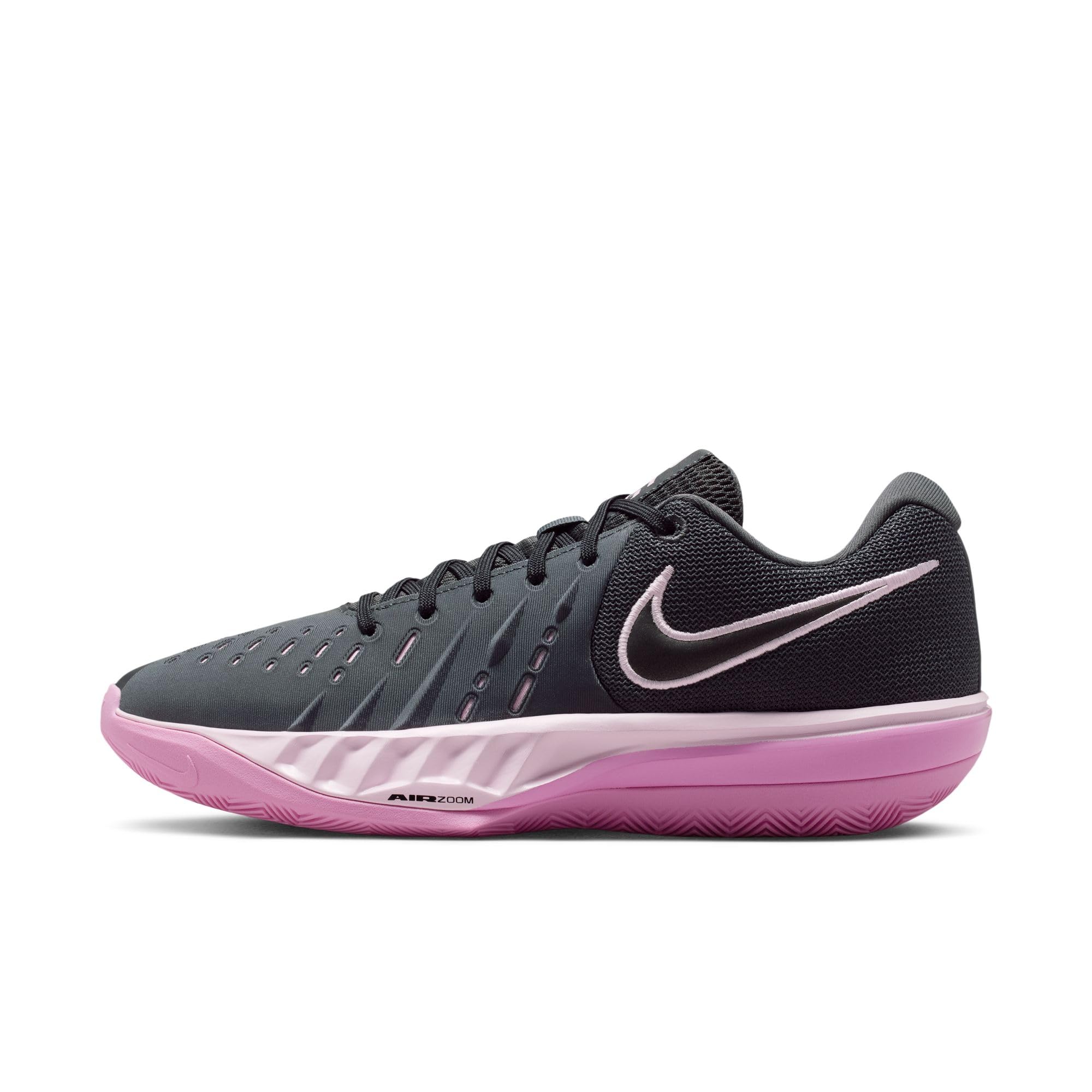

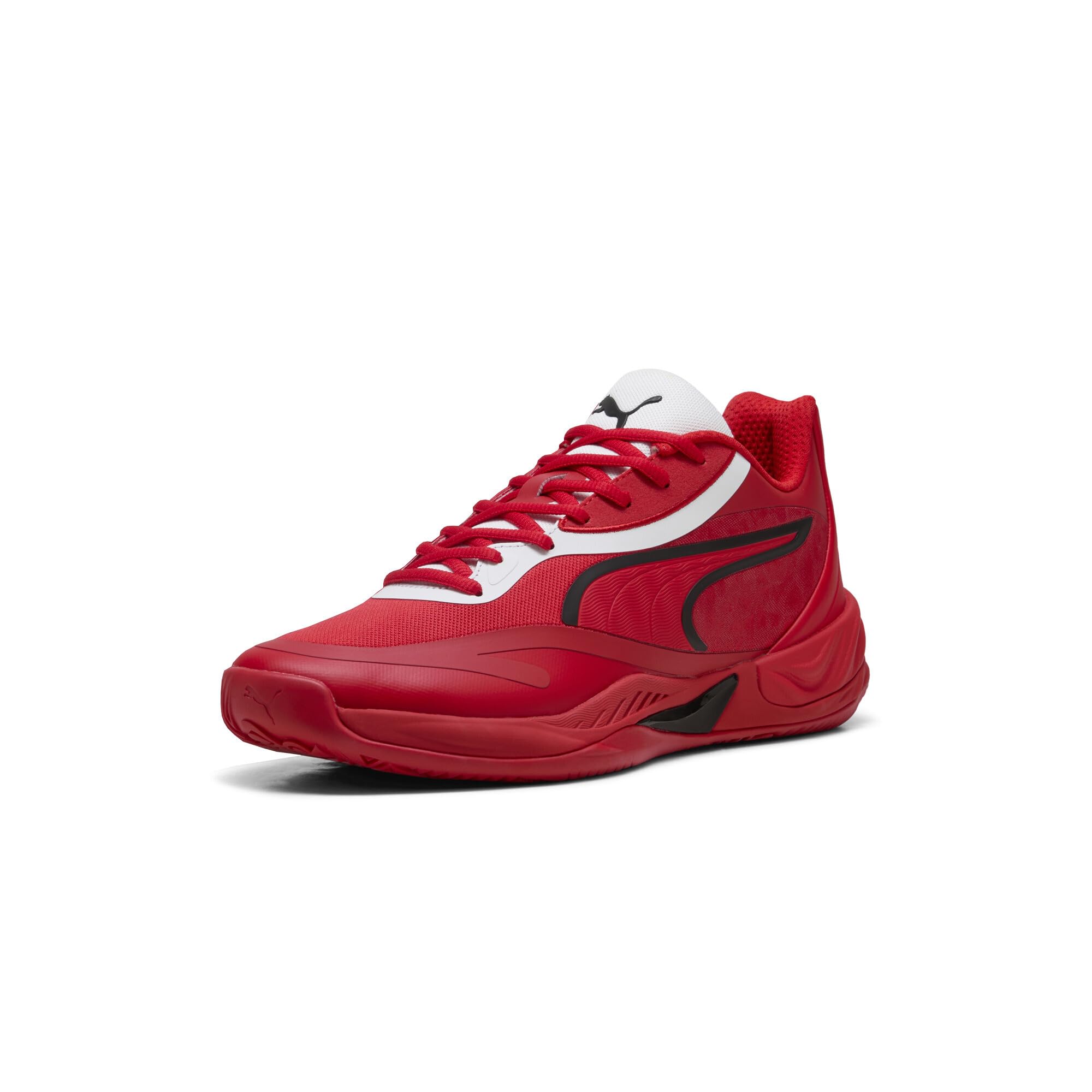

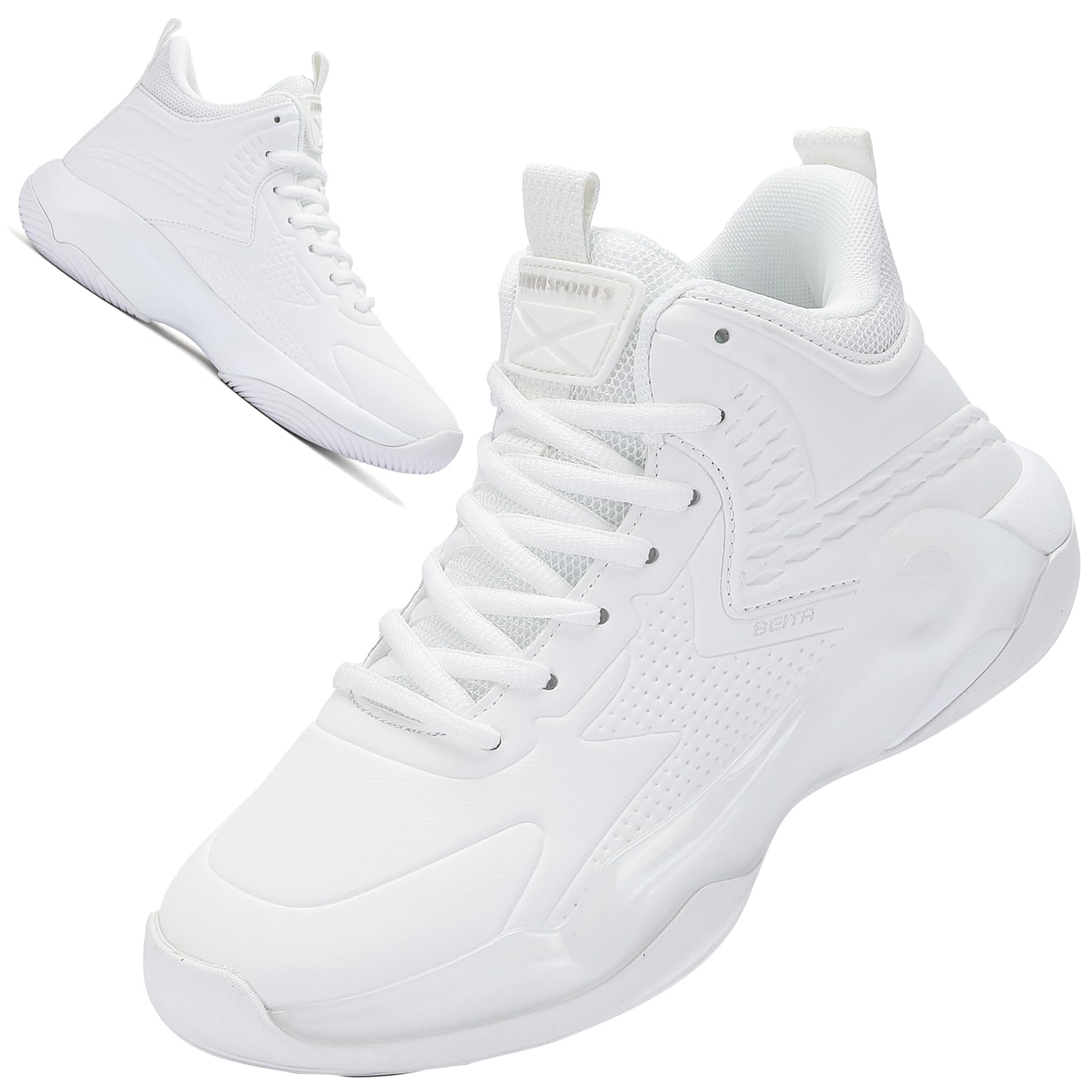
Who Should Buy Which Basketball Shoes?
For Bad Weather and Tough Conditions
If you play on outdoor asphalt, dusty school courts, or in damp conditions, durability matters more than a soft, delicate upper. Look for a thicker rubber outsole with a deep tread pattern, a tougher synthetic or leather upper, and reinforced areas around the toe where drag wears shoes down fastest. A slightly heavier build is a fair trade here, because a thin indoor shoe can lose its grip and its shape within a few months outside. When you compare the best basketball shoes for female, start with fit, grip, cushioning and support.
For Frequent or Serious Users
If you train several times a week, play league games, or jump and land a lot, prioritize cushioning that stays responsive, a stable heel counter, and lockdown that keeps your foot from sliding inside the shoe. Check the return policy and warranty terms before you buy, since heavy use reveals flaws quickly. Players at this level often keep a second pair to rotate, which lets the foam recover between sessions and extends the life of both pairs.
For Weekend Beginners
If you play casually or are returning to the game, comfort on day one matters most. Choose a forgiving fit, moderate cushioning, and a collar height that feels secure without restricting your movement. You do not need the lightest or most advanced model to enjoy pickup games. Spend your effort on correct sizing instead, because a beginner in a well fitted mid price shoe will move better than a beginner in a premium shoe that pinches or slips.
Your position adds one more layer. Quick perimeter players usually value low weight and court feel, while centers and strong rebounders usually value impact protection and a wide, stable base. If you also train on foot, our guide to the best female running shoes explains why running shoes and court shoes solve different problems and why swapping them rarely works well.
Key Features of Basketball Shoes for Female
Safety and Support Features
Support in a basketball shoe comes from structure, not from collar height alone. A firm heel counter, a wide outsole that resists tipping, and a torsional shank or plate in the midfoot all help the shoe stay stable when you land off balance. Lace the shoe fully and try a hard sideways step in the store if you can. If your heel lifts or your foot rolls over the edge of the sole, that model is not giving you the support you need, whatever the product page claims.
What Women Should Look For
Many women have a narrower heel relative to the forefoot than the average male last provides, so heel slip is a common and important complaint. Look for models built on a women specific last, or at least for a shaped heel cup and extra lace holes that let you lock the heel down. Check the size chart for each brand rather than assuming your usual size transfers, and measure your feet in the evening when they are at their largest. Leave roughly a thumb width of space in front of your longest toe.
Skill Level and Intended Use
Beginners benefit from a balanced, all around shoe with moderate cushioning and a forgiving fit, because their movement patterns are still developing. Intermediate players who know their position can specialize, choosing lighter shoes for speed or firmer shoes for stability. Advanced players often own different shoes for practice and for games. Be honest about your level when you shop, since a stiff, narrow performance model can feel punishing if you mostly play relaxed weekend games.
Materials and Construction
Engineered mesh uppers are light and breathable but stretch more over time, which can loosen lockdown. Synthetic leather and woven textile uppers hold their shape better and suit outdoor play, though they need a short break in period. Foam midsoles range from soft and plush to firm and responsive, and some shoes add a composite plate for spring and stability. Inspect stitching, glue lines, and the join between upper and sole, because clean construction usually predicts a longer working life.
Value and Included Accessories
Value means cost per season of comfortable play, not the lowest sticker price. A shoe that lasts two seasons of weekly games is cheaper in practice than a bargain pair that loses grip by spring. Check what comes in the box, such as extra laces or an included bag, but do not let small extras decide the purchase.
Also factor in the cost of good court socks and, if your clinician advises one, an ankle brace, since those items affect comfort as much as the shoe itself. For a broader view of court footwear in general, see our guide to the best basketball shoes.
Common Mistakes to Avoid When Buying Basketball Shoes
- Shopping by price alone. The cheapest shoe that fits badly will cost you comfort, and the priciest shoe may add features you never use.
- Ignoring fit for your foot shape. A narrow shoe on a wide foot causes blisters and toenail damage, no matter how good the cushioning is.
- Buying the wrong size on purpose. Sizing up for growth or sizing down for a snug feel both fail once you start cutting and landing.
- Skipping the return terms. Indoor trial policies vary, so confirm you can exchange sizes before you wear the shoes outside.
- Using worn shoes too long. Smooth tread and compressed foam quietly remove the grip and protection you bought the shoe for.
Setup and Care Tips
Store your shoes out of direct sun and extreme heat, since both break down foam and glue faster than normal play does. Loosen the laces fully before you take the shoes off, rather than forcing your heel out, which crushes the heel counter over time. Check wear before each use by looking at the tread under the ball of the foot and pressing the midsole to feel for dead, flat spots.
Clean and dry the shoes after outdoor use with a soft brush and air at room temperature, never on a heater. Rotate pairs if you play often, and replace insoles when they pack down. A practical know how point many players miss is to retie your shoes after the warm up, because feet swell and laces loosen during the first minutes of play.
FAQs
What makes basketball shoes for women different?
The main differences are the last shape, heel width, and sizing range, not the technology inside. Models built for women usually have a narrower heel, a slightly different arch placement, and lighter builds in smaller sizes. Some brands simply resize a unisex design, which can leave the heel loose. Check product details for a women specific last, and judge the individual shoe by fit rather than by the label alone.
Does indoor versus outdoor play matter for basketball shoes?
Yes, it matters a lot for how long the shoe lasts and how well it grips. Indoor shoes use softer rubber that grips polished wood but wears down quickly on asphalt. Outdoor shoes use harder, thicker rubber that survives rough surfaces but can feel less sticky indoors. If you play both, choose a middle ground outsole and accept some compromise, or keep a dedicated pair for the surface you use most.
How long do basketball shoes for women last?
Most court shoes last about one season of regular play, or roughly 75 to 100 hours of active court time, before cushioning and grip fade. Outdoor play, heavier players, and frequent jumping shorten that span. Watch for warning signs such as smooth tread, new knee or foot soreness after games, and a midsole that no longer springs back. Replacing shoes on time is cheaper than playing through pain.
What size basketball shoe should I get?
Start with your measured foot length in the evening, then match it to the brand size chart instead of your street shoe size. You want about a thumb width of room at the toe and no heel lift when you walk or jog. Wear your game socks when you try shoes on, including any brace you plan to use. Between two sizes, most players do better with the one that locks the heel without pressing the toes.
Is a premium basketball shoe worth it for a beginner?
Usually not at first, because beginners gain more from correct fit and regular play than from advanced foam or carbon plates. A solid mid price shoe gives you the grip, cushioning, and support you need while you learn your position and your preferred fit. Save the premium budget for your second pair, when you know whether you value lightness, bounce, or stability most, and when your feet have stopped changing size.
The Bottom Line
Fit, grip, and honest matching to your court and position decide almost everything. Measure your feet, choose the outsole for the surface you play on most, and pick support features that match how often and how hard you play. When you are ready, compare the product table above against those three checks, and the best basketball shoes for female players for your game will be the pair that passes all three without forcing a compromise.


