
Best Basketball Shoes For Bounce 2026 Buying Guide
Disclosure: We may earn a commission when you buy through links on this page, at no extra cost to you. As an Amazon Associate I earn from qualifying purchases. Learn more
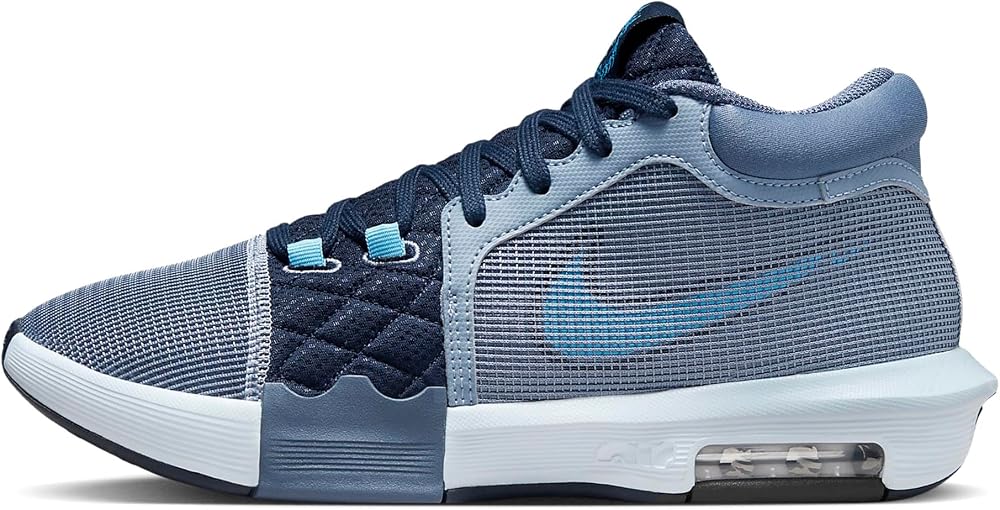
A practical guide to the best basketball shoes for bounce: responsive cushioning, lockdown and grip.
Bounce in a basketball shoe is mostly about how quickly the midsole gives energy back at takeoff, and the best basketball shoes for bounce pair lively foam with a stable base so that energy goes up instead of sideways. This guide explains what creates that springy feel, which trade-offs come with it, and how to choose a pair that suits your weight and your court. The product table lists current options, and the sections below help you read it.
Marketing names change every season, so it helps to judge shoes by what you can feel and check: cushioning response, forefoot lockdown, traction and weight.

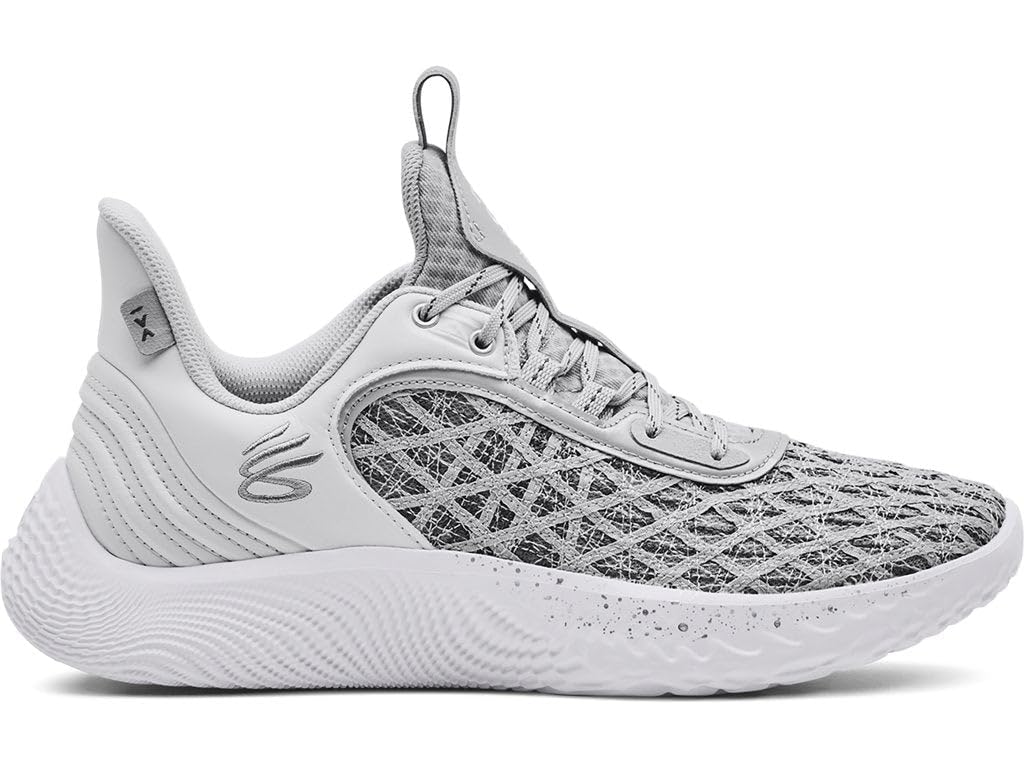


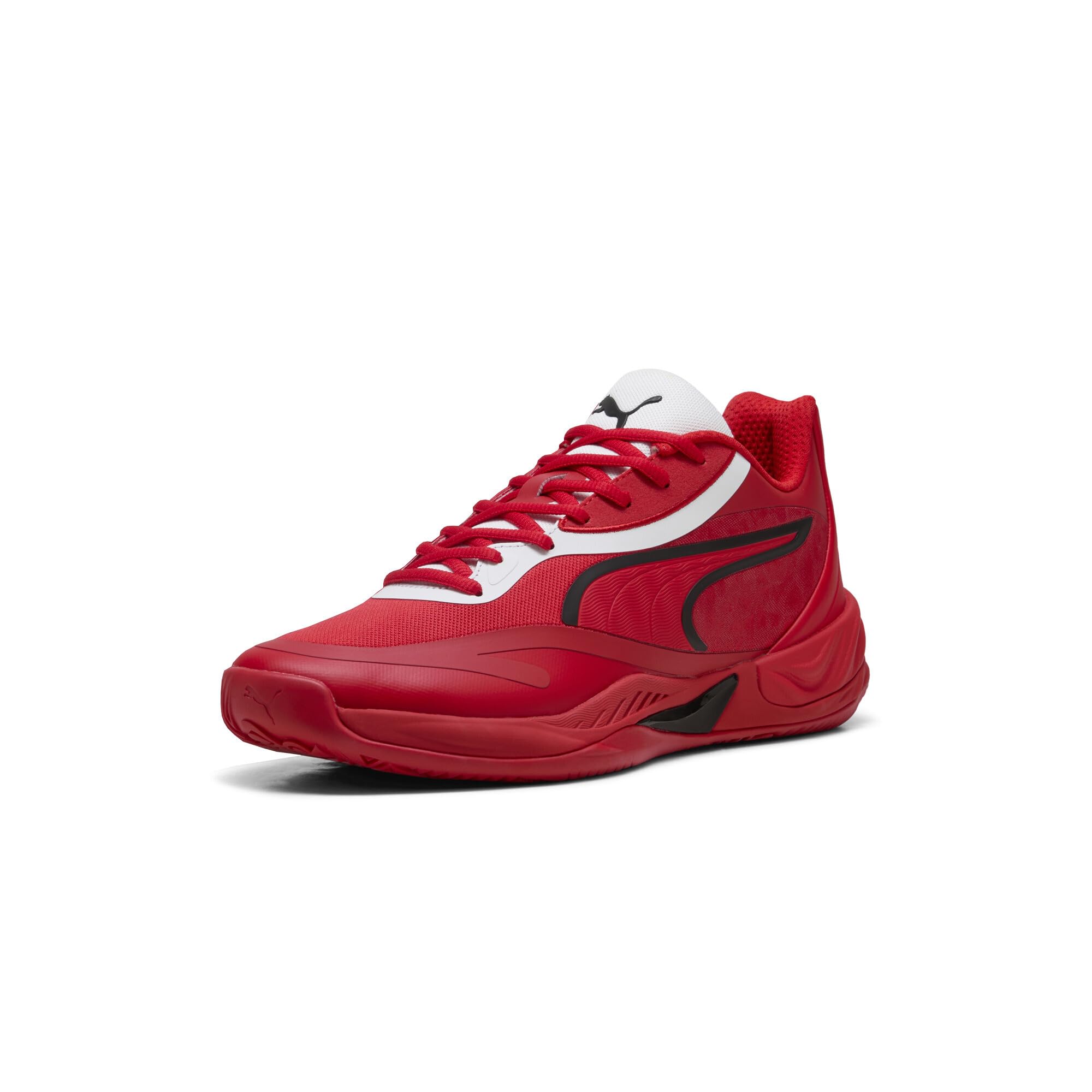


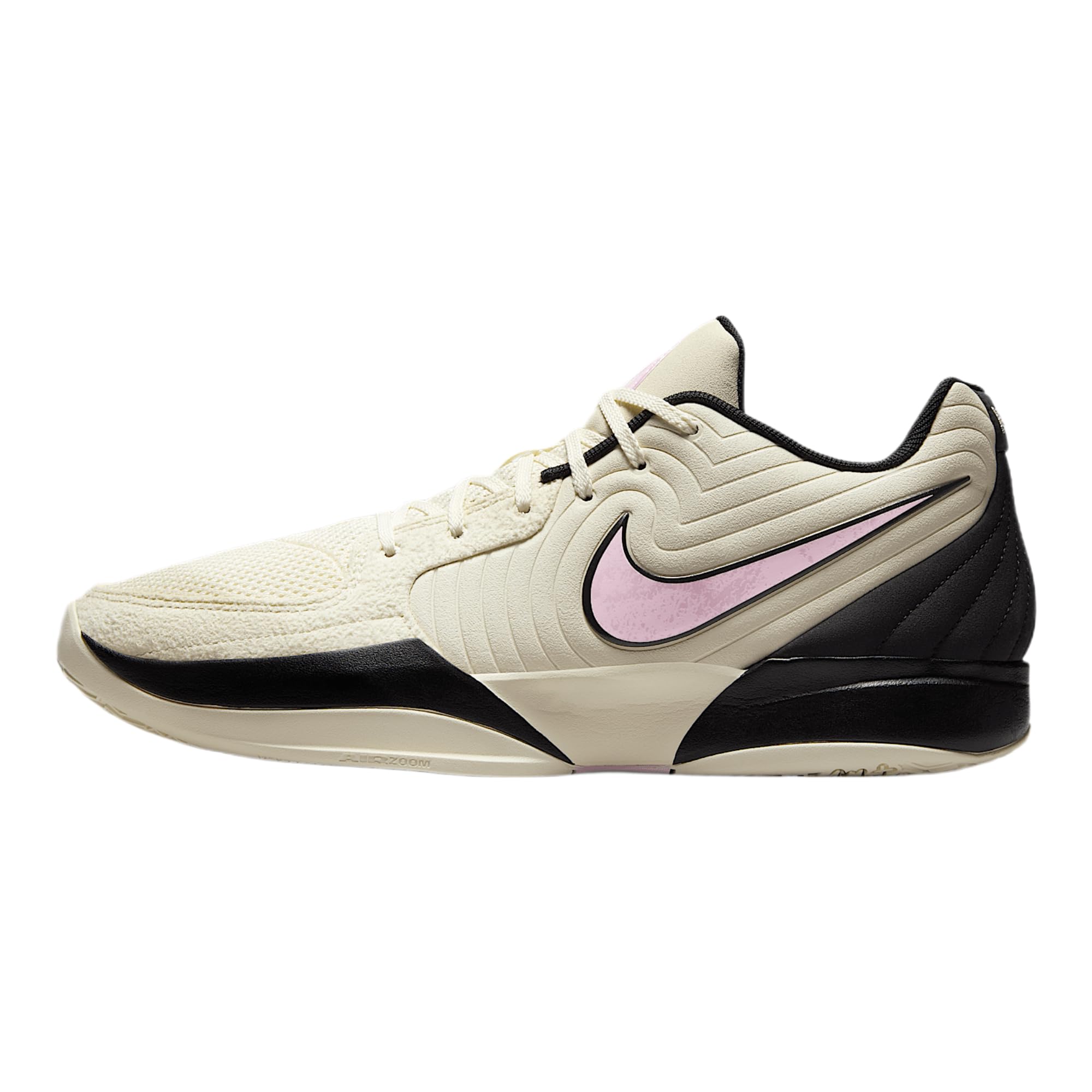

What Makes Basketball Shoes for Bounce Different
A springy shoe uses a midsole that compresses under load and rebounds quickly. Foams, air units and plates all do this in different ways. Soft foam feels plush when you walk but can swallow energy, while a firmer responsive foam often feels livelier under a hard push-off.
A thin plate or a shaped forefoot can add snap, though it also makes the shoe feel firmer on landing. When you compare the best basketball shoes for bounce, start with responsive cushioning, lockdown and grip.
Weight changes the picture. A heavier player compresses foam more, so a foam that feels bouncy for a guard can feel flat for a center. If you are on the heavier side, look for thicker midsoles with a denser foam, and expect a slightly firmer feel from the start.
Cushioning Types and What They Feel Like
Full length foam gives a consistent ride from heel to toe and suits players who jump and run in equal amounts. Forefoot-focused cushioning concentrates the spring where takeoff happens, which is useful for dunkers, rebounders and shot blockers. Heel-focused cushioning protects landings but does less for the push-off.
Air or gas-filled units can feel very springy at first. They often work best for players who want a bouncy feel and do not mind a slightly higher, less grounded ride. Lower, flatter shoes give better court feel but less visible spring, so decide which matters more to your game before you shop.
Stability, Lockdown and Traction
Bounce is wasted if your foot slides inside the shoe. A snug midfoot, a firm heel counter and laces that hold the foot back during hard stops keep the energy pointed upward. Check that your heel does not lift when you rise onto your toes, and that your forefoot does not slide over the footbed on a sharp stop.
Traction matters too, because a slipping plant foot kills the jump before it starts. Herringbone and multidirectional patterns grip clean indoor floors well. On dusty courts, wipe the soles often, since dust removes grip faster than wear does.
Who Should Buy Which Type
- Guards and wings who want quick, lively takeoffs usually prefer lighter shoes with responsive forefoot foam.
- Forwards and centers who rebound and finish at the rim do better with thicker, firmer cushioning and a wide base.
- Recreational players who jump less often can choose a balanced all-round shoe and spend the savings on a second pair to rotate.
- Younger players should focus on fit and grip first, since bounce comes mainly from strength and technique.
If you want the same idea for a vertical-jump focus, read best basketball shoes for vertical jump, and for an explosive finishing game see best basketball shoes for dunking.
Fit, Care and Replacement
Fit your shoes in the evening with game socks, leave about a thumb width at the toe, and make sure the heel stays put. Foam loses its spring with use, so rotate two pairs if you play often and give each pair a day to recover. Replace a pair when the midsole creases deeply, feels flat underfoot or when your knees and feet start to ache more than usual after games.
Keep shoes out of hot cars and direct sun, since heat softens glue and ages foam. If you notice new pain that does not settle after a few days, ask a clinician or podiatrist for advice, because shoes cannot fix an injury on their own.
Matching Bounce to Your Body and Game
Body weight is the biggest hidden variable. A player under about 170 pounds can usually get a lively feel from a softer, lighter foam, while a player above 220 pounds often needs a denser midsole to feel any rebound at all. If you sit between those, a medium-firm foam is the safest choice, and you can add feel with a thinner, flatter insole if the shoe seems too soft.
Your game matters as well. A slasher who attacks the rim off one foot wants a responsive forefoot, a shot blocker wants strong heel protection on landing, and a shooter wants a stable platform for the gather step. Think about the movement you repeat most often, then choose the cushioning layout that supports it.
Common Mistakes When Chasing Bounce
- Buying the softest shoe in the shop. Plush foam feels great on the first step but often feels slow and unstable on a hard plant.
- Ignoring fit. A shoe that lets your foot slide wastes spring, no matter how advanced the midsole looks.
- Skipping a break-in period. New foam and stiff plates often feel dead on day one and loosen up over a few sessions.
- Wearing a worn pair. Once the midsole creases deeply and rebounds slowly, the shoe stops helping.
- Expecting shoes to replace training. Calf, hip and leg strength, plus jump technique, still do most of the work.
Frequently Asked Questions
Do basketball shoes really add bounce?
They can make your jump feel livelier and more comfortable, but they do not add much height on their own. Strength, technique and body weight matter far more. The right shoe removes problems such as slipping, heel lift and dead cushioning so your effort goes into the jump.
Is softer foam bouncier?
Not always. Very soft foam can absorb energy and feel slow at takeoff. A responsive foam that rebounds quickly usually feels bouncier, especially under a heavier player.
Should I choose a high top or a low top for bounce?
Collar height changes ankle coverage more than it changes bounce. Pick the cut that feels secure for your ankles, then judge the shoe by its cushioning, lockdown and traction.
How long does the bounce last?
Most court shoes feel their best for roughly a season of regular play. Heavy players and frequent jumpers may notice the spring fading sooner, so check the midsole feel every few weeks.
Can I use the same shoes indoors and outdoors?
You can, but outdoor surfaces wear soft indoor rubber and compress foam faster. If you play outside often, keep a separate pair for blacktop and save the livelier pair for the gym.
Final Thoughts
The best basketball shoes for bounce combine responsive foam, a secure fit and reliable grip, and they match your weight and playing style. Compare the options in the product table, check fit and traction first, and rotate pairs to keep the spring alive for longer.


