
Best Basketball Shoes for Ankle and Knee Support: A Guide for 2026
Disclosure: We may earn a commission when you buy through links on this page, at no extra cost to you. As an Amazon Associate I earn from qualifying purchases. Learn more

Heel counter, base width, cushioning and traction decide the best basketball shoes for ankle and knee support. Use this checklist before you buy.
Basketball is hard on joints. Every cut loads your ankle sideways, and every landing sends force up through your knees. If your ankles roll easily or your knees ache after games, the right shoes will not fix everything, but they can make cuts and landings feel steadier.
This guide explains, in plain language, what support actually means in a basketball shoe and how to shop for it without guesswork. If you are choosing the best basketball shoes for ankle and knee support for the first time, start with the product table above, then work through the features that matter for your body.
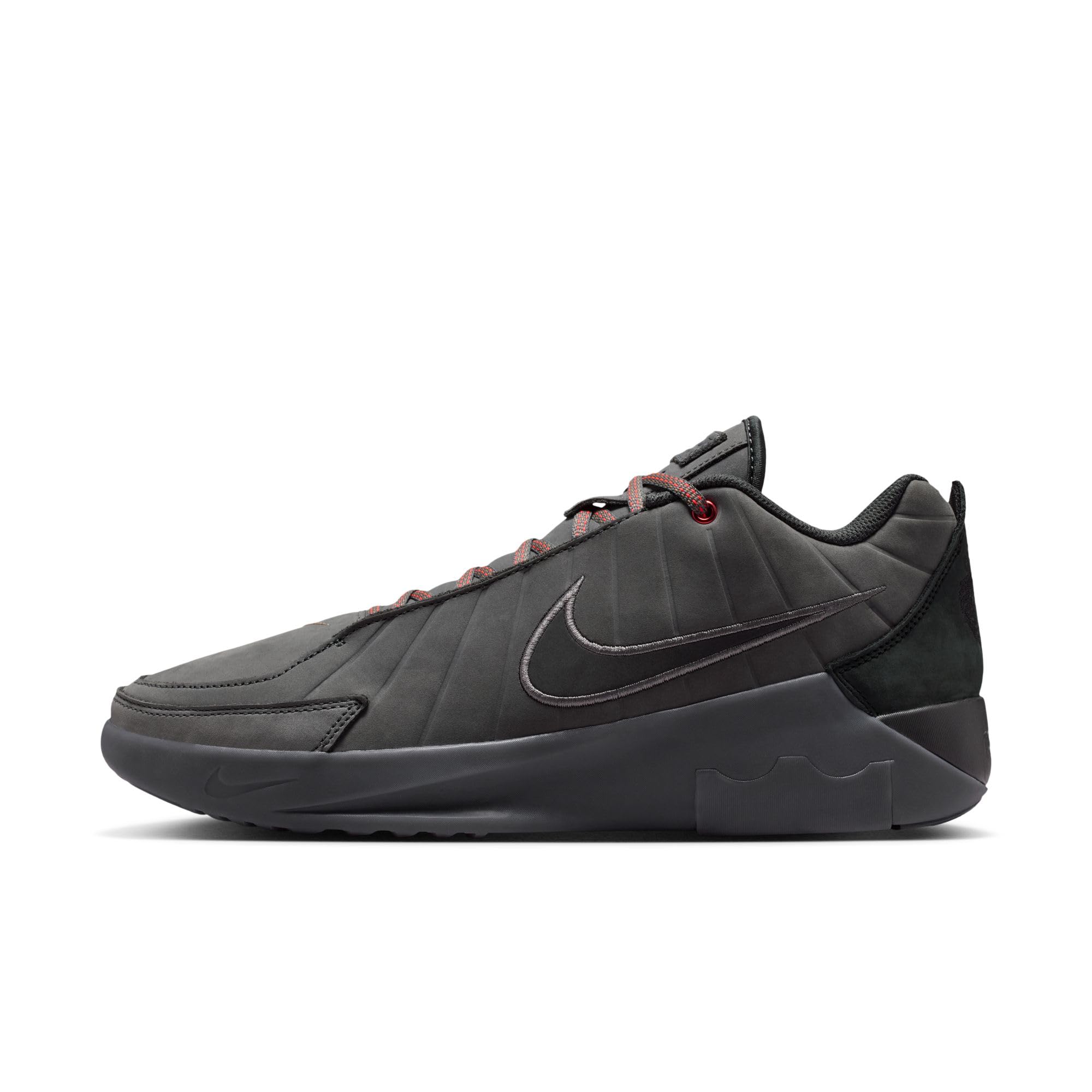


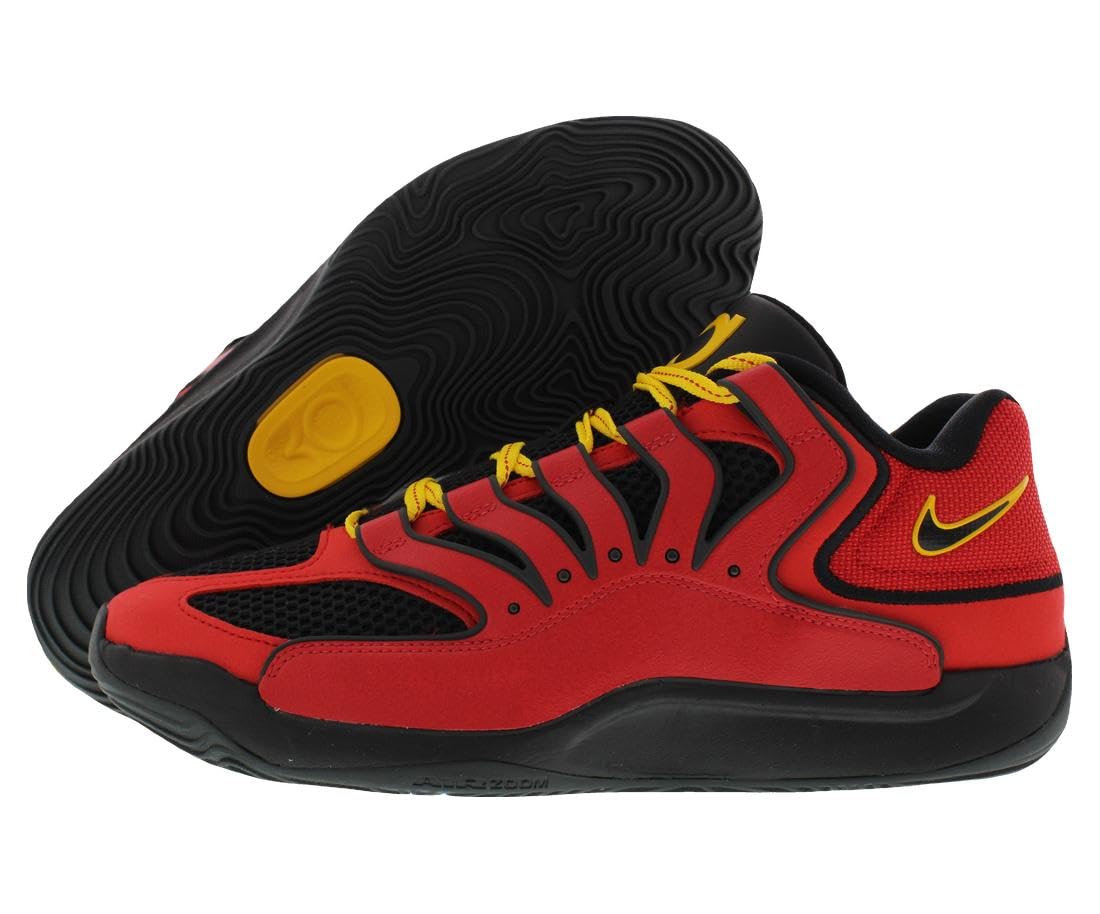

Basketball Shoes 101: The Basics
A basketball shoe is built for movement in every direction: forward runs, hard stops, side to side cuts, and repeated jumps. That is why it differs from a running shoe, which assumes mostly straight line motion. Support in this context has two parts. Ankle support means the shoe resists the foot rolling inward or outward during a cut or a bad landing. Knee support is indirect: the shoe absorbs landing impact and keeps the foot stable, so the knee tracks straighter instead of wobbling inward.
Know the basic parts before you shop. The collar is the opening around your ankle, and it comes in low, mid, and high cuts. The heel counter is the stiff cup that wraps your heel. The midsole is the cushioning layer, and the outsole is the rubber that grips the court. A shank or plate in the middle adds twisting stiffness. Readers who want the ankle side in more depth can see our guide to the best basketball shoes for ankle support.
Key Specs Explained in Plain English
Features That Matter for Ankle and Knee Support
Four features do most of the work. First, a firm heel counter locks the heel so the foot cannot slide and tilt inside the shoe. Second, a wide, stable base with a slight outward flare at the heel, often called an outrigger, gives the shoe a bigger footprint to resist rolling. Third, responsive cushioning in the heel and forefoot softens landing force before it reaches the knee. Fourth, a stiff midfoot shank stops the shoe twisting, which keeps ankle and knee aligned. When you press and twist a shoe in your hands, the supportive ones feel structured, not floppy.
Skill Level and Intended Use
Your playing load should drive the shoe, not your label. A casual player in one weekly game needs moderate support and good cushioning, and comfort matters most. A competitive player cutting hard five days a week needs the full package: strong heel counter, stable base, and durable traction. Bigger, heavier players load each landing with more force, so they should favor maximum cushioning and base width at any skill level. Guards who live on quick changes of direction should weight ankle stability heavily, while centers who jump in traffic should weight impact protection.
Materials and Construction
Uppers come in engineered mesh, synthetic leather, and knit builds. Mesh and knit breathe well and feel light, but for support you want reinforced zones around the ankle and midfoot, not a soft sock feel everywhere. Synthetic leather adds structure and durability at some weight cost. Midsoles use foams of different densities; firmer foam around the edges with softer foam in the center is a common support recipe. Outsoles should be solid rubber with a multidirectional pattern for outdoor courts, since thin or translucent rubber wears fast on concrete.
Value and Included Accessories
Support shoes span about $70 to $180. The lower end covers one weekly game well, while premium prices buy lighter builds, better foams, and longer lasting traction. Value improves when a shoe fits your orthotics or brace, since a pair that works with the gear you already own saves a second purchase. Some pairs include extra laces or a second insole, which helps fine tune fit. Spend first on fit and stability; a costly shoe in the wrong size supports nothing. Our wider guide to the best shoes for ankle support covers everyday options beyond the court.
Performance Characteristics
Traction is the performance spec that protects joints most. A sole that grips cleanly lets you stop without sliding, and sliding stops are where ankles roll. Look for a herringbone or similar multidirectional pattern with grooves that shed dust. Court feel matters too: a shoe that sits low and stable at the forefoot helps you sense the floor, while a tall, squishy sole can feel tippy during cuts. Forgiveness here means the shoe stays predictable when you land slightly off balance. If the base feels narrow or the heel feels soft and wobbly in a store test, it will feel worse at game speed.
Safety and Certifications
Shoes carry no medical certification, so judge safety by design and by your own history. Stop and see a doctor or physical therapist if you have swelling that does not settle in a day or two, repeated ankle rolls, a feeling that the ankle gives way, numbness, or knee pain that changes how you walk. Those signs point to problems shoes cannot solve, such as ligament damage or a cartilage issue. A brace prescribed or fitted by a professional can work alongside a supportive shoe, and many players who run also compare our guide to the best running shoes for knee and ankle support for their training days.
Rookie Mistakes to Avoid
- Believing a high collar alone prevents sprains. Collar height helps only when the heel counter, base width, and fit also do their jobs.
- Buying your running shoe size without trying the pair on. Basketball shoes run differently, and a loose heel invites the very rolls you want to avoid.
- Choosing the softest cushioning you can find. Very soft, tall foam can feel plush standing still and unstable during cuts, which stresses the knee.
- Ignoring your history. If you have sprained an ankle before, plan for a brace friendly fit instead of hoping a new shoe alone will hold you.
- Playing outdoors in thin indoor soles. Worn smooth tread slides on dusty concrete, and slides are a classic path to ankle and knee injuries.
Getting Started: Setup and First Use
Break new shoes in with two or three light sessions before a full game: shoot around, do mild drills, and check for hot spots or heel slip. Lace them firmly through every eyelet, including the top one, which many players skip even though it locks the heel into the counter. Store them out of direct sun and extreme heat, since heat breaks down midsole foam and softens glue. Check wear before each use: look at the tread under the heel and forefoot, press the heel counter for softness, and replace the pair when grip fades or the counter collapses.
FAQs
What features matter most in basketball shoes for ankle and knee support?
A firm heel counter and a wide stable base matter most. Together they stop the foot tilting, which is the motion behind most ankle rolls and much knee wobble. After those two, look for heel cushioning that softens landings and a stiff midfoot that resists twisting. Collar height ranks below all four, so treat it as a comfort preference rather than the main safety feature.
Does indoor or outdoor play matter for support shoes?
Yes, mainly through the outsole. Outdoor concrete chews soft rubber quickly, and worn tread means longer, sliding stops that load the ankle and knee badly. Outdoor players should choose harder rubber and deeper grooves, and accept a little extra weight. Indoor players can pick lighter builds with finer patterns, since clean hardwood grips easily and preserves the sole for far longer.
Is a premium support shoe worth it for a beginner?
It can be, if your joints are the reason you are shopping. Beginners with healthy ankles do fine in a mid priced supportive shoe. Beginners with a sprain history or aching knees gain more from premium cushioning and stability than from any other upgrade, because the shoe protects them while their strength and footwork develop. Fit still beats price: try both tiers on before deciding.
What size basketball shoe should I get for ankle and knee support?
Choose the size that holds your heel still with about a thumb width of room in front of your longest toe. Feet swell during games, so try shoes on in the afternoon or after a walk, wearing your game socks. If you play in an ankle brace, bring it to the fitting, since braces add real volume. Our guide to the best high top basketball shoes for ankle support explains collar fit in more detail.
How long do basketball support shoes last?
Most pairs support you well for about one season of regular play, roughly 300 to 500 hours of court time. Foam dies before the upper does: when landings start to feel harsh or the heel counter folds under thumb pressure, the support is gone even if the shoe looks fine. Outdoor play shortens life a lot, sometimes to a few months for a daily player.
Final Thoughts
Support comes from a system, not a single feature: a locked heel, a wide base, honest cushioning, and grip you can trust. Match that system to your load and your injury history, break the pair in gently, and compare your finalists in the product table above. Above all, talk with your clinician about your personal needs, especially after any sprain or lasting knee pain, before you rely on footwear alone. Chosen with that care, the best basketball shoes for ankle and knee support let you play harder with more confidence.


