
Best Athletic Shoes for Ankle Support: A Complete Guide for 2026
Disclosure: We may earn a commission when you buy through links on this page, at no extra cost to you. As an Amazon Associate I earn from qualifying purchases. Learn more

Learn how to choose athletic shoes for ankle support by collar height, stability, fit and activity, with clinician guidance notes for everyday use.
Ankle support in an athletic shoe comes from collar height, heel stability and lockdown working together, not from stiffness alone. This guide shows how to compare the best athletic shoes for ankle support for court sports, walking and hiking, so you choose a shoe that feels secure without restricting natural movement.
The product table lists mid and high top court shoes, volleyball shoes and mid cut walking options from several makers. Shoes can add stability and comfort, but they do not replace strength work or professional care after an injury, so this guide gives buying information only.


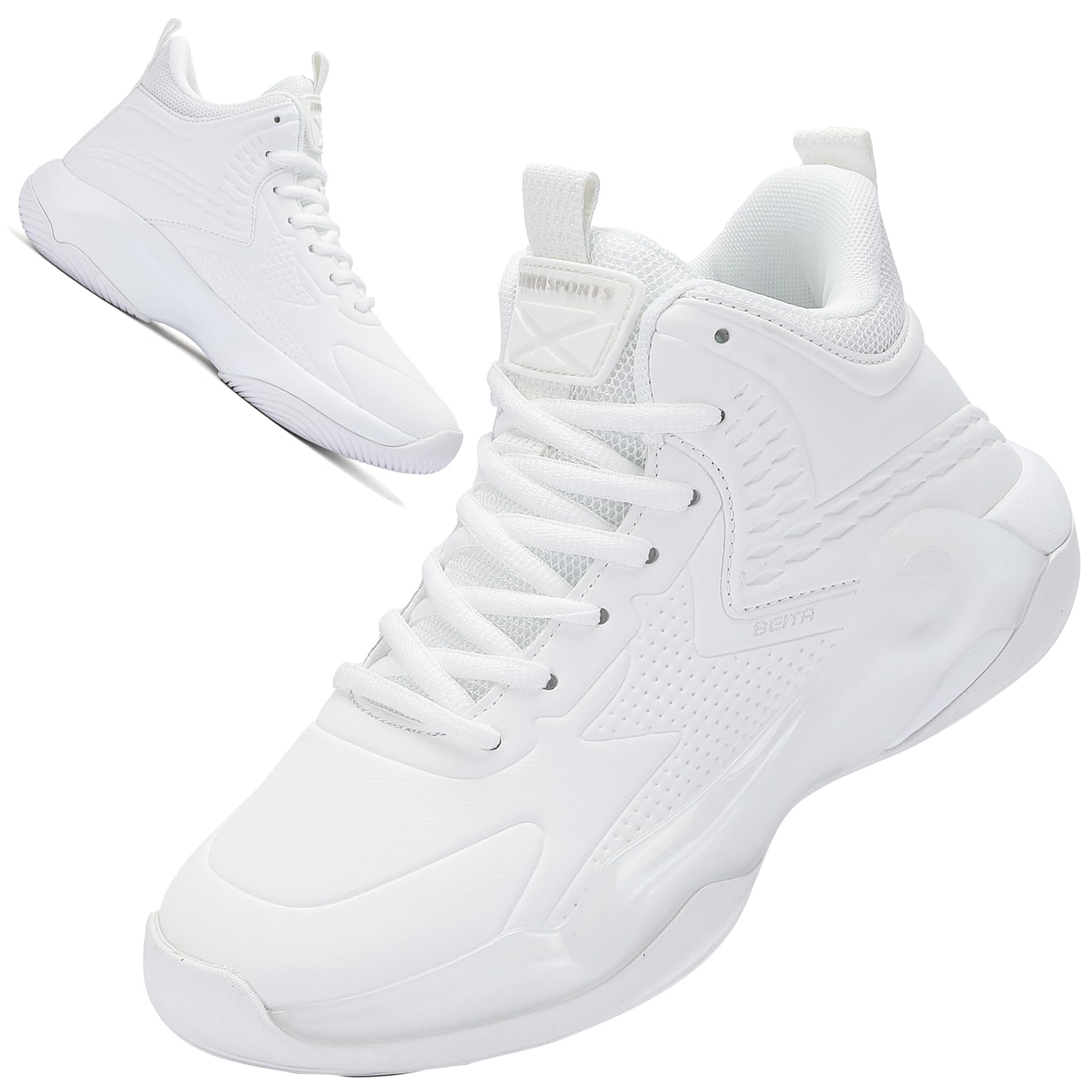
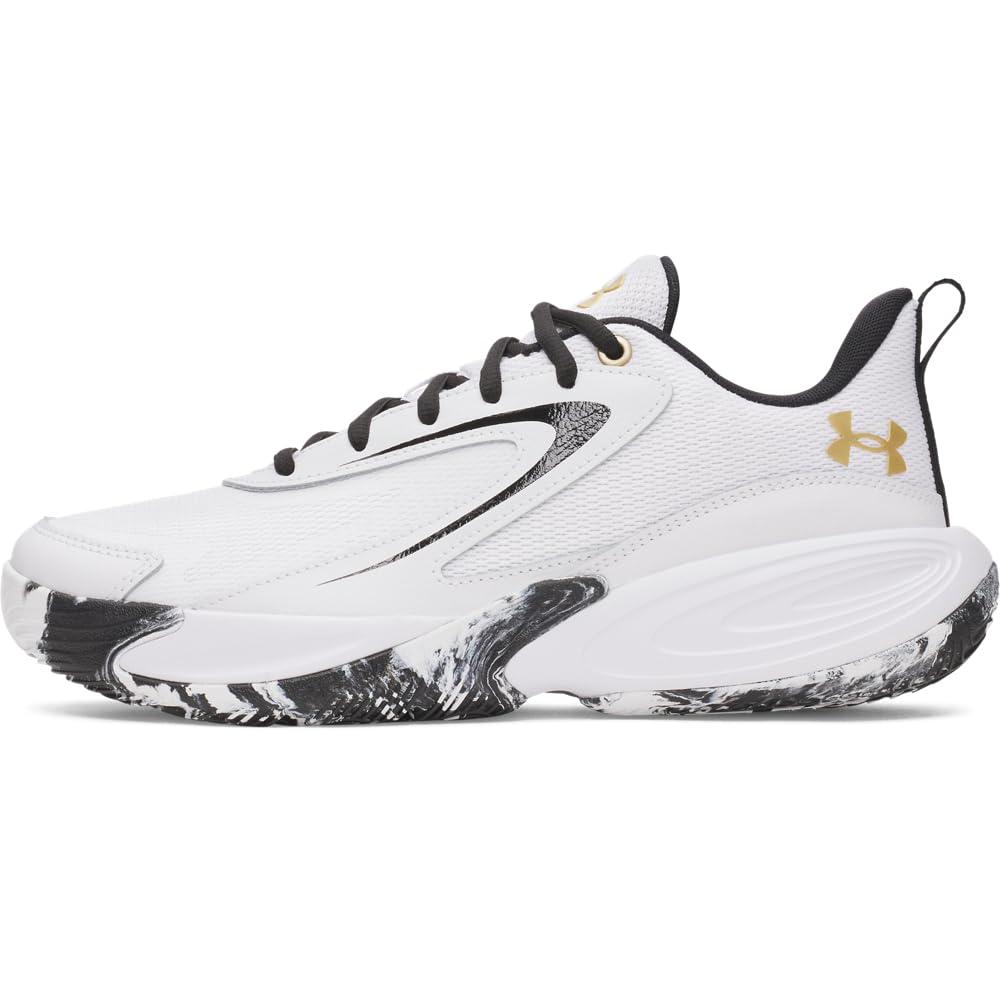


Which Buyer Are You?
Court sport players
Basketball and volleyball involve quick cuts, jumps and landings. Players often prefer a mid or high collar, a wide base and a firm heel counter that resists the foot rolling sideways. Look for outsoles with good grip for indoor courts.
Walkers and hikers
Uneven paths and long distances call for a stable sole, secure lacing and a supportive heel. A mid cut hiking or walking shoe adds coverage around the ankle bone and helps on rough ground, while a low cut trail shoe is lighter.
People returning to activity
If you are easing back after a break, choose shoes that feel secure without feeling rigid. Take advice from a clinician or physiotherapist about what level of support suits you, and build activity back gradually.
Key Features Explained
Collar height and padding
Mid and high collars add coverage and a sense of support around the ankle, and padding affects comfort. A collar that digs in at the ankle bone or gaps at the back will distract you, so try shoes with the socks you plan to wear.
Heel counter and lateral stability
A firm heel counter and a wide, flat base help resist rolling during cuts and uneven steps. Press the heel counter with your fingers: a stiff cup that holds its shape is a good sign.
Lacing and lockdown
Lace snugly from the toes upward and use the top eyelets, or a heel lock lacing pattern, to reduce heel slip. Good lockdown keeps the foot from moving inside the shoe, which matters as much as collar height.
Sole width and grip
A wider outsole and grippy rubber help balance on varied surfaces. Court shoes need non marking, high traction soles for indoor floors, while walking and hiking shoes need deeper lugs for dirt and wet ground.
Types Compared
| Type | Best For | Trade Off |
|---|---|---|
| Mid cut court shoes | Basketball, volleyball, quick cuts | Less collar coverage than high tops |
| High cut support shoes | Players who want maximum collar coverage | Heavier, can feel restrictive |
| Mid cut walking and hiking shoes | Uneven paths, longer distances | Warmer and heavier than low cuts |
Common Mistakes to Avoid
- Assuming a high top is enough. Fit, lockdown and heel stability matter as much as collar height.
- Choosing very stiff shoes. Rigid shoes can restrict natural movement, so balance support and comfort.
- Skipping the fit test. Walk, shift weight side to side and, if possible, jog briefly before you commit.
- Wearing worn shoes. Replace them when the heel counter collapses or the tread wears unevenly.
Care and Related Guides
Keep new shoes on the shelf for the first long session until you have worn them for short outings. Replace them when the midsole feels flat or the upper stretches. For related reading, see our guides to the best shoes for ankle support, the best basketball shoes for ankle support, the best running shoes for ankle support and the best walking shoes with ankle support.
When to Talk With a Clinician
If you have swelling that does not settle, a feeling of instability, numbness, or pain after a twist or fall, seek advice from a clinician. Shoes are one part of the picture, and a professional can advise on rehabilitation and bracing.
Frequently Asked Questions
Do high top shoes prevent ankle sprains?
High tops can add a sense of support, but strength, balance work and fit matter more than collar height alone. Ask a clinician about injury prevention.
What lacing helps with ankle support?
A snug midfoot lace with a heel lock loop reduces heel slip and improves lockdown without cutting off circulation.
Are stiff shoes better for weak ankles?
Very stiff shoes can feel secure but may restrict natural motion. Balance support with comfort and mobility, and follow professional advice.
Can insoles improve ankle support?
Insoles can improve fit and arch support, but they cannot replace a stable shoe or rehabilitation after an injury.
How long do court shoes last?
Regular players often replace them each season. Replace them sooner if the cushioning feels flat, the heel counter collapses or the traction fades.
Final Thoughts
Match collar height, heel stability and lockdown to your sport, and test the fit before committing. Compare options in the product table above, and the best athletic shoes for ankle support will feel secure and natural in motion. Ask your clinician about any ongoing symptoms.


