
Best Basketball Referee Shoes: A Guide for 2026
Disclosure: We may earn a commission when you buy through links on this page, at no extra cost to you. As an Amazon Associate I earn from qualifying purchases. Learn more
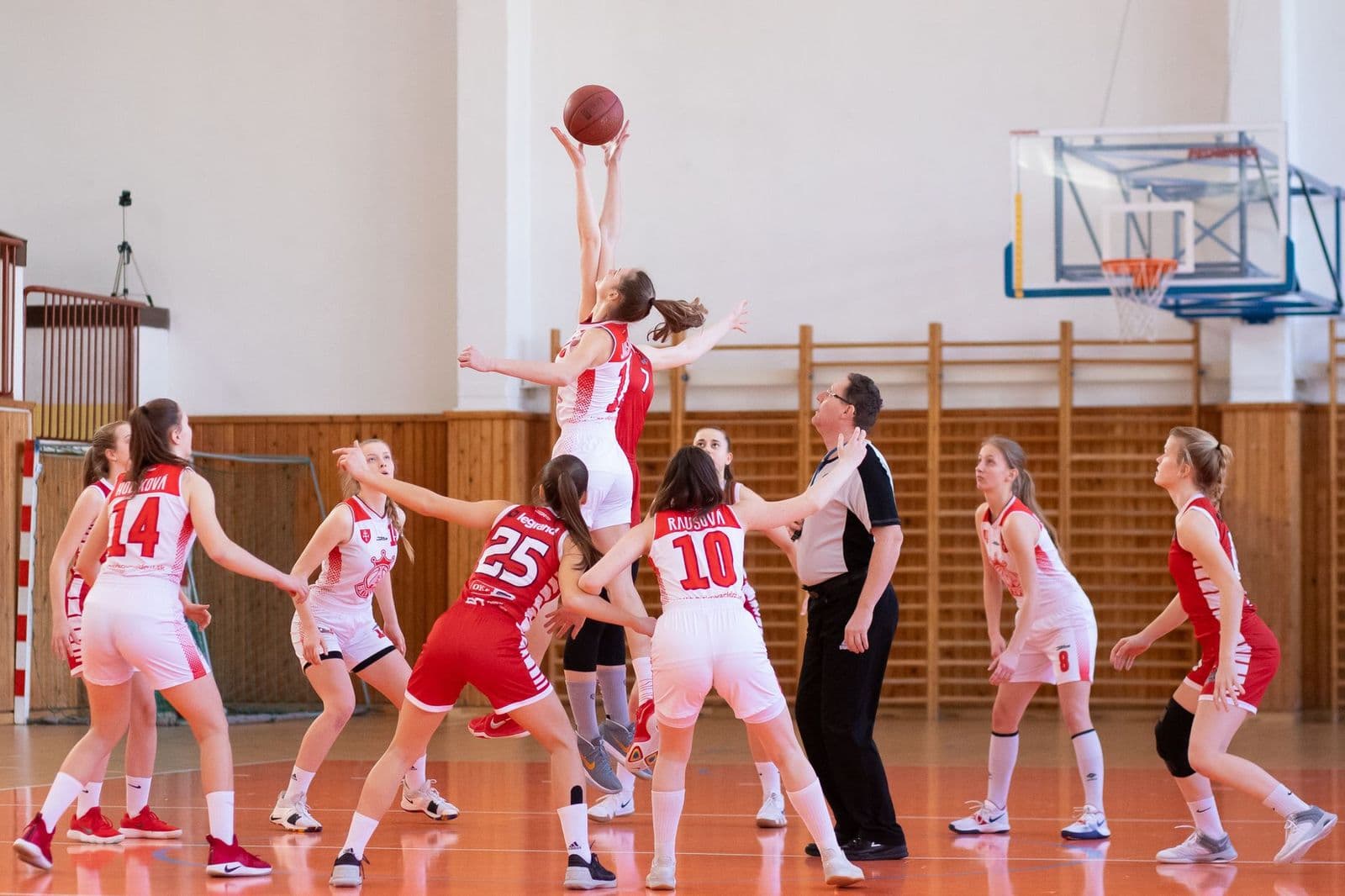
Grip, all game comfort, heel lock and dress code colors decide the best basketball referee shoes. Learn what to check before you buy.
Referees cover a full court for an entire game, often several games in a day, so the shoes matter more than most people expect. The best basketball referee shoes combine steady grip on polished wood, all game cushioning, a locked heel, and a plain dark look that fits league dress codes. This guide explains what to look for, how to check fit, and how to keep your shoes working through a long season.
Referee specific models are a small part of the footwear market, so many officials wear court shoes from regular basketball or training lines in black or another dark color. The checks below apply to either route.
What Referees Need From a Shoe
An official moves differently from a player. You run in both directions for long stretches, back pedal, plant to make a call, and pivot to follow the play, but you rarely jump. That means the priorities shift from jump cushioning and aggressive cuts toward steady comfort, predictable traction, and a stable base.
Think in four parts: grip, cushioning, support, and appearance. A shoe that handles all four is likely to stay comfortable through the fourth quarter of the last game of the night.
Types of Referee Shoes Compared
Dedicated Referee Court Shoes
Purpose built referee shoes are usually black leather or synthetic court sneakers with full grip outsoles, padded collars, and a plain finish. They suit officials who work many games and want a shoe designed around the job. They tend to favor comfort over flash, and they are easy to keep clean.
Low and Mid Top Court Shoes
Low and mid top basketball shoes in black or dark colors are a common choice. They are light and let you move freely, and many have good traction on wood. Choose a pair with a firm heel counter and no large logos if your league prefers plain footwear.
High Top Court Shoes
High tops feel supportive around the ankle, but extra height does not guarantee stability. A secure heel lock and a wide base matter more than collar height. Some officials find high tops warm and heavy over several games, so try the pair for a full session before relying on it.
Cross Training Court Shoes
Training shoes with flat, grippy outsoles can serve lower level games and multi sport officials. They are often lighter and more breathable than basketball shoes, but check that the outsole is made for indoor courts and does not mark the floor.
Key Features to Check
Grip on Polished Wood
Traction decides how safely you stop and start. Look for a rubber outsole with a fine pattern, such as herringbone, that grips polished wood without squeaking excessively. Wipe the soles with a damp cloth before games, because dust is the main cause of slipping.
Cushioning for Long Days
Officials absorb thousands of footsteps per game. A responsive midsole that does not flatten after a few weeks keeps your legs fresher. Very soft, thick cushioning can feel unstable on pivots, so look for a balance of comfort and court feel.
Support and Heel Lock
The shoe should hold your heel firmly while leaving room for the toes to spread when you stop. Use all the eyelets when you lace up, and consider a heel lock lacing pattern if you feel slipping. If you have ongoing ankle, knee, or arch pain, talk with a clinician or podiatrist about the right footwear.
Professional Appearance
Many leagues and associations expect dark, understated footwear, often black. Confirm the dress code for your league, because a bright shoe that fits well may still break the rules. A leather or synthetic upper that wipes clean helps you look sharp from the first game to the last.
Weight and Breathability
Lighter shoes reduce fatigue across a tournament day, and breathable uppers keep your feet cooler in a warm gym. Leather lasts longer and looks neat, while mesh panels add airflow. Choose the balance that suits the gyms you work.
Fit, Break In, and Everyday Use
Try shoes on late in the day, when your feet are at their largest, and wear the socks you use for games. You want about a thumb's width in front of the longest toe, a snug heel, and no pinching at the sides. Break the pair in with practice runs or a scrimmage before a full tournament, and test sprints, stops, and lateral shuffles before you rely on them.
Rotate two pairs if you work several games a week, which lets the midsoles recover and the insides dry. Dry shoes at room temperature, away from radiators and direct sun.
Common Mistakes to Avoid
- Wearing a running shoe, which favors forward motion and lacks the lateral support that court work needs.
- Choosing a bright player shoe for its looks, then finding it too stiff or too loud for league rules.
- Ignoring worn traction, which can slip on polished wood and raise the risk of a fall.
- Skipping a break in period before a full day of games.
- Buying on price alone without checking return terms for fit.
When to Replace Referee Shoes
Replace your shoes when the grip fades, the midsole feels flat, the heel stops locking, or you notice new aches after games. Worn shoes can slip on polished wood and increase fatigue. Check them regularly during the season, and keep a spare pair in your bag in case of a tear or a sudden change in conditions.
For related reading, see our guides to the best basketball shoes and the best outside basketball shoes.
Basketball Referee Shoes: Your Questions Answered
Are referee shoes different from basketball player shoes?
They share court grip and support, but referee shoes lean toward all game comfort and steady movement. Player shoes often favor jumping and explosive cuts, which matter less when you officiate for a full game.
What color should referee shoes be?
Most leagues expect dark, understated colors, often black. Confirm the rule for your league before buying, since a bright shoe that fits well may still break the dress code.
Do referees need high top shoes?
Not necessarily. High tops can feel supportive, but fit and heel lock matter more than collar height. Many referees prefer low or mid styles for lighter movement.
How should referee shoes fit?
Snug at the heel and midfoot, with room for toes to spread on stops. A shoe that slips at the heel or pinches the forefoot will distract you during a game, so try pivots and sprints before you commit.
Can I use running shoes for officiating?
It is better to use court shoes. Running shoes are built for forward motion and can feel unstable on lateral moves, while court shoes give the grip and side to side support officials need.
Final Thoughts
Choosing the best basketball referee shoes comes down to grip, all game comfort, a locked heel, and an appearance that meets your league's rules. Check fit and traction before every season, rotate pairs if you work often, and replace shoes when the grip fades.


