Best Beginner Watercolor Sets of 2026: Matching the Right Model to Your Routine
Disclosure: We may earn a commission when you buy through links on this page, at no extra cost to you. As an Amazon Associate I earn from qualifying purchases. Learn more
Compare pan and tube watercolor sets by pigment, colour range and paper needs, and pick a beginner set that makes practice simple and fun before you buy.
Watercolor painting rewards patience and light handling, because colour builds in transparent layers and mistakes are hard to hide. The best beginner watercolor sets differ in pigment quality, colour range, pan or tube format and paper needs, and those differences shape how enjoyable practice feels. This guide explains the basics in plain terms, so a beginner can start painting without buying a studio full of supplies.
Student grade paints use less pigment and more filler, which can look chalky when diluted, while artist grade paints hold colour better in washes. A beginner does not need artist grade everything, but a small set with decent pigment beats a huge set of weak colours. Paper matters just as much: thin copy paper buckles and pills, while proper watercolor paper holds washes and lets you lift colour. The product table lists current sets across the main formats.




Who Should Buy a Beginner Watercolor Set
Beginner watercolor sets suit adults trying painting for the first time, students, journal keepers and travellers who want a portable hobby. They suit people who enjoy gentle colour and layering, and families painting together with washable setups. They are less suited to people who want thick opaque paint or instant bold coverage, which suit gouache or acrylic better.
Types of Watercolor Sets
Pan Sets
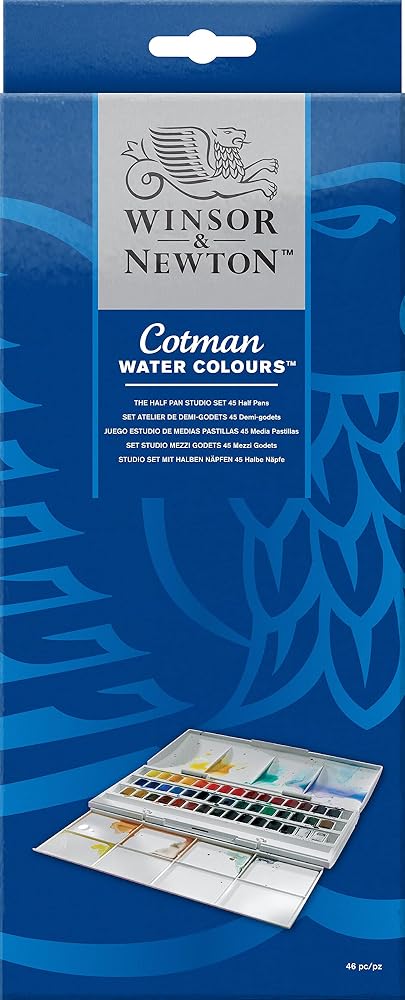
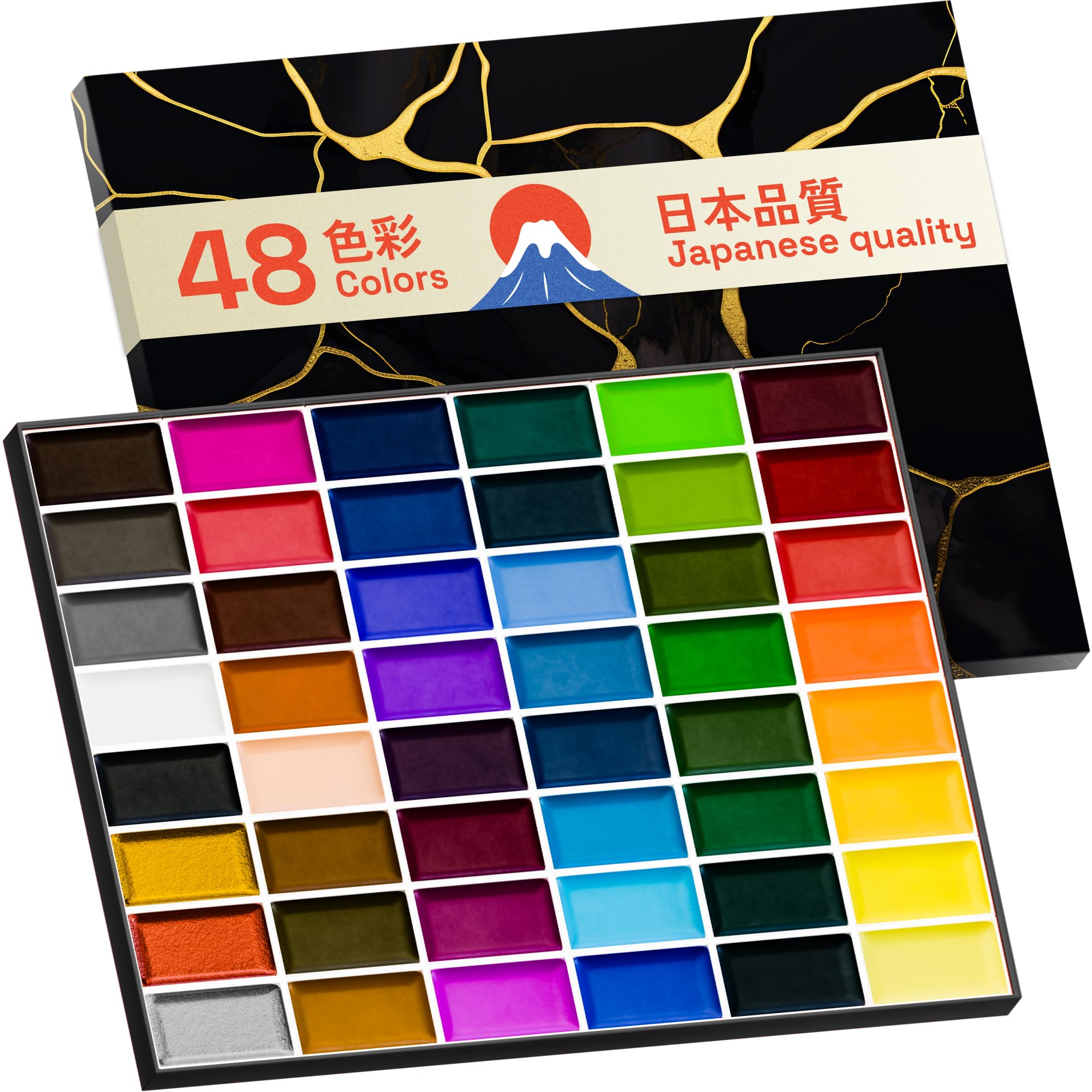
Pan sets hold dry cakes of paint in a compact box with a mixing palette. They travel well, last a long time, and suit sketching, journaling and travel painting.
Tube Sets
Tube sets hold wet paint that squeezes out in small amounts for larger washes. They suit studio painting and bigger sheets, though tubes can dry out if caps are left loose.
Travel Sets
Travel sets combine a small pan range, a water brush and a folding palette. They suit holidays and outdoor sketching, though colour range is smaller than a studio set.
Brush Pen Sets
Watercolor brush pens offer colour without water pots or palettes. They suit lettering and sketching, though blending and large washes are harder than with pans or tubes.
Key Features to Compare
Pigment and Transparency
Look for colours that stay clear in thin washes rather than turning muddy. A limited palette of strong colours teaches mixing better than a large set of weak ones.
Colour Range
A beginner palette needs warm and cool versions of red, yellow and blue, plus earth tones. Extra convenience colours help, but they should not replace learning to mix.
Paper Pairing
Use watercolor paper of a weight that stays flat when wet, and test colour on the same paper you will paint on. Colour looks different on smooth and rough surfaces, so a small test sheet saves frustration later.
Brushes and Water Control
A medium round brush and a flat wash brush cover most beginner work. Clean water, a rag and a palette for mixing matter as much as the paint itself. Keep two water jars, one for rinsing and one for clean water, so muddy rinse water does not dull fresh washes.
Portability and Storage
A box that closes securely and keeps pans in place suits travel and small homes. Check that the palette area is large enough for mixing, not only for holding pans.
How to Choose the Best Beginner Watercolor Sets
Start with a modest pan set, proper paper and two good brushes, then add colours only when you know what you miss. Compare the sets in the product table, and practice washes, gradients and simple shapes before tackling a full scene. If you paint with children, choose non toxic student paints, protect tables and clothes, and keep paint water away from drinking cups.
For a related comparison, see our guide to the best watercolor sets, which covers a neighbouring choice many buyers compare before deciding.
Common Mistakes to Avoid
Buying the Biggest Set First
A huge set can overwhelm a beginner and hide weak pigments behind sheer numbers. A smaller set with better colour teaches mixing and control faster.
Using the Wrong Paper
Thin paper buckles, tears and makes washes look patchy. Proper watercolor paper costs more per sheet, but it makes learning far less frustrating.
Overworking a Wash
Scrubbing wet paint repeatedly lifts paper fibres and muddies colour. Lay a wash, leave it to dry, and add the next layer only when the first is dry.
Caring for Your Paints and Brushes
Set aside short regular practice rather than rare long sessions, since water control improves with repetition. Keep a swatch chart of your colours, label mixes you like, and store pans dry with lids closed.
Rinse brushes gently in clean water after each session, reshape the tips with your fingers, and store brushes upright or flat rather than resting on their tips in a jar. A damaged tip makes clean lines and smooth washes harder than they need to be.
Frequently Asked Questions
Are pan or tube paints better for beginners?
Pan sets suit most beginners because they are portable, easy to control and long lasting. Tube paints suit larger washes and studio work, though they need more care to avoid waste and drying.
How many colours does a beginner need?
A palette of about eight to twelve colours covers most mixing needs, including warm and cool primaries. Extra colours are useful later, once you know which mixes you use most.
Why does my paper buckle when wet?
Thin paper absorbs water and expands unevenly, so it buckles and dries wavy. Heavier watercolor paper, taping edges and lighter washes reduce buckling, though some waviness is normal.
How do I keep watercolors from looking muddy?
Use clean water, limit the number of colours in one mix, and let layers dry before adding more. Muddy colour often comes from overmixing or scrubbing a wet wash repeatedly.
Can I use watercolor pens instead of paints?
Brush pens suit sketching, lettering and travel, and they are easy to control. They are less flexible for large washes and subtle layering than pan or tube paints, so many painters use both.
Final Thoughts
Begin with a small honest set, good paper and regular practice, and let your palette grow with your skills. Compare the product table above, keep early paintings simple, and enjoy learning how water and pigment behave. The best beginner watercolor sets make painting inviting, not a shopping problem.