Best Basket Air Fryer: Sizes, Types and Buying Tips (2026)
Disclosure: We may earn a commission when you buy through links on this page, at no extra cost to you. As an Amazon Associate I earn from qualifying purchases. Learn more

Capacity, counter space and easy cleaning decide the fit. Compare three basket styles to find the best basket air fryer for your household.
Picture a weeknight in a real kitchen. The counter already holds a coffee maker, dinner needs to happen fast, and nobody wants a pile of pans to wash. That is when a basket model earns its place, and choosing the best basket air fryer for your home comes down to fit more than features. The comparison table below lines up the main basket styles side by side so you can start with the size that matches your space.
This guide helps you choose by counter room, household size, and ownership cost. If you are still weighing every style, see our guide to the best air fryer for the wider picture before you narrow in on a basket.




Quick Answer: Three Basket Styles That Cover Most Homes
Nearly every basket model falls into one of three groups, and picking your group first makes the rest simple. The best basket air fryer for you is the one that matches your household, because a model that fits your routine gets used daily instead of stored away.
- Compact, about 2 to 4 quart: small footprint, fast for snacks, easiest to store.
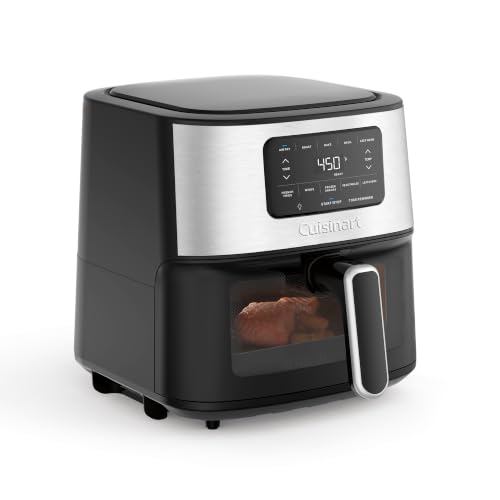
- Standard, about 5 to 6 quart: room for a family dinner in one load, still light enough to move.
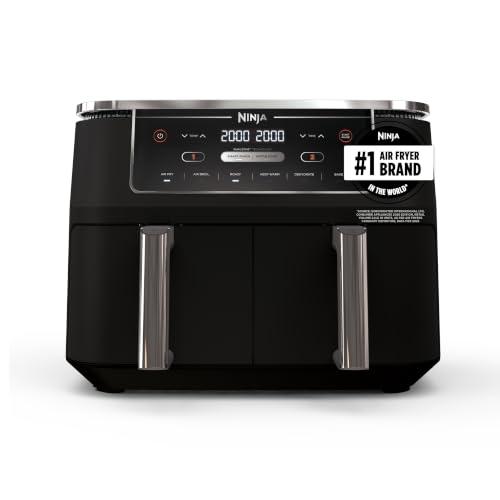
- Large or dual basket, about 8 to 10 quart total: one wide basket or two zones for big batches.
Before You Buy: A Quick Checklist for Choosing a Basket Air Fryer
Work through the points below before you look at any single model. Each one rules out a common source of regret, from a basket that swallows your counter to a capacity figure that cooks far less than expected.
Size: Match It to Your Space and Your Household
Capacity is listed in quarts, but what matters is how much food cooks in a single layer with air moving around it. A 2 to 4 quart basket handles one or two portions and suits singles, couples, and small kitchens. A 5 to 6 quart basket is the practical middle for three to five people, since it fits a family portion of fries or chicken pieces without stacking. Models at 8 to 10 quarts serve larger families and batch cooking. Stated capacity covers the whole basket, while the flat cooking surface decides how much you can spread out.
Which Type Fits Your Routine
A single basket is the simplest choice and the easiest to clean, and it suits households that cook one dish at a time. A dual basket lets you cook two foods at different settings and finish them together, which helps when dinner has a main and a side. Material matters too. If you want to avoid coated surfaces, our guide to the best non toxic air fryer explains the coating questions. A glass basket is another route, and the best glass air fryer options let you watch food cook without opening the basket.
Features Worth Paying For, and Ones to Skip
A shake reminder is useful, since turning food partway through gives you even browning. A viewing window helps for foods that go from golden to dark quickly. Presets are convenient only for the foods you actually cook, so count those rather than the total. A dehydrator setting, a rotisserie function, and specialty programs are worth skipping for most homes, since they add cost and panel clutter many owners use once and never again.
Wattage, Power, and Energy Use
Most basket models draw power in the range of a small oven appliance, with compact units at the lower end and large units at the higher end. What matters at home is your circuit, since running one alongside a microwave or a kettle on the same circuit can trip a breaker. A basket model also heats a small space instead of a full oven cavity, so for small portions it usually uses less energy than a large oven cooking the same food.
Safety Features and Certifications
Look for a listing mark from a recognized testing body such as UL or ETL, which shows the model was checked against safety standards. An automatic shutoff that pauses cooking when you pull the basket out is worth having, and so is a handle that stays comfortable to grip. Stable feet matter too, because you pull the basket toward you with some force when food is done. Keep the unit back from the counter edge, and treat the basket as hot cookware every time.
Counter Space and Dimensions
Measure before you order. Note the footprint, then check the height against the gap under your upper cabinets, because many kitchens have less clearance than tall models need. The basket pulls forward, so you also need clear space in front and a heat safe spot to set the hot basket down. If the fryer will live in a cabinet, weigh it and check the cord length as well. A model that is awkward to lift gets left out permanently.
Realistic Budget Ranges
At under $50 you generally get a small basket and simple controls, which is enough for one or two people. In the range of about $50 to $100, baskets grow to family friendly sizes and build quality improves. Between about $100 to $200 you find dual baskets, larger capacities, and windows. Above about $200, you pay for capacity and finish rather than dramatically different cooking, so spend there only when the size solves a real problem.
Basket Types Compared: Choosing by Home and Household
With the checklist done, match your home to one of the three groups below. Each group covers who it suits and the trade off you accept, so you can shop inside one group.
Compact Baskets for Singles, Couples, and Small Kitchens
A compact basket heats fast, uses little counter room, and washes up quickly, which suits apartments and small households. You give up batch size, so a big snack spread means cooking in rounds. Portions for two and frozen sides are exactly its strength. If this sounds like your kitchen, our roundup of the best small air fryer models covers only this size range.
Standard Baskets for Families of Three to Five
The standard 5 to 6 quart basket is the group most homes should start with. It fits a whole family portion for dinner, the basket still fits in most sinks, and the unit is light enough to shift when you wipe the counter. The trade off is counter presence, since this size usually lives out full time. For families who cook most nights, that spot earns its keep quickly.
Large and Dual Baskets for Big Households
Large single baskets and dual basket models solve two different problems. A large single basket gives you one wide surface for a big batch of wings or vegetables. A dual basket splits that space into two zones, so a main and a side cook at different settings and finish together. These units are wide and heavy, and a dual basket means two baskets to wash. Choose this group for household size, not as a just in case upgrade.
How to Evaluate a Basket Air Fryer Before You Order
Start with manufacturer specifications for capacity and dimensions, since those numbers decide fit. Then read verified buyer reviews for how the model behaves after months of use, especially coating wear, fan noise, and controls. Weigh cleaning honestly, because a basket you dread washing will quietly end the habit. Check the warranty and whether a replacement basket is sold separately. A model with an available replacement basket can stay in service far longer, and that matters more than a longer preset list.
Basket Models Compared With Other Air Fryer Styles
A basket model is a single purpose tool, and that focus is its strength. Food sits in one compact space with strong airflow, portions cook fast, and there is little to learn. An oven style model holds more and handles trays and baking better, but it takes more counter room and more time to preheat and clean. The breakdown in our air fryer vs toaster oven comparison helps if counter space decides it. Choose the basket when speed comes first, and the oven style when you cook several items on trays at once.
Common Mistakes to Avoid
- Buying by stated quarts alone: the flat cooking surface is smaller than the headline capacity suggests, so a too small basket means crowded food that steams instead of crisping.
- Skipping the cabinet clearance check: a unit that cannot sit under your upper cabinets or vent properly ends up blocking counter space you use daily.
- Overfilling the basket: piling food in layers blocks airflow, so the top browns while the bottom stays pale and soft.
- Paying for programs you will never run: specialty settings add cost and panel clutter without changing the dinners you actually cook.
- Ignoring replacement part costs: a worn basket you cannot replace turns a working appliance into a full replacement purchase.
Cost of Ownership and Care
Running costs stay modest. Electricity for a dinner session costs far less than heating a full oven, and ongoing expenses are mostly optional, such as liners. Wash the basket and tray once they cool, wipe the interior, and keep the heating area free of grease buildup. Our walkthrough on how to clean an air fryer covers deep cleaning for stubborn residue. Never use metal tools on a coated basket, since a damaged coating is the most common reason these machines get replaced early.
FAQ
How long does a basket air fryer usually last?
With regular home use, a basket model commonly serves for several years, and the coating usually wears first. Let food release naturally instead of prying at it, and wash the basket once it has cooled rather than plunging it into cold water while hot. When the coating starts to flake, price a replacement basket first, since replacing it often restores performance for much less than a new machine.
Are basket air fryers worth it if you already own an oven?
For many homes, yes, and the reason is portion size rather than cooking quality. Heating a full oven for two portions of fries takes longer and warms the whole kitchen, while the basket reaches temperature in a few minutes and gives leftovers a crisper finish than a microwave. If you mostly cook large sheet pan meals for six or more people, the oven already does that job well, and a basket model adds little beyond reheating duty.
What size basket air fryer does a family of four need?
Most families of four land happily with the standard size discussed above, but one check adds certainty. Picture your largest regular load, such as a full bag of frozen fries, spread in a single layer. If that looks crowded, move up one size rather than planning two rounds every night. A crisper tray or divider insert also reduces usable space slightly, so families who rely on inserts should count that loss when choosing between two close sizes.
Can you cook raw meat safely in a basket air fryer?
Yes, raw meat cooks safely in a basket model as long as you judge doneness by temperature rather than color or time alone. Use a food thermometer in the thickest part and follow current USDA temperature guidance for that meat. Juices and cutting a piece open are unreliable checks, especially with chicken and ground meat. Resting the meat briefly after cooking also helps the juices settle while you plate the rest of dinner.
Does a basket air fryer have to stay out on the counter?
No, and many owners store theirs in a cabinet or pantry between uses. Let the unit cool fully before you move it, since a warm basket can mark shelves and trap steam smells in a closed space. Loop the cord so it does not catch on the handle when you lift the machine out. If you cook with it daily, though, try it on the counter for a week first, because a model that is easy to reach gets used far more often.
Final Thoughts
Start with your group. Compact baskets serve small households, standard baskets fit most families, and large or dual baskets suit big households cooking two dishes at once. Run the checklist on size, type, power, safety, and budget, then compare finalists in the product table above on cleaning and replacement parts. Chosen that way, the best basket air fryer for your home fits your counter, feeds your household in one load, and stays easy to wash.