Best Basic Android Phones at Every Price: What Your Money Really Gets You for 2026
Disclosure: We may earn a commission when you buy through links on this page, at no extra cost to you. As an Amazon Associate I earn from qualifying purchases. Learn more

Compare the best basic android phones at every price point, and learn what budget, mid range, and premium models really give you for everyday use.
Android phones span a huge price range, from simple models that cost about as much as a nice dinner out to flagships that rival a laptop. If all you need is calling, texting, email, maps, photos, and a handful of everyday apps, paying for flagship power is wasted money. The trick is knowing which corners the cheap models cut, and which of those cuts you will actually feel.
This guide walks through the best basic android phones by budget, so you can see what each price level realistically delivers and where extra spending stops mattering. Start with the comparison table below, then read on for the tiers, features, and long term costs that shape a smart purchase.


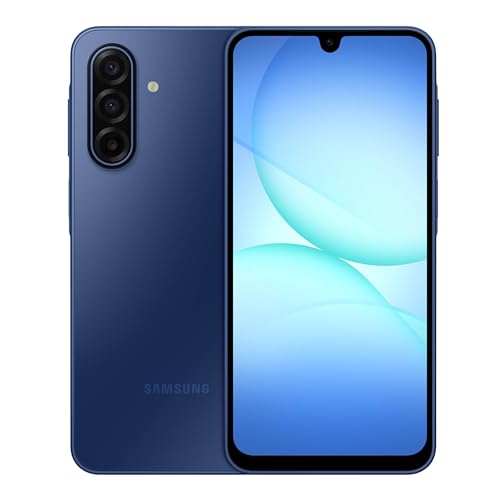
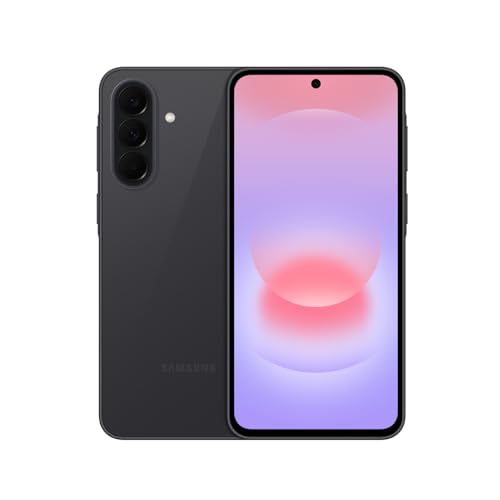
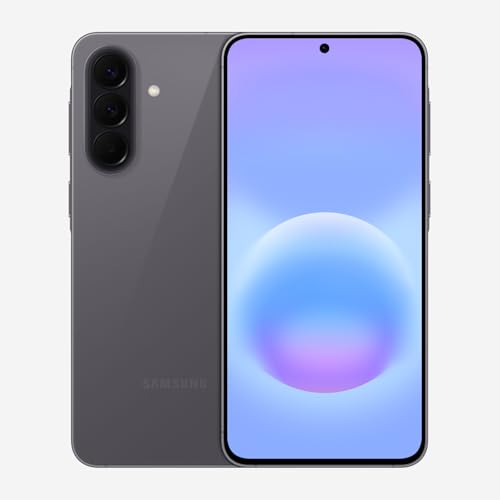

Who a Basic Android Phone Suits Best
Basic does not mean bad. It means a phone built around the essentials, with a clear screen, dependable battery life, and software that stays out of your way. The groups below share one thing in common: their daily use never pushes a phone hard.
Everyday Callers and Texters Who Want Simplicity
If your phone life is calls, messages, email, weather, and the occasional web search, almost any current budget model handles your day with ease. What matters most to you is a readable screen, loud and clear call audio, and a home screen you can arrange in large, easy to tap icons. Look for a clean software layout with few preloaded extras, because a cluttered phone slows down simple tasks. A model with a headphone jack can also help if you still use wired earbuds for calls.
Light App Users Who Care Most About Battery Life
Maybe you use maps, a banking app, a grocery list, and social media, but you never game and rarely shoot video. For you, battery life beats processor speed every time. A large battery paired with a modest screen and an efficient chip can stretch to two days between charges, which matters more than a fast benchmark score. If top end speed is your priority instead, see our guide to the best performing android phones to understand what that extra power actually buys.
First Time Smartphone Owners and Backup Phone Buyers
A basic model makes a forgiving first smartphone, since there is less to configure and less money at risk if it gets dropped or lost. The same logic applies to a backup phone kept in a glove box or travel bag for emergencies. In both cases, choose a phone that is unlocked, uses the common USB C charging standard, and will keep receiving security updates for several years. A phone that sits in a drawer still needs current software the day you finally switch it on and sign in.
What Your Money Gets You at Each Price Tier
Price tiers in the Android world are not just about speed. Each step up usually buys a better screen, a longer update promise, and a more capable camera, while the basics of calling and messaging barely change. Here is how the levels of the best basic android phones break down on Amazon in the US.
Budget Tier: What to Expect
Budget phones, about $100 to $250, cover the essentials well. Expect a large LCD screen, a battery around 5000 mAh, and enough storage for apps and photos if you are not a heavy camera user. Tradeoffs show up in slower charging, plastic bodies, modest low light photos, and shorter software support, sometimes only two or three years. For the tightest budgets, see our guide to the best inexpensive android phones for how the lowest priced models compare on basics.
Midrange Tier: More Speed and Longer Support
Mid range phones, about $300 to $500, are where most basic buyers should aim if the budget allows. You typically gain an OLED screen, a faster and smoother display, quicker charging, and a noticeably better main camera. Just as important, update promises stretch longer at this level, so the phone stays secure and usable for more years. Performance headroom also means the phone still feels responsive after a couple of years of app updates.
Premium Tier: Flagship Extras Beyond the Basics
Premium models at about $700 and up add things basic users may never miss: the brightest screens, wireless charging, top tier water resistance, zoom cameras, and the longest update windows in the business. Call quality, texting, and everyday apps feel much the same as on a good mid range phone. Spending this much makes sense if you keep a phone for five years or more, or want the best camera for family photos.
Features Worth Paying For, and Ones to Skip
Spec sheets are long, but only a handful of features change daily life with a basic phone. This section sorts the ones that deserve your money from the ones that mostly exist to fill a marketing checklist.
Display Size and Quality
The screen is the part of the phone you look at all day, so it deserves priority. OLED panels give deeper blacks and better contrast than the LCD panels common on budget phones, and they stay easier to read outdoors when brightness is high. Refresh rate describes how many times the screen redraws each second: 60Hz is standard, while 90Hz or 120Hz makes scrolling look smoother without changing what the phone can do. A size around 6.1 to 6.7 inches balances readable text against one hand comfort for most people.
Build, Durability, and Water Resistance
Most basic phones use plastic frames and backs, which are light and shrug off small drops well, though they feel less solid than glass and metal. Water resistance is described by an IP rating: splash resistant models handle rain and spills, while IP68 rated phones survive full immersion for a limited time and depth. Higher ratings cluster at mid range and premium prices. Whatever you buy, budget for a case and screen protector, because no rating protects a screen from a cracked corner after a fall onto concrete.
Software Updates and Support Window
Software updates may be the most underrated buying factor of all. Each phone gets two kinds: version updates that add features, and security updates that patch flaws. Support windows vary widely, from about two years on the cheapest models to seven years on some flagships. A phone that stops receiving security patches becomes risky for banking and shopping apps, so a longer promise directly extends the safe working life of the device. Check the promised number of years before buying, not after, because it rarely appears on the box.
Battery Life and Charging Speed
Battery capacity is measured in mAh, and most phones in this class land between 4500 and 5500 mAh. In practice, screen size, refresh rate, and signal strength matter as much as the raw number, so treat mAh as a rough guide rather than a verdict. Charging speed is the clearer upgrade: budget models may take two hours to fill, while mid range phones with faster wired charging can recover half a battery in about thirty minutes. Wireless charging remains mostly a premium extra and adds little for basic use.
Camera System
For everyday photos of family, pets, and documents, the main camera is what counts, and mid range main cameras now handle daylight shots very well. Night mode, which combines several exposures into one brighter image, is the feature that most improves casual photos after dark. Extra lenses vary in value: an ultrawide helps with group shots and interiors, while the low resolution macro lenses on many budget phones add little. Video tops out at smooth, stable footage on pricier models, but basic recording is fine for short clips.
Making a Basic Phone Feel Like Your Own
A new phone feels generic until you arrange it around your habits. Android lets you place your most used apps and information right on the home screen, so calls, messages, weather, and your calendar are one tap away. If you want glanceable information without opening apps, see our guide to the best widgets for android phones for ideas that suit simple setups. A clear photo backdrop also helps icons stand out, and our guide to the best wallpapers for android phones covers options that keep text readable.
Long Term Costs to Factor In
The sticker price is only the start. Many phones now ship without a charger in the box, so a suitable USB C charger and cable may add around $20 to $35. A case and screen protector add a little more, and a battery replacement after three or four years can cost about $50 to $100 if you keep the phone that long. Cloud storage for photo backups is another small monthly cost once free tiers fill up. Finally, a longer software support window is itself a saving, because a phone that stays secure for six years costs far less per year than a cheaper phone replaced after three.
Common Mistakes to Avoid
- Buying the cheapest phone with a short update window, so it becomes unsafe for banking apps long before the hardware wears out.
- Choosing storage that is too small, so the phone fills with photos and starts refusing updates within the first year.
- Paying flagship prices for camera zoom and gaming power that your everyday use will never touch.
- Skipping the check for carrier compatibility, so the phone arrives and cannot use the bands your network relies on.
- Ignoring charging speed, so a huge battery takes hours to refill before a trip or a long day out.
- Forgetting the cost of a case, charger, and screen protector, so the real total lands well above the listed price.
Care and Maintenance for a Basic Android Phone
Simple habits keep a basic phone running well for years. Restart it every week or two to clear temporary glitches, and install updates promptly, since they often include fixes that improve stability as well as security. Keep at least a few gigabytes of storage free, because a nearly full phone slows down and can fail to install updates. Clean the charging port gently with a dry, soft brush if charging becomes unreliable, and avoid leaving the phone in a hot car, since heat ages the battery faster than normal use. If the battery health drops sharply or the phone starts shutting down at random, that is the sign to price a battery replacement or a new phone.
FAQ
Do basic Android phones need 5G?
Most basic Android phones do not strictly need 5G, but buying a 5G model is the safer long term choice. Everyday tasks like calls, messages, email, and maps run fine on 4G LTE, and coverage, not the phone, decides your real speeds. One point worth checking: some carriers are slowly shifting capacity toward 5G, so a 5G phone is less likely to feel outdated on your network three or four years from now.
How many years of software updates should a basic Android phone get?
A basic Android phone should get at least three years of security updates, and four or more is better. Version updates matter less for basic use, since core apps update separately through the app store. Before buying, search the exact model name plus the words update policy on the maker website, because two phones at the same price can differ by several years of promised support, and that difference decides how long the phone stays safe to use.
How much storage does a basic Android phone need?
Most basic users do well with 128 GB of storage on an Android phone. That covers the system, a typical set of apps, offline maps, music, and a growing photo library without constant cleanup. If you shoot a lot of video or keep large game files, step up to 256 GB. Some budget models accept a microSD card for photos and media, which is a cheap safety net, though apps themselves usually stay on internal storage.
Should you buy a basic Android phone unlocked?
Yes, buying a basic Android phone unlocked is usually the better move for basic users. An unlocked phone works on any compatible carrier, makes switching networks or using a local SIM while traveling simple, and avoids carrier installment plans that can outlast the phone itself. Before ordering, confirm the listing states factory unlocked rather than carrier unlocked after a payoff, and keep the return window in mind in case your carrier bands do not match.
Is a mid range Android phone good enough for everyday basics?
Yes, a mid range Android phone is good enough for everyday basics for the large majority of people. Calls, messaging, browsing, banking, maps, and social apps all run smoothly, and the cameras handle family photos well. The gaps versus premium models show up in extreme low light photos, heavy gaming, and very long zoom shots. If none of those sound like your life, the mid range is where your money works hardest, especially given the longer update support at this level.
Final Thoughts
Choosing well comes down to three things: a screen you enjoy reading, a battery that comfortably clears your day, and a software support window long enough to keep the phone safe for years. Match those to your tier using the product table above, and the rest of the spec sheet matters far less than it first appears. The best basic android phones are not the ones with the longest feature lists, but the ones that quietly handle your routine and keep doing it long after the box is recycled.