
Best Baseboard Thermostat of 2026: Complete Buying Guide
Disclosure: We may earn a commission when you buy through links on this page, at no extra cost to you. As an Amazon Associate I earn from qualifying purchases. Learn more

Match the best baseboard thermostat to your heaters: voltage, wattage, wiring, and control style explained in plain language.
A room that swings between chilly and stuffy usually has a thermostat problem, not a heater problem. Old mechanical controls can drift several degrees, waste electricity, and leave baseboard heaters running longer than needed. Choosing the best baseboard thermostat starts with one fact many buyers miss: electric baseboard heaters need a line voltage thermostat built for their voltage and wattage, not a standard low voltage model.
This guide explains load ratings, wiring, accuracy, and control types in plain terms, so you can match a thermostat to your heaters safely. Look at the comparison table below first, then check your heater ratings against the buying guide that follows.

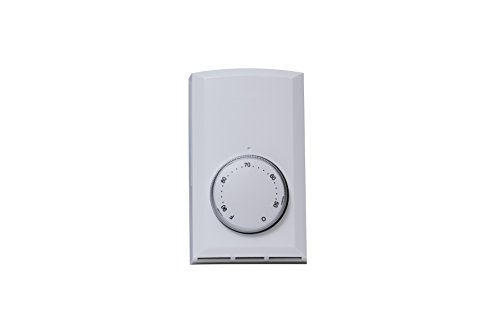
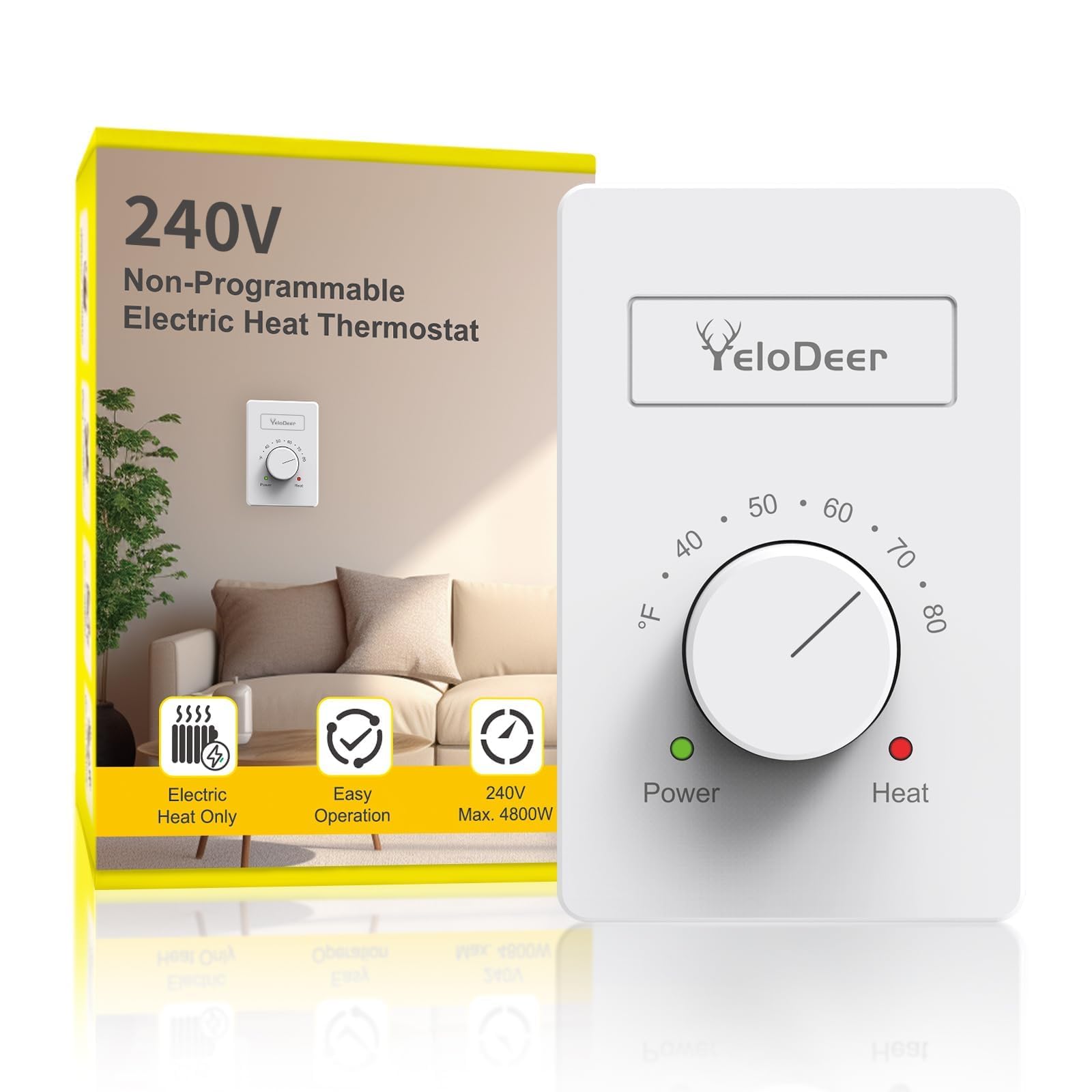

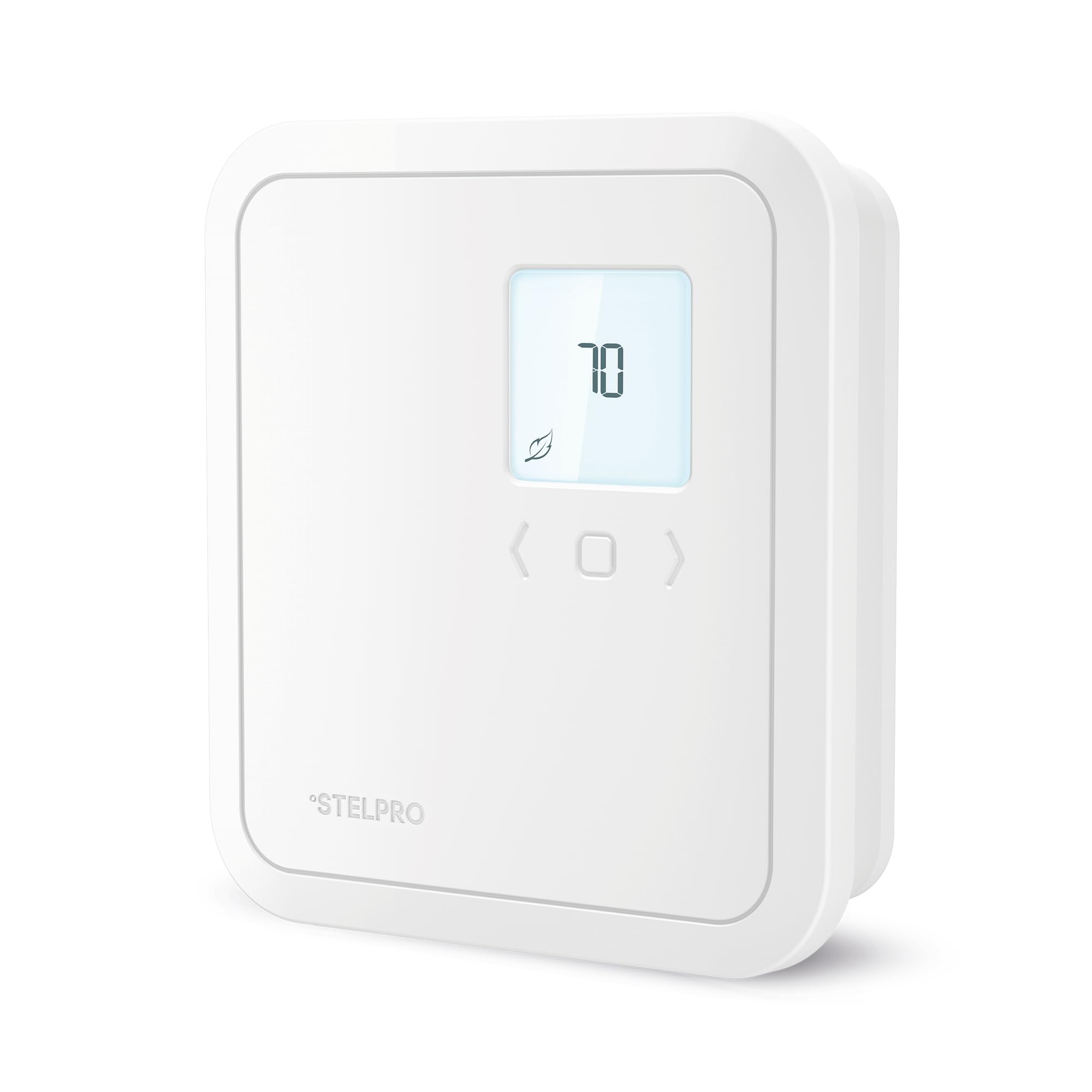
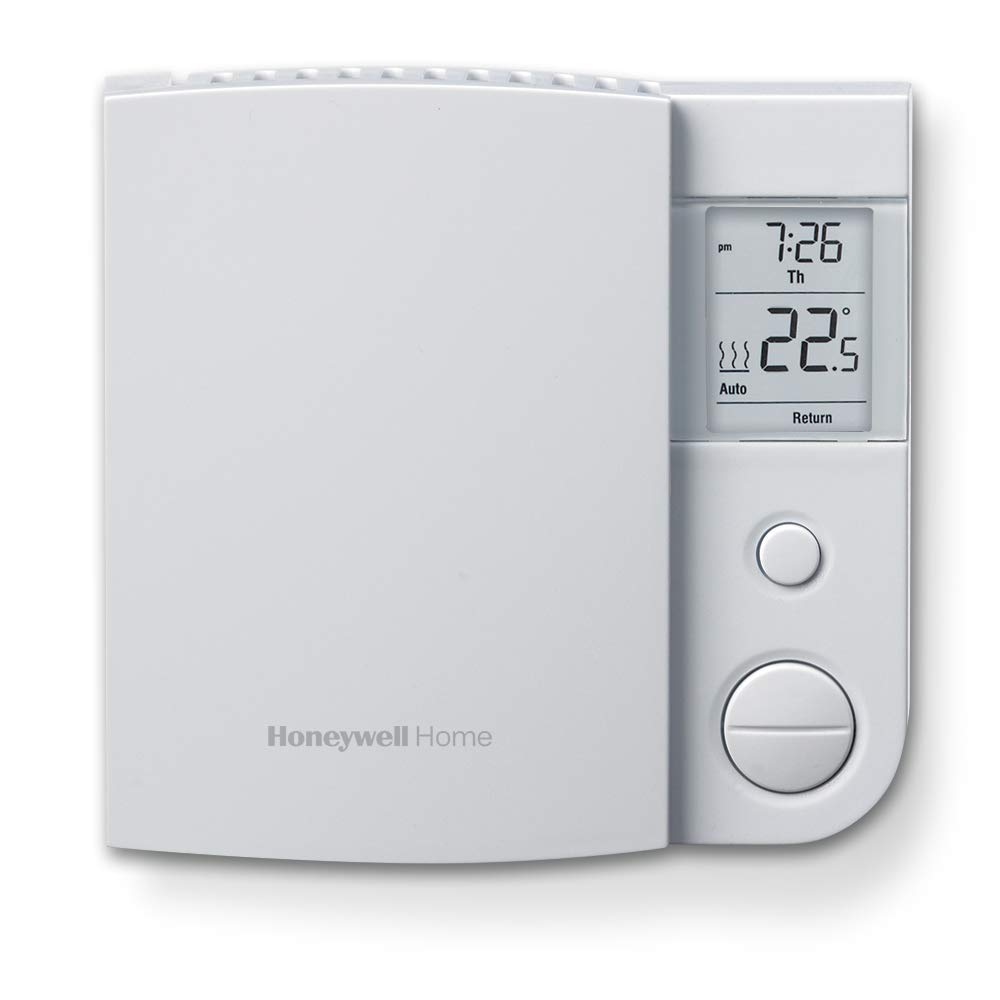

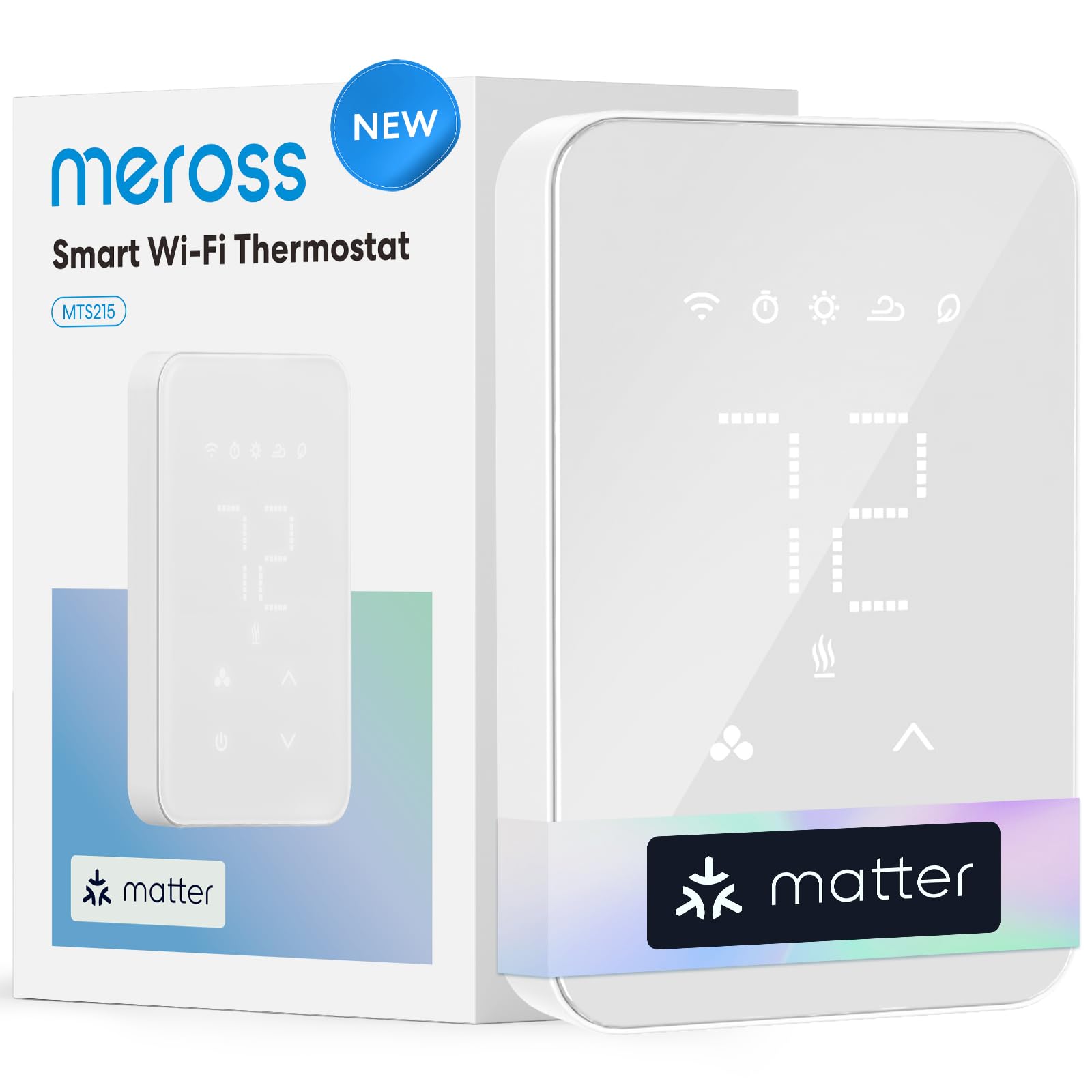
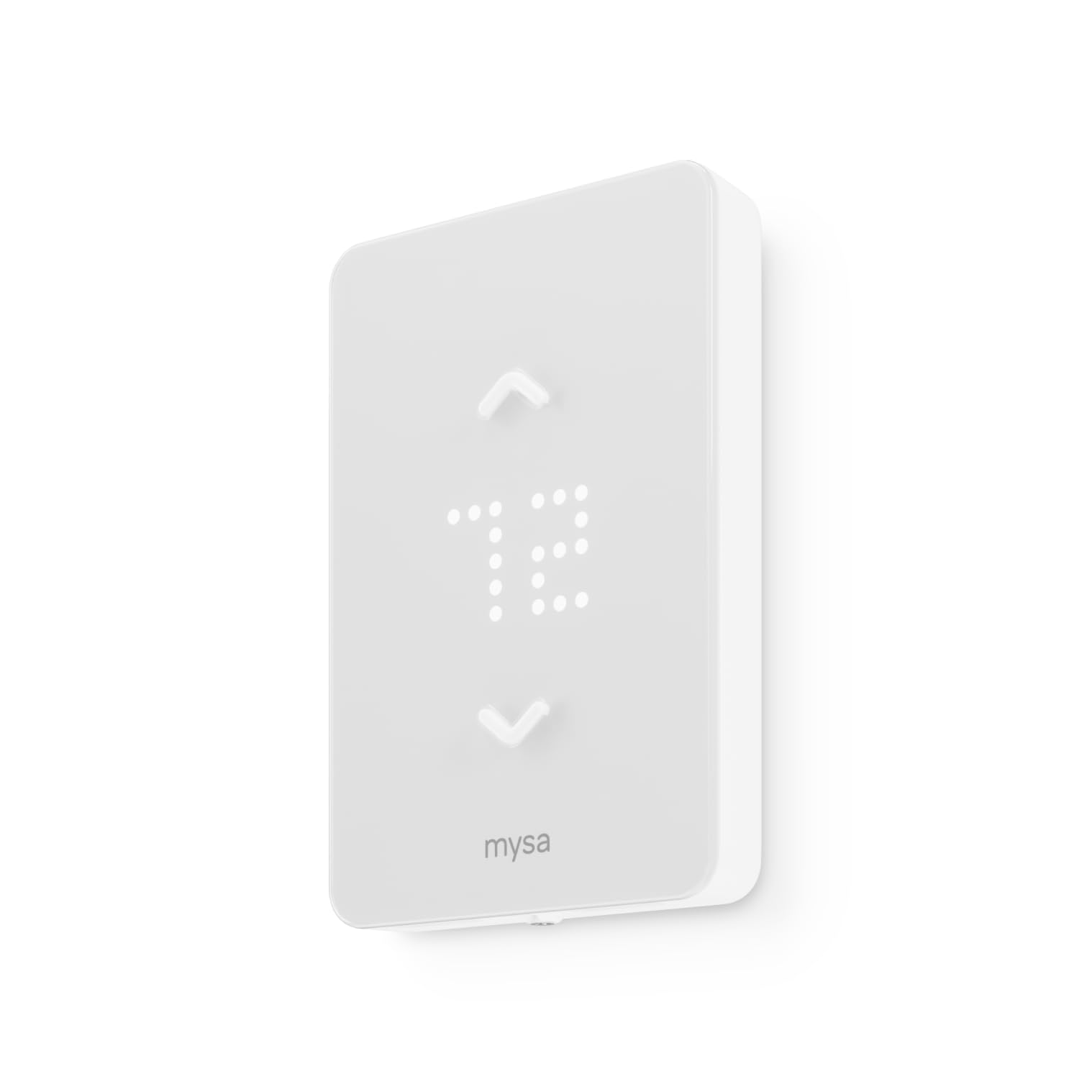

Three Control Styles at a Glance
Baseboard thermostats fall into three broad styles, and the right style depends on how steady you want room temperature and how much scheduling you will actually use. None of them changes how much heat your heaters can produce, but they differ a lot in comfort and wasted run time.
Best Overall Fit
For most homes, an electronic non programmable or lightly programmable thermostat is the best overall fit. Electronic sensing holds temperature within about one degree, far steadier than older mechanical dials, and setup takes minutes once the wiring is done. You give up app control and detailed schedules, but you gain accuracy at a fair price, often around $30 to $70. This style suits living rooms and bedrooms where someone is home most days and comfort matters more than remote access or energy reports.
Best Value Fit
A basic mechanical thermostat is the value fit, often around $15 to $35, and it works by simple temperature sensing with no batteries or programming. It is easy to understand, widely available, and fine for spare rooms, rentals, and workshops where rough control is acceptable. The trade off is a wider temperature swing, an audible click as it switches, and no scheduling, so heaters may run when nobody needs the room warm. Choose this style when low cost and simplicity beat precision, and check its wattage rating just as carefully as any other model.
Best Premium Fit
Smart line voltage thermostats are the premium fit, often around $100 to $200 each, adding WiFi app control, weekly schedules, and energy use estimates. They make sense when you heat several rooms on different schedules or want to warm a room before you arrive. The trade offs are price per room, since every zone needs its own unit, plus reliance on your home network and the maker app. Confirm that a smart model is truly rated for line voltage baseboard loads, because many familiar smart thermostats are low voltage only.
How to Choose a Baseboard Thermostat: Buying Guide
Safety and compatibility come before features. Work through the checks below in order, because a thermostat that fails the first two should not stay on your list no matter how attractive its screen or app looks.
Heater Load and Coverage
Add up the wattage of every heater on the circuit the thermostat will control, then choose a thermostat rated above that total with a sensible margin. A common planning figure is about 10 watts per square foot for baseboard heat in a typical insulated room, so a 150 square foot bedroom often has around 1,500 watts of heater. Many line voltage thermostats are rated around 3,500 to 5,000 watts at 240 volts, but ratings drop at 120 volts. Never exceed the rating printed for your voltage, and remember that one thermostat should control only the heaters in its own room or zone.
Clicking Sound and Temperature Swing
Mechanical thermostats make a soft click when they switch and let temperature drift a few degrees before reacting, which some light sleepers notice in bedrooms. Electronic models switch silently and react to changes of about one degree, so the room feels steadier and heaters cycle in shorter, more even runs. If the thermostat will sit in a bedroom or nursery, electronic control is usually worth the small price difference. Models built into the end of a heater are the least accurate option, because they sense the warm air right at the heater rather than across the room.
Voltage, Wattage, and Accuracy Ratings
Check three numbers before anything else: voltage, maximum watts or amps, and pole type. Most baseboard systems run on 208 or 240 volts, some smaller units on 120 volts, and the thermostat must match. A double pole thermostat can switch both hot wires and give a true off setting, while a single pole unit may never fully turn the heater off, which matters in mild weather.
Accuracy ratings also matter, since a thermostat that holds within one degree can trim wasted run time compared with one that drifts three or four degrees. If you are comparing heater and control bundles, see our guide to the best electric baseboard heaters with thermostat for how the two parts work together.
Wiring and Compatibility
Count the wires in your wall box before you order, because models differ in what they need. Simple mechanical units often work with two wires, while many electronic and smart models need three or four wires and a proper electrical box with enough depth. Standard low voltage thermostats from forced air systems cannot control baseboard heaters directly and need a relay setup designed by an electrician.
Faceplates, wire connectors rated for the load, and clear terminal labels all make installation safer. When listings are vague about wiring, choose a maker that publishes full diagrams and load tables.
Smart Controls and Sensors
Programmable schedules are the most useful smart feature, letting bedrooms cool down at night and warm before you wake without daily dial turning. App control helps for vacation homes and irregular schedules, and some models learn patterns or report estimated energy use by zone. Remote room sensors are rare in line voltage systems, so placement of the thermostat itself still decides comfort.
Buy smart features room by room, starting where schedules vary most. Our guide to the best electric baseboard thermostat goes deeper on electronic models for readers who have ruled out mechanical controls.
Energy Efficiency and Operating Cost
A thermostat does not use much power itself, but its accuracy decides how long your heaters run, and heaters are among the hungriest loads in a home. Tighter control and sensible setbacks, such as lowering temperature while you sleep or work, reduce bills more than any other feature. Look for clear wattage ratings, honest accuracy claims, and scheduling you will truly use rather than headline features. Note that deep setbacks in very cold weather can make recovery slow with baseboards alone, so moderate setbacks of a few degrees usually work best in practice.
Types of Baseboard Thermostats
With compatibility confirmed, the choice narrows to control style and capacity. The three types below cover nearly every product you will see for residential baseboard heat.
High Load Models for Large Rooms
High load thermostats are rated for larger combined wattage, which suits open plan rooms with two or three heaters on one circuit. They cost a little more and may need a deeper box, but they avoid the danger of an overloaded control running hot. If your total load sits near a standard rating, stepping up to a high load model is the safer and longer lasting choice. Always confirm the rating at your actual voltage, since the same thermostat handles fewer watts at 120 volts than at 240 volts.
Smart WiFi Models
Smart WiFi line voltage models add app control, schedules, and usage estimates, and they suit second homes, rental units you manage yourself, and rooms with changing routines. They need reliable WiFi at the wall box and usually three or four wires, so older homes may need an electrician visit first. Prices run higher per room, which adds up across a whole house. For a broader comparison of control styles, our guide to the best thermostat for baseboard heaters walks through the same decision from the heater side.
Simple Mechanical Models
Mechanical models use a dial or lever and a simple sensing element, with no screen, batteries, or menus. They are the easiest type to understand and the cheapest to replace, which is why landlords and workshops favor them. Their limits are wider temperature swings, a switching click, and no schedules or true off setting on single pole versions.
For a guest room or garage that only needs rough heat on cold days, those limits are acceptable. Just match the wattage rating carefully, because low price never excuses an undersized control.
Care and Maintenance Tips
A wall thermostat needs little care, but a few checks each heating season keep it accurate and safe.
- Test before cold weather: raise the setting in early fall and confirm the heaters warm up, so problems surface before you truly need heat.
- Dust the cover gently: use a dry cloth or soft brush, since dust buildup can slow temperature sensing on some models.
- Check for heat at the wall box: a thermostat or plate that feels warm, buzzes, or smells faintly burnt needs the breaker off and an electrician visit.
- Verify accuracy once a season: place a simple room thermometer nearby for a day and note any steady gap, then adjust your setting or plan a replacement.
- Keep furniture and curtains clear: blocked airflow around the thermostat and heaters alike causes false readings and uneven rooms.
For related setups and wiring scenarios, our guide to the best thermostat for electric baseboard heat covers common questions from owners converting older controls.
Frequently Asked Questions
Is it expensive to run a baseboard thermostat all day?
The thermostat itself uses almost no electricity, so cost comes from how long it tells the heaters to run. Accurate control and modest setbacks during sleep or work hours cut that run time noticeably. Leaving every room at one high setting all day is what gets expensive, especially in poorly insulated rooms. If one room drives your bill, check its thermostat accuracy first, because a drifting control can add hours of heating you never feel as extra comfort.
Where is the best place to install a baseboard thermostat?
Install it on an interior wall about five feet above the floor, away from the heater itself, windows, doors, and direct sunlight. Those spots give a fair reading of the air you actually feel in the room. Never place it directly above a baseboard heater, because rising warm air will shut the system off before the rest of the room warms. If your current thermostat sits in a poor spot, relocating it during a replacement often improves comfort more than upgrading the model does.
Do baseboard thermostats work with any electric heater?
No, a baseboard thermostat works only with heaters that match its voltage, wattage rating, and wiring needs. Line voltage models suit electric baseboard and similar resistance heaters, while fan forced wall heaters may need higher ratings or special controls. Low voltage thermostats cannot switch baseboard loads directly.
Check the heater nameplate inside the wiring cover, with the breaker off, or ask an electrician to confirm the numbers. Guessing here risks a failed thermostat, nuisance breaker trips, or a genuine fire hazard.
What wattage rating do I need for my baseboard thermostat?
You need a rating above the combined wattage of all heaters the thermostat controls, checked at your supply voltage. Add the nameplate watts of each heater on the circuit, then leave a margin rather than running at the limit. As a rough guide, many rooms total about 1,000 to 2,500 watts, which most line voltage models handle, while large open rooms can exceed standard ratings. If the math is close or unclear, choose the higher rated model or split the heaters across two thermostats.
How often should I replace a baseboard thermostat?
Replace a baseboard thermostat when rooms start swinging in temperature, the dial no longer matches a room thermometer, or you see scorch marks, buzzing, or a warm faceplate. Mechanical units often drift after years of service, while electronic models usually fail more suddenly. There is no filter or part to service, so replacement is the fix. Turn the breaker off before any inspection, and let a licensed electrician handle replacement if you are not fully confident with line voltage wiring.
Our Verdict
Match voltage and total wattage first, choose double pole if you want a true off setting, then pick the control style your routine will actually use. The comparison table above can help you shortlist models that fit those basics. For most homes, the best baseboard thermostat is an accurate electronic model with a rating comfortably above the room load, installed in the right spot and checked each fall. Get those fundamentals right and your baseboard heat will feel steadier while wasting less electricity every day.


