Best Baseboard Space Heaters (2026): Portable, Hardwired and Hydronic Compared
Disclosure: We may earn a commission when you buy through links on this page, at no extra cost to you. As an Amazon Associate I earn from qualifying purchases. Learn more
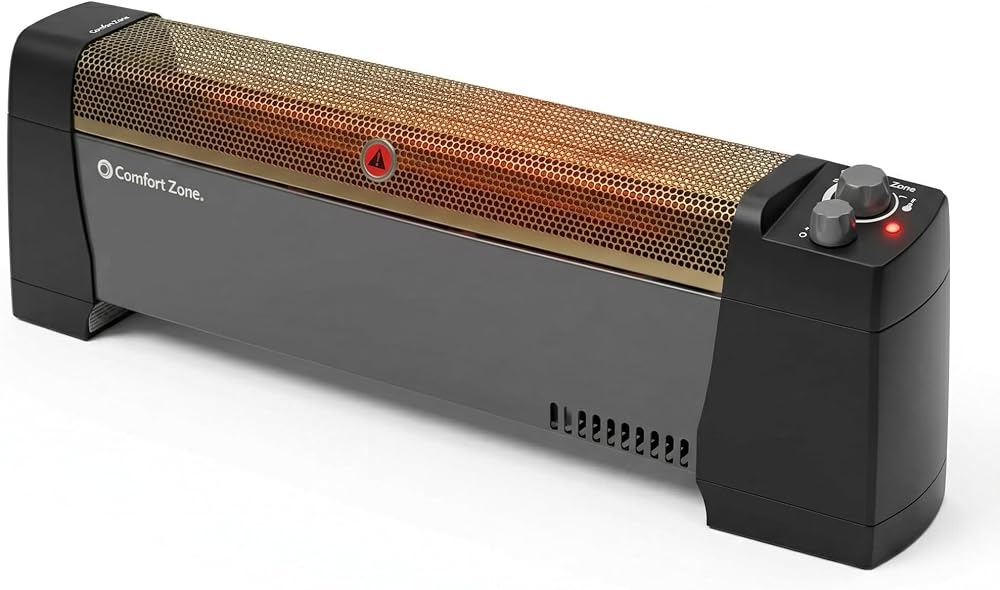
Compare the best baseboard space heater types by room size, wattage, quiet running and cost, with sizing rules for each type.
A baseboard heater warms a room in a way most portable heaters cannot. It sits low along the wall, spreads heat across a wide area, and runs in near silence because there is no fan pushing air around. Choosing the best baseboard space heater comes down to matching wattage to your room, picking the right build type, and checking the safety features. The product table below lines up the main types on coverage, heat output, and noise so you can see the trade offs at a glance.
This guide explains how baseboard models differ, which rooms each type suits, and what the numbers on the box actually mean for warmth and running cost.

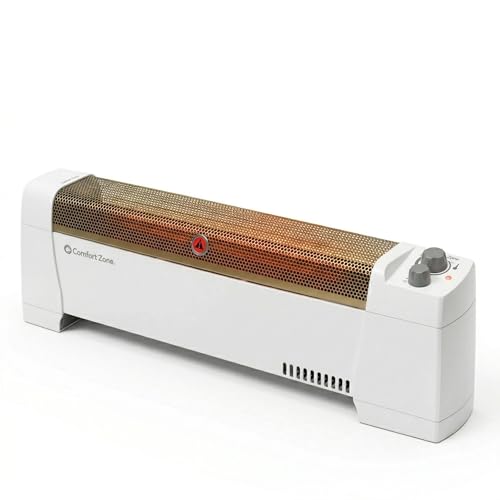

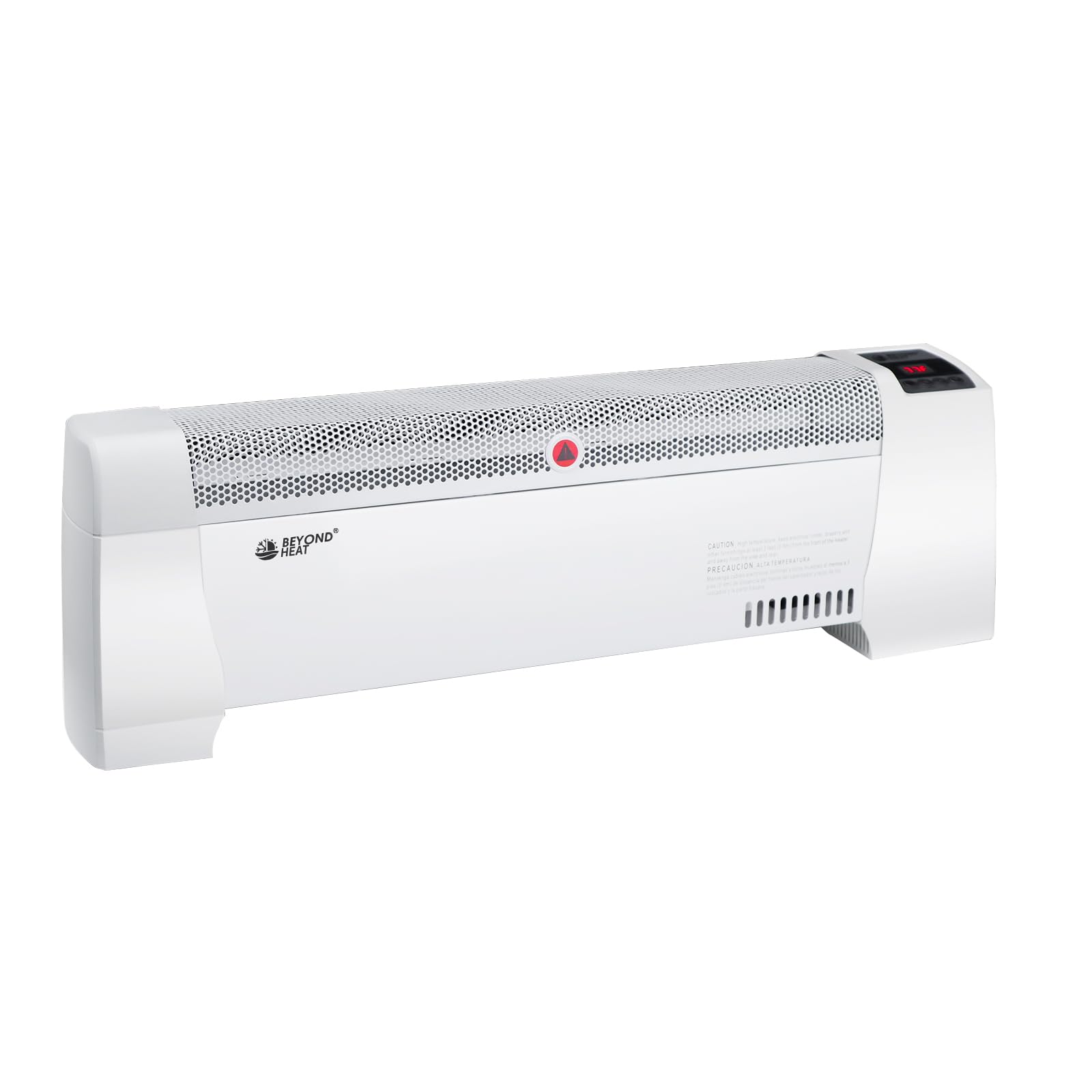
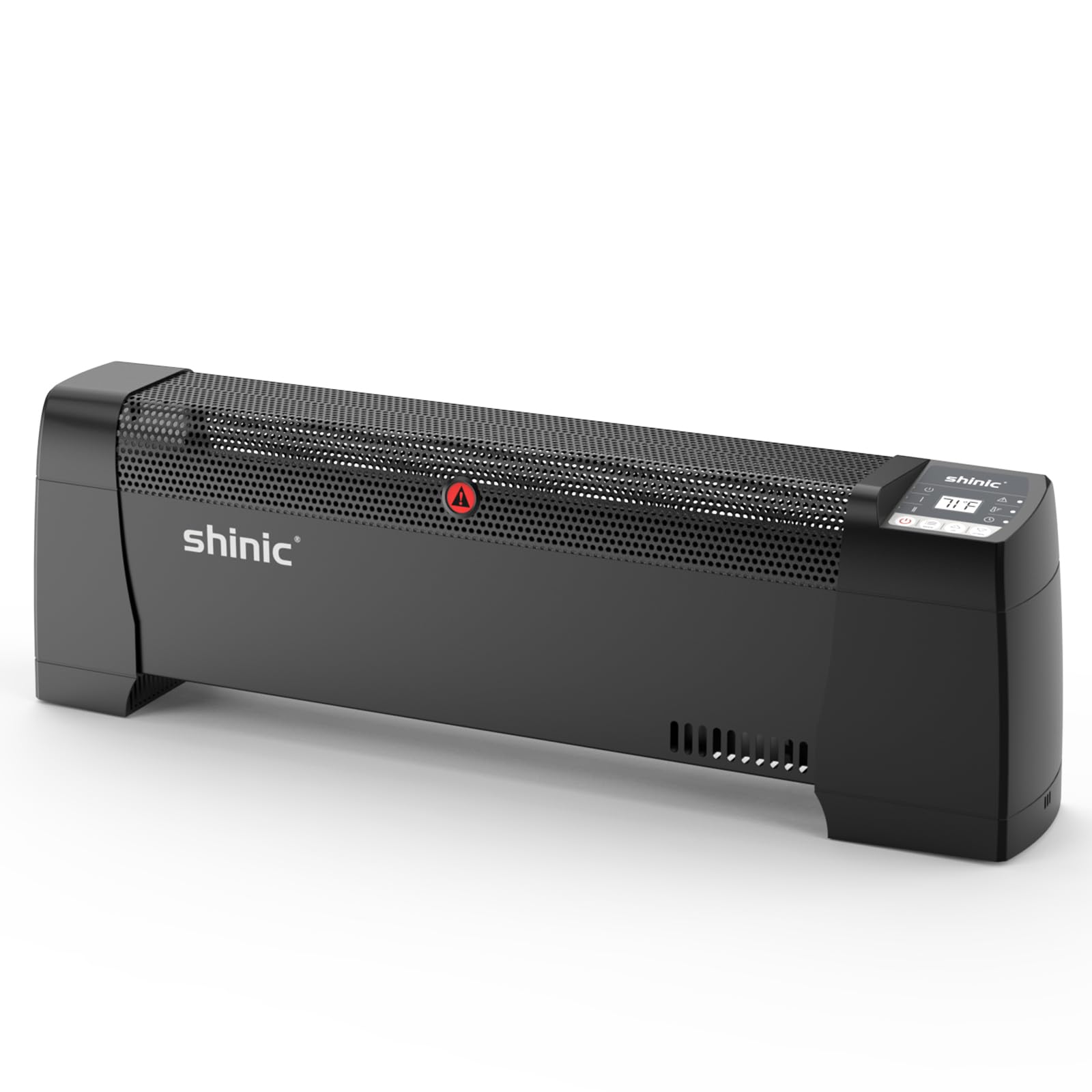
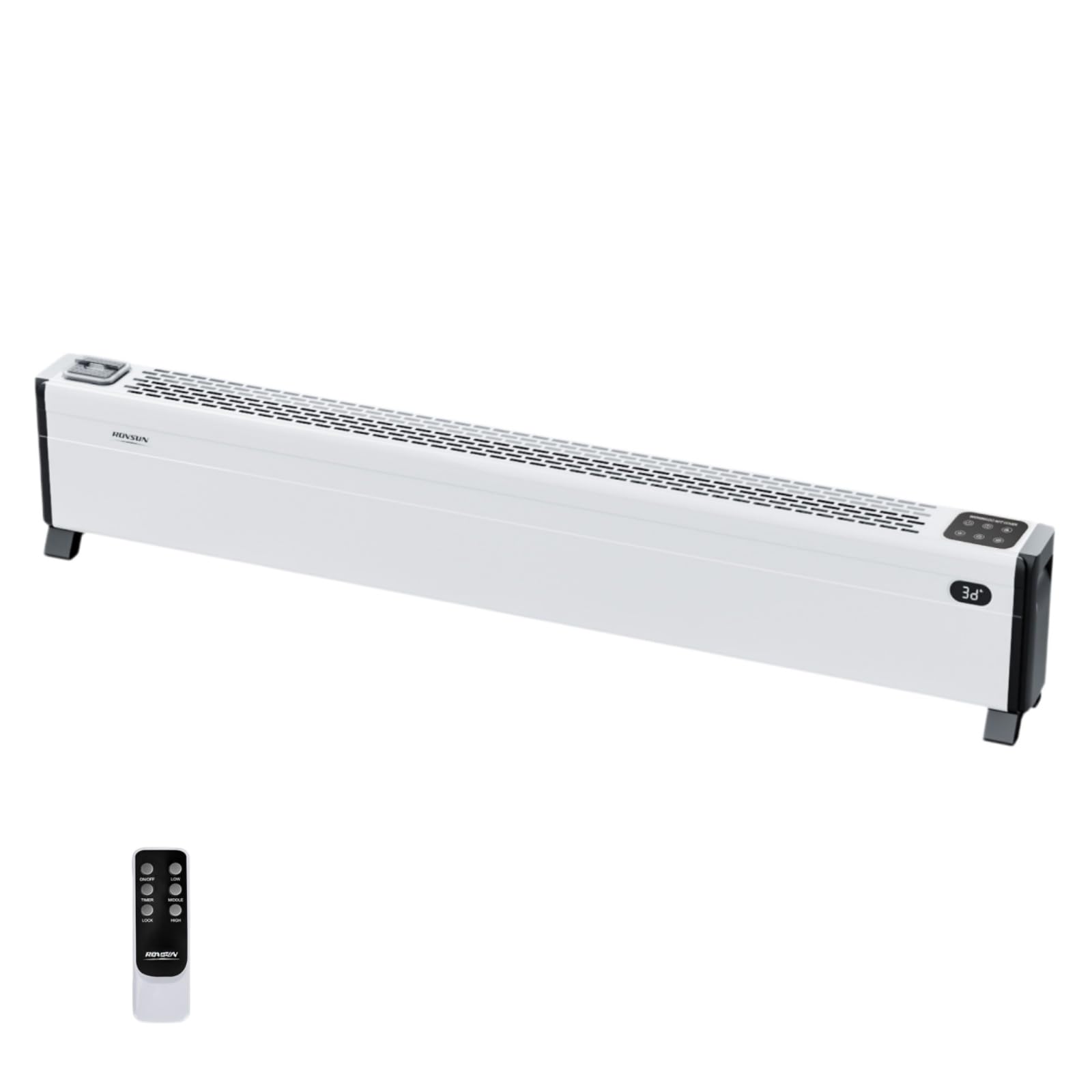
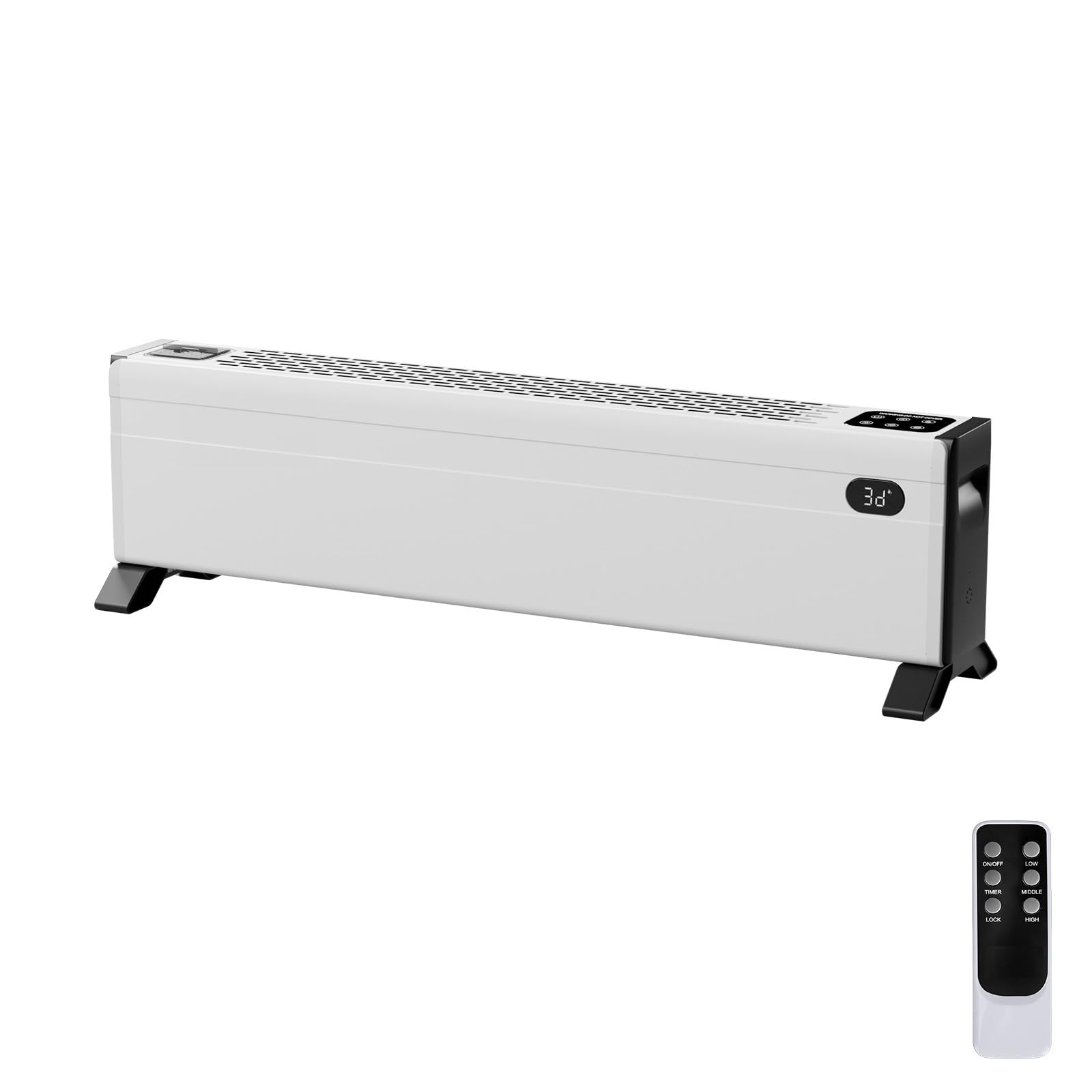

Baseboard Heater Types at a Glance
Baseboard space heaters fall into three broad types, and the type matters more than any single feature. Portable plug in models are the flexible option for renters and for one cold room. Hardwired models are permanent fixtures wired into your home electrical system, usually controlled by a wall thermostat. Hydronic models hold heated liquid inside a sealed tube, so they keep releasing warmth for a while after the power cycles off.
All three types heat by convection. Cool air near the floor enters the bottom of the unit, passes over a heated element or tube, and rises out the top. Because the warm air rises along the whole length of the heater, the room heats more evenly than it does with a small box that blows air at one spot.
How to Judge a Baseboard Space Heater
Start with coverage. A common rule of thumb is about 10 watts of heat per square foot of floor in a room with standard ceiling height and average insulation, so a 1500 watt unit suits a room of roughly 150 square feet. Next, look at heat output in BTU if the maker lists it, since about 5100 BTU matches a 1500 watt electric heater. Noise is the easy part, because a baseboard heater with no fan is essentially silent apart from a faint tick as the metal expands.
Then weigh energy use, upkeep, and controls. Every electric resistance heater turns nearly all of its electricity into heat, so differences in running cost come from how well the thermostat holds your set temperature rather than from the element itself. Upkeep is light, since there are no filters to change and no tanks to fill. Controls range from a simple dial on the unit to a programmable wall thermostat on hardwired installs.
How to Choose the Right Baseboard Space Heater
Size and Form Factor
Baseboard heaters are long and low, and length is part of how they work. A longer unit spreads the same wattage over more surface, so the casing stays cooler to the touch and the heat feels gentler. Portable models are usually about 28 to 30 inches long and stand on small feet, which makes them easy to move between rooms. Hardwired units run from about 24 inches to 96 inches and mount flat against the wall under a window or along an outside wall, where they counter the cold air that sinks down the glass. Measure your wall run before you buy, and leave the clearance the manual asks for at both ends.
Electric, Hydronic, and Fan Assisted Types
A standard electric baseboard heater uses a metal element with fins that shed heat into the air. It reaches full warmth within a few minutes and cools down just as fast once it switches off. A hydronic model heats a sealed liquid instead, and that liquid keeps giving off warmth after the thermostat stops calling for power, so the temperature swings in the room feel smaller. The trade off is weight and price, since hydronic units cost more and are heavier to move. A few portable models add a small fan to move air faster, but that gives up the silent operation that makes baseboard heat appealing in the first place.
Features Worth Paying For
A built in thermostat is the feature that matters most, because it lets the heater hold a steady temperature instead of running at full power until you switch it off. An adjustable dial is enough for a guest room, while a digital control with a clear readout suits a room you heat every day. Overheat protection that shuts the unit down if airflow is blocked is worth having on any model. On portable units, a tip over switch adds a layer of safety if the heater gets knocked off its feet. A cool touch casing matters in homes with small children who play at floor level, right where these heaters sit.
Room Size and Coverage Ratings
Match the heater to the room rather than to the whole house. For a bedroom or home office of about 100 to 150 square feet, a 1000 to 1500 watt portable unit is usually enough as a supplement to your main heating. Larger living spaces need more. If you are comparing options for a big open area, our guide to the best large room space heater covers the higher output choices. Cold corners, tall ceilings, and poor insulation all push the wattage you need upward, so size up when a room has large windows or sits above an unheated garage.
Running Cost and Energy Use
A 1500 watt heater draws 1.5 kilowatts, so running it for one hour uses 1.5 kilowatt hours of electricity. Multiply that by your local rate to get the hourly cost. At a rate of about 16 cents per kilowatt hour, full power costs about 24 cents per hour, and a thermostat that cycles the heater off part of the time lowers the real figure. For a full breakdown of rates and usage patterns, see how much does it cost to run a space heater. Baseboard heat saves money when it lets you lower the central thermostat and warm only the room you are using.
Noise Levels for Bedrooms
Sleep is where baseboard heaters earn their keep. With no fan and no motor, the only sounds are soft ticks and clicks as the casing warms and cools. That makes them a strong fit for light sleepers who find fan noise hard to ignore. If you are weighing bedroom options more broadly, our roundup of the best space heater for bedroom compares quiet models of several types. Place the heater where the rising warm air will not blow straight onto the bed, since dry moving air on your face can disturb sleep even when the room itself feels comfortable.
Filters, Tanks, and Maintenance
There are no filters to wash and no water tanks to refill on an electric baseboard heater, and hydronic models are sealed at the factory, so you never add liquid. Upkeep is mostly about dust. Dust that settles on the fins bakes on over the season and can cause a faint burning smell the first time you run the heater in autumn. Vacuum the fins with a brush attachment a few times each winter, with the power off and the unit cool. Keep curtains, bedding, and furniture clear of the casing so air can move through freely.
How Much Should You Spend?
Portable baseboard heaters generally cost about $60 to $150, with hydronic portable models at the top of that range because of the sealed liquid core and heavier build. Hardwired units often cost about $40 to $120 for the heater itself, but you should budget for a wall thermostat and, unless you are confident with home wiring, an electrician to install it. Spending more mainly buys smoother temperature control, a sturdier casing, and quieter expansion sounds. It does not buy more heat per watt, since every electric model converts electricity to heat at the same rate.
Baseboard Heaters Compared With Other Space Heaters
Against a ceramic fan heater, a baseboard model heats more slowly but far more quietly and evenly. A ceramic unit wins when you want fast warmth aimed at your feet under a desk. Against an oil filled radiator, baseboard heat takes less floor space because it hugs the wall, though the radiator holds heat longer after switch off. Our comparison of infrared vs ceramic heater types explains how those faster acting options differ. For a wider look at every style, start with our guide to the best space heater choices across categories.
- Strengths: silent running, even heat along the wall, low profile that stays out of the way, and no filters or fans to maintain.
- Limits: slower to warm a cold room, the wall or floor space in front must stay clear, and hardwired models need an electrician for a safe install.
- Best fit: bedrooms, nurseries, and living rooms where the heater runs for hours at a time rather than in short bursts.
FAQ
What makes a baseboard space heater the right choice for a room?
A baseboard space heater suits a room when you want steady, quiet warmth for long stretches and you have open wall or floor space along an outside wall. It works best as a supplement that takes the chill off one room, or as the main heat source in a small, well insulated space. If you need fast heat for a few minutes at a time, a fan driven model will feel better, because baseboard heat builds gradually and rewards patience.
Are baseboard space heaters worth it?
They are worth it when the alternative is heating the whole house to make one room comfortable. Running one baseboard unit in the room you occupy, while the central thermostat sits a few degrees lower, can cut your overall heating bill even though electric heat costs more per unit than gas. They make less sense as the only heat source for a large, drafty home, where the electricity cost adds up fast. Think of them as targeted comfort rather than a whole house solution.
Are baseboard space heaters safe to leave running?
They are safe when you respect clearance and use a model with a recognized safety listing such as UL or ETL. Keep fabric, paper, and furniture at least a few feet from the casing, because the surface gets hot enough to scorch material left resting against it. Never drape laundry over the unit to dry it. For a deeper look at heater safety rules, read are space heaters safe. Turn the heater off when you leave the house, and check the cord and plug on portable models each season for damage.
Can you plug a baseboard space heater into an extension cord?
No. Plug a portable baseboard heater straight into a wall outlet, never into an extension cord or a power strip. A heater draws a heavy, steady current, and a cord that is not rated for that load can overheat inside its insulation where you cannot see it happening. If the outlet is too far from where the heater needs to sit, move the heater or ask an electrician about adding an outlet. This rule applies to every high wattage space heater, not just baseboard models.
What size baseboard space heater do you need for a room?
Measure the room first, then allow roughly 10 watts per square foot as a starting point. A 12 by 12 foot bedroom is 144 square feet, which points to a 1500 watt unit. Add extra capacity for ceilings above 8 feet, big windows, or rooms over unheated spaces. If your calculation lands between two sizes, choose the larger one and let the thermostat cycle it. An undersized heater runs constantly, still feels weak on the coldest nights, and never quite catches up.
Final Thoughts
The right baseboard heater is the one sized to your room, matched to how you install it, and equipped with a thermostat you trust. Portable models give renters and occasional users flexibility, hardwired units give a clean permanent finish, and hydronic designs smooth out temperature swings. Use the product table above to compare coverage and noise side by side, and the best baseboard space heater for your home should be an easy call. Check the listing for a safety certification and the clearance figures before you order, and you will have quiet, even warmth all winter.