
Best Barrel Smoker: Types and Buying Tips (2026)
Disclosure: We may earn a commission when you buy through links on this page, at no extra cost to you. As an Amazon Associate I earn from qualifying purchases. Learn more

Vent control, steel thickness and rack or hook layout decide how a drum cooks. Compare styles to find the best barrel smoker for your patio.
A Saturday cookout can go sideways fast when the patio is tight, the kids are hungry, and your current setup holds either two racks of ribs or nothing else worth serving. A barrel design solves that problem with a tall, round footprint and hanging or stacked cooking space. Finding the best barrel smoker for your home comes down to your space, your household size, and how much hands on time you actually enjoy.
This guide walks through sizes, fuel costs, and build details so you can match a barrel to your routine the first time. Use the comparison table below to scan the main types side by side, and see our broader guide to the best smoker options if you are still weighing other shapes.




Quick Answer: The Main Barrel Types in 30 Seconds
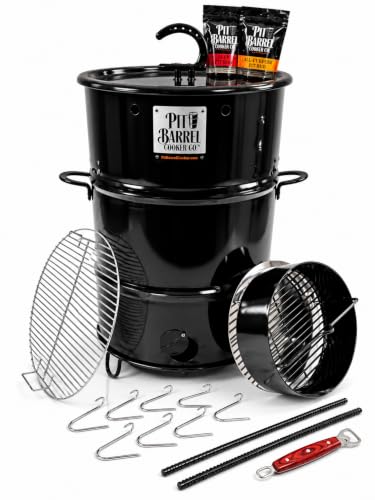
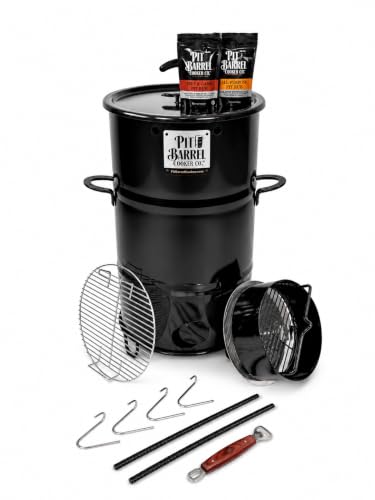
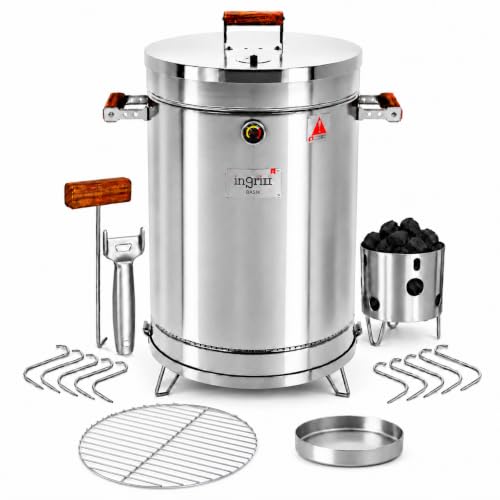
Most barrel smokers fall into three groups. A compact 30 gallon style drum suits small patios and couples, with two racks and a modest charcoal load per cook. A full size drum adds room for a whole brisket or several chickens. A hanging style barrel skips flat racks for hooks, which lets you cook ribs and poultry vertically and frees every inch of height inside the drum. All three burn charcoal and need manual vent control, so your choice is mostly about capacity and how you like to load food, not about gadgets.
Before You Buy: A Quick Checklist for Choosing a Smoker
Size: Match It to Your Space
Measure the spot where the smoker will live before you fall for a capacity number. A barrel needs clear space on every side for heat and for you to lift a hot lid safely, plus a level, noncombustible surface away from siding and overhangs. A compact drum fits a small deck corner where a horizontal cooker would block the walkway. A taller drum needs more headroom for lid removal and hanging hooks, but still takes less floor space than most offset or cabinet designs. Count your usual crowd too. Two racks feed a family dinner with ease, while regular parties of eight or more push you toward the largest drum you can store.
Which Type Fits Your Routine
Barrel smokers are charcoal cookers at heart, even though the wider market includes electric, pellet, propane, and gravity fed designs. If you want to plug in and walk away, our guide to the best electric smoker models covers that calmer routine. A barrel asks more of you. You light the coals, set the intake vents, and check the fire every hour or so. In return you get deep smoke flavor and high heat when you want to finish chicken with crisp skin. New cooks may also want our roundup of the best smoker for beginners picks to compare the effort involved.
Features Worth Paying For, and Ones to Skip
A few features earn their cost on a barrel. Adjustable intake vents with clear markings matter most, since they are your only heat control. A port for a probe thermometer matters more than a lid thermometer, because lid readings often differ from grate level heat. Sturdy side handles, a lid hanger, and an ash pan that slides out for emptying all make weekly use easier. Skip the extras that add little here. A window clouds with smoke within a few cooks, WiFi adds cost to a cooker you manage by vent anyway, and sear grates duplicate what the hot charcoal basket already does well.
Fuel Type and Running Cost
Charcoal is the fuel, and lump charcoal and briquettes behave differently in a drum. Briquettes burn at a steadier rate and suit long stretches, while lump lights faster and leaves less ash but can spike in heat. A typical long cook uses roughly one full basket, so your running cost stays modest compared with pellet or propane designs that feed fuel continuously. Wood chunks, not chips, give you smoke. Two or three fist sized chunks buried in the coals release flavor for hours without the bitter taste that comes from too much wood at once.
Cooking Area and Heat Output
Cooking area on a barrel is quoted in square inches, but the shape changes what that number means. Two round racks hold far more ribs when the meat hangs from hooks, because vertical space does the work. Check rack diameter as well as the total. A rack under 18 inches across forces you to cut rib racks in half, while a wider rack takes a full brisket flat without folding. Barrels do not use BTU ratings the way gas cookers do. Heat output comes from the size of the charcoal basket and how far you open the vents, so a large basket and responsive vents give you both low smoking heat and high roasting heat in one drum.
Build Materials and Rust Resistance
Most drums are steel, and thickness is the detail that decides how long yours lasts and how steady it runs. Thicker steel holds heat through a windy evening and resists warping around the lid seal, while thin steel cools fast when you lift the lid and shows rust sooner at scratches. Look for a porcelain enamel or high heat paint finish, welded rather than bolted vent fittings, and a lid that sits flat with no visible gap. Stainless steel hardware and grates cost more but shrug off rain and ash, both of which speed up corrosion.
Realistic Budget Ranges
Under about $200, expect a compact drum with basic vents, one or two racks, and thinner steel that needs careful storage. About $200 to $500 is where most families should shop. Drums in this band add thicker walls, better vent control, hanging hooks, and an ash system you can live with. About $500 to $1000 buys heavier steel, stainless grates, and refined airflow that holds a steady temperature with less adjustment. Above that level you are mostly paying for finish rather than better food, so spend the difference on a probe thermometer, a cover, and fuel instead.
Barrel Types Compared: Which Style Suits Your Home
Rack style drums are the easiest entry point. Food sits flat on one or two grates, much like a grill, so loading, saucing, and checking doneness feel familiar. They suit brisket, pork shoulder, and anything you want to baste often. The trade off is capacity, since flat racks limit you when the guest list grows.
Hanging style drums trade that familiarity for volume. Hooks and a hanging bar let ribs, chickens, and sausages cook vertically, and many owners find the results especially juicy because the meat bastes itself as it hangs. Loading takes a little practice, and our guide on how to use a smoker explains the basic fire and vent routine that makes either style work. Choose hanging if you cook ribs and poultry often, and racks if you cook large flat cuts most weekends.
A third group, convertible drums, offers both racks and hooks in one body. That flexibility suits households still learning what they cook most, though you pay more and store more parts. Whichever style you pick, confirm that replacement racks, hooks, and gaskets are easy to order.
Our Selection Process for Barrel Smokers
We judge barrels on the factors that shape daily use at home: usable cooking area, how precisely the vents control heat, steel thickness and finish quality, fuel use per long cook, and how long assembly and cleanup take. We rely on maker specifications and patterns in verified buyer feedback about rust, lid fit, and temperature stability.
What We Like and What We Do Not About Barrels Versus Other Smokers
Barrels win on footprint, flavor, and value. A drum gives you true charcoal smoke in the floor space of a kitchen stool, and it reaches roasting heat that many cabinet and electric designs cannot match. It also sheds the long warm up and constant fuel feeding that come with an offset, though purists who want that workflow should see our guide to the best offset smoker models instead.
The limits are real. There is no dial to set and forget, so a windy night or an ash clogged vent can move your temperature while you are inside. Capacity tops out sooner than a large pellet or cabinet cooker, and some designs make you lift the food out to add fuel mid cook. If your household needs to feed twenty people or you want to smoke while you sleep, a barrel is the wrong tool. For a family patio and a free afternoon, it is hard to beat.
Common Buying Mistakes to Avoid
- Buying the largest drum for a small patio, then cooking with no safe room to work around it.
- Judging capacity by square inches alone and ignoring rack diameter, so a full brisket does not fit flat.
- Paying for WiFi and windows while skipping the vent quality and steel thickness that decide your results.
- Forgetting the cost of a cover and a probe thermometer, then leaving a new drum out in the rain.
- Expecting set and forget cooking from a charcoal barrel, then blaming the smoker for swings that vent checks would have caught.
Cost of Ownership and Care
Running costs stay low. Charcoal and a few wood chunks per cook cost far less than the meat itself, and the only routine replacements are grates, hooks, and the occasional gasket or thermometer. After each cook, let the coals die with the vents closed, empty the ash once it is fully cold, and wipe the grates while they are still warm. Our guide to how to clean a smoker covers the deeper seasonal scrub, including how to clear creosote from the lid.
Once a season, check the drum for rust spots, touch up bare metal with high heat paint, and oil the grates lightly to slow corrosion. Keep the barrel covered, and never use it on a wooden deck without a heat proof mat or in an enclosed space, since charcoal produces carbon monoxide.
Your Questions, Answered
Are barrel smokers worth it for a small family?
Yes, if you cook for two to six people and enjoy tending a fire. A compact drum costs less to buy and fuel than most pellet or cabinet designs, and it still handles a pork shoulder, two chickens, or several racks of ribs at once. Families who cook for crowds weekly may outgrow it, but for ordinary weekends the size is a strength.
How long does a barrel smoker last with regular use?
A thicker steel drum that is covered, emptied of ash, and stored dry commonly serves for many years of weekly use. Thin steel models wear faster at the base, where damp ash sits against the metal. Removing ash promptly extends life most, because ash holds moisture against the steel long after the cook ends.
Can you grill on a barrel smoker, or only smoke?
Most barrels can grill if the design lets you raise the charcoal basket or place a grate close to the coals. With the basket high and the vents fully open, the drum sears burgers and steaks well. Models with a fixed low basket grill poorly, so check the basket position before you count on one cooker for both jobs.
What size barrel smoker do you need for a brisket?
You need a rack at least as wide as your brisket flat, usually about 18 to 22 inches across, or a hanging setup with enough height that the meat clears the coals. Smaller drums force you to drape the brisket over a rib rack or cut it in two, both of which cook unevenly. Measure the rack before you buy for brisket.
Do barrel smokers need a water pan?
No. A barrel runs with the meat close to the coals, and dripping juices vaporize on the charcoal, which adds flavor and moisture on its own. Some owners add a small pan to catch drips on fatty cooks, but it is a cleanup choice, not a requirement for tender results.
Final Thoughts
Match the drum to your patio first, your crowd second, and your patience third, and the right choice usually becomes obvious. A rack style barrel suits cooks who baste and check often, while a hanging style suits rib and poultry fans who want maximum capacity from a small footprint. Look again at the product table above, and choose the best barrel smoker your space can hold and your weekends can feed with attention.


