Best Barn Boots for Summer 2026: Every Type Explained Side by Side
Disclosure: We may earn a commission when you buy through links on this page, at no extra cost to you. As an Amazon Associate I earn from qualifying purchases. Learn more

Compare summer barn boot types by breathability, grip, and toe protection, with sizing and care advice to help you choose the right pair for hot barn work.
Barn work does not slow down when the heat arrives, but heavy insulated boots can turn every chore into a slog. The best barn boots for summer protect your feet from hooves, mud, and wet wash racks while letting heat escape. With short boots, tall rubber styles, and waterproof leather options all claiming to suit hot weather, choosing can feel confusing.
This guide compares each type by what it does well, where it falls short, and who it suits most, plus sizing, grip, and care for summer use. Use the comparison table below to match a type to your daily chores.




Types of Barn Boots Compared
No single type wins every summer job, because barns mix dry dust, wet mud, concrete aisles, and pasture ground in one morning. Weigh protection against ventilation for the ground where you spend the most hours.
Short Breathable Boots for Dry Chores and Long Walking
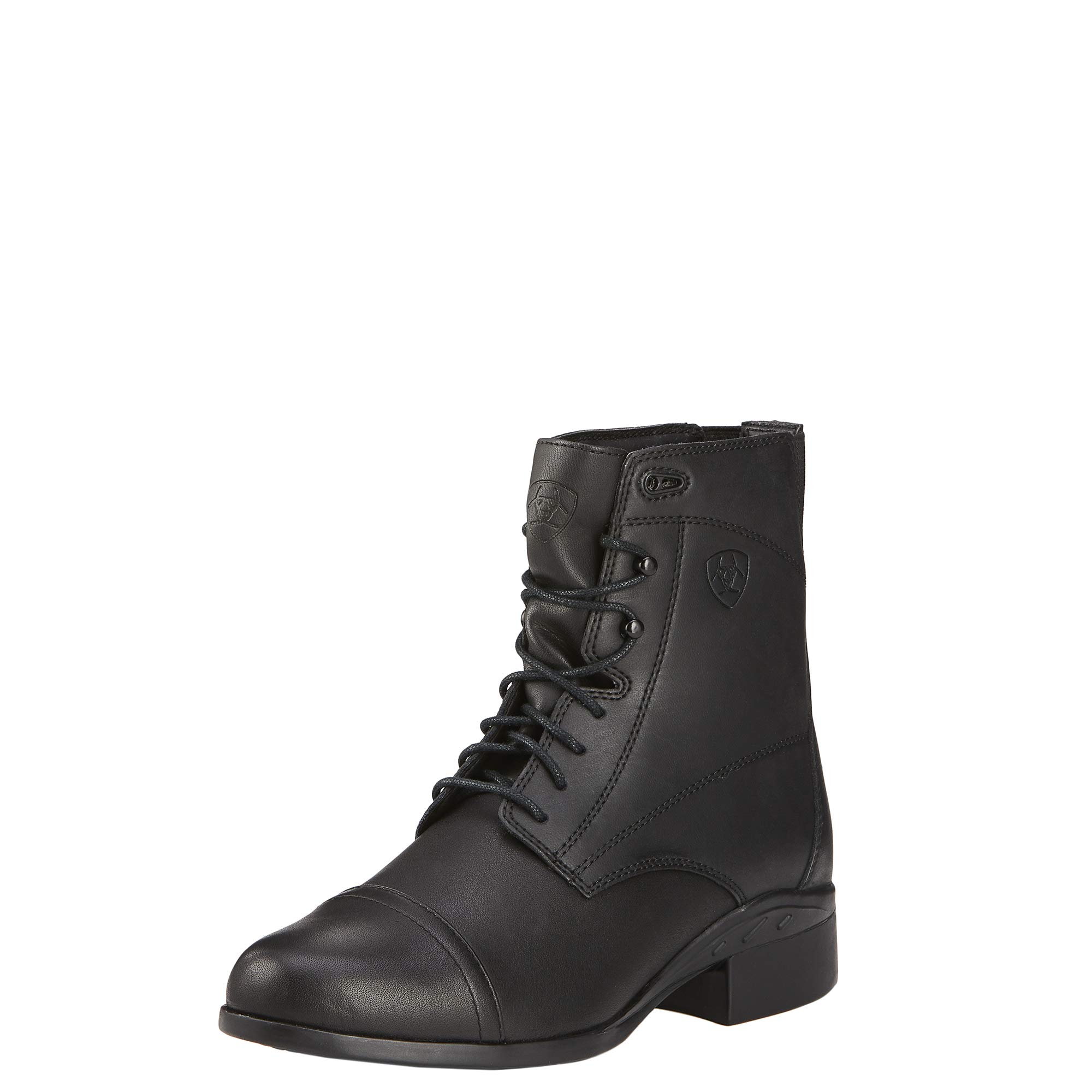
Short boots ending just above the ankle, often called paddock style boots, suit feeding, grooming, and walking between pens on mostly dry ground. Vented panels and moisture wicking linings let heat escape, and the low shaft keeps your leg cooler. They usually cost around $70 to $150. Their weakness is coverage, since mud and water can spill over the top.
Tall Rubber Boots for Mud, Manure, and Wash Racks
Tall rubber boots protect your calves and stay fully waterproof, so they suit mucking stalls, hosing wash racks, and turnout in wet fields. You can rinse manure straight off the smooth surface, which makes cleanup fast. Breathable linings help, but rubber still traps more heat than any other type here.
Expect to pay about $60 to $140. Choose this type when staying dry matters more than staying cool.
Waterproof Leather Boots with Breathable Linings
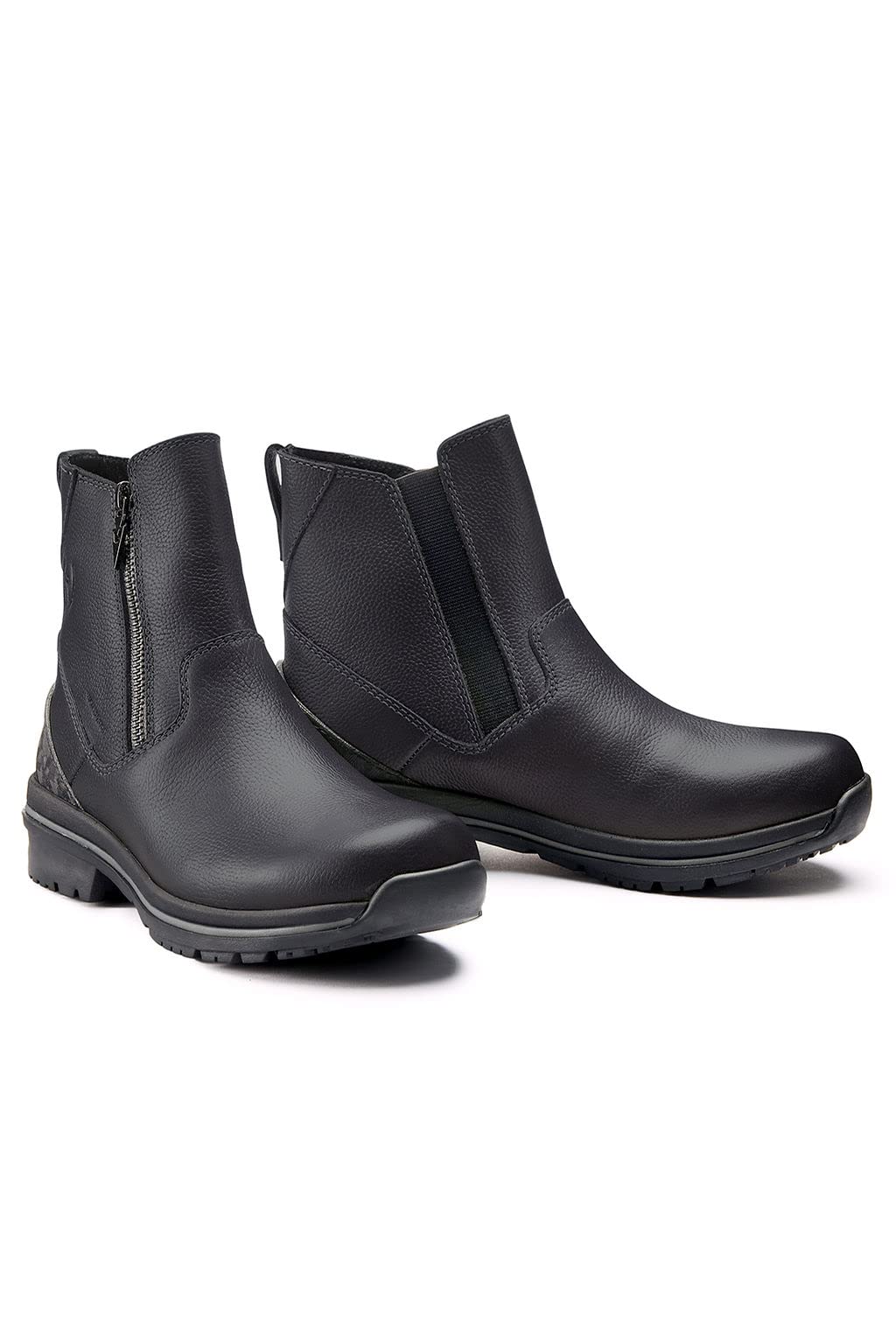
Leather boots with a waterproof breathable membrane suit riders and barn managers who walk, ride, and lift across mixed ground. The membrane blocks puddle water while letting some sweat vapor out, and leather supports the ankle better than rubber. They cost more, usually about $120 to $250, and need conditioning to stay supple. They run warmer than short vented boots in extreme heat.
Which Summer Barn Boot Type Should You Choose?
Start with water. If your chores center on wash racks and muddy gateways, tall rubber boots keep you dry in a way no short boot can match. If your ground stays mostly dry and you walk long distances, short breathable boots feel cooler by midday. Leather boots sit between the two, handling splashes while giving firmer support.
Next, weigh heat against hours. A pair worn for one hour can favor protection, while a pair worn for eight hours should favor ventilation and low weight, because trapped heat builds hourly. Many workers rotate two types, rubber for wet morning mucking and short boots for dry afternoon work, which also lets each pair dry fully.
How to Choose the Right Barn Boot for Summer Heat
Breathability and Moisture Control in Barn Boots
Breathability decides whether sweat leaves the boot or soaks your socks by noon. Look for vented panels, moisture wicking linings, and removable insoles you can air out overnight. A waterproof membrane slows vapor escape compared with an unlined vented upper, so match it to your real water exposure rather than buying it by default. Wear thin wool blend or synthetic socks, since cotton holds sweat against the skin and raises blister risk.
Weight and Shaft Height for Hot Weather Barn Work
Every extra inch of shaft traps more heat around your calf, and every extra ounce feels heavier during the last hour of chores. Tall shafts earn their warmth only when mud or splashing water would otherwise spill inside. Light short boots sit near two pounds per pair, and heavy rubber styles weigh well above that. If you ride, check that the shaft and heel shape work safely with your stirrups.
Outsole Grip on Mud, Manure, and Wet Concrete
Barn floors change fast, from dusty aisle to slick wash rack, so tread matters as much as waterproofing. Deep lugs shed mud and bite into soft ground, while flatter tread with many edges grips wet concrete without packing full of bedding. Very aggressive lugs can feel clumsy on smooth floors.
Look for slip resistant rubber and a defined heel, which helps on ladder rungs and in stirrups. On mostly concrete, favor grip and cushioning over deep lugs.
Cushioning, Arch Support, and Heel to Toe Drop in Barn Boots
You stand and walk on hard aisles for hours, so the midsole shapes how your legs feel at dinner. A moderate heel to toe drop, often about 8 to 12 mm, suits most people who split time between standing and walking. Removable insoles let you add arch support that matches your foot, and stability comes from a firm heel cup. If foot pain keeps returning, or you notice numbness or sharp heel pain, talk with your clinician about personal needs.
Fit, Sizing, and Toe Box Room for Feet That Swell in Heat
Feet swell during hot afternoons, so try boots late in the day in your usual work socks. You want about a thumb width ahead of your longest toe, a heel that stays seated, and a toe box wide enough for toes to lie flat. Lace up styles adjust as swelling changes, while pull on styles are faster but less adjustable. Crouch as you would in a stall, because a boot that feels fine standing still may pinch when you work.
Toe Protection and Coverage for Barn Safety
A closed toe is essential around horses and heavy equipment, and open footwear has no place in stalls or paddocks. Some styles add a safety toe rated for impact, which suits machinery and heavy loads, though it adds weight and warmth. For general horse care, a sturdy leather or rubber toe protects for far less heat. Your choice of the best barn boots for summer should never trade away closed toe protection for airflow.
Common Mistakes to Avoid
- Choosing tall insulated winter boots for July chores, because trapped heat leaves your feet soaked and raises blister risk.
- Wearing sandals or open shoes in the barn for quick tasks, because a stepped on toe or a dropped tool can cause a serious injury.
- Buying waterproof boots when your ground stays dry, because the membrane slows sweat escape and makes the boot feel hotter.
- Ignoring tread and picking smooth soles for wet aisles, because a slip on manure or wet concrete can injure you and scare nearby animals.
- Sizing boots on cool morning feet, because afternoon swelling in heat then makes the toe box feel painfully tight.
- Leaving manure caked on leather for days, because the ammonia in manure dries and cracks leather over time.
If you hike from the barn in summer, see our guide to the best summer hiking boots for trail options not built for stall work.
How to Make Your Barn Boots Last Longer
Summer shortens boot life through sweat, sun, and manure, so small habits matter. Rinse boots after mucking, then air dry them in shade, because hot sun and heaters warp rubber and dry out leather. Pull out insoles each night so the inside dries fully, and rotate two pairs if you work daily, since foam recovers during a rest day. Condition leather once it looks dry, store tall boots upright, and check tread and seams monthly.
For year round barn footwear, see our guide to the best barn boots, and compare it with our guide to the best summer boots for wear beyond the stable yard.
Barn Boots: Your Questions Answered
What features matter most in barn boots for hot summer days?
Breathability, grip, and closed toe protection matter most, with the order reversed for wet barns. List your three longest daily tasks and score each type against them, since the feature serving your longest task shapes comfort more than one used for ten minutes. Lighter boots also reduce leg fatigue across a full day.
How long is the break in period for leather barn boots?
Most leather barn boots soften over about one to two weeks of regular chores. Wear them for shorter tasks first, and check for rubbing at the heel and ankle after each session. Rubber and synthetic short boots need little break in, so persistent pain there usually signals a sizing problem.
Are expensive summer barn boots worth the higher price?
Higher prices can be worth it when they buy resolable leather, better linings, and stronger seams that survive daily mucking. Judge value by cost per season, and check the return policy before wearing boots outdoors, since fit problems often appear only after real walking. A costly boot that fits poorly is still a poor buy.
Can I wear summer barn boots all day for chores?
Yes, you can wear summer barn boots all day if fit, support, and ventilation match your workload. Plan a sock change at midday in the hottest weeks, because dry socks restore comfort and cut friction fast. Sitting breaks with boots loosened also help swollen feet recover. If one pair feels punishing by afternoon, rotate a second type for later chores.
How often should I replace barn boots worn daily in summer?
Replace barn boots when tread smooths out, the midsole stays compressed, or cracks let water in. Daily summer use often wears a pair out in about one to two seasons, though rotation extends that span. Press your thumb into the heel cushioning. If it feels flat and hard with no spring back, support has faded even if the upper looks sound.
Can I wear sandals in the barn on very hot days?
No, sandals are not a safe substitute for barn boots, even for a quick feeding round. Hooves, dropped tools, and sharp bedding forks put unprotected toes at risk, and straps give no grip security on wet floors. If heat is the concern, choose short vented boots and light socks instead.
The Bottom Line
Match the type to your water exposure first, then to your hours on foot. Tall rubber boots own wet work, short breathable boots own dry walking, and waterproof leather boots balance the two. Grip and toe room for swelling shape comfort more than any single feature claim. Review the product table above, and choose the best barn boots for summer that fit your barn and your longest chore.