Best Bargain Refrigerators of 2026: Complete Buying Guide
Disclosure: We may earn a commission when you buy through links on this page, at no extra cost to you. As an Amazon Associate I earn from qualifying purchases. Learn more

Best bargain refrigerators suit renters and small kitchens. Learn what each price level offers and how to judge size, noise, and energy use.
A low price does not have to mean a poor fridge, but it does mean you should shop with clear priorities. The best bargain refrigerators keep food safely cold, fit your space, and run without constant noise or high energy bills. The product table shows a range of budget-friendly picks, so you can narrow the field before you compare details.
This guide focuses on what you can realistically expect at a lower price, which features are worth paying a little more for, and which tradeoffs are easy to live with. Measure your space first, think about how you shop and cook, and use the sections below to match a layout to your home rather than chasing the largest model on sale.




What Your Budget Buys
Budget refrigerators differ mainly in layout, finish, storage flexibility, and extra features, not in the basic job of keeping food cold. A simple model may skip an ice maker, water dispenser, or smart display, yet still offer steady cooling and useful shelf space. Paying a little more often buys a quieter compressor, better shelving, or a layout that suits your kitchen better.
Simple Models Under $600
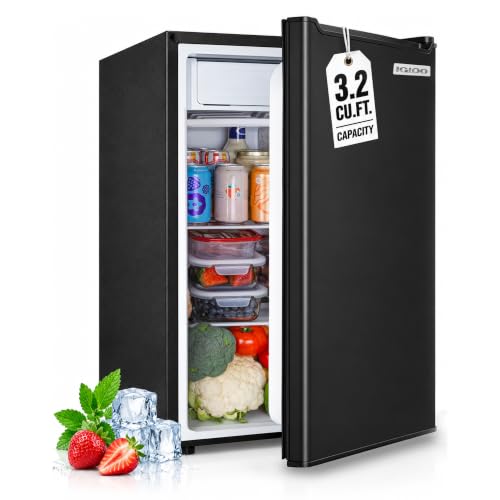
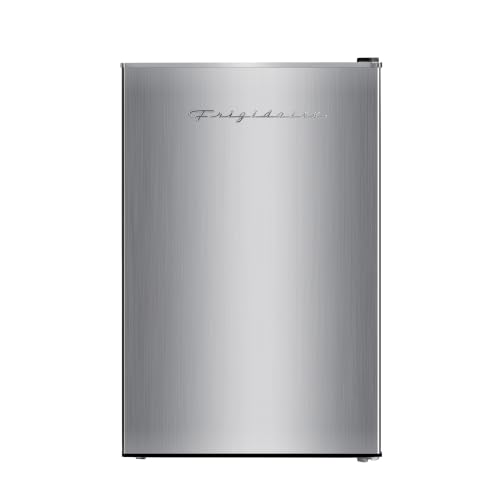
At this level, expect a top freezer layout, basic wire or glass shelves, and manual or simple electronic controls. Storage is straightforward, and door bins may be fewer or less adjustable than on pricier models. These models suit rentals, dorm rooms, offices, and second fridges, and they can work well for smaller households that shop often.
Mid Priced Models From About $600 to $1,000
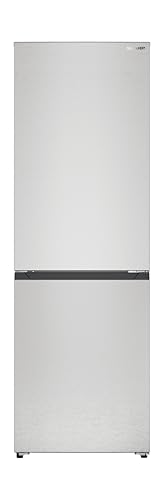
This range often adds bottom freezer or side by side layouts, more adjustable shelves, and better door storage. You may also find crisper drawers with humidity control, a quieter inverter compressor, and a more finished look. These models suit most families who want everyday convenience without paying for dispensers or connected features.
Higher Budget Models Above $1,000
Spending more at the budget end can buy a counter depth design, a French door layout, or an ice maker, depending on the model. Finish options improve, shelves adjust more freely, and temperature controls may offer separate zones for fresh food and freezer sections. These models still count as bargains when they solve a real space or layout problem, but they are only worth it if you will use the added features often.
How to Choose the Best Bargain Refrigerators: Buying Guide
Start with size and layout, then judge cooling, noise, and energy use. A bargain fridge that does not fit, blocks a door, or hums loudly in a small apartment is a poor deal at any price. The product table can help you compare options, but the details below will help you avoid the most common buying mistakes.
What You Can Realistically Get on a Budget
Expect solid cooling, useful storage, and simple controls, but not every premium extra. Ice makers, water dispensers, and smart screens are often the first features cut at a lower price, and that is usually a sensible tradeoff. Do not cut corners on size, door clearance, or cooling performance, since those problems affect you every day. A plain model with good shelves often serves a family better than a flashy model with cramped storage.
Configuration and Layout
Top freezer models cost less and use space well, but they ask you to bend for fresh food. Bottom freezer models put fresh food at eye level and suit cooks who use produce often. Side by side models give narrow doors that work in tight kitchens, while French door models offer wide fresh food space and a bottom freezer drawer. Choose by how you reach food most often, not by which layout looks newest in a showroom.
Noise Level
Noise matters most in studios, open plan homes, and kitchens near bedrooms. Inverter compressors often run more quietly and more evenly than older fixed speed compressors, though the rated decibel level is only part of the story. Fan noise, vibration against a wall, and cycling sounds can all affect how loud a fridge feels. Leave airflow space around the unit as the maker directs, level the feet carefully, and keep the fridge away from direct contact with cabinets that can amplify hum.
Temperature Control and Cooling Zones
Look for controls that are easy to reach and easy to understand, with separate settings for fresh food and freezer sections where possible. Dual evaporator designs can help keep humidity in the fresh food section while keeping freezer air dry, which can help produce last longer. Convertible compartments add flexibility for parties or seasonal storage, but they are only useful if you will change the setting often. For most buyers, steady temperatures matter more than a long list of special modes.
Dimensions, Counter Depth, and Door Clearance
Measure height, width, and depth of the opening, then add room for door swing, handle depth, and ventilation. Counter depth models sit closer to surrounding cabinets and look built in, but they often give up some interior space for the same width. Standard depth models hold more food but may stick out past the counter, which can block a walkway in a small kitchen. Check hinge side, nearby walls, and island clearance, and confirm the delivery path through doors and hallways before you order.
Energy Efficiency and Running Cost
Energy use is given in kilowatt hours per year, and a lower number usually means a lower annual running cost. Models with an energy efficiency label can help you compare, but size and use matter too, since a larger fridge naturally uses more energy than a compact one. Keep the fresh food section around 37 degrees Fahrenheit and the freezer around 0 degrees Fahrenheit, and avoid placing the fridge next to an oven or in strong sunlight. A bargain price loses value quickly if the model runs loudly and uses far more energy than similar sizes.
Types of Refrigerators
Each layout below suits a different home, so use this section to shortlist one or two types before you compare models. A layout that fits your shopping habits will feel right every day, while a poor layout will annoy you even if the price was attractive. For a broader set of trusted options, see our guide to the best recommended refrigerators.
Compact and Mini Fridges
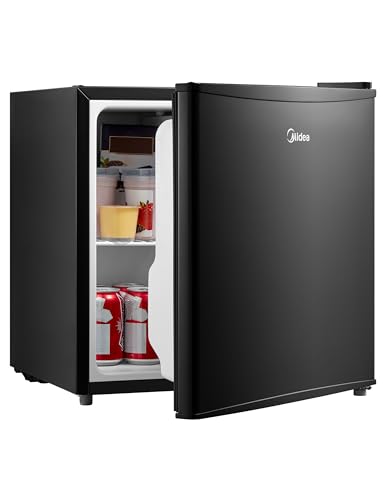
Compact models suit dorm rooms, offices, guest rooms, and small apartments where a full size fridge would waste space. They hold drinks, snacks, and a few days of food, but they struggle with large grocery trips or family meals. Check the freezer section carefully, since some compact models use a small chiller box rather than a true freezer.
French Door Refrigerators
French door models put wide fresh food space at eye level, with a freezer drawer below. They suit families who buy produce in bulk and want easy access to wide trays and platters. They usually cost more than top freezer models and need enough door clearance on both sides, so measure carefully in narrow kitchens.
Counter Depth Models
Counter depth models align with surrounding cabinets for a tidy look, which suits open kitchens and remodels. The tradeoff is less interior depth, so tall items and wide trays may fit less easily. If looks matter and you shop often, this tradeoff can be worth it, but large families may prefer standard depth storage.
Upright Freezers
An upright freezer is not a fridge replacement, but it can pair well with a bargain refrigerator when you buy in bulk or preserve seasonal food. Upright models organize food on shelves and in door bins, which makes items easier to find than in a chest freezer. If you add one, check garage suitability, since some models are not rated for very cold or very hot garages.
How to Make Your Refrigerator Last Longer
Good habits protect cooling performance and reduce repair risk. Keep vents clear, avoid overpacking shelves, and clean spills promptly so odors do not spread. Follow maker guidance for electrical safety, and unplug the unit before cleaning coils or moving it.
- Keep the fresh food section at 37 degrees Fahrenheit and the freezer at 0 degrees Fahrenheit for safe storage.
- Vacuum condenser coils twice a year to help the compressor run efficiently and quietly.
- Leave airflow space around the unit as the maker directs, and keep it away from heat sources.
- Replace water filters every 6 months when the model has a filter, and check door seals for gaps.
- Level the feet so doors close fully, and wipe seals clean to keep cold air inside.
- Do not block interior vents with tall items, since blocked airflow causes uneven cooling.
Refrigerators: Your Questions Answered
How long should a refrigerator last?
Most refrigerators last about 10 to 15 years with regular care, though use, climate, and build quality affect the range. Simple models with fewer electronic parts can last longer in some homes, while models with dispensers and ice makers have more parts that can fail. Regular coil cleaning, good door seals, and steady temperatures help extend life. If repairs cost close to the price of a new budget model, replacement often makes more sense than another repair.
How much electricity does a refrigerator use?
Annual use depends on size, age, efficiency, and room temperature, so check the energy label for the exact model you plan to buy. Compact models use far less than large French door models, and older models often use more than newer ones of the same size. Placement matters too, since a fridge in a hot garage or next to an oven works harder. To estimate cost, multiply annual kilowatt hours by your local electricity rate and compare similar sizes.
Are counter depth refrigerators worth it?
Counter depth models are worth it when a flush look matters and you are willing to trade some interior space. They suit open kitchens, remodels, and homes where a standard depth fridge would block a walkway. They are less appealing for large families who need maximum storage or who buy in bulk often. Measure your opening and your storage needs together, since a tidy look loses value if you constantly struggle to fit groceries.
What size refrigerator do I need for my family?
Size depends on household size, shopping habits, and how often you cook at home. A single person or couple may manage well with a compact or small top freezer model, while a family of four often needs a mid size or larger model. Frequent bulk shoppers, gardeners, and meal preppers need extra freezer space and flexible shelving. Measure your space first, then choose the largest layout that fits comfortably without blocking doors or walkways.
Can I put a refrigerator in the garage?
It depends on the model rating and the temperature range in your garage. Some models are rated as garage ready and handle wider temperature swings, while others may cool poorly in extreme heat or cold. Check maker guidance for the allowed ambient range before you place a fridge in an unheated or very hot garage. If your garage gets very cold in winter, a model without garage rating may run rarely and let freezer food soften.
Final Thoughts
Shop by fit first, then by layout, cooling, noise, and energy use. A simple model that fits well and runs quietly will serve you better than a feature packed model that blocks a door or hums through the night. Compare the picks in the product table, confirm delivery and door clearance, and check the warranty before you commit. The best bargain refrigerators are not the cheapest models on the page, but the ones that keep your food cold, fit your kitchen, and stay easy to live with for years.